





























Tap water, rainwater or demineralised water: which is best for watering plants?
The different types of water and their benefits
Contents
Watering is a key task for the healthy growth of plants, whether in a garden, on a balcony or indoors in our homes. Water is vital for plants because it participates in fundamental processes such as photosynthesis, temperature regulation and the transport of nutrients. However, not all water is equal and its quality can affect the health and growth of plants. Indeed, the chemical composition of water, its purity and its temperature are key factors in ensuring effective watering.
Gardeners often ask themselves: which water should they use to water their plants to achieve the best results? Tap water, rainwater, filtered water or cooking water, each type of water has specific characteristics that are important to know. This article guides you through the different water options available for watering, their advantages, drawbacks and the best way to use them to promote growth and the health of your plants.

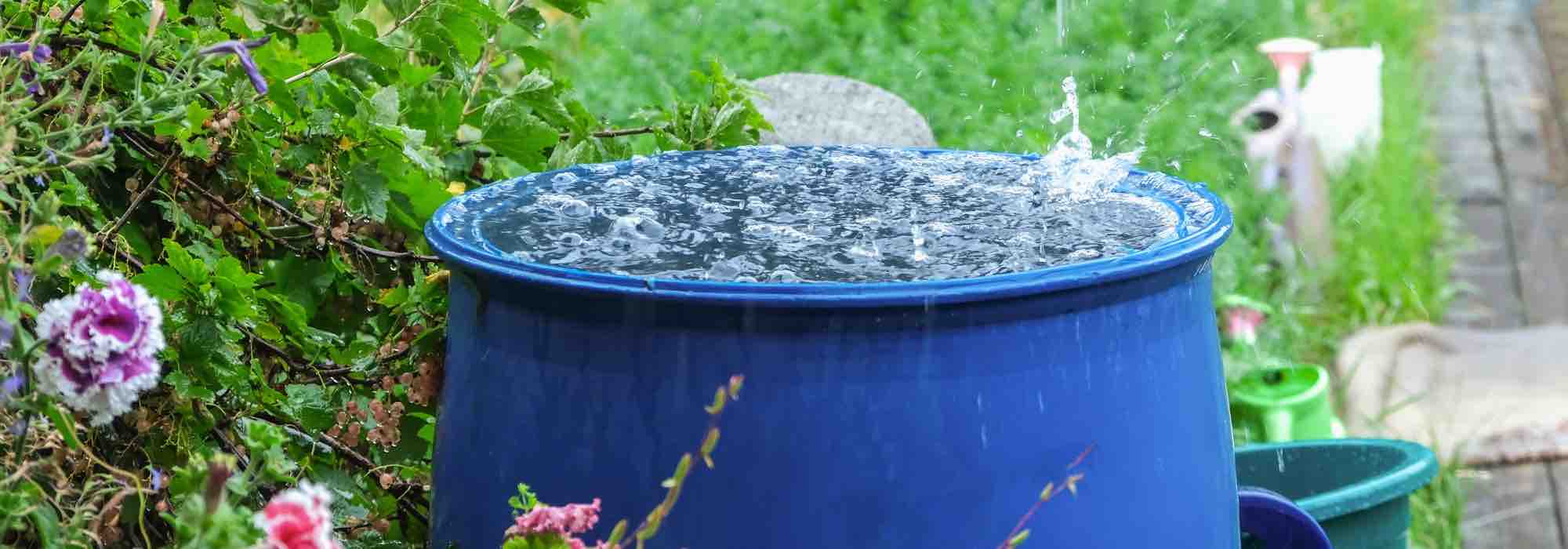
Tap water
Tap water is often the first option considered for watering houseplants, as it is readily accessible and inexpensive. However, it is a precious resource, and in summer there may be possible and reasonable restrictions on its use. It is also important to understand its composition and potential effects on plants.
Composition and treatment of tap water
Tap water is treated to be potable, which means it often contains additives such as chlorine and sometimes traces of heavy metals. These substances can be harmful to some sensitive plants. The pH of tap water can also vary depending on the region, influencing nutrient uptake by plants.
Advantages and disadvantages
Among the advantages of tap water are its availability and cost. It is also convenient for daily watering. However, some plants are sensitive to the presence of chlorine, which can damage roots and leaves, as well as the possible accumulation of mineral salts in the substrate, potentially leading to long-term toxicity.
Another drawback is that tap water is often hard. In many regions, it is not advised to use it for watering acidophilous plants—those that grow in acidic soil or described as heather soil. Limescale also leaves marks on the foliage of watered plants, although it is generally best to avoid wetting the foliage.
Tips for using it
To minimise the negative effects of tap water, here are a few tips:
- It is often advised to let tap water stand in a watering can or bucket for 24 hours before using it to allow chlorine to evaporate. The benefits of this method, however, are debatable.
- Use water at room temperature to avoid shocking the roots.
- Using a water filter to remove some impurities can be beneficial, especially for sensitive plants.
It is always good to monitor signs of stress in plants, such as browning of leaves or stunted growth, which may indicate problems related to water quality.
Rainwater
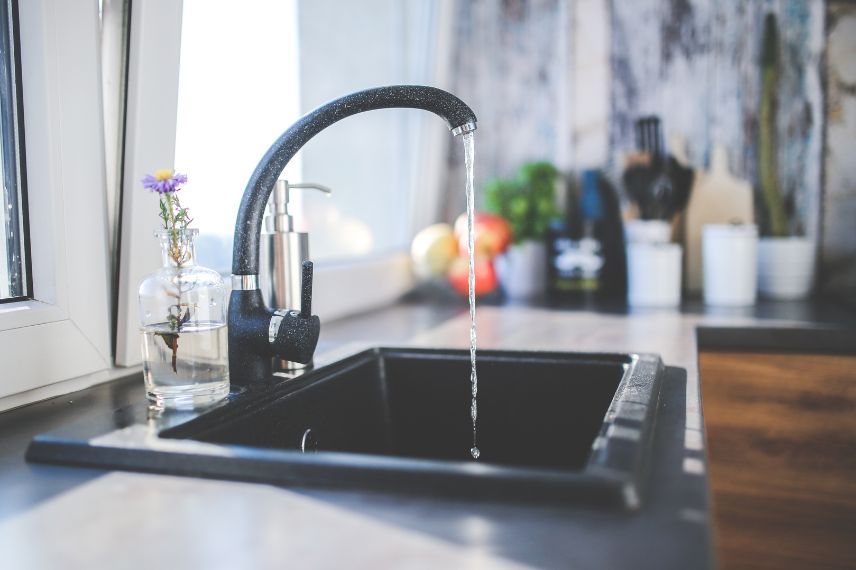
Rainwater is regarded as the best option for watering plants, due to its purity and natural composition, and, of course, as it is an eco-friendly and economical resource. By collecting and storing it properly, you can provide your plants with high-quality water that will promote their growth and health. It offers numerous advantages, making it a valuable resource for gardeners.
Why is rainwater ideal?
Rainwater is naturally soft and low in dissolved minerals, which makes it ideal for most plants. It does not contain chlorine or other chemicals commonly found in mains water. Moreover, rainwater has a slightly acidic pH, which is perfectly suited to the majority of plants, particularly those that prefer slightly acidic soils. Unlike mains water, it is free from limescale.
How to collect and store rainwater?
Collecting rainwater is straightforward and can be done with water harvesting systems, such as rain barrels or cisterns connected to gutters. To guarantee the cleanliness of the collected water, it is important:
- Install filters to prevent debris, leaves and insects from contaminating the water.
- Use clean, opaque containers to prevent algae growth.
- Make sure barrel lids are properly closed to prevent contamination.
However, note that although rainwater is generally pure, it can sometimes contain pollutants, especially if you live in an urban or industrial area.
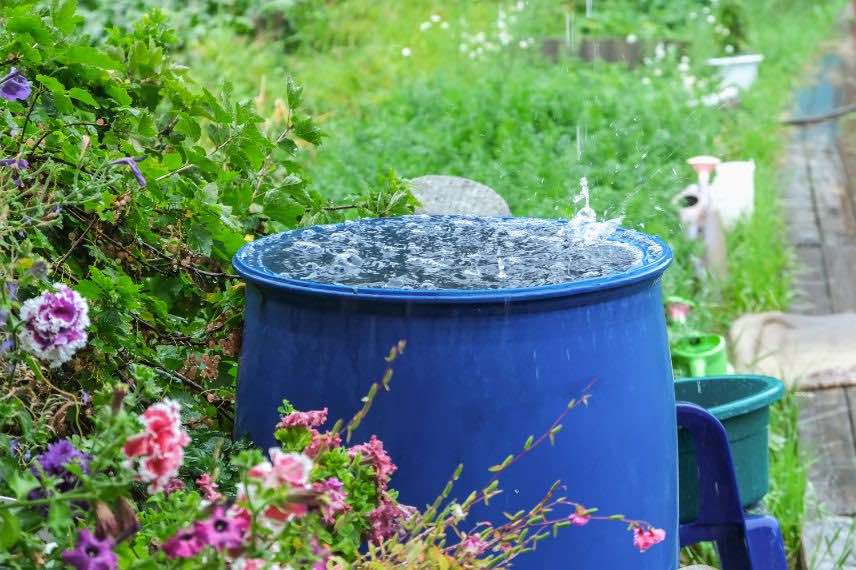
Collected rainwater is ideal for watering plants.
Filtered or demineralised water
Filtered or demineralised water is a good option for watering plants, especially for plants that are particularly sensitive to impurities and minerals present in tap water.
Description of the different types of filtered water
Filtered water can be obtained using various household filtration systems, such as filter jugs, activated carbon filters or reverse osmosis systems. Each filtration method has its own characteristics:
- Filter jugs and activated carbon filters: they reduce chlorine, some heavy metals and other impurities, but do not remove all dissolved minerals.
- Reverse osmosis: this system is more effective at producing near-pure water by removing the majority of minerals and contaminants.
Benefits for certain sensitive plants
Some plants, such as orchids, carnivorous plants or tropical plants can be particularly sensitive to mineral salts and impurities present in tap water. Using filtered or demineralised water helps:
- Avoid the buildup of mineral salts: which can cause root and leaf burn.
- Reduce the risk of toxicity for plants sensitive to certain heavy metals or chemicals.
- Maintain an appropriate pH: filtered water often has a more neutral or slightly acidic pH, which is beneficial for many plants.
Costs and available filtration options
Although filtered water is beneficial, it can also represent an additional cost. Gardeners should therefore assess the cost–benefit balance:
- Filter jugs: inexpensive and easy to use, ideal for small quantities of water and houseplants.
- Activated carbon filters: easy to install and moderately priced, suitable for daily use.
- Reverse osmosis systems: more expensive to install and maintain, but highly effective for obtaining large quantities of pure water.
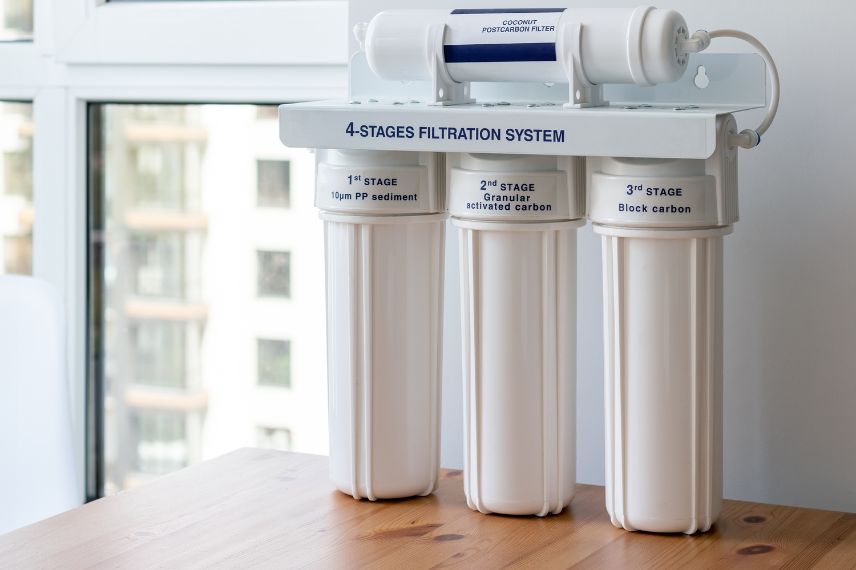
Reverse osmosis is an interesting water filtration system.
Cooking water for vegetables and eggs
Cooking water from vegetables and eggs is a valuable resource for watering plants and a virtuous form of recycling. It contains nutrients dissolved during cooking, which can be beneficial for soil and plants.
Minerals such as potassium, phosphorus and calcium, essential for the growth of plants, are often present in significant quantities in this water.
However, it is crucial to ensure that the cooking water is not salty, as salt can damage plant roots and degrade soil quality.
Using cooking water to water plants helps reduce water wastage. This eco-friendly practice contributes to more sustainable management of water resources. It forms part of a zero-waste approach, giving a second life to a product often discarded. Moreover, watering plants with this enriched water can promote better growth and strengthen their resistance to diseases.
It is necessary to let it cool before using it. It can be poured directly onto the soil or used to prepare manures or enriched infusions for plants.
Cooking water from vegetables is particularly rich in nutrients, while the water from eggs, containing calcium, is ideal for flowering plants.
Special cases
Some plants have specific water requirements. Here are some specific cases where it’s important to pay close attention to the water used.
Plants sensitive to water quality
Some plants are particularly sensitive to water quality and may require specific care:
- Orchids: these epiphytic plants prefer water that is low in minerals and chemicals. Rainwater or filtered water is ideal for them. Avoid untreated tap water, especially if it is hard.
- Carnivorous plants: they require very pure water, as they naturally grow in nutrient-poor soils. Rainwater, distilled water or demineralised water are recommended.
- Bromeliads: like orchids, they prefer soft, non-chlorinated water. Rainwater or filtered water is ideal.
Water for hydroponic plants
Hydroponics, a soilless cultivation method using a nutrient solution, requires high-quality water to ensure optimal plant growth:
- Water purity: use filtered, demineralised or distilled water to avoid the buildup of mineral salts and contaminants in the hydroponic system.
- pH control: the water used should have a balanced pH, typically between 5.5 and 6.5, to ensure optimal nutrient uptake. It is often necessary to adjust the water’s pH before adding it to the system.
Plants requiring acidic or alkaline water
Some plants have specific preferences regarding the pH of their water:
- Acidophilous plants: like azaleas, rhododendrons and camellias, they prefer slightly acidic water. Rainwater is often ideal for these plants.
- Calcicolous plants: like some succulents and Mediterranean plants, they tolerate slightly alkaline water well.
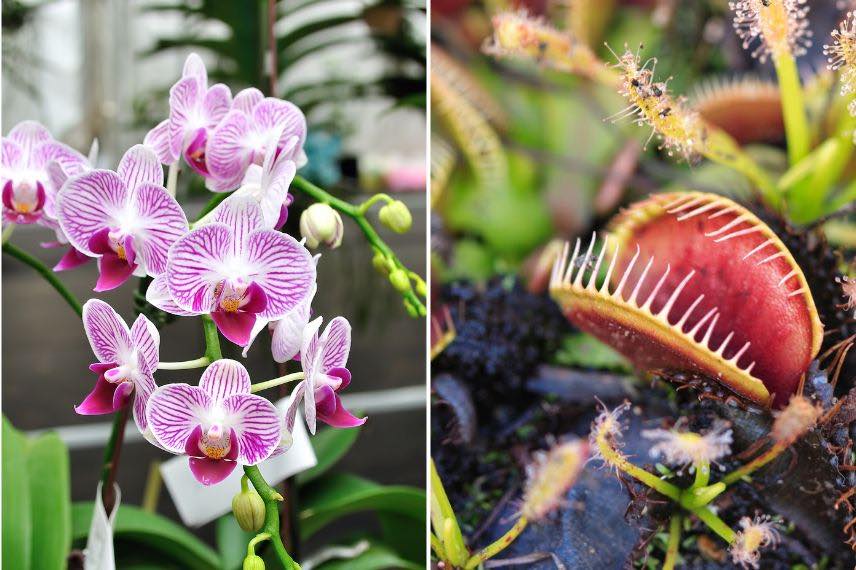
Orchids and carnivorous plants prefer demineralised or filtered water.
- Subscribe!
- Contents
Comments