





























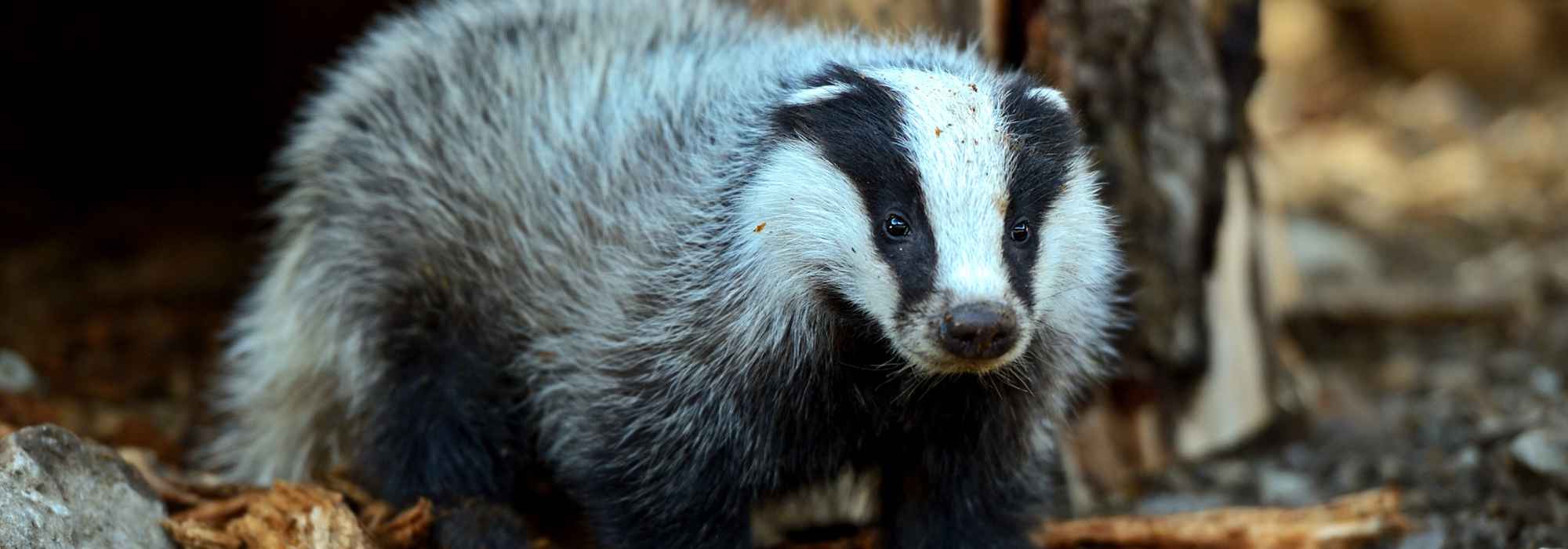
Badger in the garden: our tips for a harmonious coexistence!
a friendly housemate
Contents
The badger, often regarded as a simple nocturnal visitor in our gardens, actually plays a far more complex and essential role in the ecosystem. This animal, with its characteristic grey-silver, black and white fur, and recognisable for its heavy gait and pointed snout, arouses both curiosity and misconceptions.
In this care guide, we will address the need to understand the badger not only as a fascinating creature of our local wildlife but also as an influential player in the health and balance of our gardens. Far from being merely a woodland dweller or burrower, the badger significantly shapes the environment in which it lives. Whether through its contribution to controlling pest populations, or its digging activities which can sometimes be disruptive, it is crucial to recognise the dual nature of its role.
This deeper understanding will help us to coexist better with the badger, recognising its ecological importance while learning to minimise potential nuisances it may cause.

Biology and description of the badger
Physical description
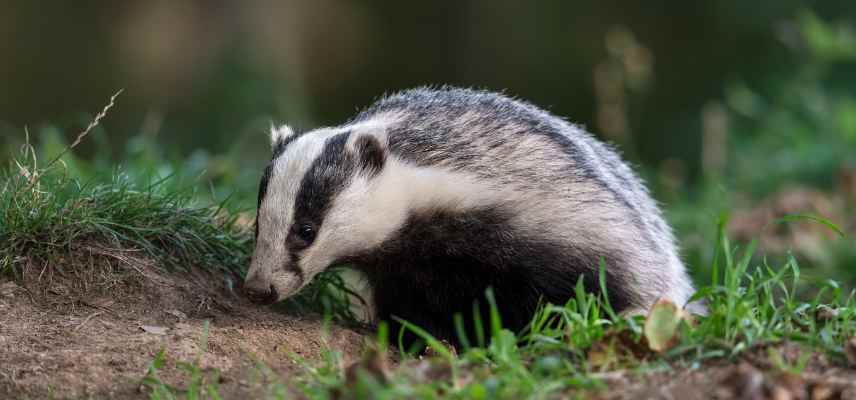
European badger (Meles meles), adult, typically measures between 60 and 90 centimetres in length, weighing 8 to 12 kilograms, though some individuals may reach higher weights. Its dense, shaggy coat, predominantly silvery-grey, is marked by distinctive black bands extending from the ears to the snout, contrasting with the white of its face and throat. This colouring provides effective camouflage in its natural habitat.
The badger has a stout, robust body, with short, powerful legs equipped with sharp claws, perfectly suited for digging. Its head is broad with a pointed snout, and its eyes are small. Its ears are short and rounded, blending into its thick fur.
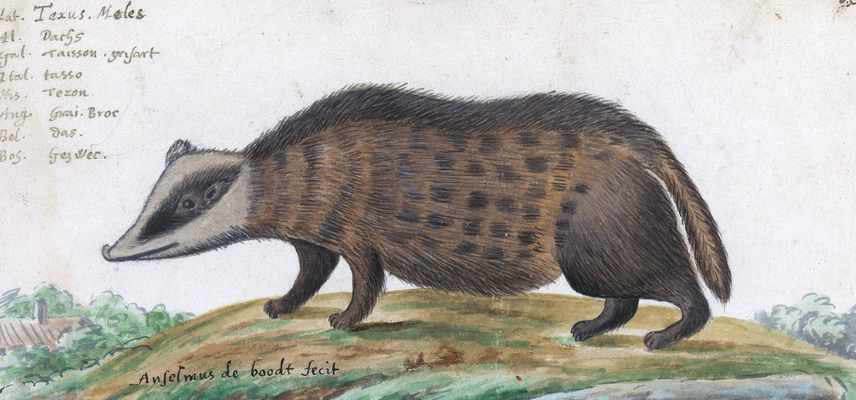
Engraving (Rijksmuseum, Amsterdam)
Behaviour
Badgers are primarily nocturnal animals and spend most of the day in their setts, known as ‘setts’. These setts, often located in woods or hedgerows, can be very extensive and old, sometimes used by several generations. They feature a complex network of tunnels and chambers, reflecting the badger’s skill as a digger.
Their diet is omnivorous and varied, comprising earthworms, insects, small mammals, berries and fruits. Their ability to adapt to different types of food is a key factor in their survival in diverse environments. Badgers live in stable social groups, called clans, which can number up to around a dozen individuals. This social structure is crucial, as it influences their reproductive behaviour, hunting and territorial defence.
Badgers communicate with each other through a variety of sounds, olfactory markings and body behaviours. Their sophisticated communication system is vital for maintaining cohesion and hierarchy within the clan.
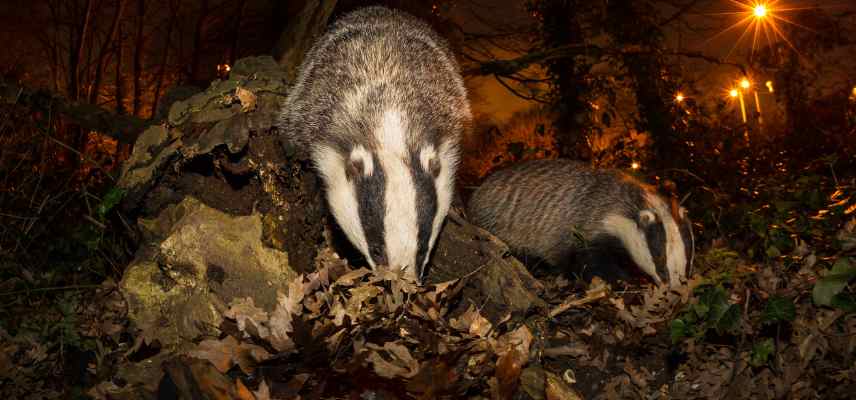
Primarily nocturnal behaviour
Average lifespan of the European badger in the wild is generally around 4 to 7 years, although some individuals may live up to 10 years or more.
Reproduction
European badger has a unique reproductive cycle. The mating period typically occurs in late winter or early spring. After mating, the badger uses a distinctive reproductive strategy known as delayed implantation: the embryo does not implant immediately in the uterus, delaying fetal development. Thus, the female gives birth between January and March of the following year, after a gestation of about 7 weeks. A litter usually comprises 2 to 3 young. They remain in the sett for several weeks before venturing outside under the mother’s attentive supervision. This reproductive system ensures that young badgers are born at a favourable time of year, with a milder climate and greater availability of food.
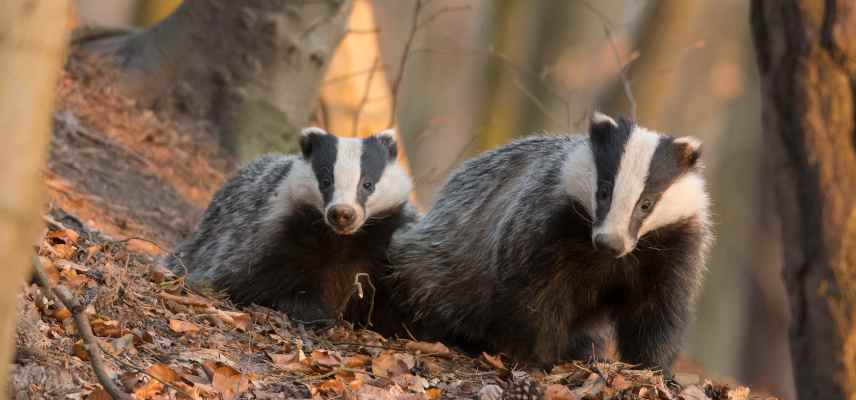
A pair of badgers
Read also
Garden Helper: The ShrewRole of the badger in the ecosystem
Contribution to the ecosystem and interactions with other species
Badgers play a vital role in the ecosystem thanks to their diverse ecological interactions. As an omnivore, they feed on a range of organisms, from small mammals such as rodents to a wide variety of insects and earthworms, as well as fruits and plants. This varied diet helps maintain natural balance among species, by controlling populations of certain pests. In addition, by hunting underground prey, badgers interact with other predators such as foxes and birds of prey, contributing to a complex food web.
Badgers also influence the habitats of other species. Their extensive setts provide shelter not only for themselves but also for other animals such as rabbits, foxes, and some birds and reptiles. These setts, when abandoned, become crucial habitats for these species, thereby contributing to biodiversity.
The European badger has relatively few natural predators due to its size and robust nature. However, wolves and lynxes, where present, can hunt badgers. Juvenile badgers are more vulnerable and can sometimes fall prey to foxes or large birds of prey. However, the greatest threat to badgers does not come from wildlife, but from human activities, such as habitat destruction, vehicle collisions and direct persecution. The sturdiness of their setts protects them effectively against most predators, making humans their main adversary.
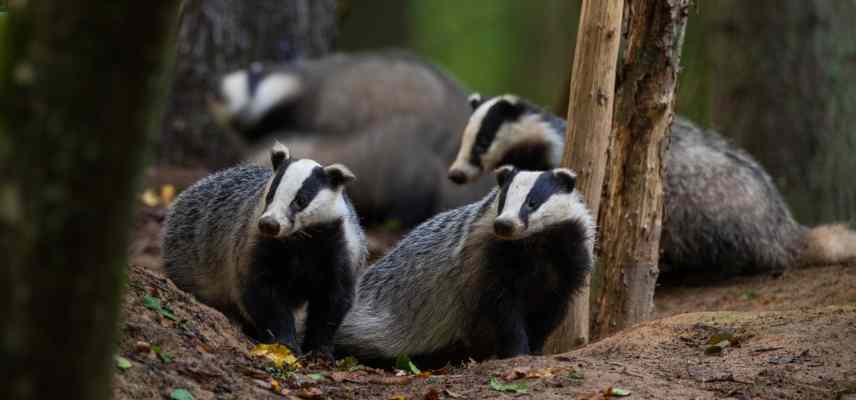
Badgers in a clan in the wild
Importance to soil health
Little is known about it, but badger digging activities are essential to soil health. By digging, they aerate the soil, improving its structure and fertility. This aeration facilitates the penetration of water and nutrients, benefiting plant growth. Their active foraging for food, particularly earthworms and insects, plays an important role in regulating invertebrate populations. By controlling these populations, badgers help prevent overpopulations of insects that could become pests for certain plants.
The badger is a bit of a gardener…
The European badger (Meles meles) plays a surprising role in the dispersal of plant seeds, a phenomenon known as zoochory. Indeed, although badgers are primarily carnivorous, they also consume a significant amount of fruits and berries, particularly during the summer and autumn. When they eat fruits, the seeds pass through their digestive system and are subsequently deposited in other areas via their faeces, often at great distances from the original plant. This process helps seed dispersal into new areas, thereby promoting plant diversity and ecosystem health.
Negative impact of badgers on gardens and crops
Although badgers are crucial components of the ecosystem, their interaction with human gardens is not always harmonious.The damage caused by their digging and their sometimes invasive presence requires careful management to maintain a balance between biodiversity conservation and garden protection.
The badger’s habit of digging the soil in search of food, including earthworms and insects, can cause damage to certain areas of the garden. These excavations, often visible as small holes or patches of turned soil, can damage lawns, flower beds, and vegetable plots. Additionally, badgers may occasionally target more fragile plantings, digging up bulbs or young plants in search of food. Badgers are also known for their ability to enter enclosed gardens by digging under fences or hedges, which can damage garden structures and barriers.
The presence of badgers becomes particularly problematic when they establish themselves permanently in a garden, constructing setts that can expand and be difficult to remove. The proximity of the setts to homes can raise concerns about ground stability, especially in areas where the soil is loose.
Moreover, although badgers are generally harmless, their proximity to residential areas sometimes raises safety concerns, particularly in families with young children or domestic animals. However, direct incidents with badgers are extremely rare.
Please note: Badgers can be vectors for certain diseases, notably bovine tuberculosis. However, the extent of this role remains the subject of debate and ongoing research. Wildlife health management, particularly in areas where farming and badger habitats coexist, remains a concern.
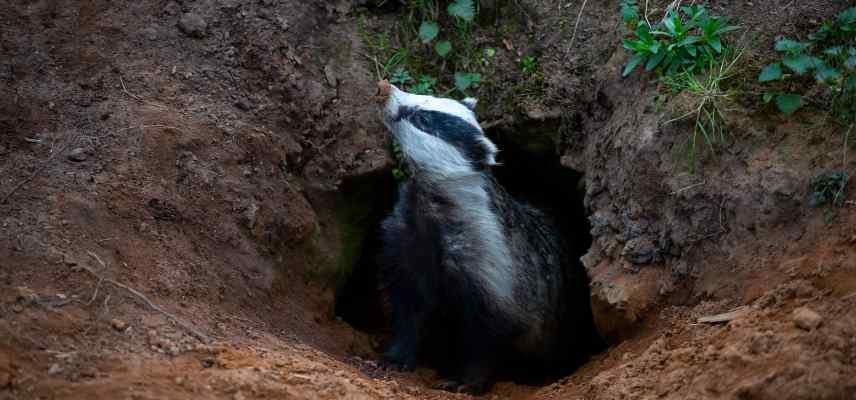
Beware badger setts that are too close to houses
Badger prevention and management
Prevention strategy to limit garden damage without harming badgers
An effective method is the installation of robust, deeply rooted fences. Badgers are excellent diggers, so fences must be sunk sufficiently into the ground (ideally more than 30 centimetres) and be sturdy enough to withstand their strength. The use of fine-mesh fencing can prevent badgers from passing through or under the fence.
Another strategy is to secure planting areas using physical protections, such as cages or nets, around flower beds or vegetable plots. It is also advisable to regularly clean up food waste or compost leftovers to avoid attracting badgers in search of food.
How to coexist harmoniously with the badger?
Coexistence with badgers requires an understanding and tolerance of their natural behaviour. Creating zones in the garden where badgers can dig without causing damage can be a solution. For example, a small wild area or a compost heap away from cultivated areas can attract them away from sensitive plantings.
It is important to note that badgers are protected by law in many countries, and moving or disturbing them may require authorisation. In case of persistent problems, it is recommended to contact local authorities or wildlife protection organisations for advice or assistance.
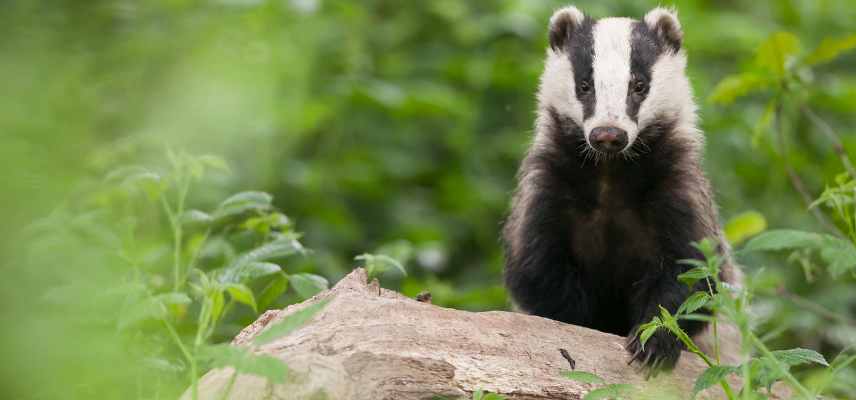
A wilder, more natural area will be very useful to the badger
What does the law say?
In France, the European badger is protected by French law, but this protection comes with certain exceptions. According to the order of 23 April 2007, it is illegal to destroy, mutilate, capture or remove, to deliberately disturb, or to trade in badgers. However, exemptions exist, notably for population control and preventing agricultural damage or for hunting, which is authorised during specific periods of the year, depending on the region. These exceptions are the subject of debate and controversy, particularly from nature-conservation organisations.
In Belgium, the badger enjoys stricter protection. Badger hunting is prohibited, and it is also forbidden to destroy, sell or purchase badgers, in accordance with nature-conservation legislation. Exceptions may be granted for specific reasons, such as public health or the prevention of serious damage to property, but these cases are strictly regulated.
The Badger and Humankind
Big badger!
For the anecdote, the use of the term “badger” as an insult, particularly in popular French language, would trace its origins to the characteristics and behaviours attributed to the animal in popular culture. The badger, as an animal, is often perceived as slow, not very intelligent and stubborn, although these perceptions do not necessarily reflect the reality of its behaviour in the wild. These traits have led to the use of the term “badger” to designate pejoratively a person considered stupid, slow-witted or stubborn. In reality, badgers are intelligent and social animals, with complex behaviours and important ecological roles.
A habitat shrinking due to our actions
Although badgers are not currently considered an endangered species, their habitat is under pressure due to urbanisation and the intensification of agriculture. Protecting their natural habitat is therefore crucial for their long-term survival.
The badger has fascinated us for a long time
Badgers have long held a significant place in folklore and literary traditions, reflecting various cultural interpretations of this animal. In British folklore, the badger is often seen as a symbol of tenacity and perseverance, characterised by its hardy and solitary nature. In France, it is sometimes associated with wisdom and prudence in popular tales, akin to the character Grimbert, the badger from the Reynard the Fox cycle. In literature, one of the most famous examples is the character Mr. Badger in “The Wind in the Willows” by Kenneth Grahame, where the badger is described as a wise, sturdy and protective figure. The badger is also the emblem of Hufflepuff in the Harry Potter series; a house that champions loyalty, patience and devotion. These literary and folkloric representations of the badger highlight how humans have historically perceived this animal, often incorporating it as a character rich in symbolism, reflecting human qualities such as wisdom, strength or independence.
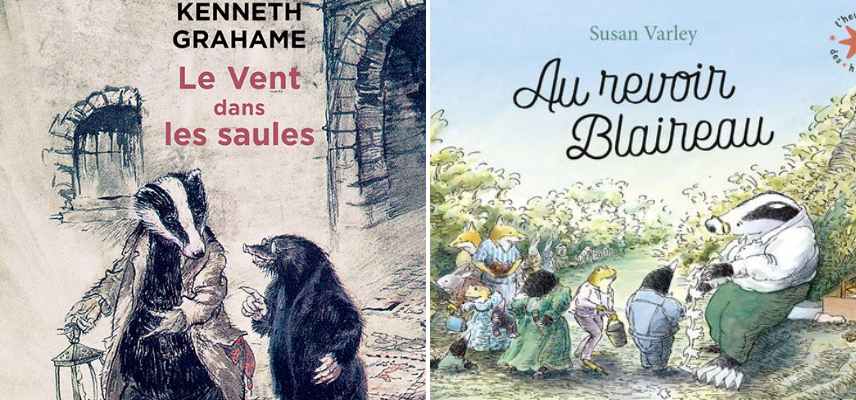
The badger, a friendly animal, featured in children’s literature in particular
The badger and scientific research
The European badger is a prime subject for researchers due to its complex social behaviours, its unique biology and its ecological role. Studies on badgers offer valuable insights into the social behaviour of mammals, particularly regarding the formation of clans, intra- and interspecific interactions, and survival strategies. Biologically, the study of their reproduction, characterised by delayed implantation of the embryo, provides essential information on atypical reproductive processes in mammals. Moreover, understanding their role in the ecosystem, particularly their influence on regulating insect populations and soil health, contributes to a better understanding of ecological interactions and biodiversity. These studies enrich our global knowledge of mammal ecology and emphasise the importance of conserving species and their habitats in general.
- Subscribe!
- Contents
Comments