





























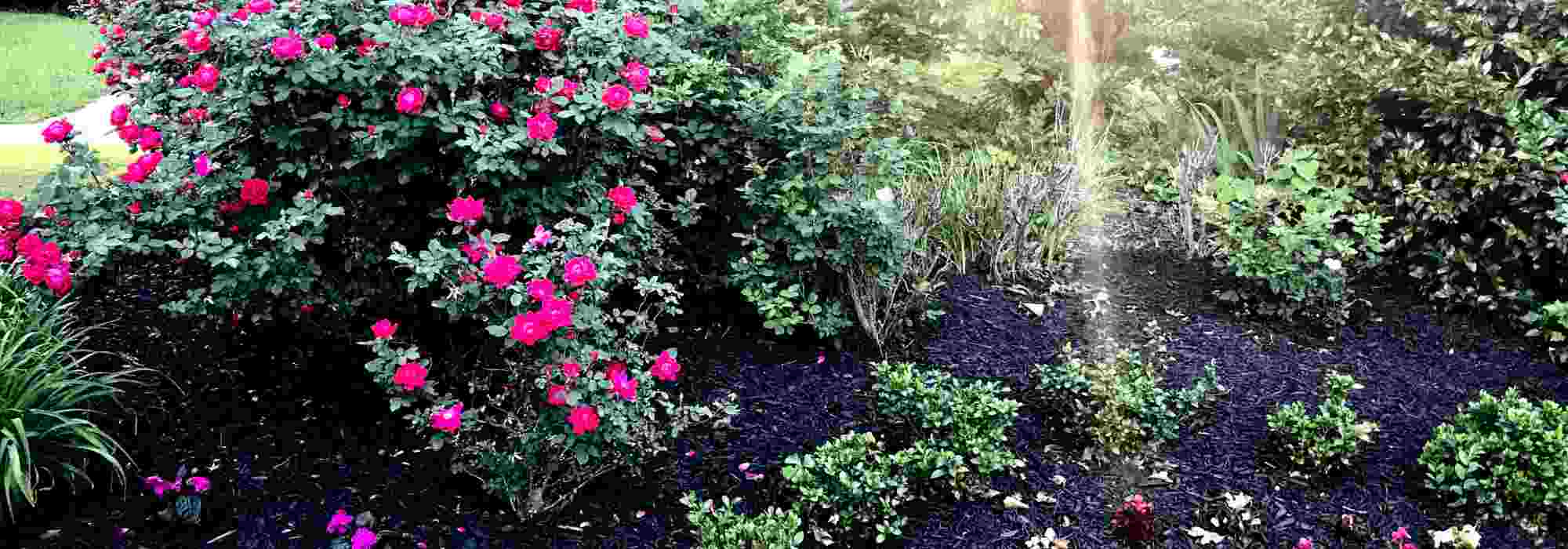
The best mulches for roses: how to choose and apply the right mulch?
Optimise the growth of your roses with the ideal mulch
Contents
Mulching your soil helps retain the moisture needed by roses, especially during hot, dry periods. Good hydration is crucial for healthy roses and abundant flowering. But mulching is also a formidable ally against the proliferation of adventive weeds. Furthermore, mulching provides vital nutrients to the soil as the organic materials gradually decompose. Finally, mulch also provides essential protection against extreme temperature fluctuations, insulating the soil in winter from frost and in summer from excessive heat. This care sheet will guide you through the best mulching options for your roses. 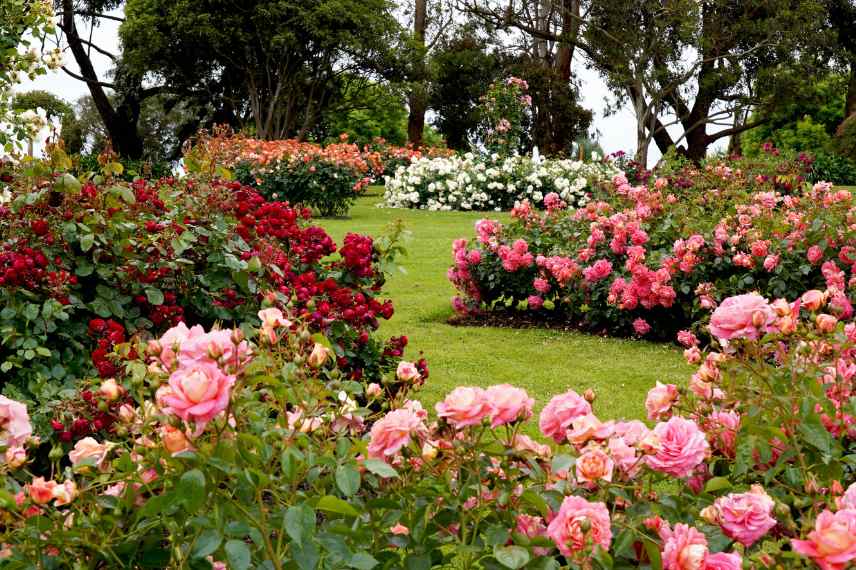

When and how should you apply mulch around the base of roses?
Roses benefit from mulching at two key times of the year. Autumn is ideal for preparing the plants for winter. Mulching helps stabilise soil temperature, protecting the roots against extreme fluctuations and frost. In early spring, when the soil begins to warm up, a new mulch can be applied to retain the moisture required during the active growth months. This timing also allows feeding the soil at the moment roses enter a vigorous growth phase.
Mulching application
- Soil preparation: before mulching, remove weeds around the roses to prevent competition for nutrients and water.
- Mulch thickness: apply a mulch layer of 2 to 3 cm thick around the base of the roses. This thickness is sufficient to protect without risking rot or compacting the soil. A layer that is too thick can hinder soil aeration and slow down mulch decomposition, thereby depriving the soil and plants of essential nutrients.
- Graft point: ensure not to cover the graft point of the roses with mulch. The graft point must remain exposed to air to avoid the development of suckers, these vigorous shoots that can weaken the plant and reduce flowering.
- Frequency : this depends on the type of material used and its rate of decomposition. In general, organic mulch such as straw, fallen leaves or dried grass will decompose in a year and should be renewed each spring. More durable materials such as buckwheat hulls or the miscanthus mulch can last up to two years. It is important to check the mulch’s condition at least once a year and to add or replace it as needed to maintain its protective and nutritional benefits.
The best mulches for roses
Organic mulches for soil health
- Hemp and flax
- Aesthetic appeal : these mulches offer a visually attractive appearance with their ash-blond tones, creating an elegant contrast with the green of the leaves and the colour of the roses.
- Protection against erosion : their fibrous structure helps to hold the soil in place, reducing erosion caused by wind and water. They adhere well to the soil, even after watering or rain, which makes them particularly suitable for exposed areas.
- Other benefits : they act as a natural insulator against temperature fluctuations and are fully biodegradable, enriching the soil with organic matter as they decompose.
- Please note : there are now biodegradable mulch fabrics in linen, hemp, jute, wool… ideal for placing quickly at the base of roses.
- Buckwheat hulls
- Promotes soil moisture and nutrient availability : these hulls, with their light and airy texture, provide excellent moisture retention, which is ideal during hot and dry periods. As they decompose, they gradually release nutrients that enrich the soil.
- Additional benefits : their caramel-brown colour adds a natural look to the garden, and they are often less attractive to slugs and snails, which can help protect young rose shoots.
- Miscanthus
- Durability and effectiveness as a ground cover : when milled into mulch, miscanthus forms an excellent long-lasting ground cover that stands up well to weather and helps reduce surface runoff.
- Soil enrichment : as it decomposes slowly, it nourishes the soil over a long period, providing a continuous source of organic matter.
- Dry grass and hay
- Economical and nutrient-rich option : using dry grass or hay as mulch is a very economical method. These materials are easy to obtain and decompose quickly, releasing essential nutrients that promote healthy plant growth.
- Note : it is important to ensure that the grass or hay does not contain seeds that could germinate later.
- Fallen leaves
- Autumn use to enrich the soil : fallen leaves collected in autumn provide a natural mulch that protects roots during winter while decomposing to form humus, improving the structure and fertility of the soil.
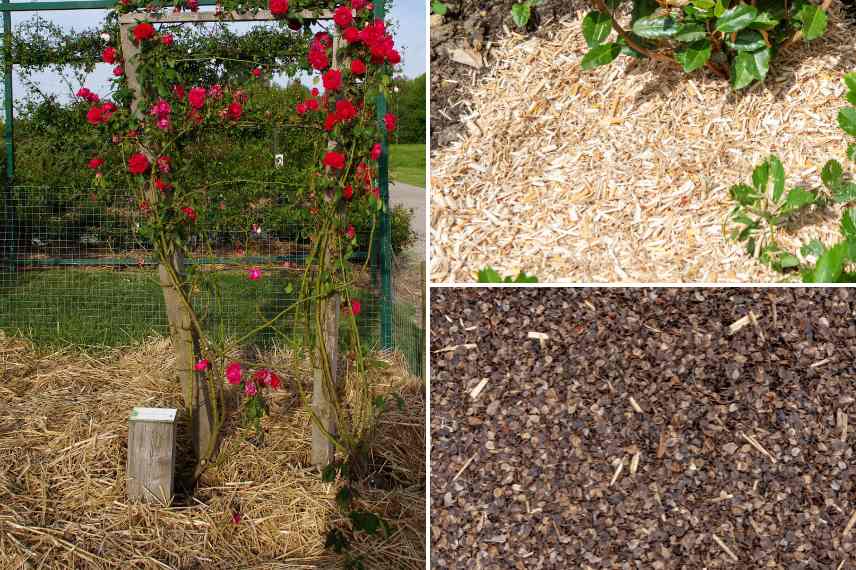
Among the best mulches for roses: straw, Miscanthus and buckwheat hulls
Mulches to avoid
Some mulch options proved less ideal for roses, particularly in certain soil types:
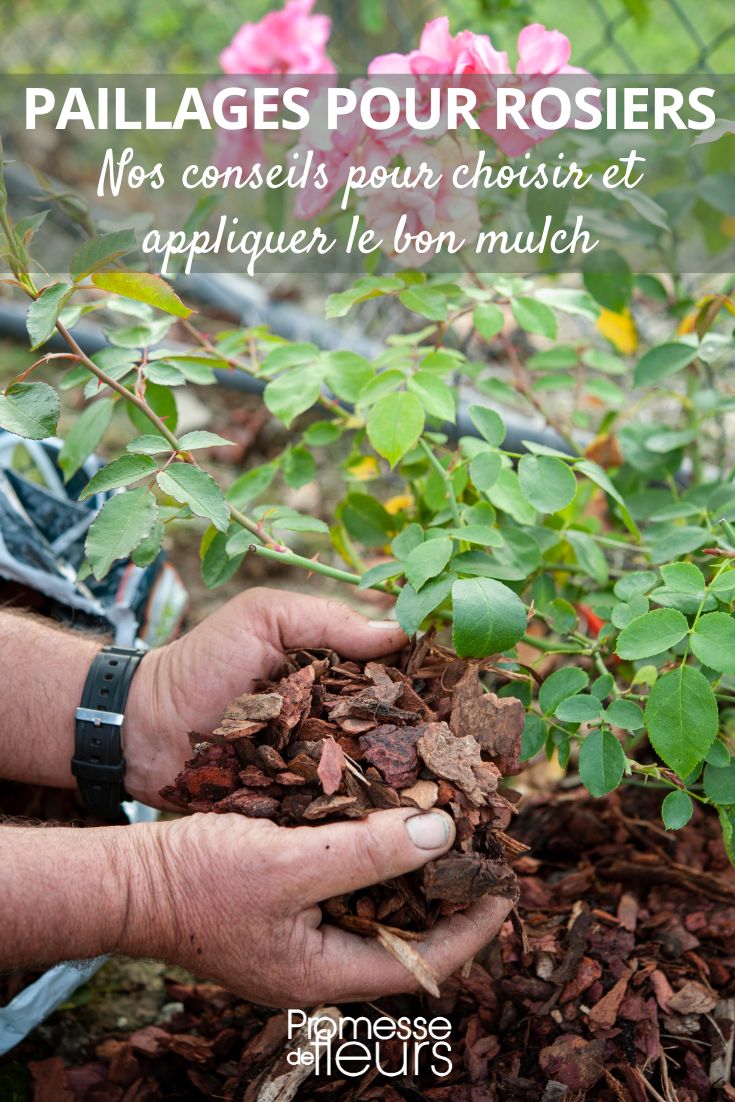
- Pine bark : although popular, pine bark tends to acidify the soil as it decomposes. This can be detrimental in gardens where the pH needs to remain neutral or alkaline for the health of the roses.
- Ramial chipped wood (RCW) : in clay or acidic soils, RCW can be problematic, as some timber species contain tannins that inhibit nitrogen availability, essential for plant growth. Moreover, its slow decomposition can disturb the soil’s nitrogen balance. This can lead to what is known as nitrogen deficiency. However, in preparation for a new planting area, RCW is probably the best of solutions.
Living mulch
Et si, en guise de paillis, on plantait perennial groundcovers at the base of our roses? Like mulch, these plants will help naturally control weeds, retain soil moisture and add aesthetic interest to the garden with their flowers and varied foliage. In addition to protecting the soil from erosion, some perennials such as hardy geraniums, Alchemilla, Periwinkle, or Ajuga reptans will provide extended flowering and attractive foliage that will complement the roses’ aesthetics. These groundcover plants are thus a living and enriching alternative that beautifies and improves the garden’s ecosystem while reducing maintenance. In any case, a profusion of vegetation in the garden will help create a synergy between your plants and will make them more resilient to weather extremes and other minor problems (diseases, pests…). The idea is to take inspiration from Nature.
Also read What to put at the base of roses?
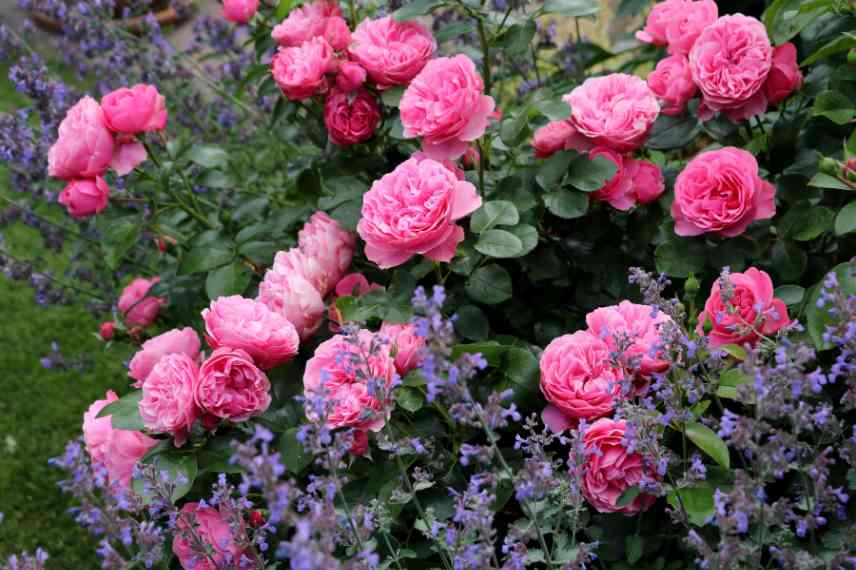
Nepetas are one of the ideal groundcovers for roses, blending their bluish hues
Common mistakes to avoid when mulching
Using a mulch layer that is too thick
Applying a mulch layer around roses that is too thick can lead to several problems:
- Soil compaction: a thick mulch layer (10 cm) can prevent air from circulating properly in the soil, leading to compaction that makes it difficult for roots to absorb water and nutrients. This is especially true in clay soils, naturally heavy and prone to compaction.
- Root rot: excess mulch keeps moisture against the base of the roses, creating a damp environment conducive to fungal diseases such as root rot. This is particularly common in wetter climates or generally in autumn.
To avoid these problems, it is advised to maintain a mulch layer of about 2–3 cm in thickness. Also ensure that the mulch is not in direct contact with the collar of the rose to prevent excessive moisture around the stem.
Site-specific soil and climate conditions
Each garden is unique, and soil and climate conditions should be taken into account when selecting and applying mulch:
- Soil conditions: gardens with clayey or very compact soil may require mulches that improve soil structure and drainage, such as buckwheat hulls, flax or miscanthus, which are more airy.
- Climate: in very humid regions it is preferable to use mulches that do not retain moisture excessively, to avoid rotting and disease problems. Conversely, in dry climates, choose mulches that retain moisture to help reduce irrigation needs.
Inappropriate mulch choices
The choice of mulch type can have a significant impact on soil health and roses:
- Impact on soil pH: some mulches, such as pine bark, can acidify the superficial layer of soil as they decompose. This can be detrimental for roses that generally prefer neutral or slightly alkaline soil.
- Development of diseases: using materials that decompose slowly or that are likely to harbour pathogens can increase disease risk. For example, untreated wood mulches can introduce fungi or bacteria harmful to roses and some shrubs.
Read also
The different organic mulchesOne last tip...
Le paillage, en plus de ses bénéfices pratiques, peut également servir à embellir vos massifs de fleurs :
- Aesthetic choice of mulch : you can select a mulch that complements the appearance of your roses and your garden. For example, buckwheat hull mulch or miscanthus mulch can add textures and a contrasting colour that highlight the beauty of the roses.
- Even layers : apply mulch evenly around your roses and in your flower beds to create a neat and professional look. Ensure that the layer is homogeneous in thickness to avoid uneven areas that could affect water absorption and plant growth.
- Neat borders : keep neat borders around the mulched areas to clearly delineate the spaces and improve the overall appearance of the garden. This can be achieved by using physical borders such as stones, bricks or logs.
- Subscribe!
- Contents
Comments