





























The differences between organic kitchen gardens and permaculture gardens
Understanding similarities, differences and advantages
Contents
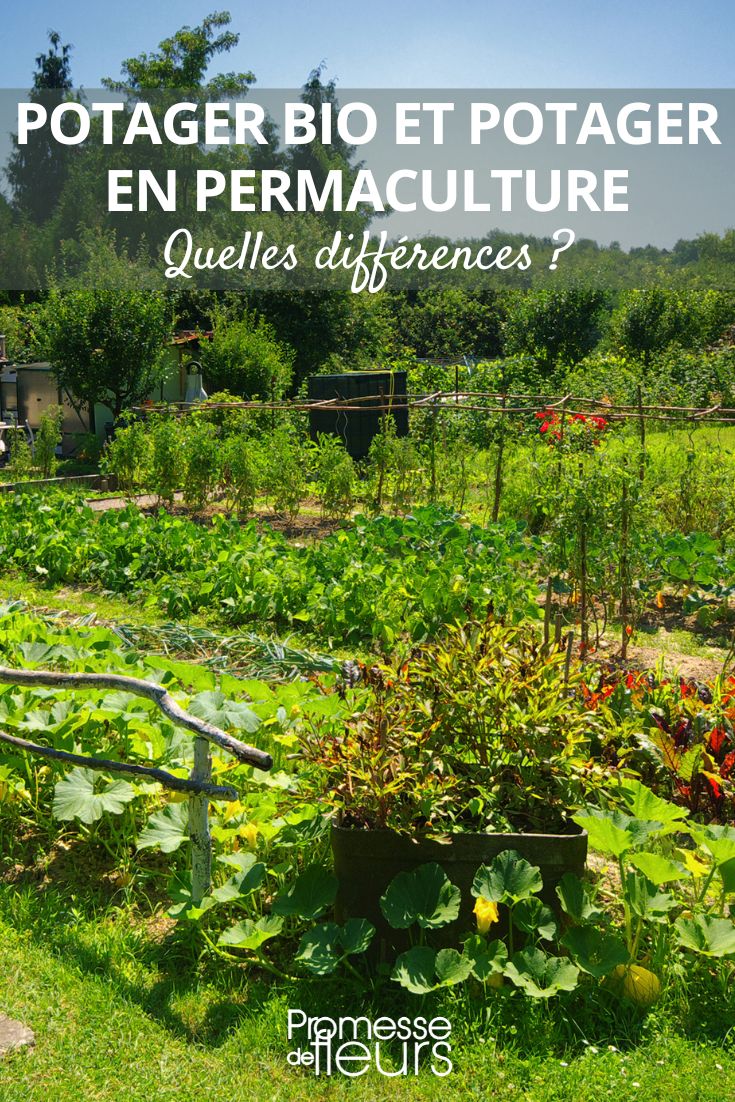
In the world of sustainable gardening, two philosophies stand out: the organic vegetable garden and the permaculture vegetable garden. But what are the differences? If you are looking to grow without chemicals, preserving your health and that of the soil, the organic vegetable garden is your ally! But if you dream, in addition, of a garden that also lives in complete harmony with nature, permaculture could well be your favourite!
Discover, in this article, the nuances between these two methods, according to their principles, techniques and environmental impacts, to guide you towards gardening that is more mindful and harmonious with nature.
Definition of the organic kitchen garden
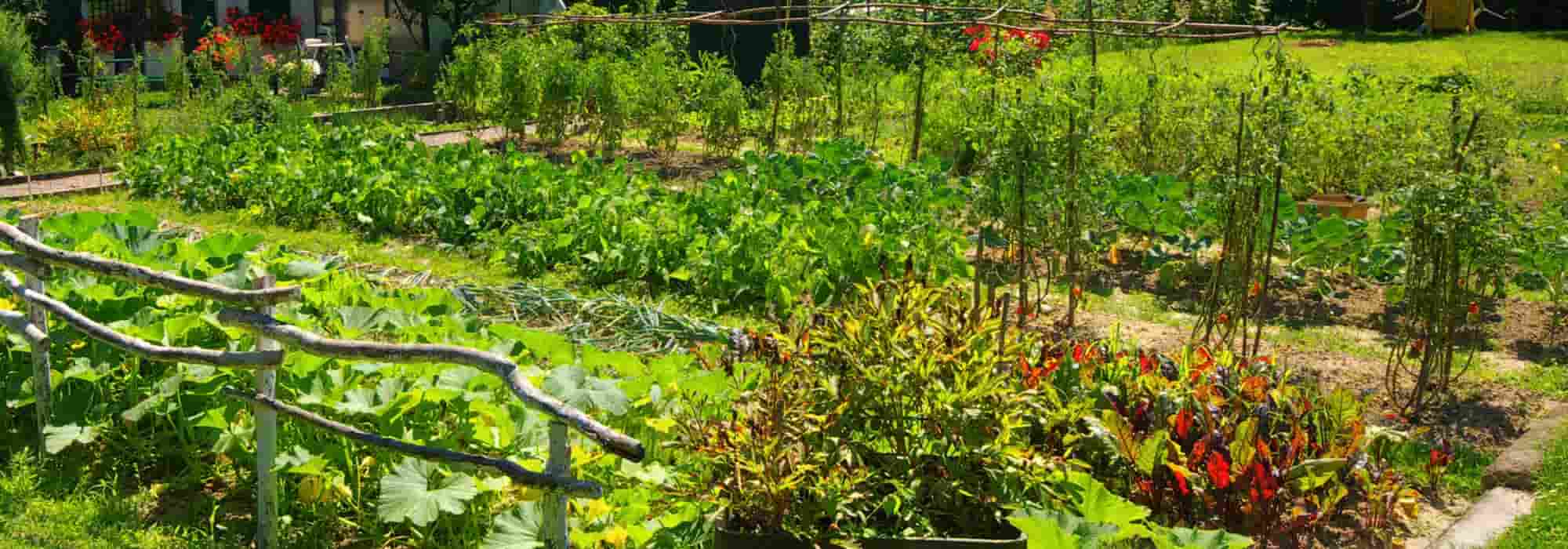
An organic vegetable garden is a garden that adheres to organic farming principles. This means that it does not use chemical products, such as pesticides, weedkillers or synthetic nitrogen fertilisers. Organic gardeners favour natural methods.
Key principles of the organic vegetable garden:
- To feed the soil, we use home-made compost, green manures (mustard, phacelia, …) and plant-based preparations (nettles manure, …).
- Gardeners typically implement crop rotation, mulching, composting or the use of companion plants.
- Instead of resorting to pesticides, the organic vegetable garden promotes natural balance between predators and pests, by attracting beneficial insects and using biological control methods, such as the nettles manure, for example.
The advantages of an organic vegetable garden:
- Healthier for you : organic vegetables grown in organic farming are free from pesticide residues, which is better for human health.
- More environmentally friendly : organic farming methods preserve biodiversity and soil quality.
Definition of a permaculture kitchen garden
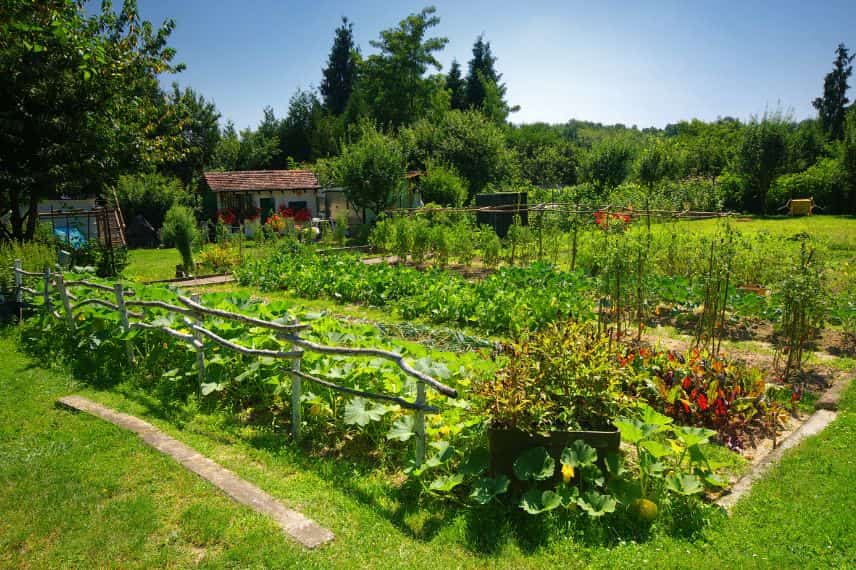
Permaculture is a broader approach to gardening. It aims to create a sustainable and productive system that imitates natural ecosystems. In a permaculture kitchen garden, the emphasis is on creating a harmonious environment where plants, animals, water and humans coexist in a beneficial way. Permaculture aims to optimise resources and minimise waste, thereby creating productive and environmentally friendly green spaces.
Key principles of the permaculture kitchen garden:
- Observation and design: Before any intervention, the permaculture gardener carefully observes the environment of their garden: here a shaded corner, there a dry mound, over there a damp corner, here dandelions, etc. This allows working with the different zones of the garden according to their advantages. We also speak of “permaculture design”.
- A diversity of crops: a permaculture kitchen garden grows a wide variety of crops to promote biodiversity and system resilience.
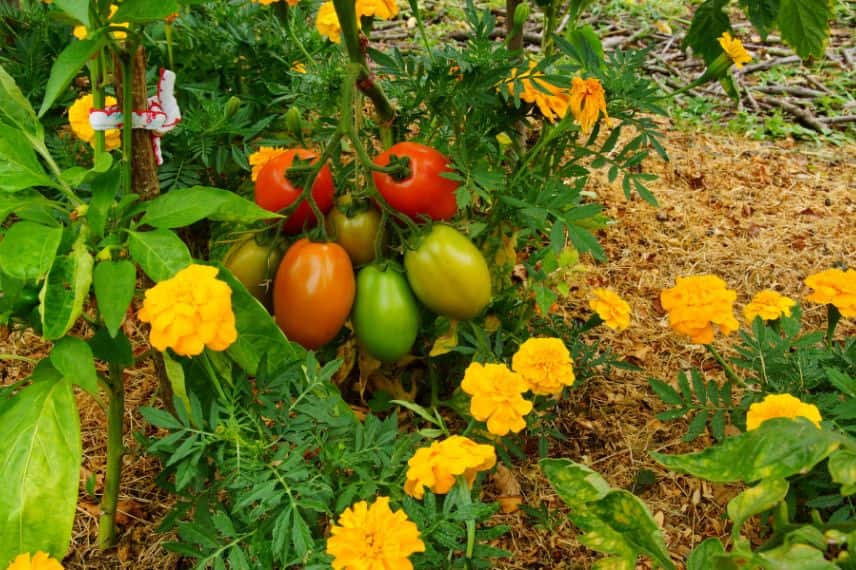
- Companion planting: crops are grown together to take advantage of their beneficial interactions. For example, climbing beans can be planted near squashes, as beans fix nitrogen in the soil, which is beneficial for the squashes.
- A living soil: a permaculture kitchen garden emphasises soil health, using methods such as composting, mulching and crop rotation.
- Sustainable resource management: permaculture aims to use resources sustainably, minimising water, energy and material consumption.
The benefits of a permaculture kitchen garden:
- Healthy and sustainable production: vegetables are healthy to eat, as they are produced without pesticides, herbicides or chemical fertilisers.
- Environmentally friendly: permaculture methods help preserve biodiversity, the environment and soil health.
- A source of enjoyment and satisfaction: permaculture is a resilient and creative approach to growing vegetables, which can be a source of pleasure and satisfaction for gardeners.
Note: Permaculture is also a philosophy, a holistic approach (a global perspective) that is not limited to the garden if desired: it applies to various aspects of life, from housing to the economy, including social relationships, with the aim of lasting harmony between people and nature.
Common ground between organic vegetable gardening and permaculture
Reading the two preceding paragraphs, you will no doubt have understood that the organic vegetable garden and the permaculture garden share many common points:
- Both approaches exclude the use of synthetic chemical products, such as pesticides, herbicides and chemical fertilisers. By contrast, they use compost, manure and green manures to nourish the soil.
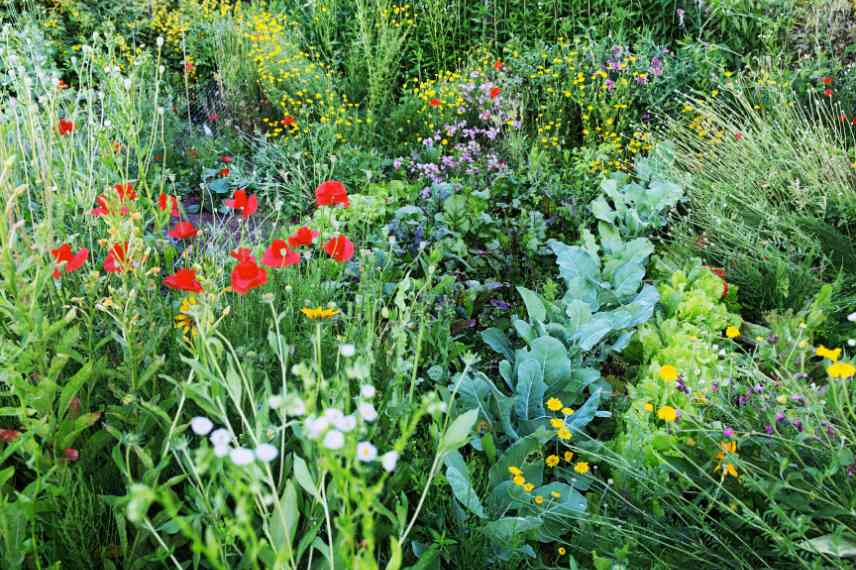
- They promote biodiversity, by welcoming a variety of plant and animal species.
- Composting, mulching and respect for soil biodiversity help reduce the impact of gardening on the planet and protect the environment.
The differences between organic farming and permaculture
Despite these similarities, there are notable differences between an organic kitchen garden and a permaculture garden:
- The organic kitchen garden focuses mainly on food production, while permaculture also aims to create a sustainable and harmonious place to live.
- The organic kitchen garden is organised in rows, with crops planted side by side. This arrangement is practical and helps optimise space. In permaculture, companion planting is preferred, i.e., crops that complement and assist one another. For example, climbing beans will be planted at the base of the maize and will climb up. They will be planted with squashes, because beans fix nitrogen in the soil which they thrive on.
- In permaculture, trees, shrubs, fruit hedges or nest boxes are often integrated.
- The organic kitchen garden frequently uses traditional soil-working techniques, such as ploughing or hoeing. These techniques aim to aerate the soil and prepare it for crops, but destroy beneficial microorganisms. The permaculture garden, by contrast, heavily limits soil disturbance, using the bio-forks (grelinette) to aerate the soil without damaging it, but also practising mound gardening, lasagne gardening and thus preserving soil life.
- Permaculture is a more holistic approach, which takes into account the entire system, including the interactions between plants, animals and the environment. It is often seen as a philosophy that can extend to various aspects of life (housing, economy, social relations), with the aim of a sustainable harmony between people and nature.
Further reading
For more information, read our articles:
- Subscribe!
- Contents
Comments