





























Tibouchina: how to protect it from the cold and ensure successful wintering
In the ground or in a pot
Contents
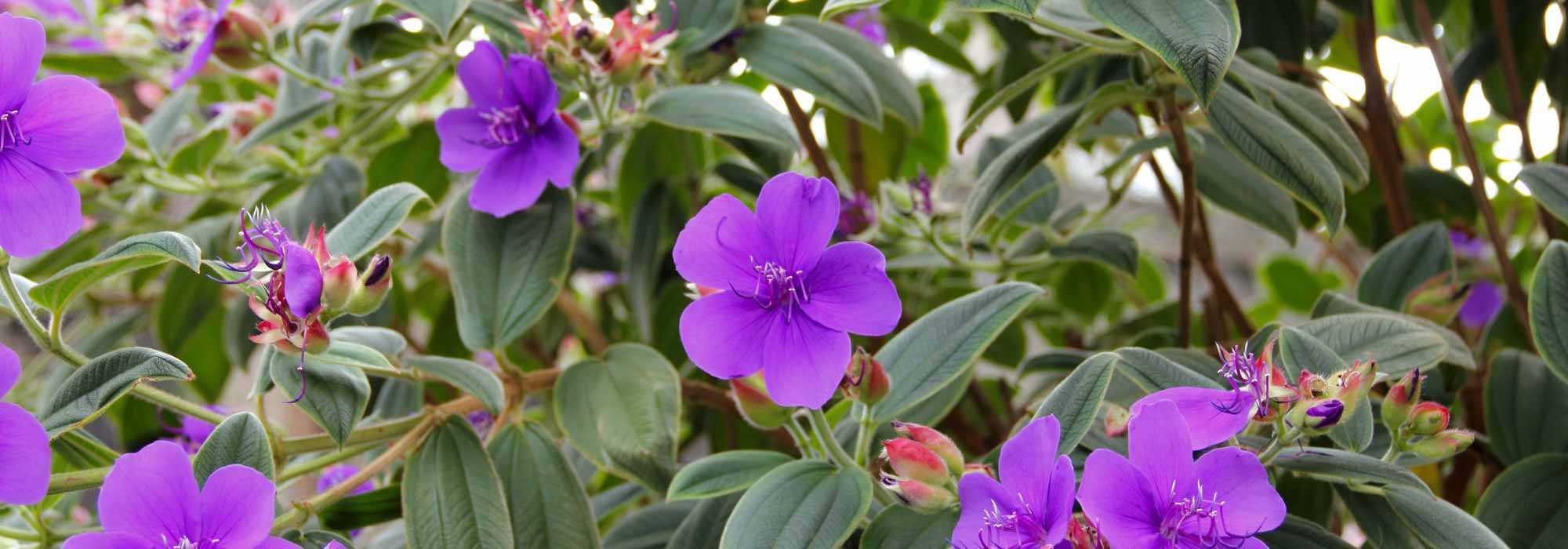
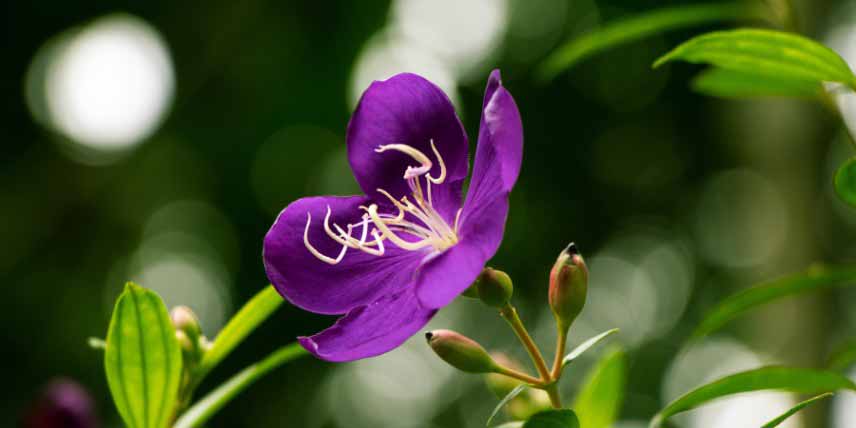
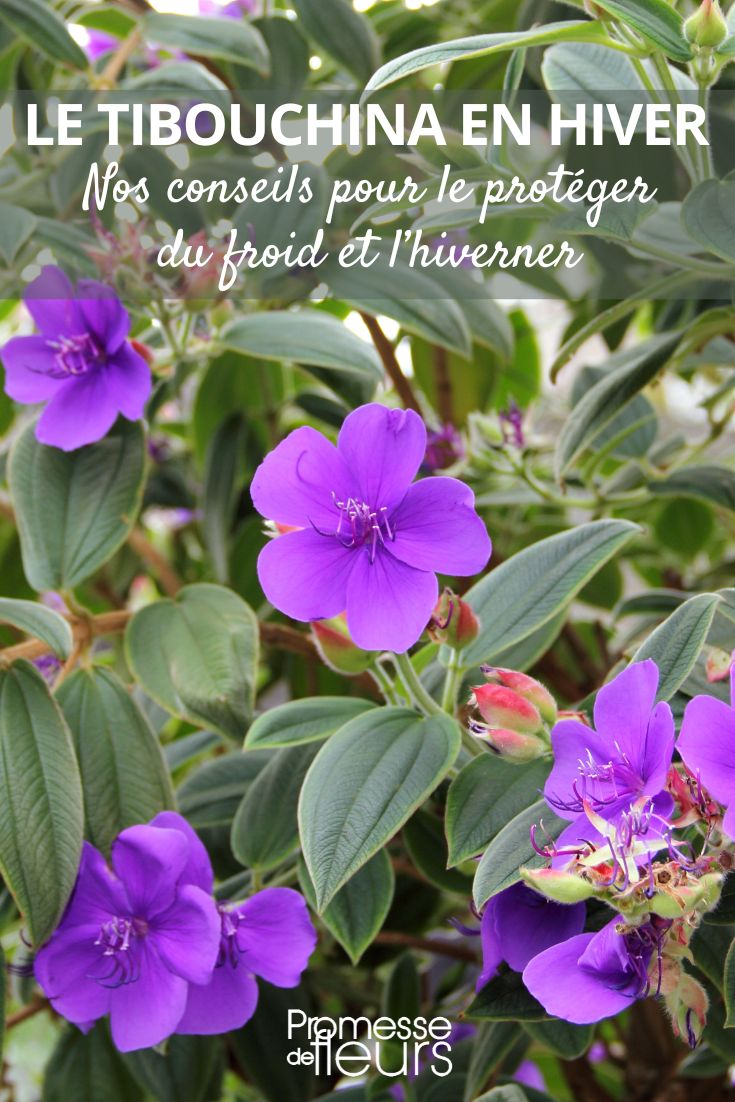
The Tibouchina is a tender tropical bush that adapts perfectly to the outdoors, but only in regions with a mild climate, and provided it is well sheltered. In mid-summer and sometimes until the first frosts, it offers a spectacular flowering of an almost fluorescent blue-violet with hooked stamens resembling tiny spider legs, hence its nickname “spider flower”. In open ground, it thrives in oceanic or Mediterranean climates. Elsewhere, it will be grown in pots, indoors or on the terrace, and should be brought inside during winter. Reserved for passionate gardeners, it requires careful attention, particularly in terms of winter protection. Here’s how to effectively protect it from the cold, whether you’re growing it in a pot or in the garden! By following our tips, your Tibouchina can get through the winter unscathed and will reward you with magnificent flowering when the warm days return!

Why protect Tibouchina from the cold?
Tibouchina is a plant particularly sensitive to cold, rarely tolerating temperatures below -3°C (in very sheltered situations). As soon as temperatures drop below zero, it can suffer, and even light frosts can be fatal. It is only grown in open ground in our most privileged regions, spared from frost, such as the Atlantic coast, the Mediterranean coastline, or in the orange zone. Therefore, it is essential to protect it from the cold. Firstly, this helps to preserve its roots, which are very vulnerable to low temperatures. By sheltering it, we also ensure a good recovery in spring, promoting abundant flowering. Finally, this prevents stress related to temperature fluctuations, which could lead to premature leaf drop or weaken the plant in the long term. That is why, in our most rigorous regions, it is imperative to opt for pot cultivation.
Read also
Tibouchina: planting, growing, careWhen to winter the Tibouchina?
One should not wait for frost to intervene. As soon as night temperatures drop below 10°C, it is time to prepare the plant to face winter. This period generally varies between late September and early November depending on the regions.
How to winterise Tibouchina?
To properly protect your Tibouchina during winter, follow these steps:
Outdoors (for regions with mild winters)
- Protect the base of the plant with a thick mulch (dead leaves, straw, or bark). This will insulate the roots from the cold.
- Wrap the aerial parts of the bush with a fleece. This breathable fabric retains heat while allowing the plant to receive some light and air.
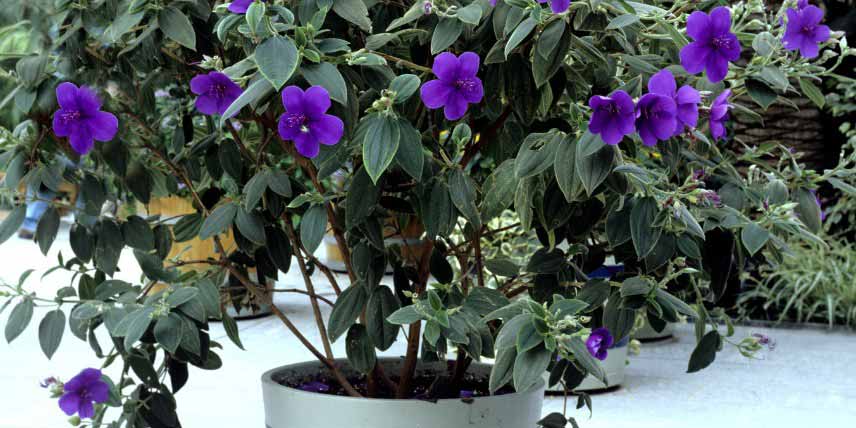
- For potted specimens, place them sheltered from wind and rain, ideally against a south-facing wall. As a precaution, you can wrap the pot with bubble wrap, cardboard, or hessian.
In pots (for harsh winters)
- Bring the Tibouchina indoors to a cool, but bright location, such as a greenhouse, a well-lit garage, or a conservatory where temperatures remain around 8-12°C.
- Reduce watering to prevent the roots from rotting. Water only when the soil is dry on the surface. A water supply every 15 days is sufficient. Never leave water in the saucers. However, remain vigilant, as the dry air in heated rooms can sometimes dry out the compost more quickly, even though watering should remain very moderate.
- Stop fertilising.
- Avoid placing the plant near a direct heat source (heating or radiator).
Read also
Growing Tibouchina in potsWinter Diseases
During wintering, Tibouchina can be exposed to certain diseases and pests. Excessive moisture and lack of air circulation can encourage the appearance of moulds or fungi, while the dry air of heated spaces can attract pests like mealybugs.
Risks of Moulds and Rot
When Tibouchina is brought indoors, it is important to monitor the moisture of the compost. Overwatering combined with poor ventilation can lead to fungal diseases such as root rot or powdery mildew. To avoid these issues:
- Ensure that the pot is well-drained, with no standing water in the saucer.
- Place the plant in a location with good air circulation. Avoid closed and humid spaces, such as a cramped cellar.
- If you notice black spots or mould on the leaves, prune the affected parts and treat with an organic fungicidal, if necessary.
Mealybugs and Other Pests
Mealybugs, small insects that form whitish or brown clusters on stems and leaves, are often attracted to indoor conditions, especially in overly dry and warm places. These pests feed on the sap and can weaken the plant if not treated. To prevent their appearance:
- Maintain an adequate level of humidity around the plant, but without excess. Using a misting spray occasionally can help to humidify the air.
- Regularly inspect the plant, especially on the stems and leaves. If you spot mealybugs, gently clean them with a cloth soaked in soapy water or 70% alcohol.
- You can also use natural solutions like a neem oil spray to eliminate them.
Post-Winter Care
Post-Winter Care
In the ground, once the risk of frost has passed, start by removing the fleece during the day to allow the plant to breathe, then replace it at night if temperatures are still cool. This gentle transition will help the Tibouchina gradually readjust to outdoor conditions without experiencing thermal shock.
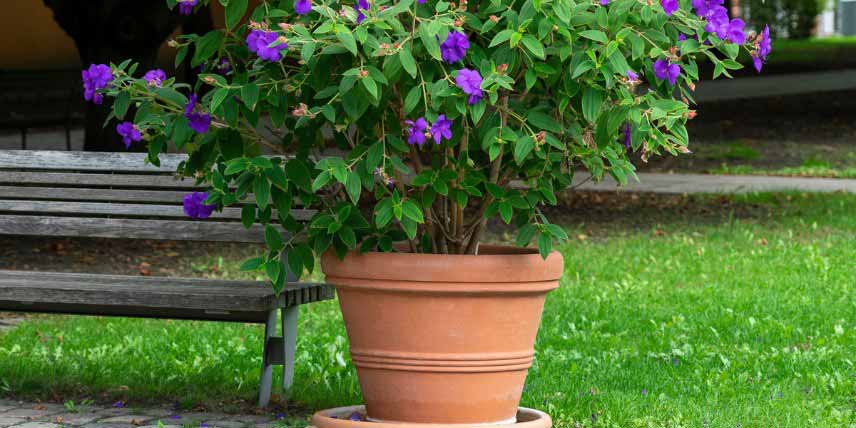
Bring your pot outside when temperatures rise in spring (around 12-15°C at night). Proceed gradually. Leave it outside for a few hours each day to acclimatise it to the fresh air, gradually increasing the duration of exposure.
Exposure
Don’t rush the process! In spring, to stimulate the vegetative recovery of the Tibouchina, initially expose it to bright, indirect light before returning it to its sunny outdoor position.
Pruning
Lightly prune dead or overly long branches to encourage harmonious growth and beautiful flowering. If your Tibouchina has suffered over winter, you can cut it back to 30 cm from the ground.
Watering
Resume watering more regularly, ensuring not to oversaturate the soil.
Fertilisation
Once the Tibouchina is well established outside and begins to form new shoots, provide it with a fertiliser for flowering plants every 15 days, to support its summer flowering.
- Subscribe!
- Contents
Comments