





























Growing bergamot
All our tips to grow the bergamot tree
Contents
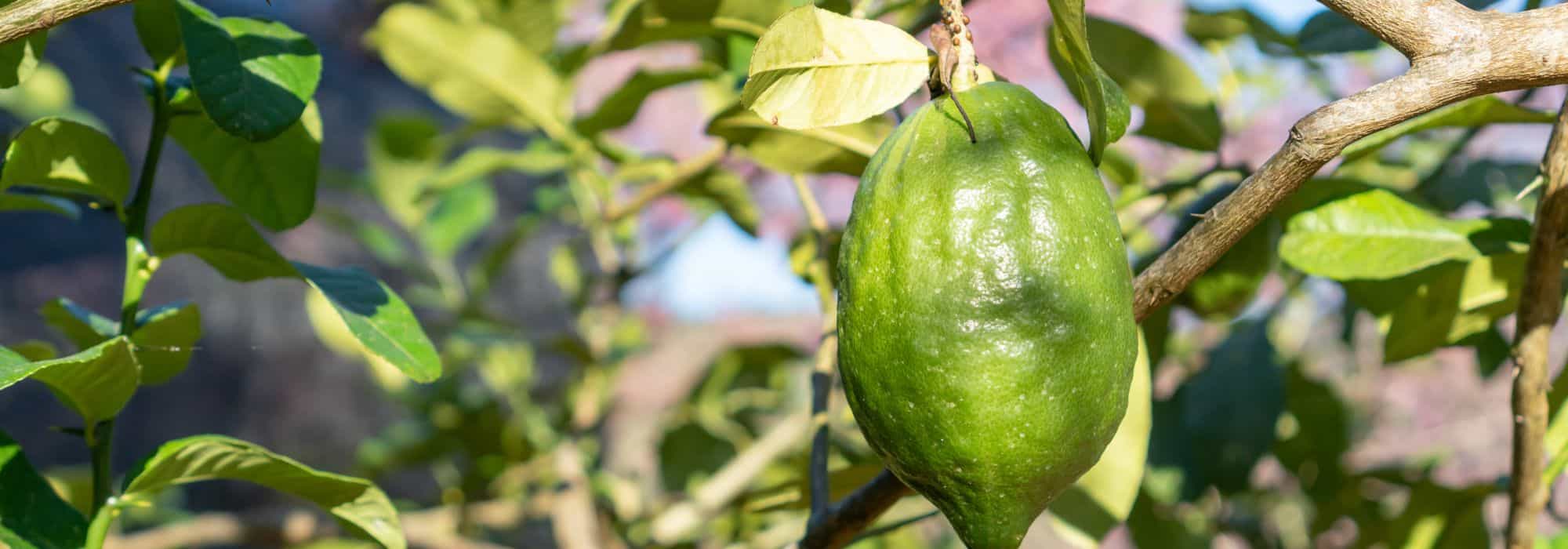
Bergamot is often found where you least expect it: in cologne, in Earl Grey tea, in sweets… This fruit of the bergamot tree (Citrus bergamia), a tree from the Rutaceae family, has the . However, its flavour ranges between that of lime and bitter orange.
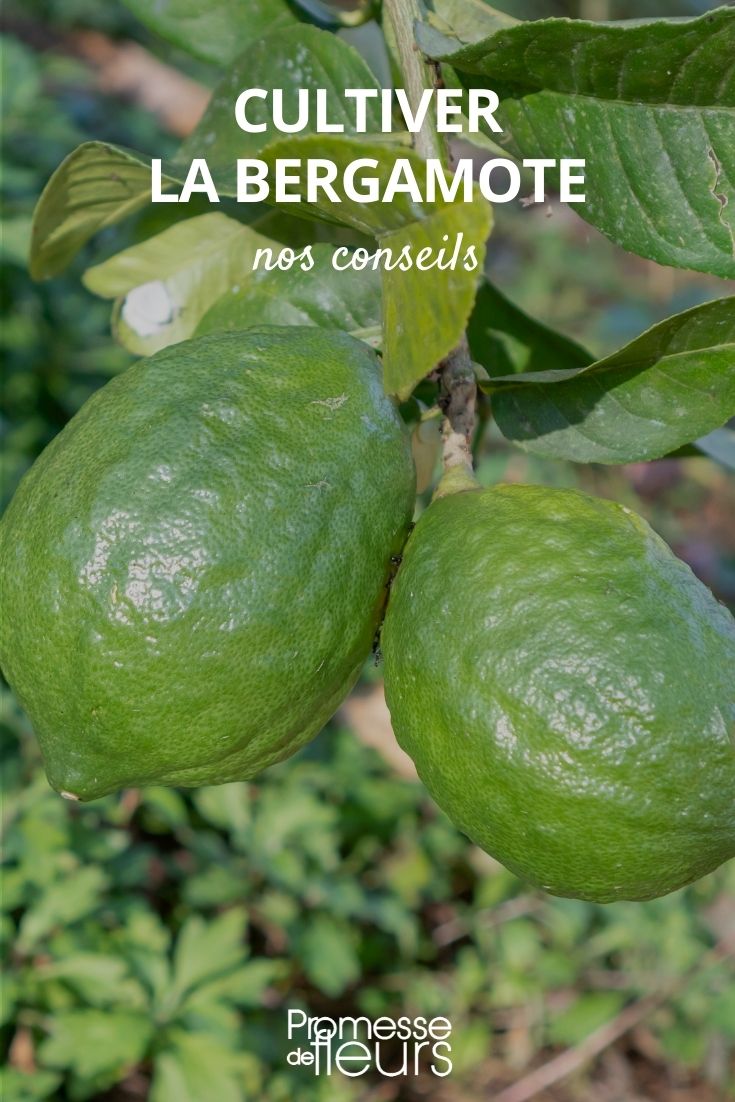
The bergamot tree, hardy down to -5 °C, is grown outdoors around the Mediterranean, and in pots elsewhere. It should be stored in an unheated conservatory with a temperature of around 10 °C during winter and will appreciate sunlight in summer. Thanks to the prevailing climatic conditions, Calabria in Italy is the main region for planting bergamot trees. Reaching nearly 4 m in height, the bergamot tree forms a beautiful bush with dark green, leathery, and glossy foliage. The highly fragrant flowering occurs from April to May, and fruiting takes place between November and January.
Discover all our tips for growing the bergamot tree, as well as harvesting, preserving, and consuming bergamot, a fruit with numerous benefits.
For further reading, feel free to check our complete guide “Lemon trees, orange trees, and other citrus: how to plant and grow them in pots or in the garden”.

How to successfully grow a bergamot tree?
The bergamot tree is a small tree that can reach up to 3 m high in a pot and 4 m in the ground, with a spread of 2.50 m. It has a relatively slow growth rate, which is why it often takes several years before it bears fruit.
Due to its origins, like most citrus trees, the bergamot tree is grown in the ground around the Mediterranean, in containers elsewhere in France. Although it can tolerate temperatures down to -5 °C, it will suffer from the cold as soon as the first light frosts occur. Therefore, even in the Mediterranean region, it is advisable to protect it with a winter cover, supplemented with mulch.
Growing the bergamot tree in the ground
The Citrus bergamia prefers neutral, non-calcareous soils, but can also tolerate slightly acidic ones. A sandy soil may also be suitable. However, drainage must be perfect.
Planting takes place in spring.
As the bergamot tree prefers humus-bearing soils, it is advisable to amend the soil with well-decomposed compost.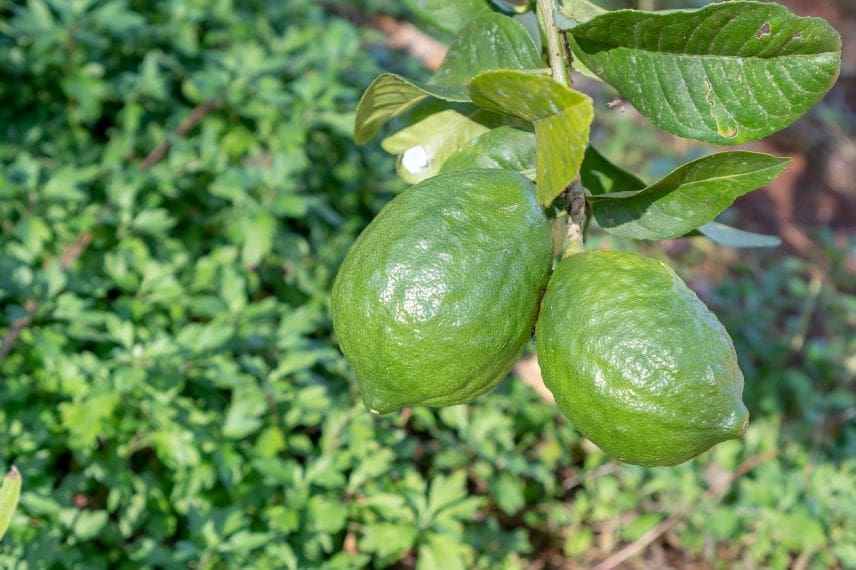
Regarding exposure, it should be sunny without being scorching, and especially sheltered from the wind. Additionally, the bergamot tree does not tolerate sea spray, so find it a location well protected from the sea.
A rather demanding bush, the bergamot tree requires special citrus fertiliser and especially regular watering from April to September, using rainwater. Reduce watering during the winter months.
Pruning, which is optional, takes place in February. This involves removing dead branches, aerating the interior of the branches, and maintaining a nice shape for the tree.
Growing the bergamot tree in a pot
Choose a pot for the bergamot tree that is slightly larger than the root ball, preferably made of terracotta. It should have drainage holes at the bottom to allow excess watering to escape.
- Place a layer of clay balls at the bottom of the pot for drainage
- Moisten the root ball by soaking it for 30 minutes in a bucket of water
- Prepare your substrate by mixing 2/3 garden soil and 1/3 special citrus compost. Feel free to add a bit of sand if your garden soil is too heavy. You can also include some well-decomposed compost.
- Loosen the root ball
- Place it on the substrate and finish filling the pot
- Water thoroughly.
The bergamot tree should be stored in winter in an unheated greenhouse or conservatory, but where the temperature is maintained at 10 °C. In summer, it should be taken outside and placed in a sunny spot that is not scorching or in partial shade, in a location sheltered from the wind.
When grown in a pot, the bergamot tree should be watered with rainwater almost daily in summer to keep the root ball moist, and less frequently in winter, about once a week. However, absolutely avoid standing water in the saucer. Fertiliser applications should also be regular, approximately every 3 months in March, June, and September.
The bergamot tree will need repotting every 4 years.
Harvesting and preserving bergamot?
The harvest of bergamots takes place in winter, between November for the earliest ones and January-February for the later varieties.
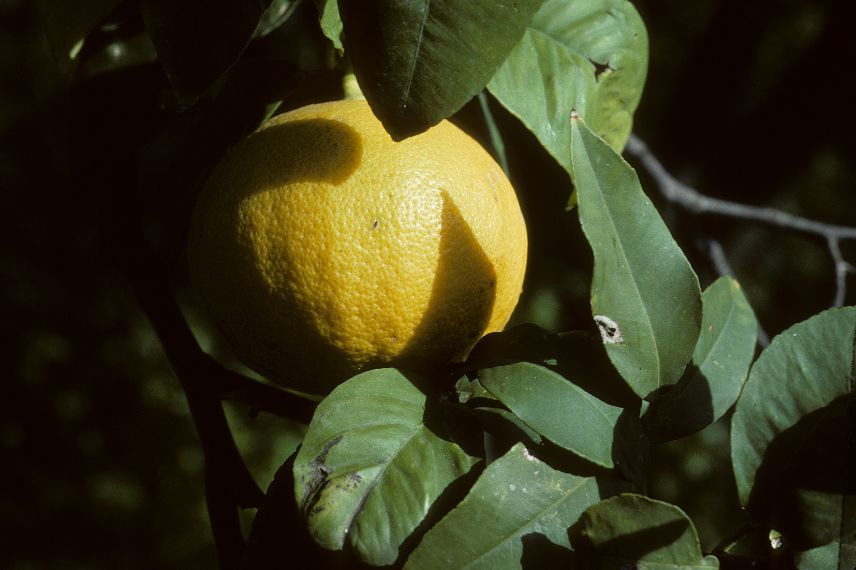
Bergamots are harvested when their skin is yellow-orange
When they reach ripeness, the skin of bergamots changes from greenish to yellow-orange, and their flesh develops a sour and bitter taste. They should feel heavy and have a thick, smooth, and shiny skin. Therefore, they are not very palatable on their own! It is mainly the fragrance contained in their bark that is used as flavouring or in the form of essential oil.
Bergamot can be stored for a week at room temperature, but it is preferable to keep it in the vegetable drawer of the refrigerator where it will be cool and protected from light.
How to cook bergamots?
Unless you have a completely insensible palate, it is difficult to eat the flesh of the bergamot as it is particularly sour and bitter. However, bergamots can be candied to be incorporated into cakes, brioche, or savoury recipes like tagine. Here’s the recipe:
- Boil the peeled bergamots in water for an hour
- Drain and let cool
- Prepare a syrup with 500 g of sugar and 1 litre of water and bring to the boil
- Immerse the bergamots in the syrup and let simmer covered on low heat for 30 minutes
- Cool the bergamots in the syrup for 12 hours
- Remove the fruits from the syrup and bring to the boil
- Return the bergamots to the syrup and boil again for 30 minutes
You can use the zest and the bark, which are very aromatic. To do this, they should be dried and then ground into powder to enhance desserts, creams, cakes, or jams.
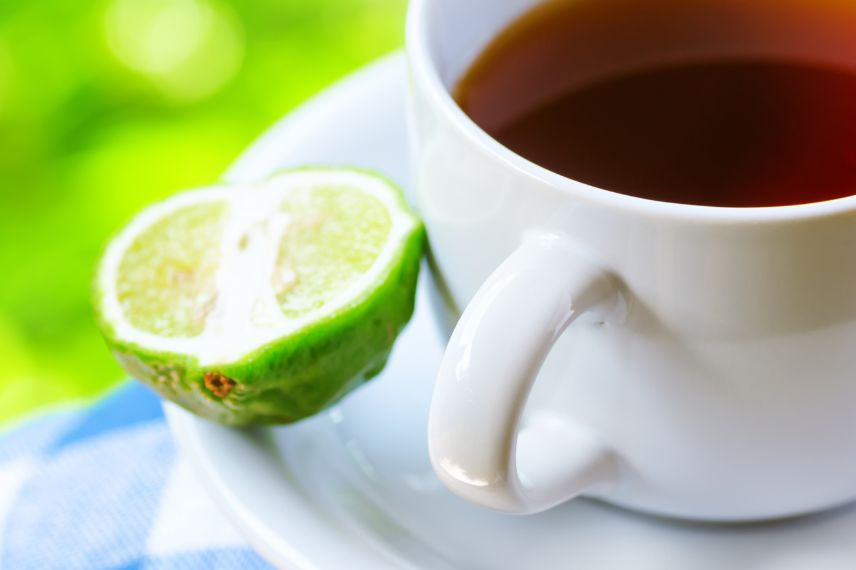
Earl Grey tea with bergamot
Bergamot juice can be consumed fresh or used in the preparation of shellfish or fish. You can also make an excellent bergamot syrup with 3 to 4 bergamots, 250 ml of water, and 500 g of granulated sugar.
It is also possible to make an excellent bergamot jam, often mixed with lemon or orange.
As for the leaves, they are used as an aromatic herb, among other things in Thai and Malaysian cuisines.
Bergamot, a fruit with multiple virtues
For a few years now, bergamot has become very trendy. It is increasingly used by top chefs and consumed in both savoury and sweet dishes, or even as an infusion or in essential oil form.
It must be said that the fruit of the bergamot tree holds numerous properties. Perhaps because it is very rich in vitamin C (useful for boosting the immune system), vitamin A, and flavonoids, which are antioxidant molecules.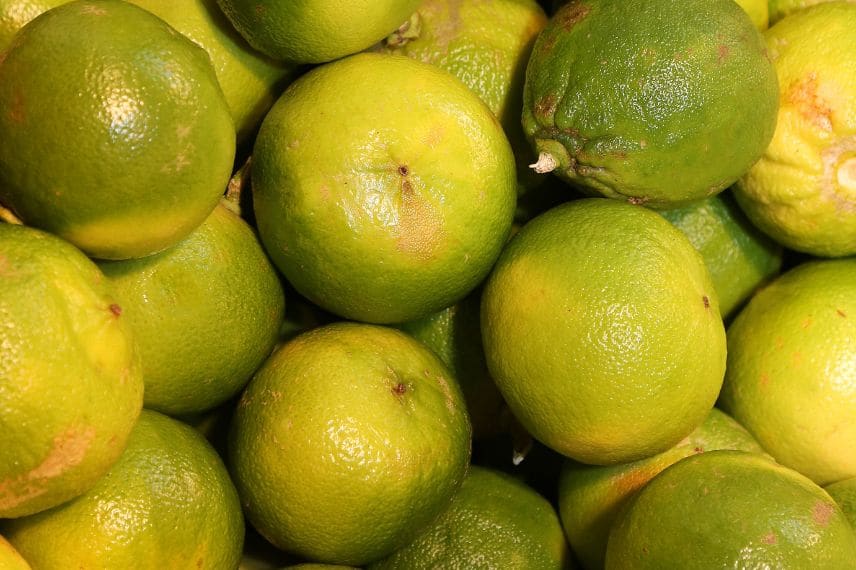
Thus, bergamot may be useful for:
- Managing stress and improving falling asleep and sleep quality (as an infusion or essential oil)
- Facilitating digestion, intestinal transit, and alleviating stomach cramps, bloating, diarrhoea, and spasms. Bergamot is believed to have vermifuge properties and may also help combat intestinal parasites (in infusion form)
- Bergamot essential oil soothes skin irritations such as urticaria or psoriasis. It also has purifying effects on oily skin
- Bergamot attenuates fatigue and may have an effect on depressive states
However, bergamot essential oil (like all essential oils) contains powerful reactive agents that can cause allergic reactions. It should not be used by pregnant women and children. Additionally, it is photosensitising and may cause reactions when exposed to sunlight.
- Subscribe!
- Contents
Comments