


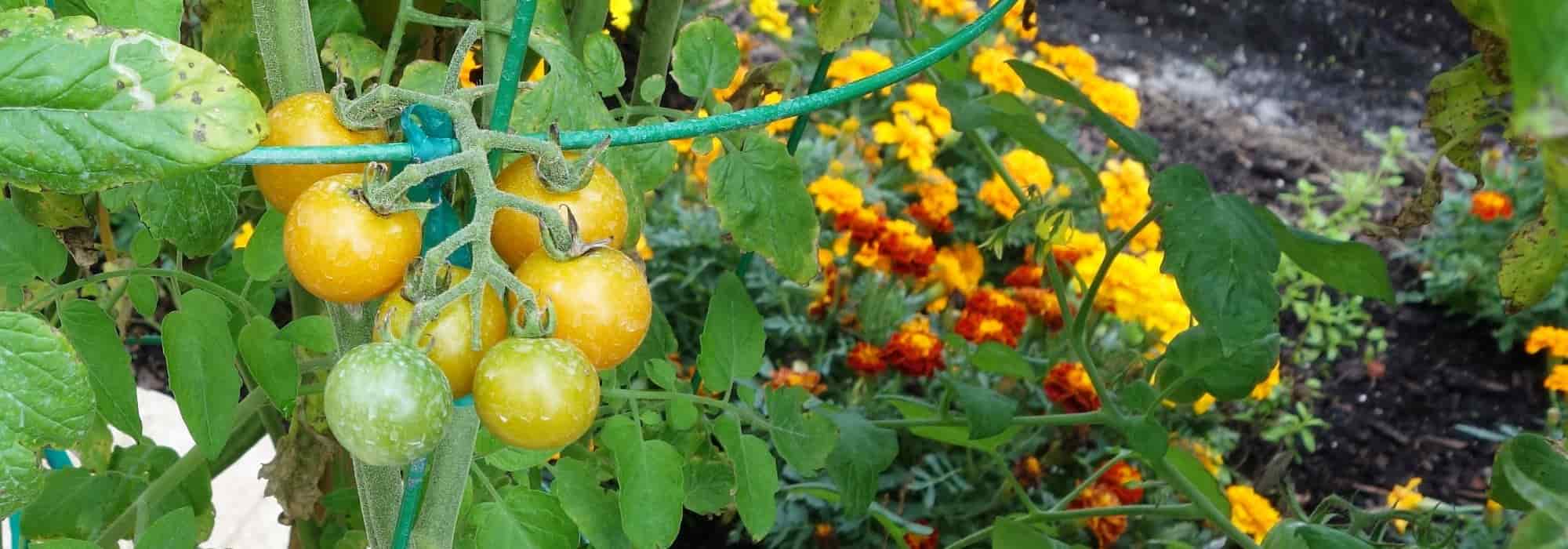
Top 10 companion plants for tomatoes
To improve flavour, boost yields and ward off natural enemies
Contents
In the vegetable garden, one of the most cultivated (and appreciated) by gardeners is none other than the tomato. But did you know that some plants can improve their growth, their flavour and even reduce pests? Not to mention space-saving benefits in the vegetable garden or for attracting pollinators. This practice, known as companion planting, involves planting certain species together to mutually benefit from each other’s natural properties. Discover the ten best companion plants for tomatoes, fostering a thriving and healthy garden.

Basil: the aromatic partner
The basil is far more than a culinary herb; it is a valuable ally for tomatoes. Indeed, cultivating basil near tomatoes can help repel flies and mosquitoes, while attracting pollinators, as this aromatic plant acts as a natural repellent.
Moreover, it is renowned for improving the flavour of tomatoes by promoting their aromatic development.
This association also helps make better use of space in the garden and enhances biodiversity, boosting the overall health of the plants.
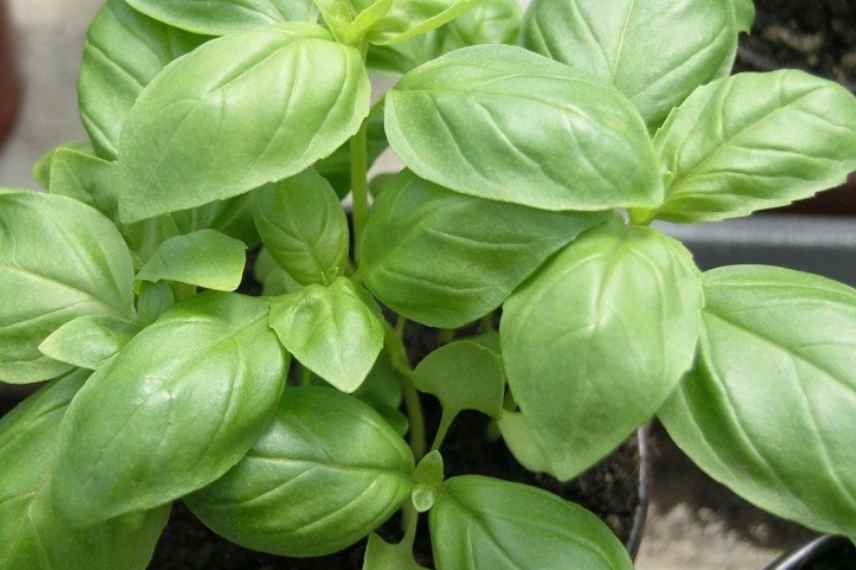
Genovese basil organic
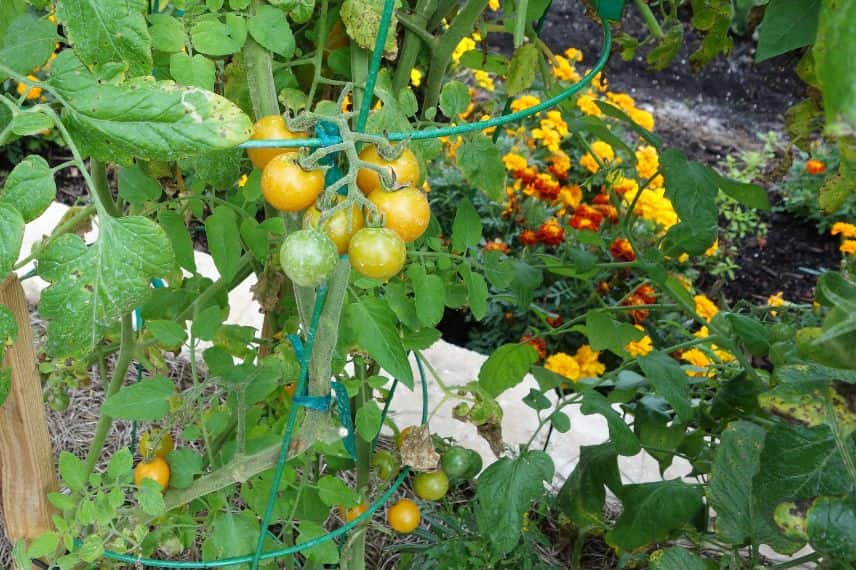
Marigolds: a colourful shield against pests.
Marigolds are reputed for their ability to repel nematodes, microscopic subterranean parasites that affect the roots of tomatoes. In fact, the roots of marigolds produce a substance that is toxic to certain nematodes and subterranean parasites. Planted around tomatoes, they act as a protective barrier, while adding a splash of colour to the garden.
The colourful flowers also attract beneficial pollinators, such as bees, but also ladybirds and hoverflies, known to feed on aphids and other small pests. Conversely, their strong scents mask the scent of the tomatoes and repel aphids and whiteflies.
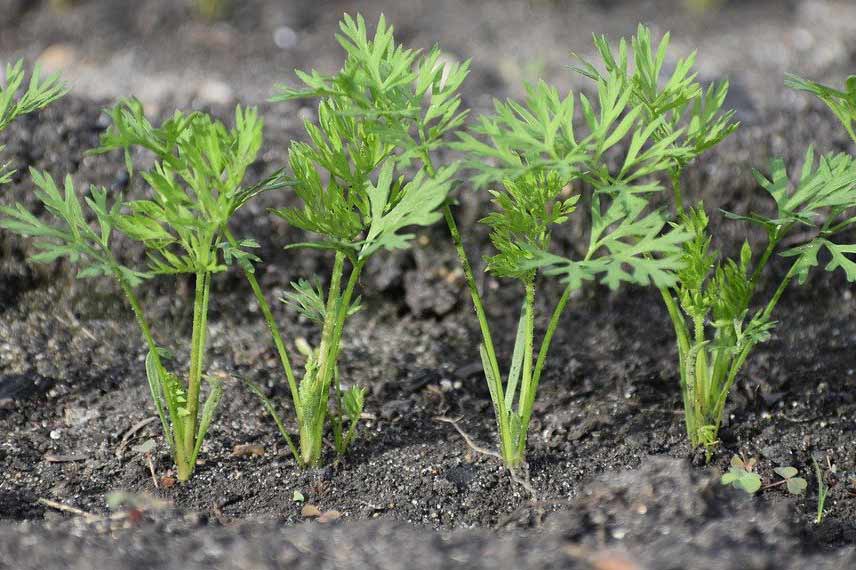
Carrot: a beneficial association for soil
Planting carrots near tomatoes can benefit both plants. With their deep roots, carrots help to loosen and aerate the soil. This can benefit tomatoes by facilitating root penetration and thus improving access to water and nutrients.
Carrots, for their part, benefit from the shade of tomatoes, while using space in a complementary way. This pairing helps maximise use of space in the vegetable garden.
Moreover, the scent of tomatoes may deter carrot flies from approaching. This association therefore promotes healthy growth for both crops.
And finally, it is often said that growing carrots and tomatoes side by side can improve the flavour of each, although this may depend on growing conditions, soil type and climate.
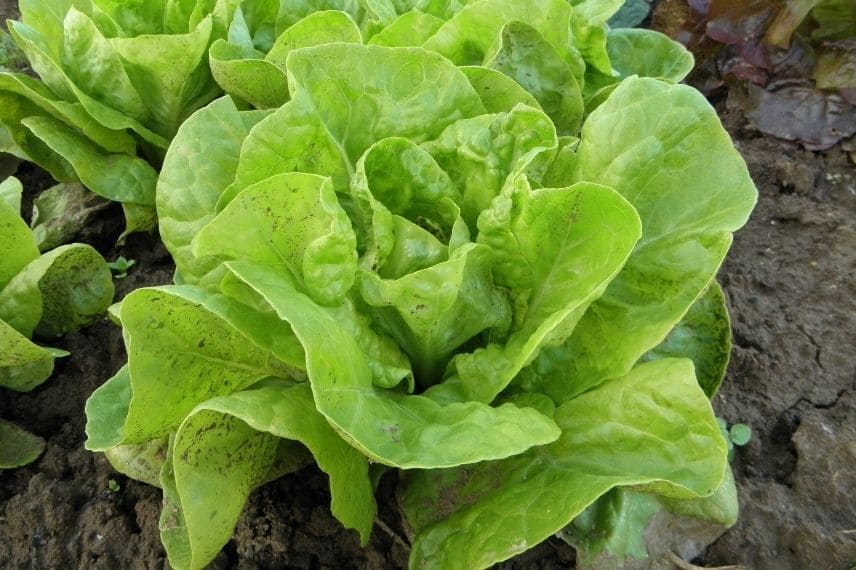
Lettuce: an efficient intercalary crop.
Lettuce can be planted between tomato plants as an intercrop. It benefits from the partial shade provided by the tomatoes, which can help protect it from direct sun, especially in summer. As a result, lettuces bolt less quickly.
The combination of tall plants (the tomatoes) and low-growing lettuces allows a more efficient use of vertical and horizontal space in the garden. This way we optimise the space available, while leaving little room for unwanted herbs.
Moreover, water evaporation under the sun is slowed by the shade of the tomatoes and the blanket bog of the lettuces (not forgetting the mulching!).
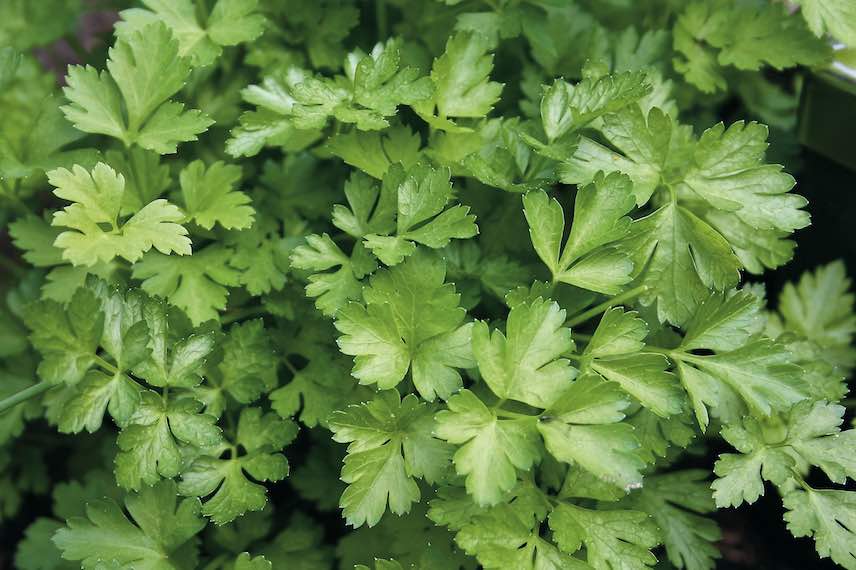
Parsley: a neighbour that attracts beneficial insects.
Another interesting herb for aroma and cooking: the parsley. It’s also an excellent companion plant for tomatoes. Parsley attracts certain beneficial insects, such as bees and butterflies, which are important for the pollination of tomatoes and other plants in the garden.
Conversely, it can help repel certain pests that affect tomatoes, thanks to its essential oils and its strong scent.
Moreover, parsley can, like basil, contribute to improving the flavour of neighbouring tomatoes. Although scientific evidence is limited, many gardeners attest to this flavour improvement.
Parsley, being a relatively small herb, will take up little space between the tomatoes, thus maximising the use of space in the garden.
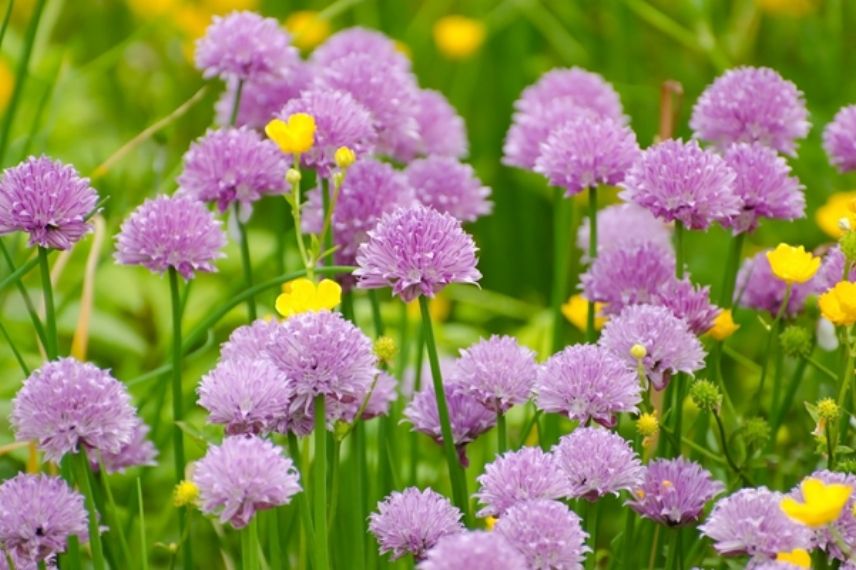
Chives: a boost to the flavour and health of tomatoes
Chives, when grown near tomatoes, can help improve their flavour according to many gardeners.
In addition, thanks to its sulphur-containing compounds, chives seem to repel certain pests, notably aphids, and even help prevent fungal diseases.
It is particularly effective against late blight, which can affect tomatoes.
Its flowers are attractive to bees and other pollinators, improving the pollination of tomatoes and other crops in the garden.
When small, it will settle among the tomato young plants and enrich the soil as it decomposes in autumn.
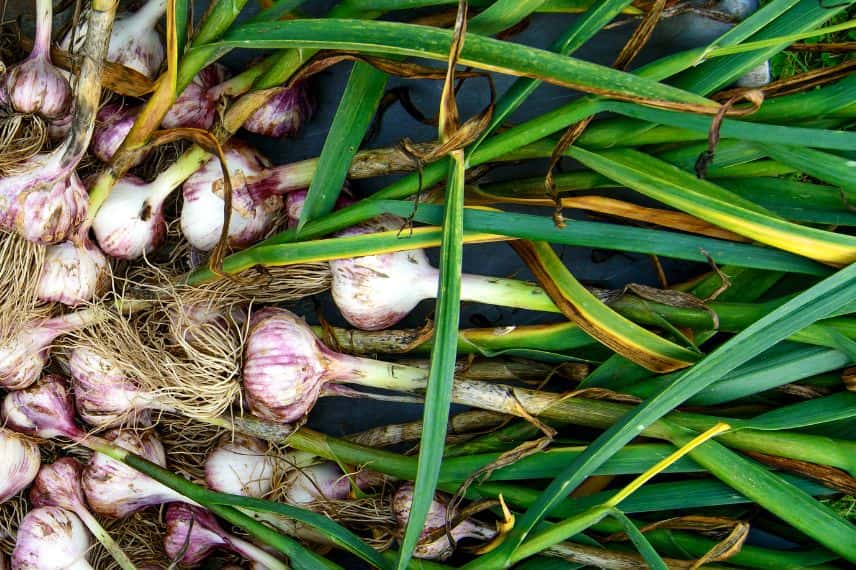
Garlic: a natural defence against diseases
Garlic is renowned for its scent! Indeed, it emits a strong odour that can repel many pests and even some small animals. It is particularly effective against aphids, cabbage worms and other parasites that can damage tomatoes.
But that’s not its only advantage. Garlic has natural antifungal properties that can help prevent the onset of diseases in tomatoes, such as the dreaded blight.
Some gardeners report that garlic can help improve the growth and vigour of tomato plants, which is likely due to its antifungal and antibacterial properties, helping to maintain the health of the vegetable patch.
Dwarf beans: allies of nutrition
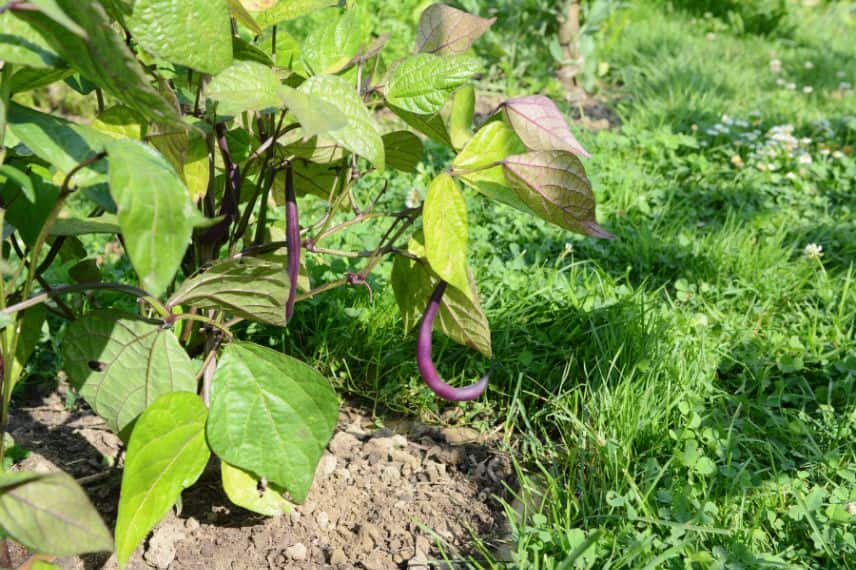
The Dwarf beans, like all legumes, have the ability to fix atmospheric nitrogen from the air into the soil through a symbiosis with Rhizobium bacteria present in their roots. That nitrogen then becomes available to the tomatoes, supporting their growth and productivity.
Additionally, the roots of dwarf beans help to aerate the soil and improve its structure, which also benefits the tomatoes by facilitating their rooting and access to nutrients.
Dwarf beans, with their compact habit, can be grown among the tomato plants, maximising the use of space in the vegetable garden, while also reducing soil moisture evaporation.
Asparagus: a long-term partnership
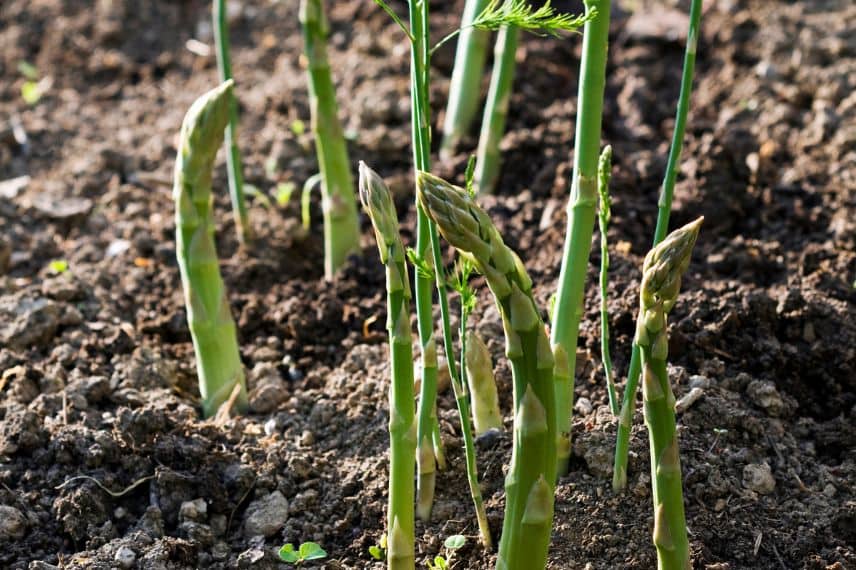
Between asparagus and tomatoes, it’s a true love story. Tomatoes repel the asparagus beetles, a common pest that affects asparagus, thanks to their volatile compounds. Conversely, asparagus repel certain pests away from tomatoes, notably nematodes, thanks to specific compounds released by their roots.
Tomatoes and asparagus are therefore healthier, promoting better growth and productivity. Additionally, with its deep root system, asparagus helps to improve soil structure by aerating it and facilitating the penetration of water and nutrients, which also benefits tomatoes.
Because asparagus is a perennial crop with a long dormancy period, and tomatoes are an annual crop, their association allows efficient use of space throughout the year. Tomatoes can be grown and harvested while asparagus are in dormancy, maximising space in the garden.
Onions: Guardians Against Pests
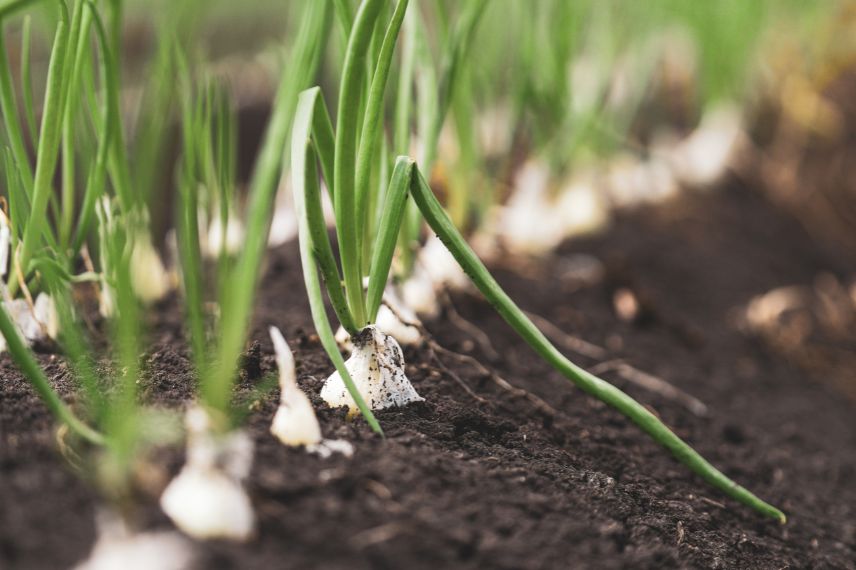
Like garlic, onions can repel many tomato pests, thanks to their strong odour, including rabbits and some insects. In addition, they help reduce the risk of infestation by nematodes and other soil parasites.
Furthermore, onions are rich in sulphur-containing compounds, which give them their characteristic pungent aroma. These sulphur-containing compounds (such as allicin) are known for their antimicrobial and fungicidal properties that can help reduce the presence of cryptogamic diseases such as downy mildew.
While taking up little space in the soil, onions are easy to interplant between tomato plants or along the edges of the vegetable patch. However, they prefer sun, so plant them in front of or between the tomatoes to avoid shading them.
- Subscribe!
- Contents

Comments