





























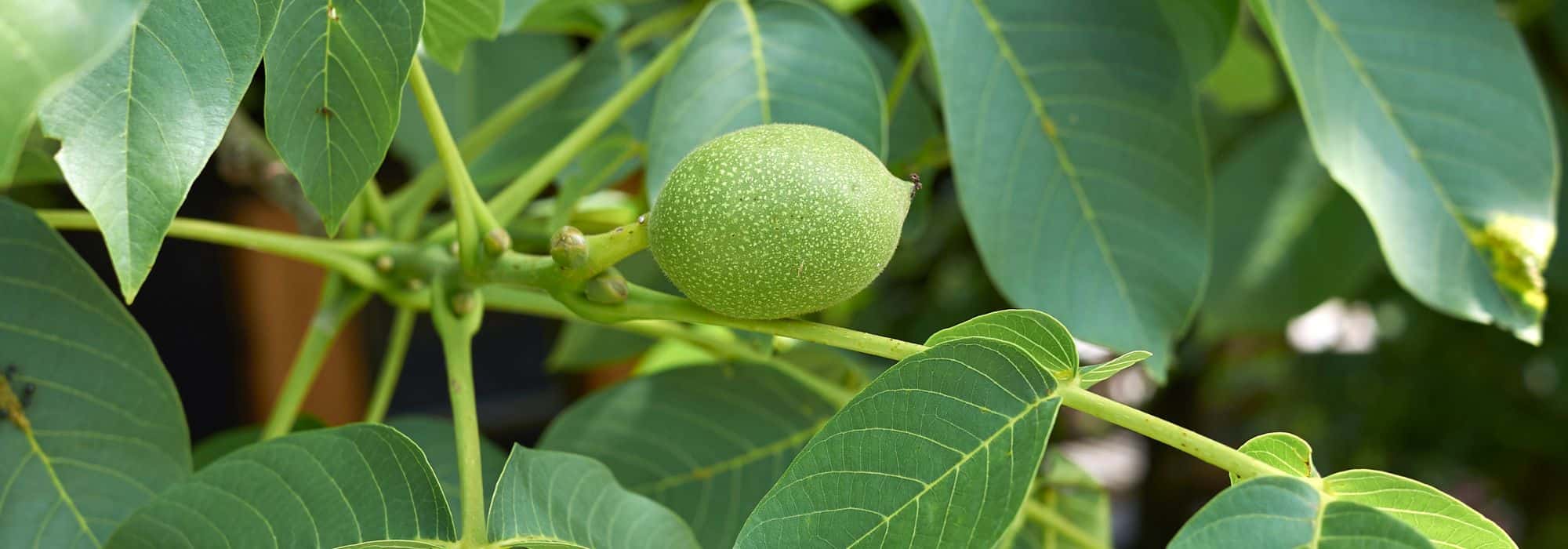
What are the diseases and pests of the walnut tree?
Identify, prevent, and treat diseases and pests of walnut trees
Contents
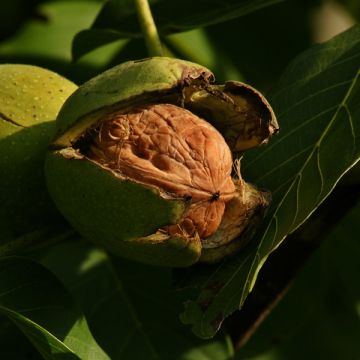
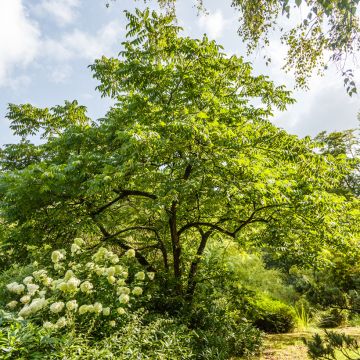
Particularly hardy and quite robust, the walnut (Juglans regia) displays its beautiful branches for many years. A tree with a majestic silhouette, the walnut delights us with its lovely walnuts after at least a decade of cultivation. With a relatively slow growth rate, the walnut is notable for its flowering in aments that pend from the branches from April to June, depending on the varieties. In autumn, the fruits reveal the seed formed of two hard shells. Although resistant to various climatic challenges, the walnut can be affected in its growth and fruiting by multiple diseases or pests. Let’s take stock of the different parasitic and disease issues affecting the walnut, along with treatments and prevention methods.

The main diseases of walnut trees
Two relatively serious diseases primarily affect the walnut tree. These are anthracnose and walnut ink disease. Difficult to treat, they can, however, be prevented with a few simple actions. Anthracnose is caused by the fungus Ophiognomona (formerly Gnomonia) leptostyla and is characterised by grey-brown to grey-black spots, surrounded by a yellowish halo, which appear on the leaves, shoots, and fruits, halting their growth and causing them to remain small. They may even become deformed. As for the leaves, they fall prematurely in July-August.
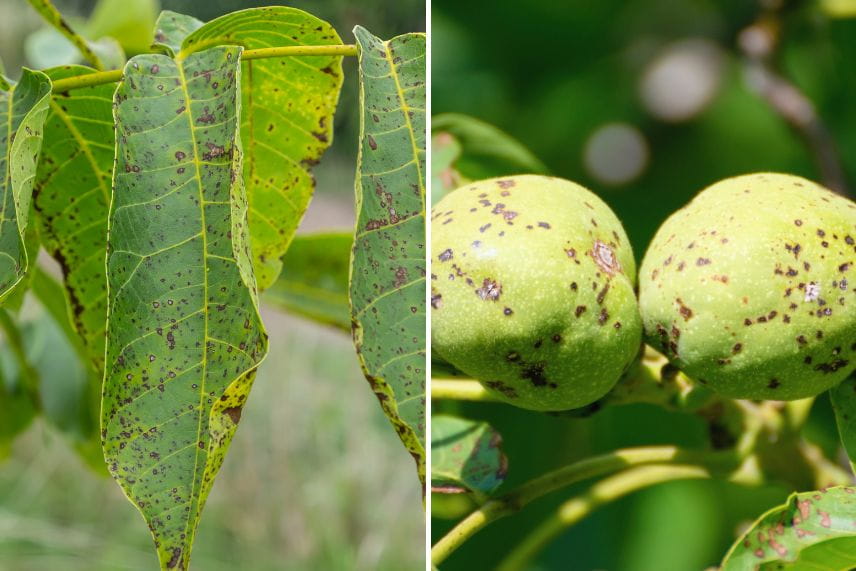
Walnut tree affected by anthracnose
As for walnut ink disease, it is a root disease caused by parasitic types such as Phytophthora cambivora, Phytophthora cinnamomi, or Phytophthora cactorum. It is noticeable by wounds affecting the base of the trunk, from which a blackish liquid resembling ink oozes. The shoots at the top and the leaves at the tips of the branches wilt and dry out.
Treatments: When these diseases are detected on the tree, it is often too late to act. You will have no choice but to cut down and destroy your tree, ensuring to remove as much soil around the tree as possible.
Prevention:
- Shred and bury leaves in autumn and clean the base of the tree of all fallen leaf or fruit debris
- Prune the trees for better air circulation in the branches using perfectly disinfected tools. Seal after pruning
- Spray Bordeaux mixture at the beginning of spring
- Water young trees with nettle manure or horsetail manure
- Avoid planting sensitive varieties in at-risk areas.
Walnut blight or bacteriosis
Walnut blight is a destructive bacterial disease caused by Xanthomonas campestris pv. juglans. Infection occurs at the beginning of the bud burst period and affects all green tissues. High humidity and the presence of rain promote the development of the disease.
It is noticeable by oil-like spots that turn dark, also surrounded by a halo, which appear on the first aments. These black lesions also develop on young walnuts and on shoots along the boles. Fruits drop prematurely and are unfit for consumption. Branches dry out. Other, more irregular lesions can be seen on the lamina of the leaves. The tree may lose its leaves.
Treatment: Spraying copper every 7 to 10 days in June and July can help reduce the incidence of the disease.
Discover other Walnut trees
View all →
Available in 2 sizes
Available in 2 sizes
Available in 2 sizes
Available in 1 sizes
Available in 2 sizes
Available in 1 sizes
Available in 1 sizes
Available in 1 sizes
Available in 1 sizes
Available in 1 sizes
Bacterial canker
This walnut disease is caused by Pseudomonas syringae. It is noticeable by the oily black spots that appear on the buds in winter. In spring, some of these buds do not break dormancy, become deformed, or give rise to wilted shoots. As for the trunks of young trees, they become dotted with necrosis accompanied by fluid exudations that develop into cankers.
The symptoms of bacterial canker closely resemble those of bacteriosis. Wet autumns and cold winters promote the appearance and development of bacterial canker, as does planting trees in acidic or stony soils.
Treatments:
- Remove the cankers as early as possible with a wire brush and properly seal the wounds with a paste
- Eliminate branches showing symptoms
Prevention: a copper-based spray should be applied to the petiole wounds in autumn.
Read also
AnthracnoseThe thousand cankers disease of walnut
This walnut canker disease is caused by a fungus, Geosmithia morbida. Identified in the United States, this disease appeared in Italy in 2013 and is spread by a wood-boring insect, the bark beetle Pityophthorus juglandis, through feeding damage and the cankers that develop around the galleries excavated by the insect. It was just identified in France in November 2022 in parks in Lyon.
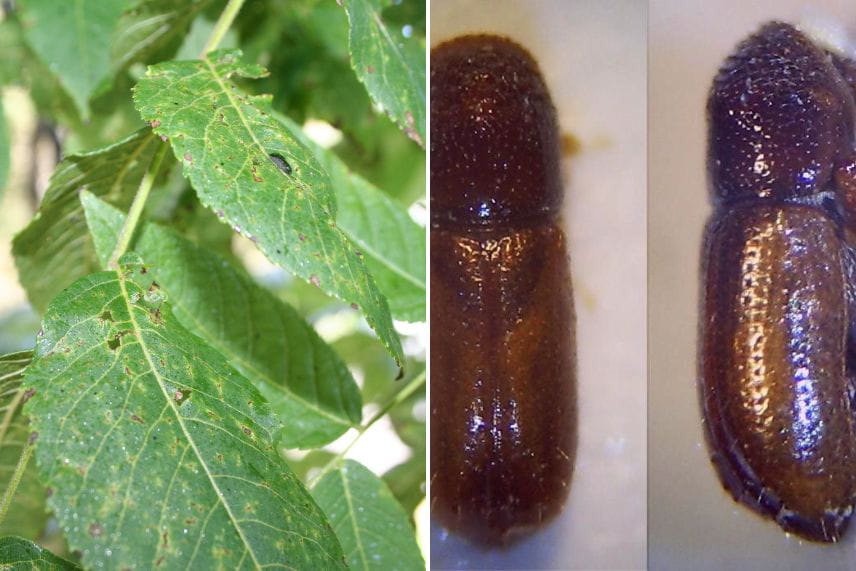
First signs of walnut canker disease, transmitted by the bark beetle Pityophthorus juglandis (©Jeffrey Beall and ©Fdcgoeul)
The disease is first detected by the yellowing and wilting of the foliage, followed by the decline of the branch. Upon examining the bark, small entry and exit holes of the bark beetles can also be seen, near which wet cankers develop. The cankers spread as the insect advances. After 3 to 4 years, the tree dies.
White blotch or walnut rot
The honey fungus is a fungus that develops beneath the bark and detaches very easily. When pulled away, the bark reveals white mycelium patches that emit a characteristic mushroom smell. Then, in autumn, clusters of orange mushrooms develop. The fungus attacks the roots and can kill the tree.
Treatments: the only way to eliminate honey fungus is to uproot the tree carefully. All roots must be removed along with the soil. Leave the hole open to allow air and sunlight to destroy the remnants of the fungus.
Prevention:
- Avoid overwatering walnut trees
- After pruning, carefully heal the wounds
- Enrich the soil with organic fertilisers
The various pests of the walnut tree
Several pests can attack the walnut tree, with varying degrees of severity:
The Codling Moth
Cydia pomonella is one of the main pests of the walnut tree. It is a butterfly whose larva, a pale pink to white caterpillar, moves through the husk and penetrates the nut. The walnuts fall before harvest.
Treatment and Prevention:
- Prune walnut trees to avoid excessive vegetation
- In October, place a sleeve on the trunk to attract the larvae and destroy it
- Encourage the presence of predators by installing birdhouses and insect hotels
- Set up pheromone traps in April and May during the adult flight period to capture males
- Spray the bacterium Bacillus thuringiensis, which is very effective against lepidopterans
Red Pear Scales and Apple Scales
The red pear scale and the comma scale are shield scales that pierce plants and suck sap. They cause stunted growth and leaf deformations, but only a severe attack can impact fruit production.
Treatments and Prevention:
- Avoid excessive nitrogen
- Encourage beneficial insects by installing insect hotels
Walnut Aphids
Different aphids can attack the walnut tree: Chomaphis juglandicola is light yellow and Panaphis juglandis, also yellow, is larger in size. They are mainly present in July and August and weaken the tree by sucking the sap from the tissues. Aphids promote the appearance of sooty mould. The nuts can be affected.
Treatment and Prevention:
- Encourage beneficial fauna
- Use a biological insecticide in case of a severe attack
The Walnut Mite
This is a small mite (Aceria erinea) that pierces the undersides of leaves. These punctures cause blisters that turn into galls on the upper side of the leaves. The leaves yellow and fall.
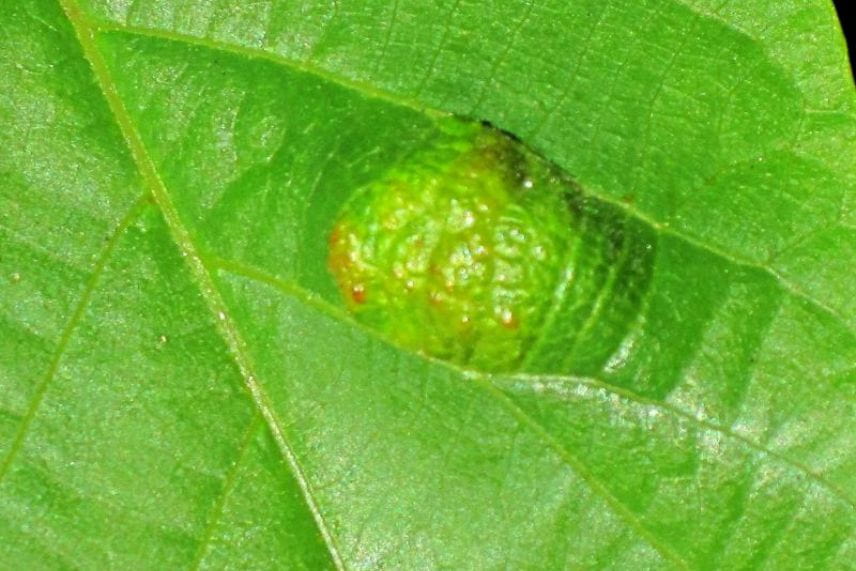
©Bj. Schoenmakers
Treatment and Prevention:
- Remove hypertrophied or deformed buds in winter
- Apply a sulphur treatment in spring
- Avoid nutritional imbalances and fertilise judiciously
The Husk Fly
Rhagotelis completa is a very harmful fly that can destroy a year’s production. These flies can be recognised by the yellow spot on the thorax. Adults emerge from the ground from early July to late August, and females lay about fifteen eggs per husk. The larvae hatch and feed on the walnut husk.
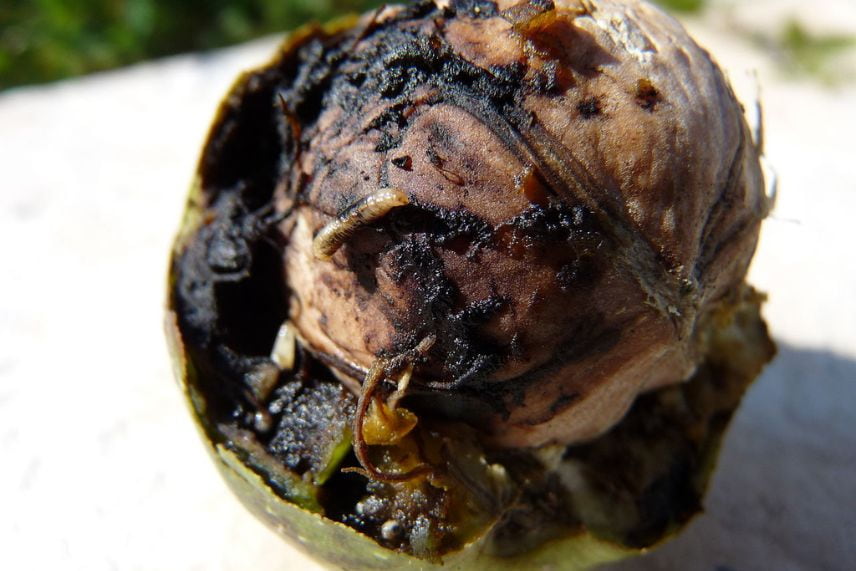
©Walpole
Treatment and Prevention:
- Trapping adults with an ammoniacal attractant helps to monitor flights
- Spray a bio treatment based on talc that creates a mineral barrier on the nuts
The Xylophagous Beetle
This is a wood-boring beetle that burrows galleries in the trunk and branches of the walnut tree. Older trees dry out suddenly, while younger ones may die.
Treatment and Prevention:
- Destroy attacked branches
- Provide balanced fertilisation at the base of walnut trees to increase their resistance
- Install pheromone traps
- Subscribe!
- Contents
Comments