





























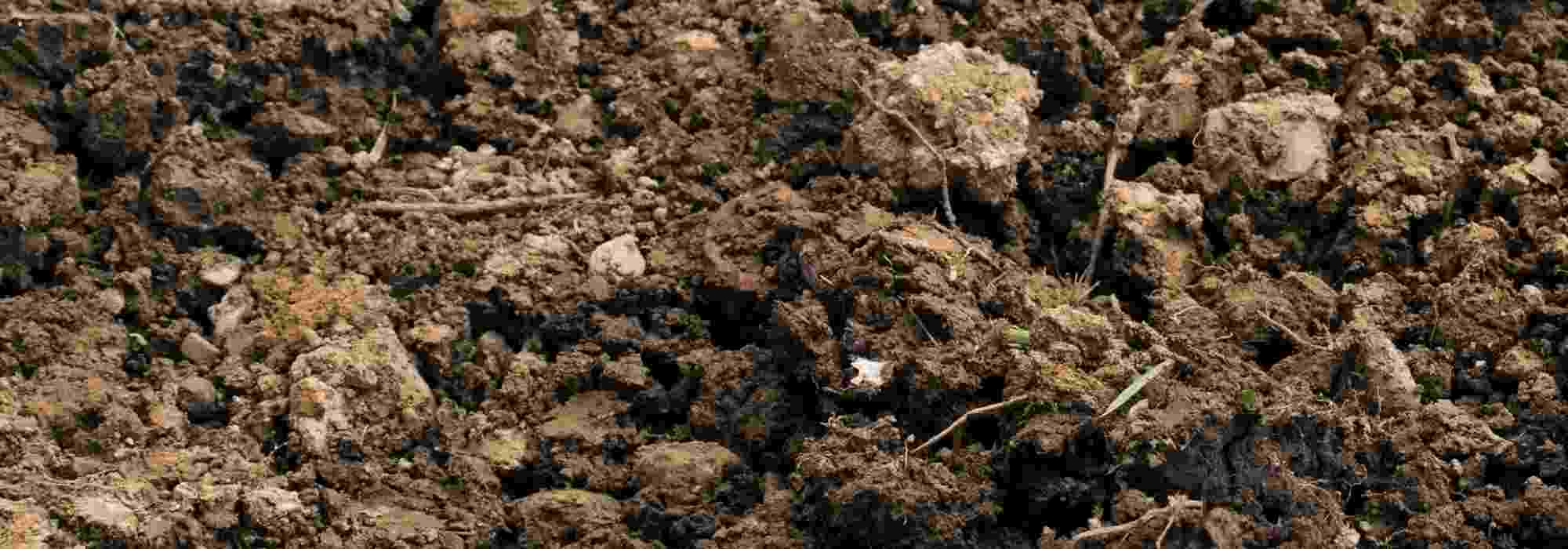
What is a limestone soil?
All you need to know about calcareous clay soil: definition, identification, suitable plants and maintenance tips
Contents
Clay-limestone soil is a soil type characterised by a combination of clay particles and limestone, offering a heavy and compact texture and an alkaline pH. This soil occurs in various regions (Burgundy, Champagne, Condroz…), where it directly influences how plants grow. How can this type of soil be improved? Is it possible to grow your vegetable garden or a beautiful ornamental garden there? How can I tell if my soil is clay-limestone?
Discover our tips and advice to help you make the most of this soil, not always easy to grasp.

What is clay-limestone soil?
Composition of calcareous clay soil
Calcareous clay soil is a type of soil that combines characteristics of clayey soils and calcareous soils. It is distinguished by a significant proportion of clay, typically exceeding 25%, and often high calcium carbonate content. This specific composition strongly influences the physical and chemical properties of the soil.
Clay is a very fine particle that, when present in large quantities, gives the soil a heavy, compact texture. Calcareous matter, on the other hand, is mainly composed of calcium carbonate (CaCO₃) and provides the soil with natural alkalinity: the soil is therefore alkaline.
Physical properties: texture, drainage, nutrient retention capacity
The calcareous clay soil has a heavy, sticky texture, especially when wet, due to the high clay content. This characteristic makes the soil difficult to work with, particularly during rainy periods, as it tends to compact easily, which can limit air and water movement in the soil.
Drainage in a calcareous clay soil is often mediocre. Clay, with its fine particles, retains water effectively, but this can also lead to waterlogging and poor aeration. When this type of soil is poorly drained, it can become suffocating for plant roots, thus limiting their development. However, this water retention can also be an advantage during dry periods, as the calcareous clay soil retains moisture longer than other soil types.
Chemical characteristics
The calcareous clay soil is characterised by a pH above 7, due to the presence of calcareous material. This alkaline pH influences the availability of nutrients for plants. In a very calcareous soil, some essential nutrients, such as iron, manganese, zinc and phosphorus, become less soluble and thus less available to plants, which can lead to visible nutritional deficiencies, such as iron chlorosis (iron chlorosis).
On the other hand, calcium, abundant in these soils, is readily available, which can be beneficial for certain crops that have high calcium needs, such as cabbages or most fruit trees.
Note that a high pH can also influence the composition of the soil microflora, favouring organisms that thrive in alkaline conditions, which in turn can affect decomposition processes and the release of nutrients in the soil.
Impact of local geology on the formation of calcareous clay soils
The formation of calcareous clay soils is closely linked to local geology. These soils formed mainly from ancient marine sedimentary deposits, where the calcareous material accumulated as thick sedimentary layers. Over millennia, erosion and geological processes have fragmented these limestone layers, mixing the fine clay particles derived from the weathering of metamorphic or volcanic rocks.
In France, the major limestone formations of the Jurassic and Cretaceous, found in regions such as Burgundy, Champagne and the Paris Basin, have been shaped by erosion and sedimentation, creating soils rich in calcareous materials.
In Belgium, the southern geology is marked by Paleozoic limestone rocks, which were overlaid by clay deposits over time. The calcareous clay soils that result developed in environments where tectonic movements facilitated the resurfacing of calcareous layers.
These complex geological processes gave rise to soils that, although often difficult to work due to their compactness, are extremely fertile and suited to a wide range of crops, notably vines, cereals and fodder crops. Calcareous clay soils thus bear witness to the rich and varied geological history of France and Belgium, and play a crucial role in agriculture and viticulture of these countries.
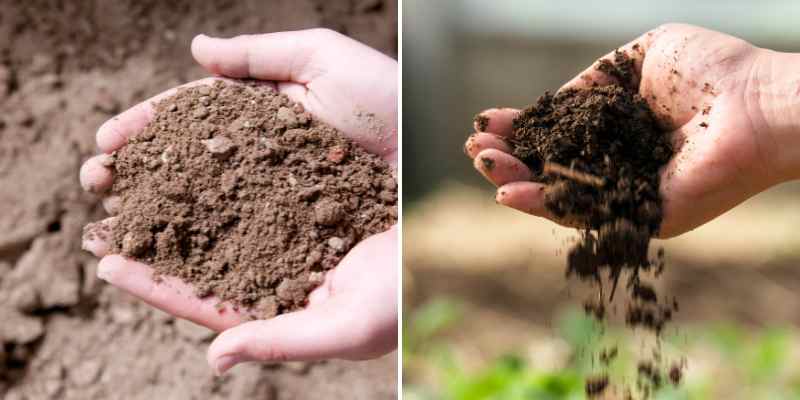
On the left a calcareous clay soil, on the right a black soil rich in humus.
Read also
10 trees for heavy, wet soilHow do you recognise a calcareous clay soil?
Simple tests to identify a clay-limestone soil
- Touch test: take a handful of damp soil and rub it between your fingers. If the soil is clayey, it will feel sticky and smooth. When slightly dry, the soil will form hard lumps that are difficult to break by hand.
- Vinegar test: collect a small amount of dry soil and place it in a container. Add a few drops of white vinegar onto the soil. If you observe a fizzing reaction, this indicates that the soil contains calcium carbonate, a typical component of calcareous soils. This reaction occurs because the vinegar, being acidic, reacts with calcium carbonate, producing carbon dioxide in the form of bubbles.
Observations of distinctive signs in the garden
- Presence of indicator plants: indicator plants naturally thrive better in clay-limestone soils, and their presence in your garden can be a reliable indicator. This includes hawthorns, boxwood, hornbeam, black elder, ivy, common hazel, and dog roses.
- Soil colour: calcareous soils are often pale in colour, ranging from beige to light brown, due to the presence of calcium carbonate. However, the content of organic matter or iron can influence this colour, but generally calcareous soils look paler than soils rich in humus.
- Soil compaction: clay-limestone soils compact easily, especially after rain or heavy watering. This shows as a hard, cracked surface as the soil dries, which limits water penetration and aeration. You can observe this phenomenon by walking on the damp soil: if it leaves a deep, sticky imprint, then hardens as it dries, it’s a sign that the soil is clay-limestone.
Oliver’s little note: Nothing beats a proper soil test in a laboratory! If you wish to know exactly the composition of your soil, sending a soil sample to a soil laboratory is the best solution. The experts there will provide you with a detailed report on your soil’s composition, any deficiencies or issues, and advice on how to improve it. For this, you can go through Promesse de Fleurs: professional soil analysis.
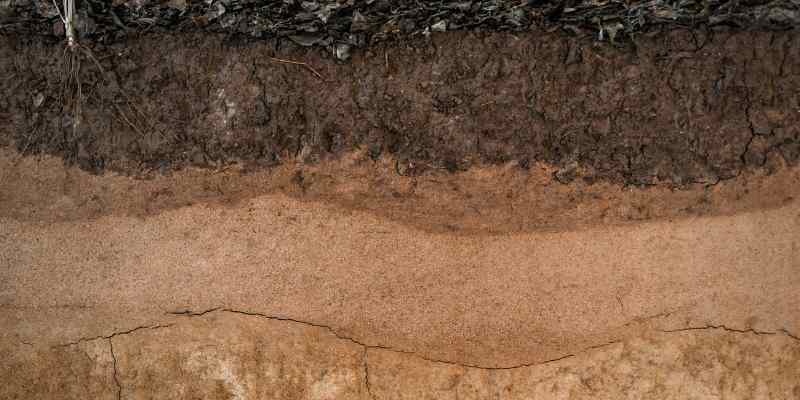
The subsoil layers shown here reveal a light-coloured soil with a tendency towards clay-limestone.
Where are the areas in France and Belgium with calcareous clay soil?
In France, clay-limestone soils are widespread across several regions. Here are the main ones:
- Burgundy: Burgundy is renowned for its clay-limestone soils, which are particularly well suited to wine-growing. The vineyards of Burgundy, such as those in the Côte de Nuits and the Côte de Beaune, sit on soils rich in limestone, combined with a high proportion of clay.
- Champagne: The Champagne region is also characterised by clay-limestone soils. Here too, the limestone subsoil plays a crucial role in ensuring good drainage while retaining the moisture needed by the vines.
- Paris Basin: A large part of the Paris Basin, notably in Île-de-France and Picardy, consists of clay-limestone soils. These soils originate from sedimentary deposits dating to the Jurassic and Cretaceous periods, where limestone is predominant. The soil in this region is often heavy and compact, yet rich in nutrients, making it well suited to agriculture, especially cereals.
- Loire Valley: Some areas of the Loire Valley, such as the Saumur and Vouvray appellations, sit on clay-limestone soils. These soils, together with a temperate climate, allow the cultivation of vines that produce white wines renowned for their balance and complexity.
In Belgium, clay-limestone soils are found mainly in the southern regions (Wallonia):
- Condroz and Fagne-Famenne : These southern regions of Belgium are characterised by clay-limestone soils resulting from the breakdown of ancient limestone formations. Condroz, in particular, is an agricultural region where these soils are used for cereals and sugar beet production.
- Pays de Herve : This region, located to the east of Belgium, is known for its verdant meadows and its rolling countryside. The clay-limestone soil of this region is particularly well suited to dairy farming and milk production, which explains the fame of local cheeses, such as Herve cheese.
- Plateau du Hainaut : Another notable area is the Hainaut Plateau, straddling the Franco-Belgian border, where clay-limestone soils are fairly common. This region is widely used for intensive agriculture, notably cereals and sugar beet.
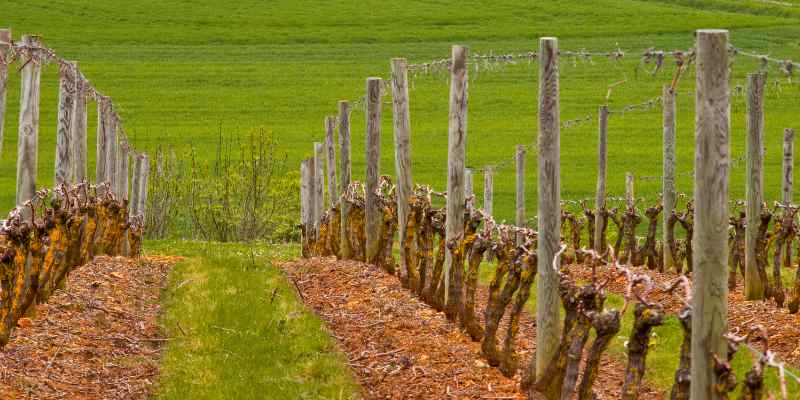
Vineyard at Turquant, in the Anjou-Touraine Regional Park.
Read also
10 perennial plants for calcareous soilWhich plants for a calcareous clay soil?
Many gardeners fear either heavy, clay soils or calcareous soils. So what about when you combine the two? Don’t worry — there are plenty of plants that thrive in this type of soil. Here is a non-exhaustive list:
- Trees and shrubs : Cotinus, hawthorns, Hibiscus syriacus, elders, holly, boxwood, privets, common lilac, buddleja, mock orange… and roses.
- Climbers : ivy, honeysuckle, hops…
- Perennials : comfrey, periwinkle, acanthus, garden valerian, knotweed, asters, hardy geraniums, bergenia…
- Bulbous plants : ramsons, crocus, daffodil, iris, snowdrops, muscari…
- Annuals : cosmos, cosmos, nasturtium, poppy…
- Vegetables : cabbages, chard, beetroot, parsnips, goosefoot, chicory…
- Fruit trees : grapevines, fig trees, apple tree, thornless blackberry, raspberry, cherry trees, gooseberries, walnut trees…
Note: clay-limestone soils are unusual and have unique characteristics. That’s why some plants love these soils, while almost all others will hate them. It’s one or the other: it works or it doesn’t! Never hesitate to check the soil requirements of your future acquisitions. The Plantfit app will help you in your choices.
Read also: What to plant in a clay-limestone soil? Advice and suitable plants.
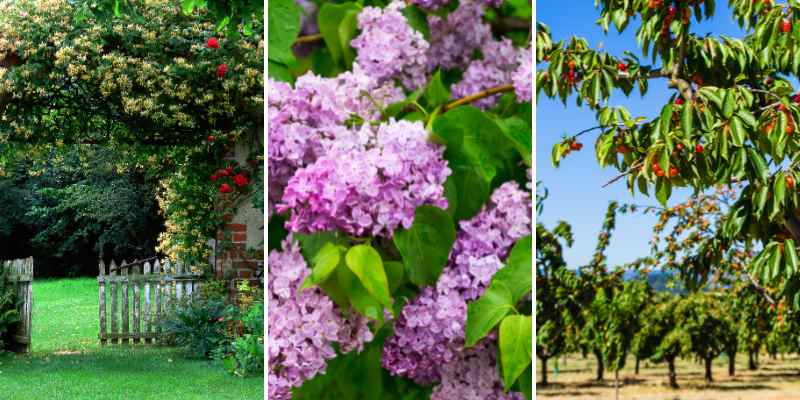
Roses, honeysuckles, lilacs and cherry trees are among the plants that thrive in clay-limestone soils.
How to maintain and improve calcareous clay soil?
Clay-limestone soils pose drainage and compaction problems, making soil difficult to work and limiting root expansion. Their high pH can cause deficiencies in essential nutrients for plants, especially in vegetable gardens. These soils can also form hard crusts on the surface, hindering seed germination. However, improving soil structure with amendments and choosing appropriate crops can mitigate these drawbacks.
- Aeration: clay soils compact strongly, and plant roots risk suffocation. Working your soil with a spading fork or a biofork enables gentle loosening without mixing soil layers;
- Constant addition of organic matter: surface compost, manure at planting, or simply leaving fallen leaves at plant bases will significantly improve texture of clay soils;
- Watering: if soil is particularly prone to water retention, installing drainage systems, such as underground drains, may be necessary to maintain a good water balance. That said, a regular addition of compost will already greatly contribute to soil drainage;
- Mulching: in addition to keeping moisture and regulating soil temperature, organic mulching, such as fallen leaves or straw, decomposes slowly, enriching soil with organic matter.
Oli’s little note: to improve clay-limestone soil, best advice would be… to let nature take its course (while giving it a little nudge nonetheless). Fallen leaves are perfect for adding humus to the soil’s top layer. Longer, but even more effective, a layer of RCW can, after two years (sometimes longer), move soil toward a texture similar to a forest floor. Finally, the more you plant, the more roots will aerate soil, gradually making it lighter and more fertile. In the vegetable garden, it’s difficult to grow a wide range of vegetables in clay-limestone soil; consider a container garden.
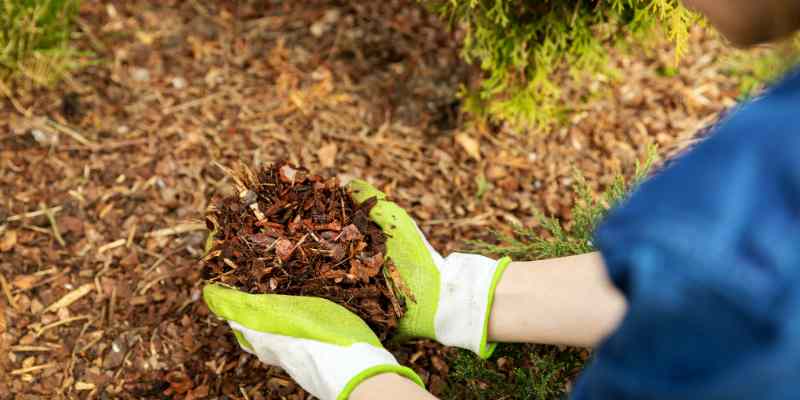
Add plenty of fallen leaves, RCW or compost to soil to enrich it.
- Subscribe!
- Contents
Comments