





























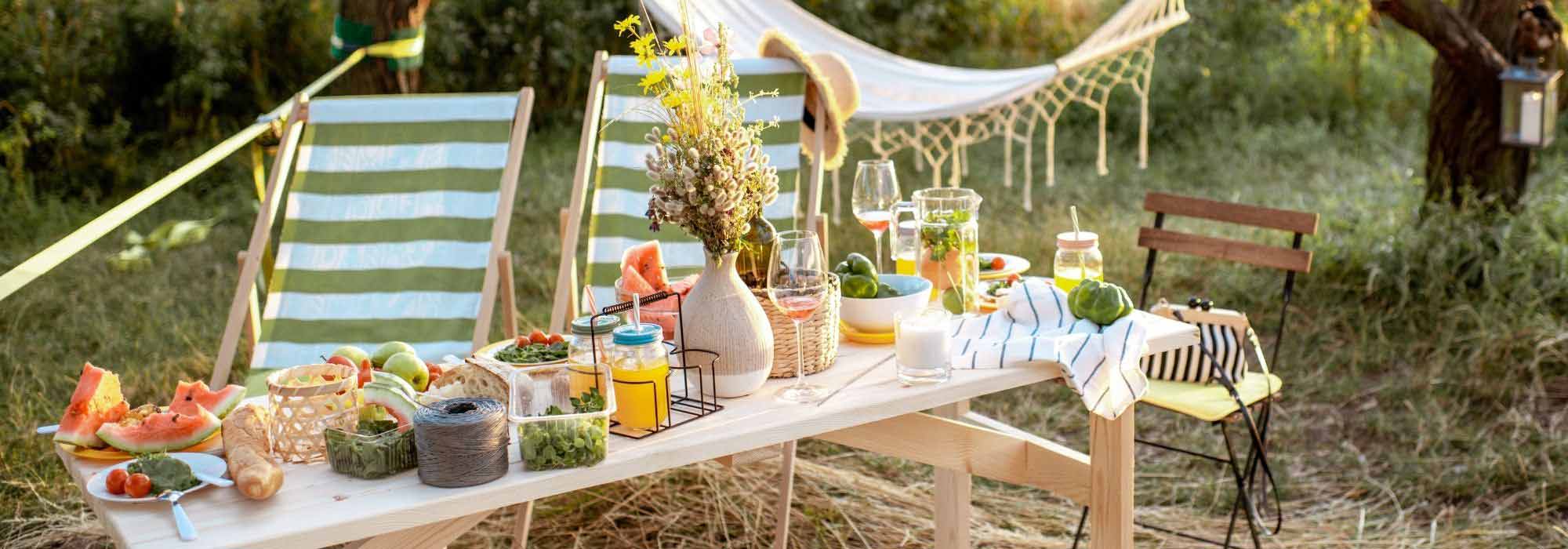
What to do in the garden in July?
lazy days... but not just that!
Contents
In the bright light of July, flowering bursts with colour and contrasts with the density of foliage. The garden is at its peak, from the balcony to the terrace, from the vegetable garden to the flower beds. Under the scorching sun, the hour seems to call for a pause: harvesting early in the morning, watering in the evening, simply enjoying the spectacle. Yet, behind this apparent calm, summer imposes its own urgencies.
Sweltering heat, persistent drought, destructive storms, or fire risks: the increasingly extreme summer weather can take a toll on both the garden and the gardener. To maintain a vibrant, resilient, and pleasant space, a few simple actions are enough. Shade sensitive young plants, apply generous mulch, hoe just before watering, or prepare the ground for future water-wise plantings… Particularly in the south, clearing remains essential during this high-risk period. Thus, July is not just a month of contemplation: it also invites anticipation and adaptation of practices.

On the side of trees, shrubs, and fruit plants
Ornamental Trees and Conifers
- Continue to water generously, but at intervals, the trees and conifers that have been newly planted, ensuring to reform the watering basins at the base
Fruit Trees and Berries
- Plum and cherry trees can suffer significant aphid attacks. Ants tend to them to harvest the honeydew excreted by the aphids, install protective collars on the trunks
- It’s harvest time for fruits… provided you outsmart the birds! Get creative and make pies, fruit salads, or cold soups
- Harvest cherries, but avoid breaking the shoots that bear them, as these will be the ones laden with fruit next year
- The berries adorned by certain bushes are edible. So remember to harvest those from Berberis koreana ‘Red Tears’, goumi (Eleagnus multiflora), Aronia, or Amelanchiers (Amelanchier lamarckii): you’ll discover new flavours with your family!
- Continue the green pruning on peaches, pears, and apples, especially on espaliers and thin out the excess fruit
- Collect fallen fruits from the ground to use in compotes
- Prune non-repeat flowering raspberries
→ Are your harvests generous? Follow our tips and ideas for making dried fruits!
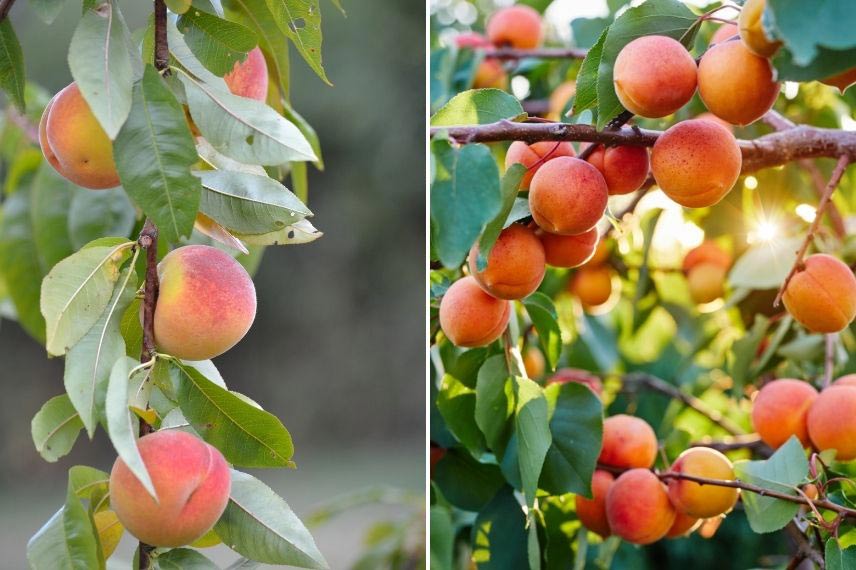 It’s time to harvest summer fruits!
Shrubs
- Cut back the branches of deflowered species and take the opportunity to give them a harmonious shape by clearing the centre
- In July, prune the following shrubs: Calycanthus, Ceanothus (arboreus, impressus, prostratus, thyrsiflorus), Cornus (florida, kousa), Deutzia, Bohème Olive, Philadelphus, Spiraea (nipponica, vanhouttei), Viburnum (opulus, plicatum), and Weigela. Any questions about this July pruning? Feel free to check our article on pruning spring-flowering shrubs
- The mid-summer is the ideal time for semi-woody cuttings. Many shrubs can be propagated this way. Find Alexandra’s advice in the advice sheet “Propagation by Cuttings: Everything You Need to Know About Different Techniques and Our Advice“
Hedges
- Continue to water the newly planted hedge shrubs if they show signs of water stress. Water generously and at intervals to encourage the roots to grow downwards
- Trim the hedges slightly, especially the photinias, so that the new shoots redden in September.
Perennials, bulbs, climbing plants and succulents
Water is a precious resource: wait until your plants demand water before watering them! You will do it less often and will identify the most drought-tolerant plants to favour in your future plantings. Hoe before watering and mulch afterwards, and you will water even less!
Perennial Plants
- Enjoy a lovely morning picking flowers from the garden (sage, lavender, roses…), not forgetting wildflowers. You can create beautiful bouquets or dry them upside down in a dark, airy room.
- Prune lavenders after flowering. Sage, santolina, and rosemary will also appreciate this summer pruning, as will cistus and helianthemums. Pruning early on perennials and shrubs sensitive to cold allows young shoots to harden before winter, increasing their chances of survival.
- To make an iris bed bloom or re-bloom, you need to divide the rhizomes approximately every 3-4 years. The best time is between July and October, depending on the region. Gently lift the rhizomes with a fork, removing the oldest ones. Cut and keep 10 cm of healthy rhizomes and trim the leaves by half.
- Support asters, delphiniums, and dahlias discreetly before they flop.
- Like shrubs, mid-summer is ideal for semi-woody cuttings. Many perennials can also be propagated this way.
Bulbs
- Autumn bulbs are planted in summer, between mid-July and the end of August, during their dormant period to start growing with the first autumn rains: think of autumn crocuses, colchicums, Cyclamens from Naples, or Nerines.
Climbing Plants
The growth of climbing plants accelerates with the long days of July: regularly check their support. Fast-growing perennial and annual climbers, such as sweet peas or ipomoeas, happily intertwine with bushy climbers.
Succulents
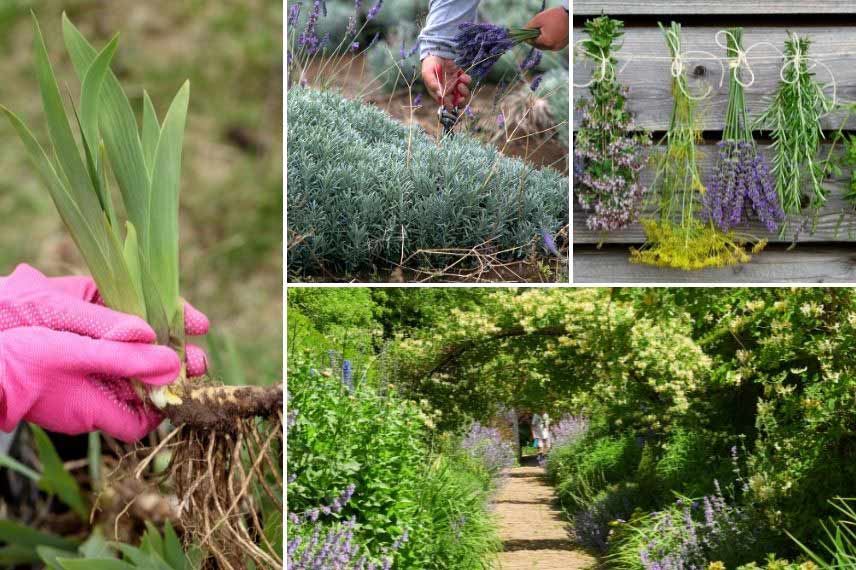
Divide the irises and prune the lavender; it’s the perfect time to create beautiful dried bouquets. Enjoy the summer abundance to rediscover your garden every day!
Roses
Summer wouldn’t be summer without roses in the garden, with their beauty and fragrance.
- Continue to remove faded flowers, to tie up climbing roses as they grow, and to monitor for the appearance of black spots and/or aphids
- In case of drought, water the roses at the base, ensuring not to wet their foliage
- Prune non-repeat flowering roses by cutting the secondary stems back by a third of their length
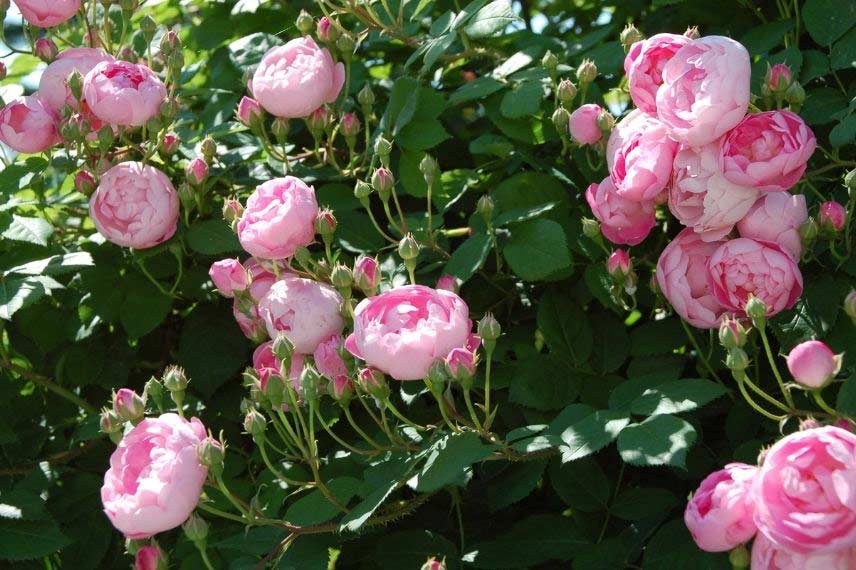
The joy of seeing and smelling blooming roses in the garden
Annuals and potted plants
- Take cuttings from papyrus upside down in water
- Sow hollyhocks for next year. You will plant them in your borders next spring. Avoid planting hollyhocks in the same spot for several years to prevent rust on the foliage.
- Support the flowering of potted plants and containers by removing faded flowers as they appear: you will notice a real difference!
- Water regularly and provide fertiliser for your pots, containers, hanging baskets, and potted plants. Scrape the soil to remove the crust.
- Finish sowing biennials either directly in the ground or in pots, such as Sweet William, wallflowers, pansies, or forget-me-nots.
- Watch for attacks from aphids, whiteflies, including on houseplants.
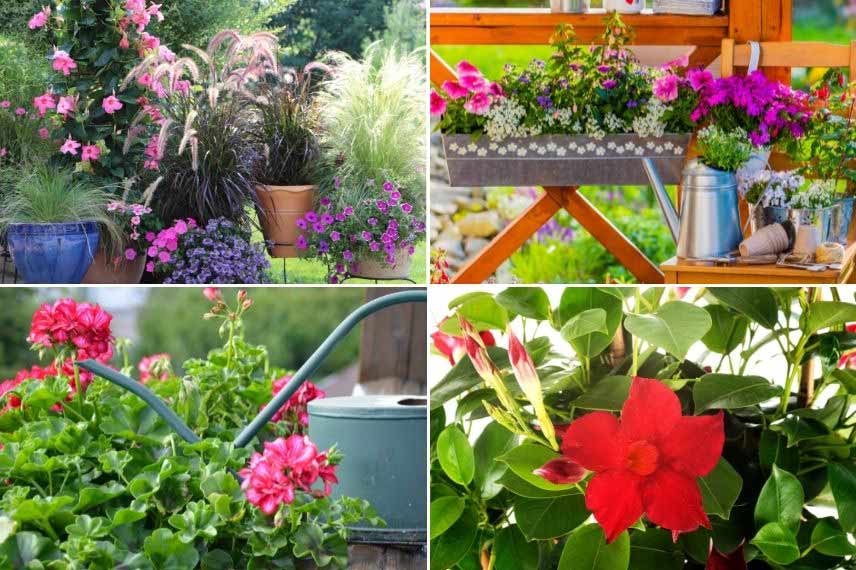
The lovingly prepared pots reward you with their blooms: don’t forget to pamper them by watering regularly.
In the vegetable garden
In July, it’s harvest time in the vegetable garden! This is the perfect moment to try making vegetable crisps by following Pascale’s recipe. It’s also the time to sow your autumn and winter vegetables.
Vegetables to plant in July, sowing and tasks to do
- Cabbages (broccoli, cauliflower, kohlrabi, Chinese cabbages), leeks, celery… July is also a prime time to prepare the vegetables that will fill the autumn and winter baskets.
- Continue sowing seasonal salads to stagger the harvests.
- It is still possible to sow courgettes at the beginning of the month.
- Watch out for “black bottom” on tomatoes: this condition is often caused by excessive and irregular watering. Affected fruits are still edible; just cut away the damaged part.
- If you prune the suckers from your tomato plants, turn them into a repellent and fertilising manure! Follow the advice in our tutorial How to make tomato leaf spray?
- Cut chives down to the ground.
- Harvest garlic and let it dry for a few days on the soil before hanging it in the shade. Shallots are also ready to be pulled up.
- Harvest all vegetables, weed and hoe potatoes, beans, and leeks.
- After the rain (if it rains!), rake between the rows of vegetables.
- Sow peas and green beans for September harvests.
- For strawberries: keep the soil cool with regular watering during flowering and fruiting, especially in hot weather. This watering will also help them produce runners.
- Multiply strawberries: as soon as roots appear at the base of young runners, separate them from the mother plants with pruning shears. Replant the rosettes immediately to expand your crop or to share!
- Pull up potatoes planted around 25 April.
- There is still time to sow early half-long carrots.
- Cut the stems of melons to 3 leaves after the fruit when it is the size of a hazelnut, keeping only 5 to 6 fruits per plant. For watering, leave a dry area of about thirty centimetres around the plants to avoid canker.
- Harvest rhubarb and make delicious jams for the coming months: Ingrid shares the secrets of her rhubarb jam recipe.
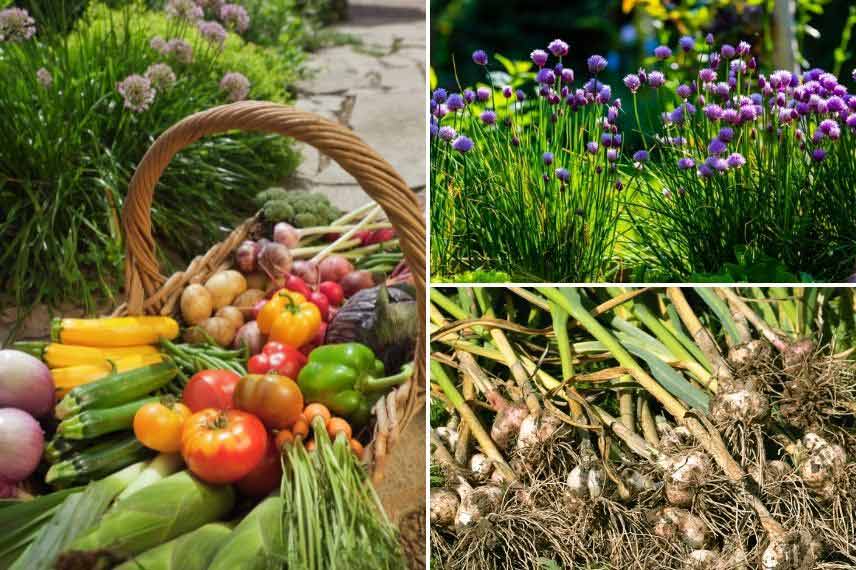
Harvest time is in full swing in the vegetable garden in July.
Lawn and various works
Lawn and Flower Meadows
- Do not mow the lawn too short when it is hot and dry to prevent the herb from scorching (or less): raise the cutting height by two notches and mow with a sharp blade.
- Do not waste water and let your lawn turn yellow; it will green up again with the first rains.
In the Ornamental Garden
- Install Oyas and consider an automatic watering system if you are going on holiday. There are different systems: we explain everything in our advice sheet Automatic Watering: the Different Systems, Which One to Choose?

- Subscribe!
- Contents

Comments