


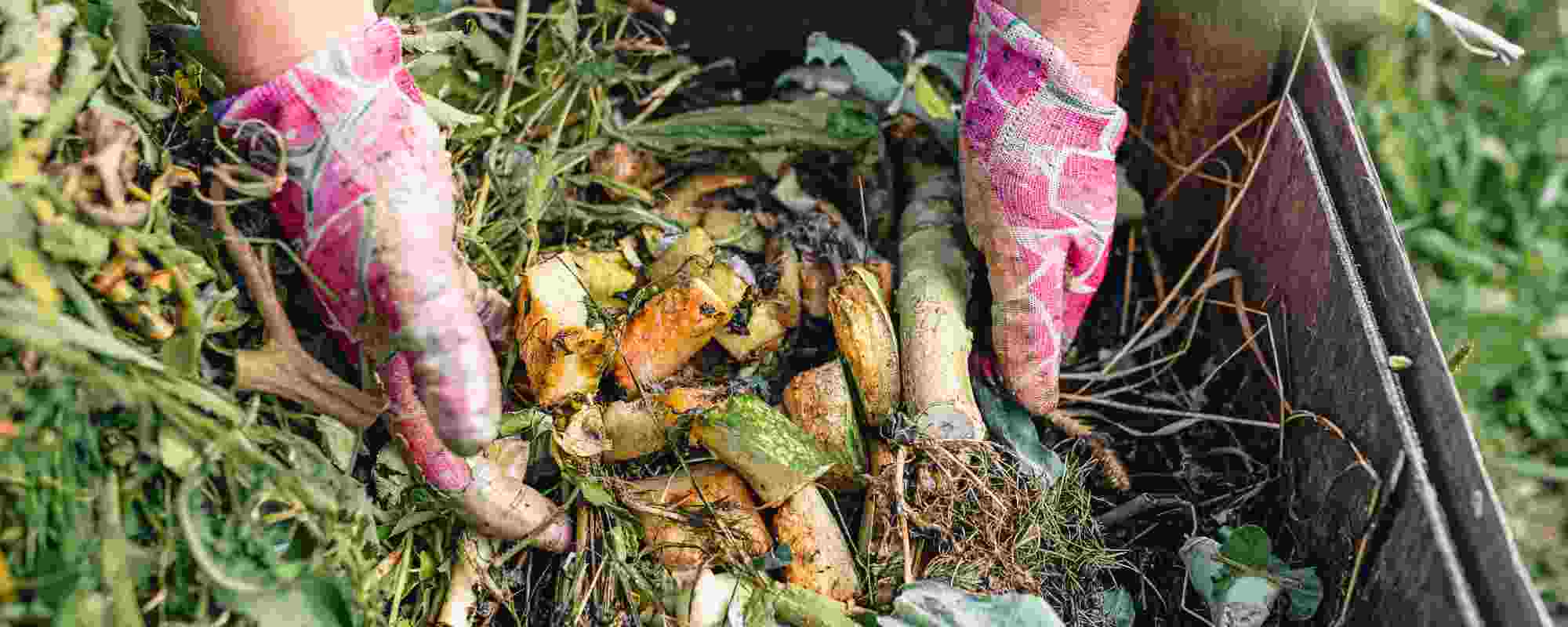
What waste should not go into the compost?
Some organic waste has no place in the compost bin
Contents
Today, food waste accounts for a third of waste thrown away and sent to landfill or incinerated. A real waste, given that such waste can be valorised. Indeed, they can be a rich source of organic matter to nourish the soils. Moreover, since 1 January 2024, composting of organic waste has been obligatory in metropolitan areas that have been able to implement it or can do so. Thus, many municipalities are rolling out measures to promote this valorisation through installing communal composters in public spaces, or distributing individual composters to those who have a garden. Free distribution or purchase grants enable everyone to equip themselves with a compost bin. That may be you and you are taking up composting.
Rightfully, when you start composting, you may have questions about which waste to include. And especially about kitchen or garden waste that should not be put into the compost for fear of upsetting or distorting the decomposition.
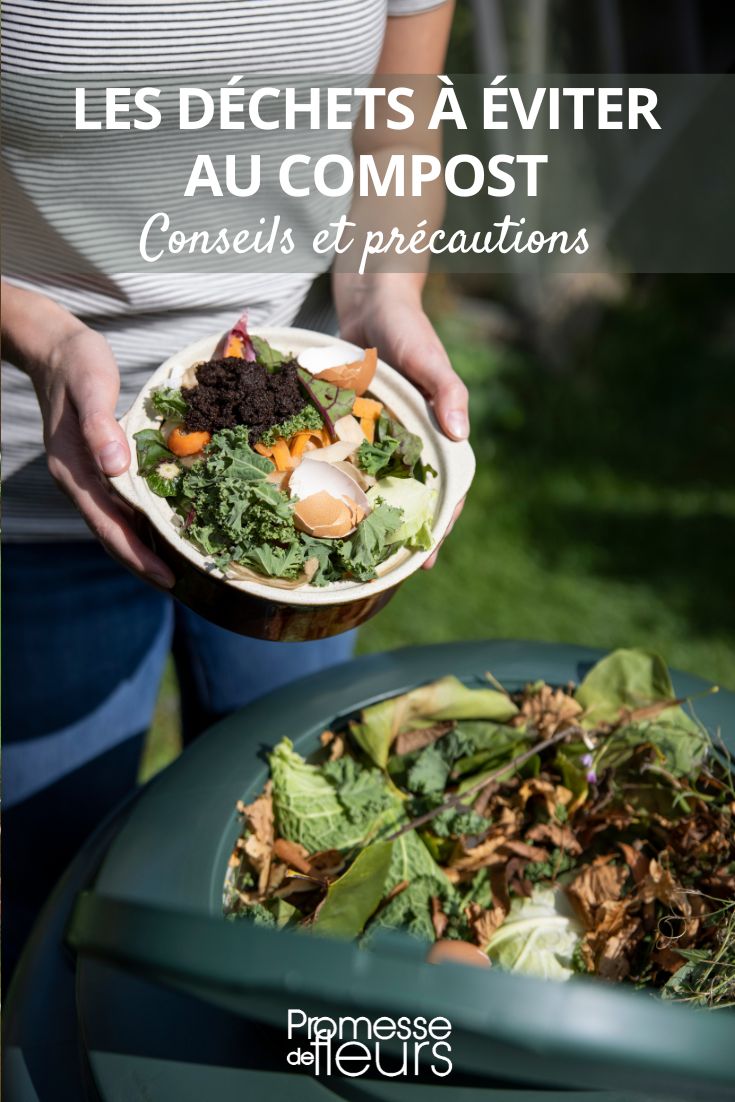
Let’s take stock of non-compostable waste that should not end up in your compost bin.

What exactly is composting?
Composting is an organic degradation process carried out by soil micro-organisms. In summary, plant-based or food waste decomposes thanks to the work of the soil micro-organisms, namely bacteria, fungi, but also a microfauna comprising mites, earthworms, insects… In a sense, compost workers who chop up, mix and digest the waste. The activity of these organisms generates heat of around 60 °C under optimal conditions!
After a few months of decomposition, the organic waste becomes compost, a material comparable to a high-quality potting soil that can be mixed into the soil.
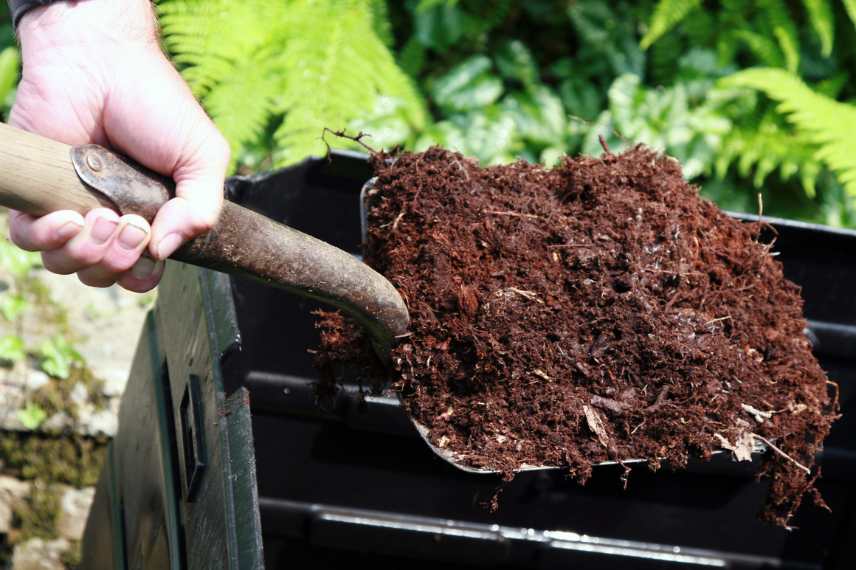
Compost, a material comparable to a high-quality potting soil that can be mixed into the soil.
That said, the most reluctant may legitimately wonder about the benefits of composting, believing it is easier to put everything in the bin. On that score, it’s hard to argue with them since it’s true that composting requires a little time, a bit of energy and a little effort. But very little compared with what you stand to gain for yourself and for the environment:
- You produce high-quality, natural and free compost, beneficial for flowers in the borders, houseplants, the vegetable garden, hedge bushes…
- You save money on buying fertilisers, mulch or irrigation water, and even on household waste collection charged by weight in some municipalities.
- You save time by reducing garden maintenance and cutting trips to the tip.
- Rubbish bags are considerably lighter, and therefore easier to carry. They also do not emit unpleasant odours.
- You give back to nature what you borrow.
- You reduce the volume of household waste sent to landfill or incinerated.
- You help preserve certain habitats such as turf moors.
- You reduce greenhouse gas emissions by avoiding trips to the tip.
If you’re convinced, here we go! Let’s compost.
Read also
How to fail at composting in 6 lessons?What waste should you definitely not add to the compost?
Among kitchen and garden waste, many items are compostable. Therefore, it is worthwhile to add to the compost fruit and vegetable peels, faded blooms, crushed eggshells, coffee grounds, hedge cuttings, fallen leaves, and grass clippings… To find out more about all the items to put in the compost bin, I invite you to read my article Organic waste: what can be composted?
However, some waste has absolutely no place in the compost. And this for various reasons. Firstly, because, although plant-based, these wastes decompose very poorly or too slowly. Likewise, some waste may carry pathogens or diseases. Finally, others may attract unwanted animals such as rodents (rats, mice…) or, at times, generate unpleasant odours.
Thus, it is absolutely not advisable to put certain plant waste in the compost:
- Some very resistant peels such as cabbage cores (unless chopped into very small pieces).
- Prunings from conifers (conifers (Thuja…).
- Leaves from plane tree, from paulownia, from all laurels, from ivy, from oak, from chestnut tree, from poplar, from beech, etc., as they are. However, they can be added to the compost if finely shredded by a garden shredder or lawn mower.
- Ros leaves with stains.
- Brambles (unless finely shredded).
- Leaves from fruit trees visibly affected by a disease.
- Fruit kernels and shells such as walnuts, almonds and hazelnuts (unless crushed).
- Mouldy weeds that have gone to seed.
- Leaves and stems of wormwood (wormwood) and tansy (tansy) which contain insecticidal, vermicidal or allelopathic compounds.
And of course, all garden waste treated chemically with pesticides.
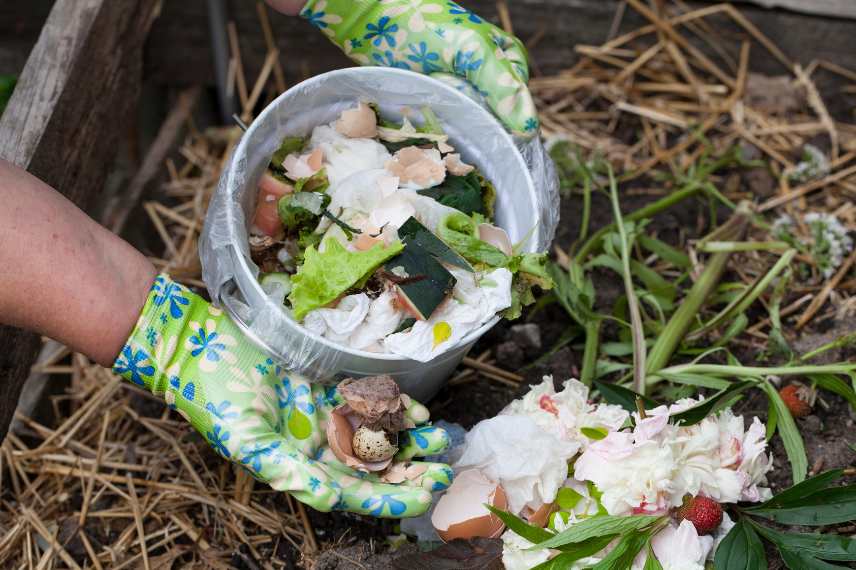
Some waste should not be added to the compost
To these plant wastes, you can add other wastes:
- Litter and excreta from domestic animals such as cats or dogs, as they can be potentially infested with parasites or carry pathogens.
- Fresh chicken manure. However, I explain how to use it: How to use chicken manure as fertiliser in the garden?
- Leftovers of meat and fish, bones and fish bones, as they attract pests and emit unpleasant odours during decomposition.
- Dairy products.
- Leftovers from cooked meals.
- Bread.
- Shellfish and seafood.
- Sauces, fats and oils.
- Wood ashes from barbecues, fireplaces or wood stoves, which are better spread in the garden or the vegetable plot. Virginie D. Explains all: Wood ashes, how to use them in the garden?
- Cigarette butts which take at least 12 years to break down.
- Nappies and disposable nappies, tissues and medical care waste.
- Plastic bags (even when marketed as biodegradable).
- Fabric.
- Vacuum cleaner bags and dust.
- Cardboard and glossy or printed papers.
- Non-biodegradable materials (plastic, glass, metal…).
- Sand and rubble.
Common myths about composting
Some composting myths die hard! Yet these are common misconceptions, often spread by detractors. I’m going to try to debunk these false ideas:
- Do not put citrus trees in the compost: False! although acidic, orange or lemon peels decompose very well provided they are cut into pieces and added in small quantities. The same method applies to banana peels or avocado peels.
- The compost attracts rats and other rodents : If rodents are present, they will take advantage of this free feast. However, a compost bin won’t attract them. Likewise, rats are mainly interested in meat or fish scraps, or kitchen waste. If you don’t add them, no problem!
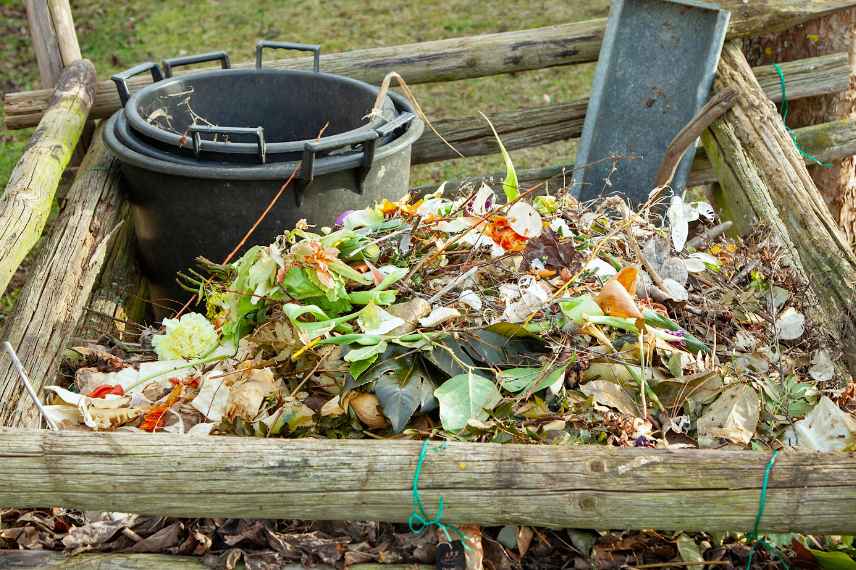 A good compost won’t attract rats or flies, and won’t smell.</caption]
 - Biodegradable bags go into the compost : although made from bio-based material, these so-called compostable bags are not fully compostable, so to be avoided.
- The compost attracts flies : Again, that’s false. If there are small flies or bluebottles, it’s mainly because meat, meal or fish scraps, or animal faeces have been added.
- The compost smells bad : That’s the main complaint one could level at compost. However, a well-balanced compost of dry and damp materials, and above all regularly aerated, emits no odour. Any unpleasant odour can be explained. An ammonia odour is due to an excess of nitrogen-rich material, a rotten-egg odour to an excess of green matter, particularly lawn.
- Subscribe!
- Contents
Comments