





























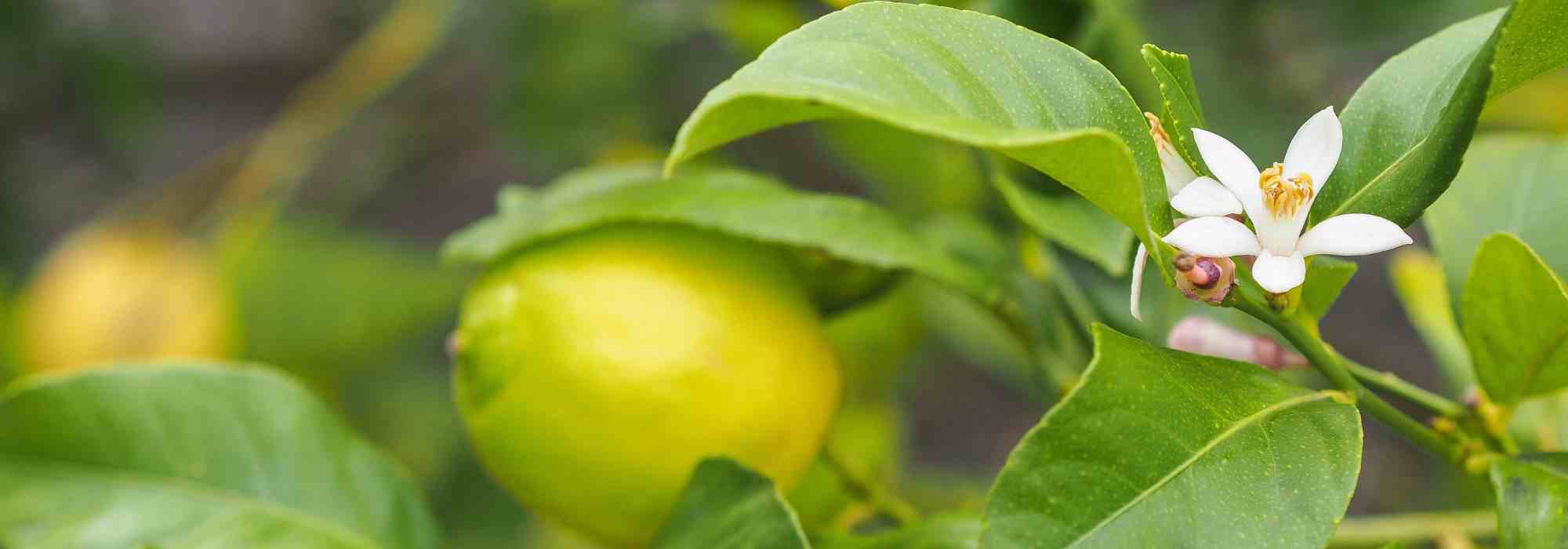
Why aren’t my citrus trees bearing fruit?
Causes and practical solutions to remedy it
Contents
Citrus trees, with their juicy and fragrant fruits, are highly appreciated by gardeners. However, it is not uncommon to encounter fruiting problems, leaving gardening enthusiasts disappointed by the lack of fruit. Why aren’t your citrus trees bearing fruit? The causes can be numerous, ranging from environmental factors, such as unsuitable temperatures or a lack of light, to nutritional deficiencies or incorrect pruning practices. In this guide, we explore the main reasons why your lemon trees, mandarin trees or orange trees may not fruit and offer practical solutions to encourage a plentiful harvest.
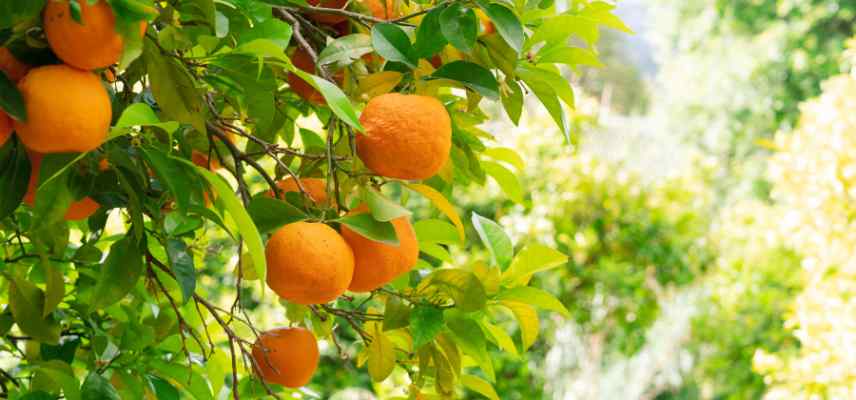
Achieving a good citrus yield requires some very particular care

Environmental factors
Inadequate temperature
Citrus trees are particularly sensitive to cold, especially during flowering or fruiting. Temperatures below 5°C can cause premature drop of flowers or young fruits, jeopardising the harvest. Moreover, severe frosts can damage the tree’s tissues, resulting in a reduction in fruit production capacity in subsequent years.
Conversely, excessive heat, particularly if combined with low humidity, can cause water stress in citrus trees. This stress often leads to the dropping of flowers and developing fruit. Temperatures above 35°C, especially when prolonged, can also cause dehydration of the tree, which harms the quality and quantity of fruit produced.
Solutions : to protect citrus trees against cold, it is advisable to cover them with a fleece during cold nights, especially for young trees or trees grown in pots. Outdoor plantings can be mulched to protect the roots from frost. In case of excessive heat, regular watering is essential to avoid water stress. It is also possible to create temporary shade to protect citrus trees from direct sun rays during the hottest parts of the day. Finally, planting citrus trees in sheltered locations, such as near a south-facing wall, can help moderate temperature fluctuations.
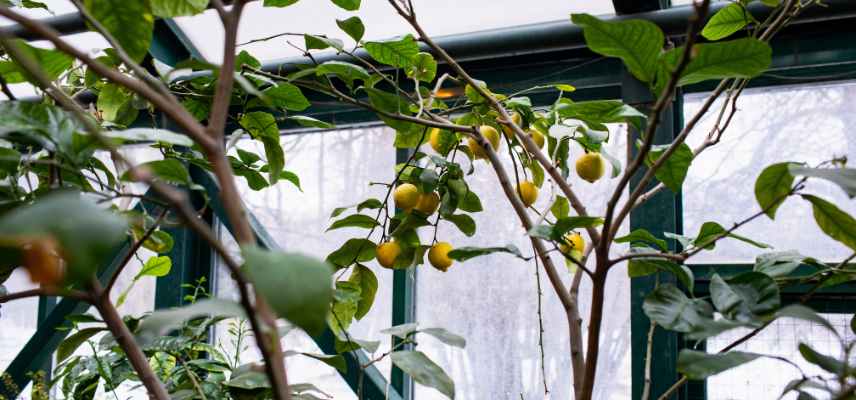
Ideally, have a greenhouse or frost-free space to overwinter citrus trees
Lack of light
Citrus trees need plenty of light. Insufficient light exposure can lead to poor flowering, a reduced fruit set and delayed ripening. To ensure good light exposure, it is recommended to plant citrus trees in a location that receives at least 6 hours of direct sun per day. If your garden cannot provide such exposure, you could consider moving the trees into pots or pruning the surrounding branches to let more light through.
Humidity and Watering
Citrus trees prefer soil that remains slightly moist, but well-drained. Too much water can cause root rot, while a lack of moisture can lead to water stress, resulting in flower and fruit drop. Low humidity can also reduce fruit size and quality.
During summer, regular watering with rainfall is necessary to keep the soil moist, especially during periods of intense heat. In winter, watering should be reduced, as citrus trees’ water needs decrease. It is best to water in the morning or late afternoon to minimise evaporation and allow the roots to absorb water well. Deep watering, rather than frequent, shallow waterings, is recommended to encourage a robust root system.
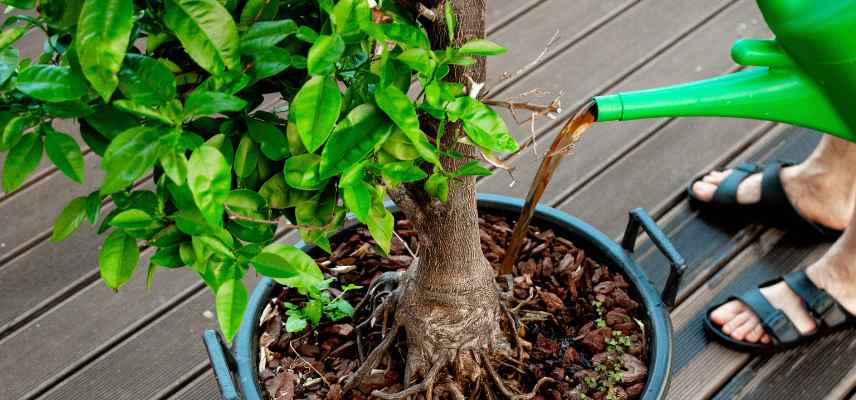
Watering can be paired with appropriate fertilisation for citrus trees
Poor pollination
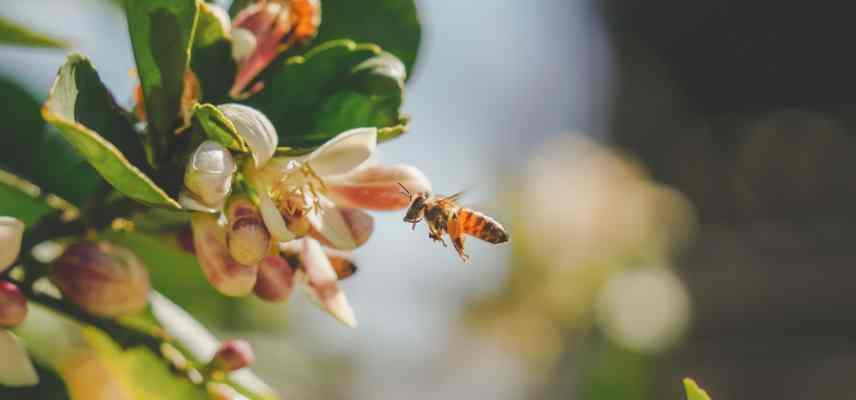
Pollinating insects, such as bees and butterflies, play a crucial role in the pollination of citrus trees. They carry pollen from one flower to another, thereby aiding fertilisation and fruit production. To attract pollinators, it is recommended to plant nectar-rich flowers, such as lavender, cosmos, or nasturtiums, around your citrus trees. Installing shallow water sources can also encourage their presence.
However, citrus trees can sometimes self-pollinate, but this process is often less effective than cross-pollination by insects. Self-pollination can lead to reduced fruit production. To improve self-pollination, you can gently shake the branches of citrus trees during flowering to help pollen move between flowers. In environments where insects are scarce, resorting to manual pollination, using a brush to transfer pollen from one flower to another, can also be effective.
Possible deficiencies
Citrus trees require a balanced supply of essential nutrients, notably nitrogen (N), phosphorus (P), potassium (K), as well as trace elements such as magnesium, iron and zinc. Nitrogen is important for leaf growth, phosphorus promotes flowering and fruiting, while potassium is essential for fruit formation and quality. A deficiency of these elements can result in pale foliage, insufficient flowering and premature fruit drop.
To meet the nutritional needs of citrus, it is advisable to apply, from spring to summer, a citrus-specific fertiliser, rich in NPK, in accordance with the manufacturer’s recommended dosages. If your soil is poor, adding organic matter such as compost or well-rotted manure will enrich the soil with nutrients and improve its structure. Specific amendments, such as rock powder or seaweed, can also be used to correct trace-element deficiencies.
Warning! Excess nitrogen will trigger excessive leaf growth at the expense of flowering and fruiting. So exercise caution with fertilisers: follow the manufacturer’s recommended dosages.
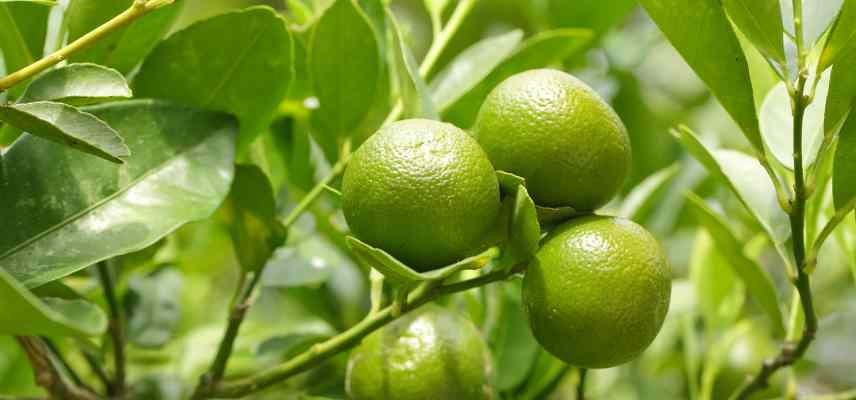
Having healthy fruit, lush foliage and overall health depends on the nutrients and inputs in the growing medium
Inappropriate pruning
Excessive pruning eliminates productive branches and reduces the foliar surface necessary for photosynthesis, which reduces the tree’s ability to bear fruit.
Insufficient pruning encourages the tangling of branches, limiting the penetration of light and air into the canopy. This creates an environment conducive to diseases and pests, and leads to smaller and less flavoursome fruit.
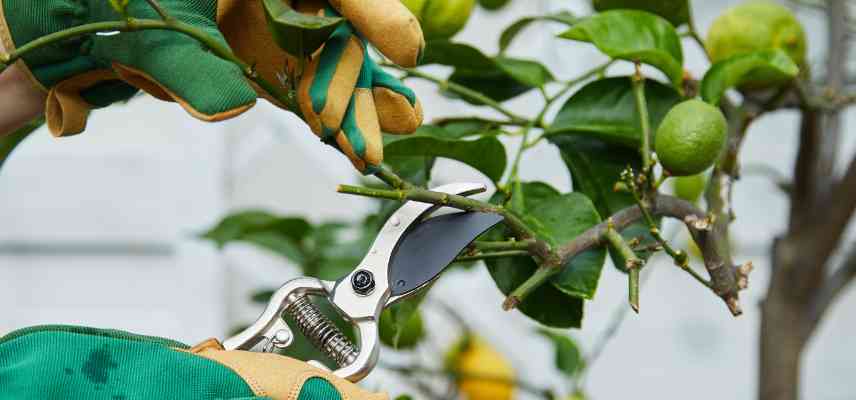
Citrus pruning should be light and regular, preferably carried out at the end of winter or the beginning of spring. It is important to remove dead, diseased or crossing branches to improve air circulation and light penetration. Opening up the centre of the tree helps stimulate the growth of new fruit-bearing shoots and balance the distribution of fruit across the entire tree. Using clean and well-sharpened tools reduces the risk of disease transmission during pruning.
→ For more on the topic, read Citrus pruning: when and how?
The age of your citrus tree
Young citrus trees concentrate their energy on developing their root system, trunk and branches, rather than on fruit production. This growth phase is essential for establishing a solid structure that will support fruit production in the long term. In general, citrus trees begin bearing fruit after 3 to 5 years, depending on the variety and growing conditions. During this period, the tree gradually develops its capacity to support the weight of the fruits and to manage flowering and fruiting cycles.
To guide a young citrus tree through to its productive phase, patience is key. The proper care includes regular watering, but not excessive, a balanced fertiliser tailored to the needs of young trees, and light pruning to encourage a good structure. Avoid severe pruning, which could delay fruiting even further.
Choice of variety
Not all citrus trees are equal when it comes to fruit production. Some, such as dwarf or ornamental varieties, are primarily grown for their appearance and produce little fruit, or none at all. For a plentiful harvest, it is best to choose varieties known for their productivity, such as the ‘Washington Navel’ for oranges, the Meyer lemon tree for lemons, or the the ‘Satsuma’ for mandarins. These varieties are not only productive, but they also adapt well to a range of climate conditions.
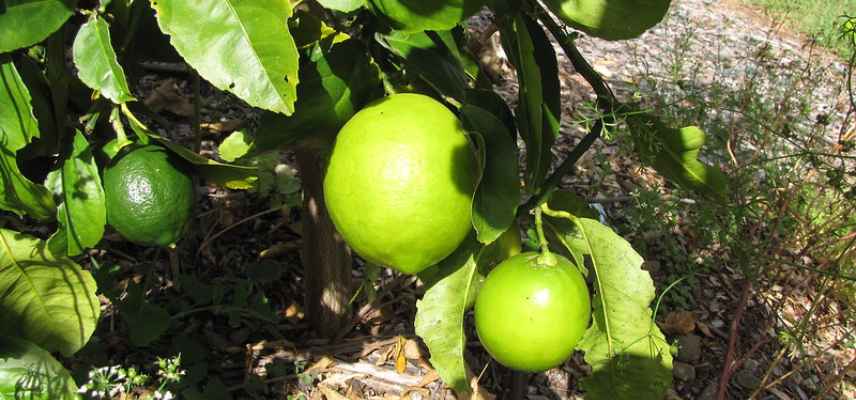
Citrus ‘Meyer’ (© Forest and Kim Starr)
Diseases and pests that prevent your citrus tree from bearing fruit
Infections caused by fungi, bacteria or viruses can seriously affect the health of citrus trees. For example, root rot (caused by Phytophthora spp.) can lead to leaf drop and fruit drop, while sooty mould reduces photosynthesis by coating the leaves with soot.
Parasites such as aphids and scale insects suck sap from trees, weakening the tree and reducing its vigour. This physiological stress not only affects fruit quality but can also cause premature fruit drop or an outright lack of production.
Worried about the health of your lemon tree? Follow Alexandra’s practical advice for combatting its diseases and pests: Lemon tree: recognise diseases and treat.
- Subscribe!
- Contents

Comments