





























Welcome to the wonderfully perplexing world of winter care for citrus trees, where common sense is often left at the door! Here, we will explore, with a dash of humour and a pinch of irony, how to turn your orange tree, lemon tree, or even your kumquat into a failed science project. Who said gardening was boring? Certainly not us!
In this article, we will not only teach you how to make every possible and unimaginable mistake in caring for your citrus trees (in pots or outdoors) during winter, but also, and most importantly, how to avoid them. Get ready for a quirky journey into the heart of the least recommended practices, while learning (whether you like it or not) how to actually care for them. Buckle up, it’s time for a juicy adventure full of pips!
Lesson #1: Invite the mealybugs to the party!
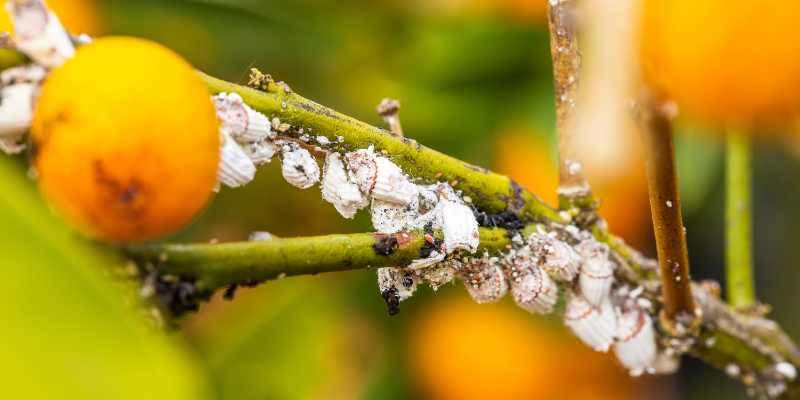
Imagine hosting an exceptional winter soirée, but for mealybugs. An event where every little detail is carefully neglected to warmly welcome them onto your potted citrus trees. You will start by transforming your citrus into a paradise of dust and neglect, creating the perfect atmosphere for these unwanted guests. Then, you will blissfully ignore the first signs of infestation, those little spots and that sticky sap, as if you were welcoming them with open arms. To top it all off, you will place your plant in the driest and warmest corner of the house, ensuring the mealybugs receive a most cordial welcome.
But wait, the party isn’t over! After discovering how to turn your citrus into a nightclub for mealybugs, it’s time to regain your senses. To keep these little pests at bay, the trick is to maintain a rigorous cleaning routine. Regularly inspect your plant, hunt for any signs of invasion and act quickly. If the mealybugs have already crashed the party, don’t hesitate to use suitable organic treatments.
To learn more, feel free to follow our tips on the most effective organic treatment against mealybugs.
Lesson #2: Overwater or underwater!
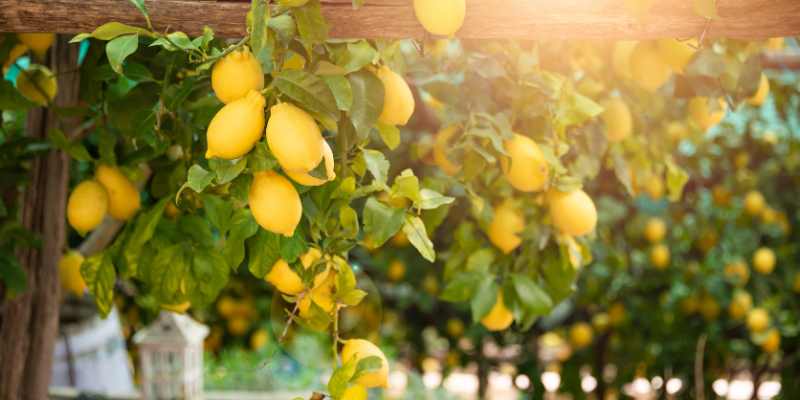
Watering citrus trees in winter is a true balancing act, an art where too much and too little are very closely related. Imagine turning your lemon tree into a lonely palm in the desert with far too little water, where each drop is as rare as a flowering fern. Or conversely, create your own little marsh by generously drowning your plant under a deluge. In both cases, your citrus will quickly become a spectacle that is both sad and comical, with yellowing leaves and suffocated roots.
But don’t worry, there is a middle ground in this subtle art. In winter, your citrus trees need less water, of course, but that doesn’t mean abandoning them to their sad fate. The secret is to water moderately, allowing the soil to dry slightly between each watering. This approach ensures your plant receives a balanced water supply, without drowning or drying it out. By gently adjusting your watering routine, you will help your citrus trees thrive through winter, far from the extremes of a desert or a swamp.
Lesson #3: Cold, that friend which means you harm
Cold, around here, doesn’t always seem that important, but let’s keep in mind that citrus trees suffer below 0°C and can even die at around -5°C, sometimes less (depending on the type of citrus), especially in pots and even with the help of a winter cover. Letting your citrus trees venture into the winter cold is like sending them on an expedition to the Arctic without a coat. They end up freezing, their leaves trembling and their roots frozen, wondering where that sweet summer sun has gone.
But don’t worry, there is a way to outsmart this mischievous cold. The key is to create a warm refuge for your potted citrus during winter. If you grow them outdoors, consider sheltering them under a winter cover or bringing them indoors to a bright but cool place, like a cold greenhouse or a well-lit interior. This strategy allows them to enjoy the light without suffering from the cold’s bites. By protecting your citrus in this way, you give them a chance to shine even in winter, far from the icy claws of this unreliable "friend."

Lesson #4: When indoors rhymes with desert
In the quest to provide a cosy winter for your citrus trees, you might inadvertently turn them into true desert dwellers. Indoors, away from the cold outside, your potted citrus could find themselves in a Sahara-like climate, where dry, hot air reigns supreme. Imagine your lemon trees thinking they are cacti, losing their juicy leaves in favour of an arid atmosphere, wondering if a caravan of camels will soon pass by.
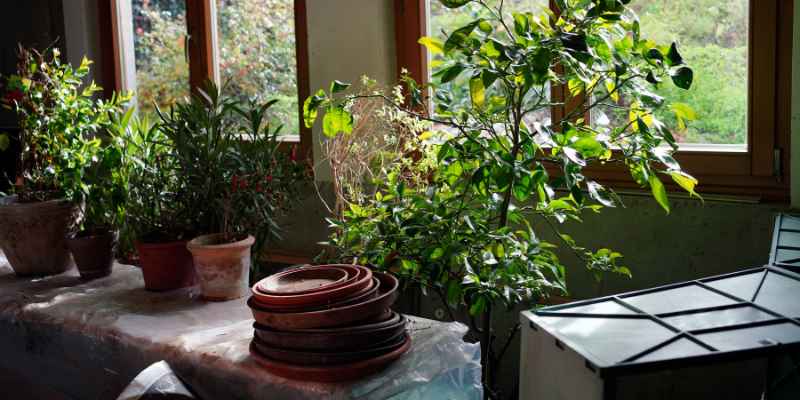
To avoid this desert scenario, the goal is to maintain a pleasant and balanced indoor environment for your citrus trees. Let them enjoy natural light near a large window, but be careful not to place them directly next to a radiator. The dry, hot air can be tempered with a humidifier or by placing a container of water nearby to add some humidity. This creates a little oasis for your citrus, allowing them to thrive even when indoors. Better yet, bring your potted citrus into a cool room like a conservatory, a sort of makeshift orangery where the temperature stays between 8 and 10°C.

Lesson #5: Winter famine, citrus on a diet
Imagine your citrus trees embarking on a strict winter diet, a fasting regime without fertiliser. This forced diet would quickly make them melancholic, with dull leaves and sluggish growth as winter ends. The poor things would start dreaming of better days, when nutrients were abundant and every watering was a celebration for their roots.
However, your citrus trees don’t need a feast of fertiliser in winter, but rather a balanced diet. During this period, they slow down their growth and, consequently, their nutrient needs decrease. The trick is to adjust fertilisation to their winter rhythm. Use a special citrus fertiliser, but reduce the frequency and amount. A light application every month or two is enough to keep them healthy without overloading them. By following these tips, your citrus will get through winter without suffering from deficiencies, ready to thrive again in spring, without having experienced the woes of a winter famine or the excesses of overfeeding.
In conclusion
In conclusion, if your goal was to become an expert in the art of poorly caring for your citrus trees in winter, congratulations! You now know everything you shouldn’t do: from the mealybug fair to creating a desert microclimate in your living room, to adopting a fertiliser-free diet for your poor citrus. These practices, of course, should be taken with a smile and a good dose of irony.
Now, let’s return to reality: taking care of your citrus trees in winter isn’t that complicated. By following the practical advice we’ve shared – with all sobriety and seriousness – your citrus should not only survive but thrive during the cold months. Remember, a little attention and appropriate care can work wonders.
Discover everything you need to know on the subject by reading about Overwintering citrus trees.
And you, dear readers, do you have any juicy anecdotes or foolproof tips (the real ones!) for winter care of citrus trees? Feel free to share your experiences in the comments. Your stories, whether they are resounding successes or, conversely, misadventures, could inspire or amuse other gardening enthusiasts. Together, let’s explore the art and science of pampering our citrus, even when the mercury drops.
In the meantime, don’t miss out on everything you need to know about citrus by browsing Lemon trees, orange trees, and other citrus: how to plant and grow them in pots or in the garden.


Comments