





























It is well known that gardening is good for health! What is less known is that gardening induces a feeling of fullness and well-being. Well… most of the time… Personally, I grumble because it’s too hot, I don’t have the right tools, the neighbour is noisy… But I’m probably not the example to follow!
It is public knowledge that engaging in an outdoor activity that one enjoys is beneficial for both body and mind. Sunshine, fresh air, physical activity… these are the perfect conditions for a healthy and balanced life. But that’s not all! Did you know that researchers have discovered a bacterium in the soil that could help us reach nirvana?
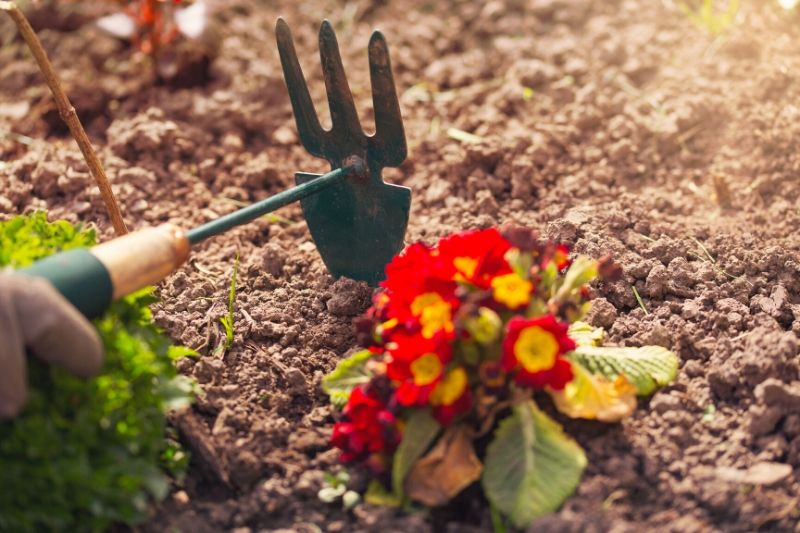
Mycobacterium vaccae, the soil bacterium that boosts your mood
Mycobacteria are bacteria with a rather uninviting name that can, moreover, be responsible for diseases such as tuberculosis in the case of Mycobacterium tuberculis. But don’t let that "detail" stop you; some, like Mycobacterium vaccae, are completely harmless and even friendly as they might actually bring us happiness.
To benefit from the effects of this bacterium, it’s easy: breathe, touch the soil with your hands and feet... and your forehead too if you’ve fallen into your flowerbed. These actions will allow this good bacterium to enter our intestines. Now, we know that the intestine is our second brain. The presence of this bacterium in that location is therefore beneficial for our mood!
The explanation is simple: Mycobacterium vaccae actually activates the release of two neurotransmitters: serotonin, synthesised in the intestine, and dopamine, synthesised in the brain. Dopamine affects emotions, particularly those related to pleasure. And serotonin regulates our mood, as well as our sleep, memory, and even... our libido.
Tested effects and surprising results
To highlight the effects of this bacterium that brings smiles to gardeners, tests were conducted on mice (they are fine, don’t worry!) by two neuroscientists: Dorothy Matthews and Susan Jenks. The protocol is simple: some mice were exposed to the bacterium Mycobacterium vaccae, while others were not. Subsequently, they underwent behavioural tests. The results are astonishing: the mice exposed to the bacterium were less anxious and navigated a maze twice as fast as the mice without the bacterium.
They were able to demonstrate that “eating, touching, and breathing a soil organism can be linked to the development of our immune system and nervous system. ” In short, this bacterium makes us happy and smarter!
The neuroscientists even extrapolate by drawing parallels with students (humans this time!) who should spend time outdoors to be more effective in learning. You might say: that’s nothing new; it’s been said for decades!
Garden and stop washing your hands!
I remember an old gardener who was constantly reprimanded by his wife for “coming back from the garden all dirty.” He would always retort, “It’s not dirty, it’s soil!”
Unbeknownst to him and without bothering a few mice, this good man had understood everything...
My advice: ignore the numerous advertisements for antibacterial detergents or other hand sanitizers, let children of all ages play in the soil... and welcome all these good bacteria without fear. The health service thanks you!
If you want to learn more about this friendly bacterium, here’s a link to a scientific publication from the University of Bristol.

Comments