


Homemade compost is traditionally collected and used in spring and autumn. Upon opening the bin, for some, it’s the time for disappointments. Instead of black soil, one finds all sorts of things: undecomposed materials, more or less identifiable ("Oh, a blue, hairy orange!"), greenish and slimy clumps, and even young plants ("Look, last year's potato is having babies..."). All of this emits an unpleasant odour. I confess, I have a bit of experience. In short, everything but good compost that your vegetable garden, and your garden in general, desperately needs!
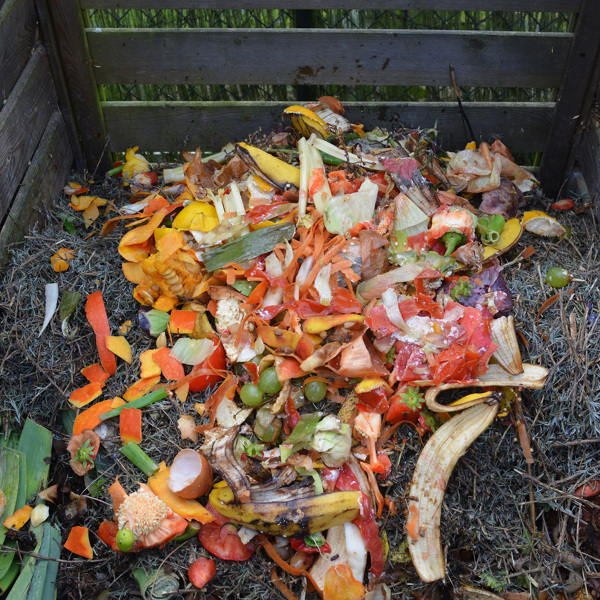
Why? It’s simple: sometimes distributed for free, in order to reduce household waste volume, the composter is often used as a mere rubbish bin. A fatal mistake.
What is good compost, and what is it for?
Good compost is primarily well decomposed. It resembles a bit of soil, is dark, almost black, and smells pleasantly of the undergrowth. There may be a few coarse elements, but overall, the composted materials are no longer identifiable.
Beyond its appearance, good compost is especially a top-quality organic fertiliser. Balanced, with no excessive nitrogen content, it fertilises effectively yet gently and acts as a ferment. Rich in microorganisms, it maintains biological activity and thus soil life. In summary, it is the essential ingredient for the formation of humus, which is itself the cornerstone of any respectable natural and organic garden.
How to make good compost?
Let’s be clear, making excellent compost is not within everyone’s reach; that’s why there are training courses for Master Composters. Nevertheless, producing acceptable compost is not complicated.
So, to finally put an end to failed compost, here are 5 key principles to follow:
1) The right location
The best location for a composter is in shade or partial shade, protected from the summer heat. For obvious practical reasons, but also because a well-managed compost doesn’t smell, place it close to the house or in an easily accessible spot.
2) A good carbon/nitrogen ratio
To obtain balanced compost, it is important to maintain a good proportion of each type of waste. Essentially, to the so-called "balanced" waste, add, mixing them, 2/3 "brown" to 1/3 "green".
Here are some examples to help you:
| Balanced waste |
|
| Green waste = nitrogen dominant |
|
| Brown waste = carbon dominant |
|
NB: Contrary to what some may say, no biodegradable (and non-polluting, of course) waste is strictly prohibited in compost; it’s all a matter of dosage and balance.
3) Small pieces
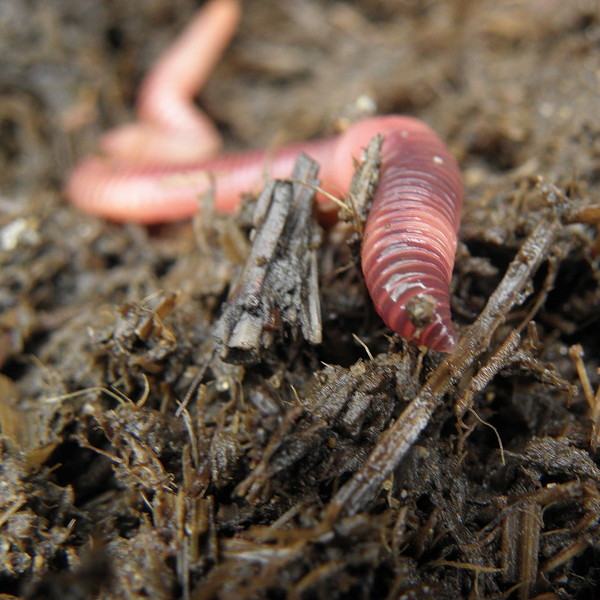
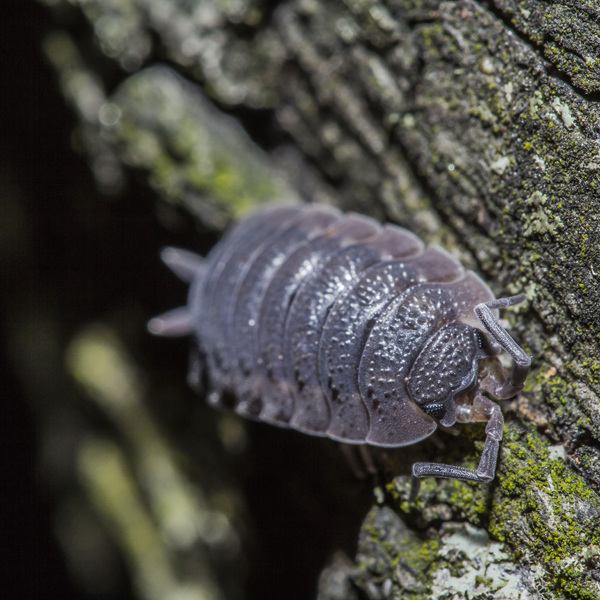
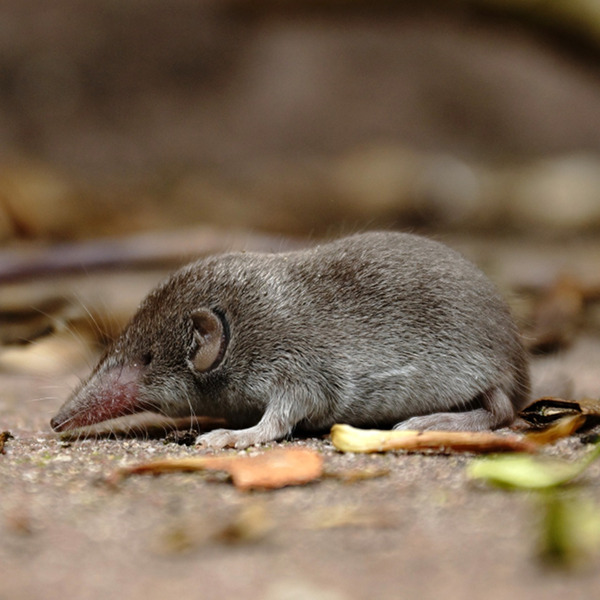
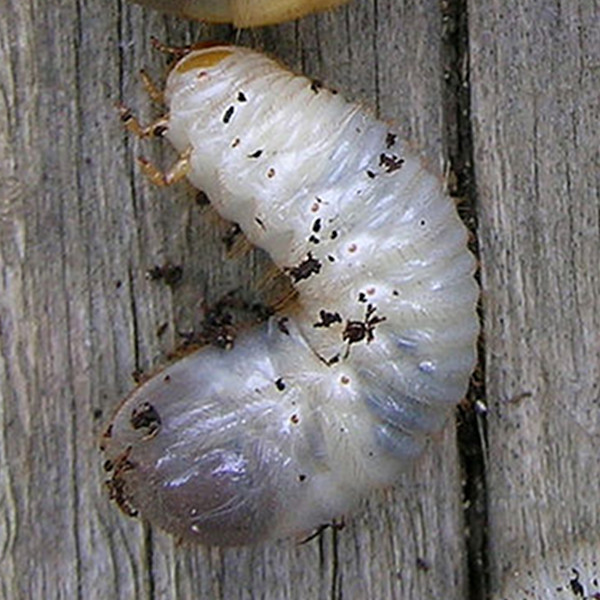
To "digest", decomposing organisms and insects (yes, the work doesn’t do itself!) need to be fed regularly, but with small pieces. Therefore, waste should be chopped: with a knife for peels, a few cuts with pruning shears for garden waste, a mower for leaves, or a shredder for pruning waste. You will be greatly rewarded for these efforts with the rapid maturation of your compost.
A brief overview of compost inhabitants:
4) Air: regular turning
Without air, there is no decomposition, just fermentation… Hence the essential nature of regular turning, ideally with each addition. For this, use a simple fork or, better yet, in a silo composter, a compost turner. This tool, shaped like a large spring, allows for both mixing and aerating the pile.
5) Optimal moisture (not too much, not too little)
By their nature, your waste will be wet ("green") or dry ("brown"), which should suffice to maintain optimal humidity, provided you remember to close the composter lid. However, during hot weather, materials may dry out: check the moisture and, if necessary, water just enough... as the waste must not be soaked, hence the usefulness of the lid!
You are now ready to create good compost this year... and to go further, feel free to consult our advice sheet: "Green waste: recycling and valorisation solutions in the garden".

Comments