


With its lovely oval, light green fruit containing highly aromatic seeds, cardamom adds a refreshing flavour to teas, pastries, and dishes. This tropical plant with evergreen foliage originates from India, where it thrives in the shade of dense forests, under a warm and humid climate. Discover the history, cultivation, and use of this spice, which, despite its humble appearance, has become one of the three most expensive spices in the world, preceded only by saffron and vanilla.
What is the origin of cardamom ?
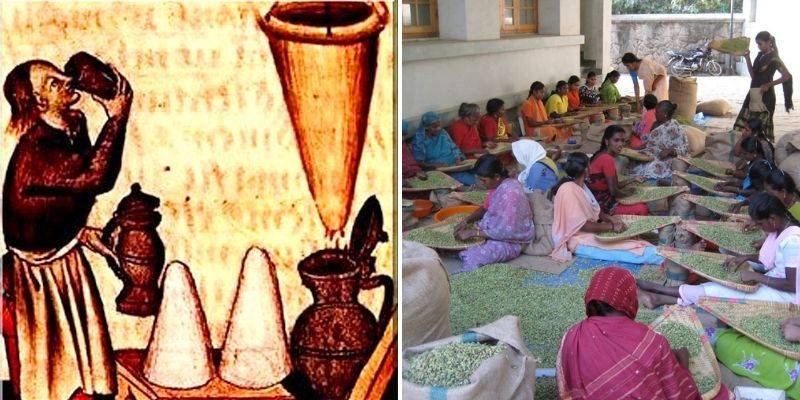
Since ancient times, cardamom has been cultivated in India on the Malabar coast. Like other spices, it was traded in antiquity and the Middle Ages. It was highly valued by Arabs, Greeks, and Romans. In antiquity and during the medieval period in Europe, it was particularly used in the composition of hypocras, a sweet red wine spiced drink consumed during festive meals. In India, it was and still is used for its medicinal benefits and culinary qualities in cooking and teas.
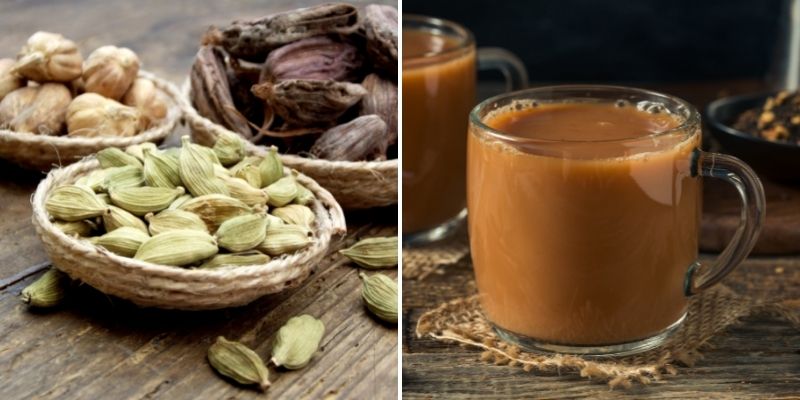
Today, cardamom is among the top three most expensive spices, following saffron and vanilla. It is cultivated in India, but also in Guatemala, Sri Lanka, and Cambodia. It is increasingly used to flavour teas in the West, such as in chai latte, a delicious spiced milk tea of Indian origin.
A few words about the plant Elettaria cardamomum
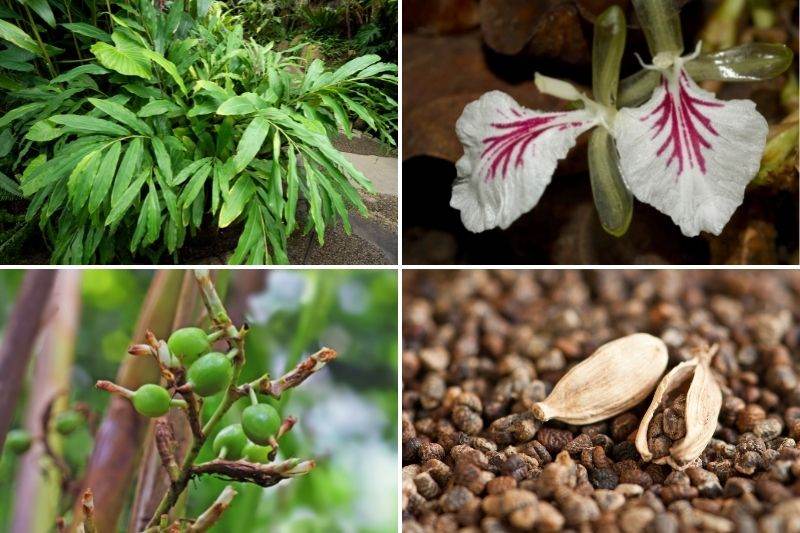
Cardamom or Elettaria cardamomum is a plant from the Zingiberaceae family, which also includes turmeric and ginger. This perennial grows in tropical forests and enjoys proximity to rivers and streams. It can reach a height of 2 to 5 metres and bears large lanceolate green leaves measuring 40 to 60 cm, as well as flowers resembling irises, white with a hint of pink. It is a rhizomatous plant, with roots that develop very quickly and can be propagated.
Cardamom produces fruits that take the form of capsules or pods with three compartments, containing aromatic brown seeds. It is these whole capsules that are hand-picked and dried to preserve all their aromas. The harvest of the fruits is done by hand, and the time it takes for a plant to flower is 2 to 3 years, making cardamom a very expensive spice today.
In our regions, it is possible to grow cardamom in pots and indoors, at home or in a greenhouse. Indeed, it requires warmth, as it freezes at temperatures below 5 °C. It enjoys humidity and light but should be protected from direct sunlight. In summer, it can be taken outside. In theory, it flowers in summer and then produces fruit in autumn, but in practice, this remains difficult to achieve in our climates. The plant prefers rich, well-drained substrates and needs pollinating insects to bear fruit. As the rhizomes can quickly become invasive in a pot, they should be divided regularly to prevent the plant from suffocating.
What are the uses of cardamom ?
There are different types of cardamom: green, which is the most aromatic, white, obtained after treatment with sulphur and less fragrant, and brown. The most commonly used for its flavour qualities is, of course, green cardamom.
It serves as a spice in Indian, Eastern, and Asian cuisines. In Indian cooking, it accompanies rice, meat, and fish dishes, and is part of the composition of curries and the spice blend known as garam masala. It adds a lemony and fresh touch to tea, as well as to pastries. In North Africa, it is added to coffee and is one of the ingredients in Moroccan raz el hanout, a spice blend used to flavour vegetables, couscous, and tagines.
To fully appreciate the taste of cardamom, it is best to buy it in whole capsules rather than ground into powder. To store cardamom under the best conditions, place the whole fruits in an airtight container and keep them cool and away from light. You can add them to your milk tea whenever you like or try an Indian recipe soon !
Note: Cardamom should be consumed in small quantities, as consuming more than 5 g of powder per day can pose health risks. It is not recommended for individuals with heart conditions.

Comments