





























Pruning a cherry tree, whether it's a sour cherry or a cherry tree, may seem risky, especially if you fear reducing future fruit production. Yet by pruning at the right time and with the right techniques, you can shape it without sacrificing the harvest. Here are the steps to successfully prune a cherry tree.
Pruning a cherry tree in a nutshell
| Good practice | Why |
|---|---|
| Prune just after harvest | To prevent diseases and promote wound healing |
| Only remove what is strictly necessary | To avoid weakening the tree or compromising production |
| Encourage horizontal branches | These are the most fruitful |
| Open up the canopy without excess | To ensure light and limit diseases without overly unbalancing the tree |
| Maintain regularly | A cherry tree that is well cared for stays productive, healthy and easier to harvest |
When to prune a cherry tree?
The best time to prune a cherry tree is at the end of summer, between mid-August and early September, after harvesting. This timing coincides with the end of sap rise, which limits the risk of diseases (notably the fruit tree canker) and promotes good wound healing. It is theoretically possible to prune in October–November, but avoid pruning cherry trees in winter, when wounds heal poorly, and in spring, so as not to hinder flowering or fruit production.
Nota bene: there are two types of pruning for the cherry tree.
- Training pruning (early years): the aim is to create a solid structure (goblet shape, central leader, etc.).
- Fruit-bearing / Maintenance pruning (adult tree): this is light annual pruning aimed at renewing wood and aerating.
What tools to use for pruning a cherry tree?
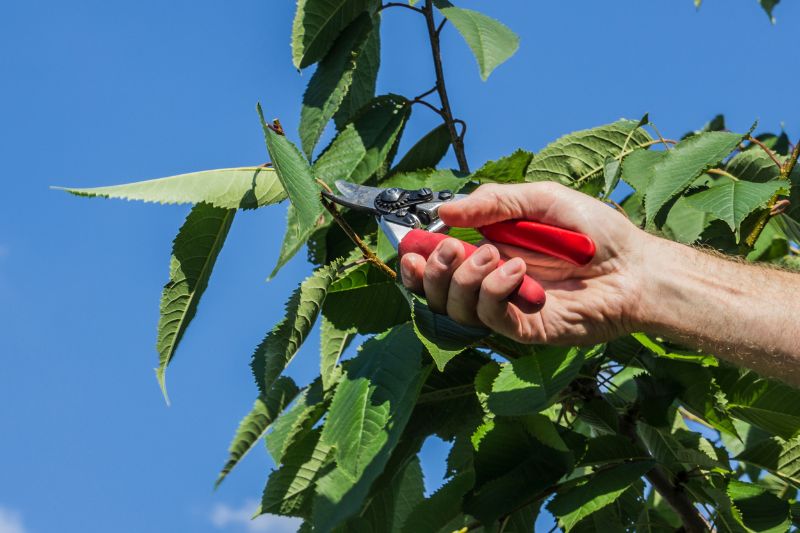
- a pruning shears for young shoots,
- a pruning saw or a pole pruner for thicker structural branches,
- optionally a natural wound dressing (clay, propolis putty), especially when pruning a thick branch.
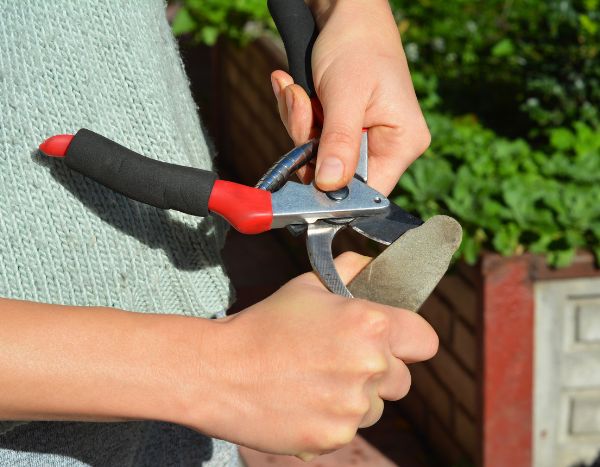
- disinfect your blades before pruning to prevent the spread of diseases between plants.
Comment tailler son cerisier sans nuire à la fructification ?
Commencez par observer l’arbre dans son ensemble. L’objectif est de favoriser la lumière et l’aération, sans retirer excessivement de bois porteur de fruits.
- Supprimez en priorité les branches mortes, cassées ou mal orientées (croisement, frottement).
- Éliminez les rejets et gourmands (pousses verticales très vigoureuses) qui épuisent l’arbre.
- Conservez les branches fruitières : elles sont plus horizontales, souvent âgées de 2 à 5 ans.
- Si l’arbre est trop haut, rabattez légèrement les extrémités des charpentières, toujours au-dessus d’un œil orienté vers l’extérieur.
- Ne jamais enlever plus de 20 % du volume total en une seule fois : cela évite un stress trop important et une repousse désordonnée.
Note: les cerisiers (comme les pruniers) fructifient sur des organes appelés dards qui se transforment en bouquets de mai (petites branches courtes bourrées de boutons floraux).
Pourquoi la taille du cerisier est-elle bénéfique ?
A light, but regular pruning helps:
- to limit height and to facilitate picking
- to maintain a balanced frame: pruning generally aims to keep a goblet shape with the tree’s centre clear to let in light
- to encourage good fruiting the following year
- to reduce the risk of fungal diseases by aerating the framework
Faut-il tailler un jeune cerisier ?
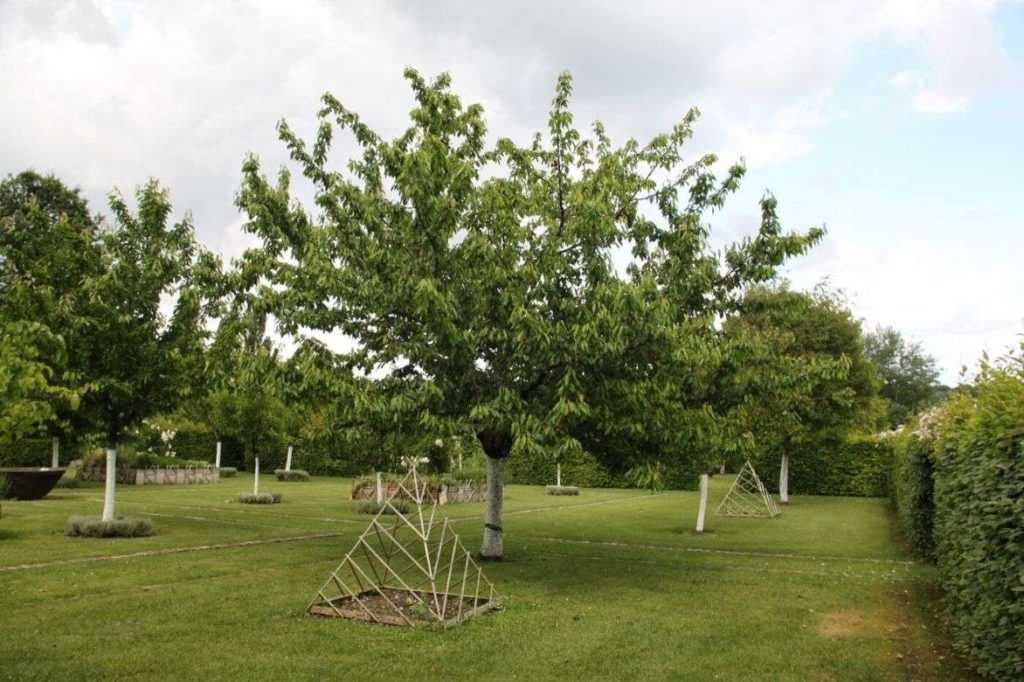
Yes, but sparingly. In the early years, pruning aims to structure the tree (formation of the scaffold branches), without overly intervening on the parts that will bear fruit in the medium term. A gentle formative prune suffices by limiting the cuts.

Comments