





























10 medicinal plants to relieve headaches
The benefits of plants in phytotherapy
Contents
Headaches are a common condition that can significantly impact our quality of life. Numerous factors can trigger these pains, such as stress, fatigue, muscle tension, or even underlying health issues. While conventional medications can be effective in relieving pain, more and more people are turning to herbal medicine and medicinal plants as a natural alternative. These plants offer beneficial properties and can be consumed in various forms, such as infusions, essential oils, or compresses. Herbal medicine provides a natural way to relieve headaches. Medicinal plants have been used for millennia for their healing properties, and they remain an attractive option for those looking to avoid conventional medications.
Here is a selection of medicinal plants that have proven effective in relieving headaches, along with their properties, uses, and precautions to consider.

Preamble and precautions
Herbal medicine, or the use of medicinal plants for therapeutic purposes, offers a gentle and natural approach to alleviating headaches. It is essential to choose natural and quality products, with plants sourced from organic farming to avoid pesticidal and other undesirable substances. While plants convey the idea that being natural makes them harmless, they are in fact powerful and full of active compounds. Adhere to the recommended doses and follow the specific usage instructions for each plant. Keep in mind that some plants may cause allergies or drug interactions, so it is important to take precautions and consult a healthcare professional before using them, especially if you have specific health issues or are undergoing medication treatment.
These plants can be consumed in various forms, including infusions, essential oils, or supplements. The effectiveness and dosage may vary from person to person, so it is also advisable to consult a healthcare professional before using them.
Peppermint
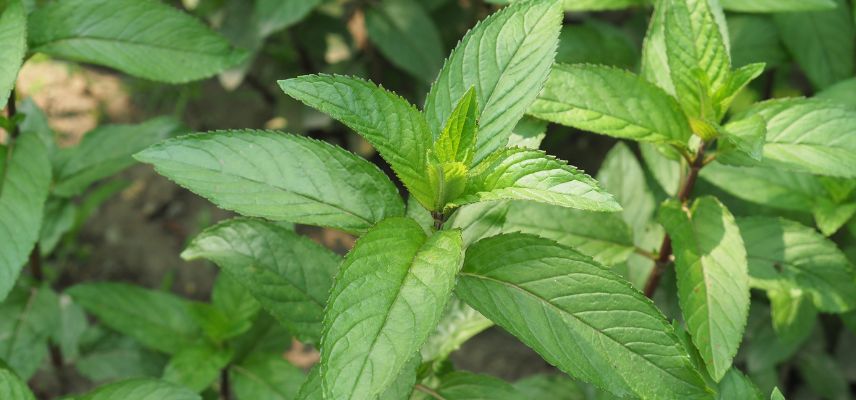
Among the many plants that can be used to relieve headaches, peppermint stands out for its effectiveness. Peppermint, also known as Mentha x piperita, is a perennial herbaceous plant native to Europe. It is renowned for its analgesic and anti-inflammatory properties, which help alleviate headache pain. The active compounds in peppermint, such as menthol, work by stimulating blood circulation and reducing muscle tension. To enjoy its benefits, you can infuse peppermint leaves in hot water to prepare a soothing herbal tea. Inhaling peppermint essential oil can also provide quick relief.
Chamomiles
Chamomile is a popular medicinal plant that has been used for centuries for its calming and relaxing properties. German chamomile, or Matricaria chamomilla, is native to Europe and Western Asia. It has anti-inflammatory and analgesic properties that help relieve headaches. The flavonoids and chamazulene compounds present in chamomile contribute to its soothing effects. You can consume chamomile as an infusion by pouring hot water over its dried flowers.
Feverfew, also known as Tanacetum parthenium, is a perennial plant native to Europe and Asia. It has long been used to relieve headaches and migraines. Its anti-inflammatory and analgesic properties make it an effective choice. Feverfew contains compounds such as parthenolide, which helps reduce pain by inhibiting the release of serotonin. You can consume it as an infusion or take feverfew supplements, according to a healthcare professional’s recommendations.
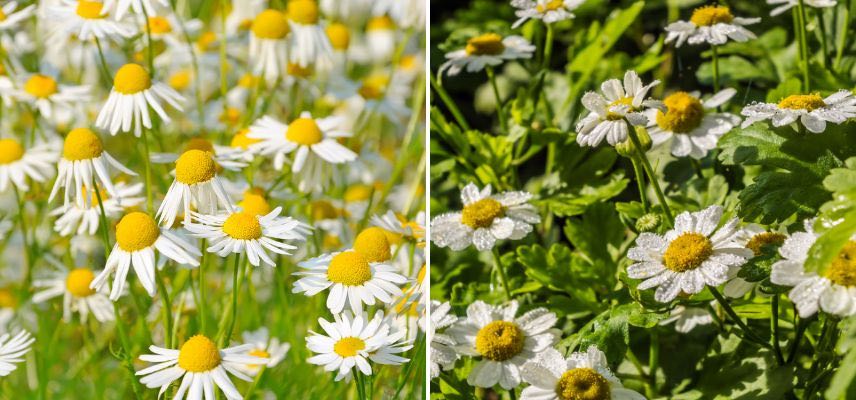
German chamomile and feverfew
Read also
12 medicinal plants to reduce stressGinger
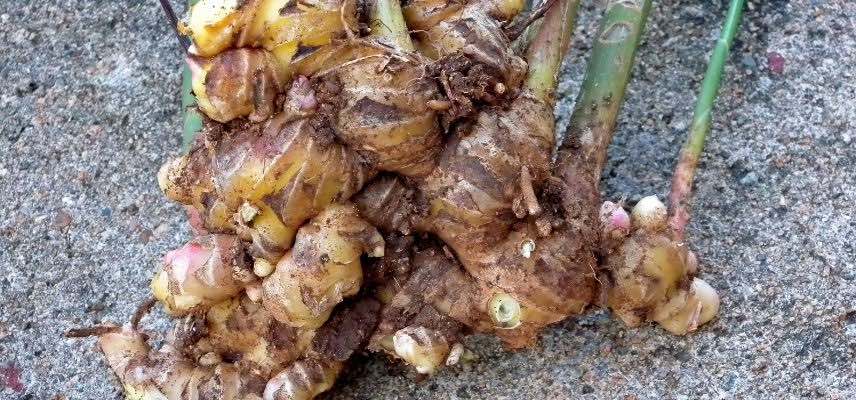
Ginger, a plant native to Asia, is also renowned for its anti-inflammatory and analgesic properties. Ginger, or Zingiber officinale, contains active compounds such as gingerols, which work by blocking the prostaglandins responsible for pain. It can be consumed as an infusion by adding thin slices of ginger root to hot water. You can also use ginger essential oil to massage the temples and forehead to relieve headaches.
Lavender
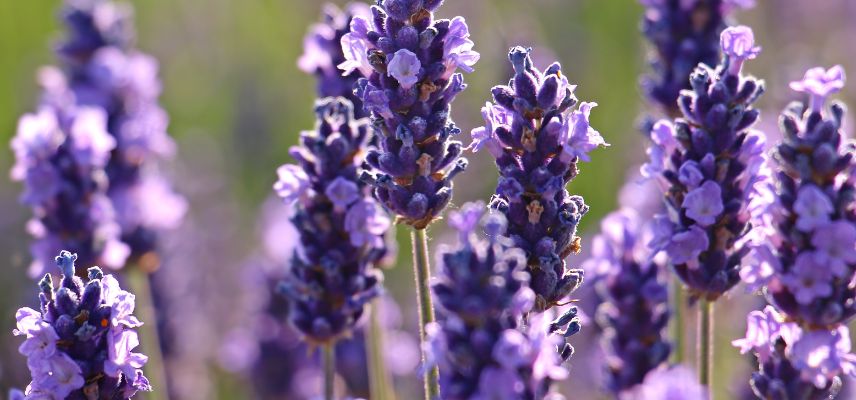
Lavender, a plant with beautiful purple flowers, is valued for its soothing and relaxing fragrance. Lavender essential oil is commonly used to relieve headaches due to its analgesic and relaxing properties. You can apply a few drops of lavender essential oil to your temples or use a diffuser to enjoy its calming effects. Additionally, taking an aromatic lavender bath can also promote relaxation and help alleviate headaches.
Lemon balm
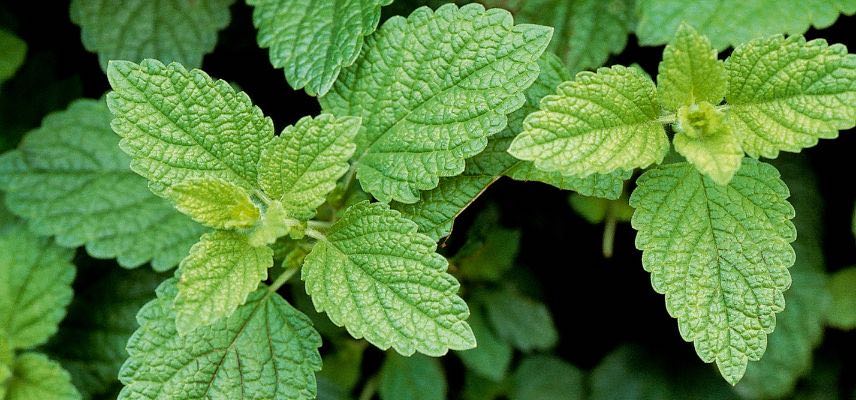
Lemon balm, or Melissa officinalis, is a medicinal plant that has calming and relaxing properties. It can help relieve headaches caused by stress and anxiety. Lemon balm contains compounds such as rosmarinic and caffeic acids, which have anti-inflammatory and analgesic effects. You can prepare a lemon balm infusion by pouring hot water over dried leaves. This infusion can be consumed to relieve headaches and promote relaxation.
White willow bark
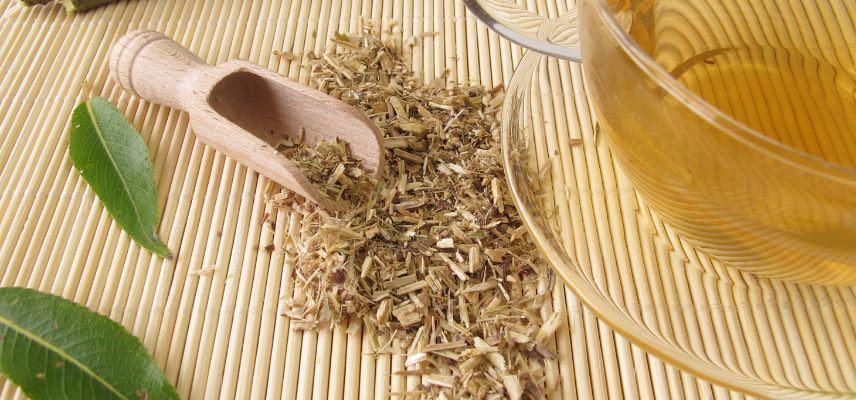
The bark of the white willow comes from Salix alba, a deciduous tree belonging to the Salicaceae family. This tree is native to Europe, Asia, and North Africa. The bark of the white willow has been used for centuries to relieve pain, including headaches. It contains salicin, a phenolic glycoside, which converts to salicylic acid and acts similarly to aspirin by reducing inflammation and alleviating pain in the body. You can find supplements made from white willow bark or prepare a decoction by boiling the bark in water for a few minutes.
Passion Flower
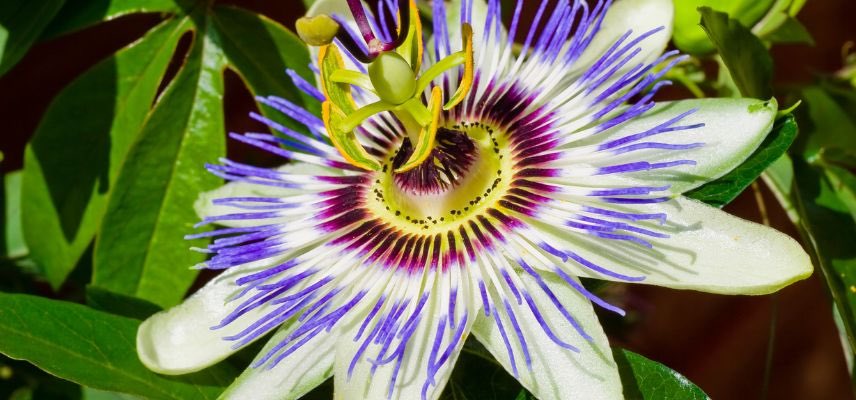
The passionflower (Passiflora incarnata) is a climbing plant native to North and South America, belonging to the Passifloraceae family. It has calming and sedative properties. It can be helpful in relieving headaches associated with stress and anxiety. It contains flavonoids, including chrysoeriol and vitexin, which have relaxing effects on the nervous system. You can consume passionflower as an infusion by pouring hot water over the dried aerial parts (the leaves and flowers) of the plant.
Valerian root
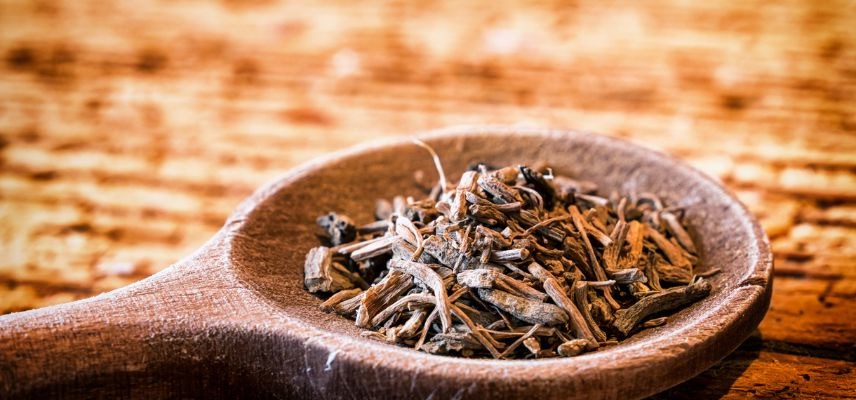
The root of valerian (Valeriana officinalis) is a perennial plant native to Europe, Asia, and North America. It belongs to the Caprifoliaceae family. It is a plant commonly used for its relaxing and sedative properties. It contains active compounds such as valepotriates, valerenic acids, and sesquiterpenes. These compounds act on GABA receptors in the brain, promoting relaxation and helping to relieve stress and tension-related headaches. Valerian is often consumed as an infusion by steeping the dried root in hot water.
Ginkgo biloba
The Ginkgo biloba is an ancient tree native to China. It is often regarded as a living fossil, as it is the only representative of its botanical family to have survived to this day. The leaves of ginkgo biloba are used in herbal medicine for their benefits on blood circulation and brain function. They may help relieve headaches by improving blood flow to the brain. They contain flavonoids, terpenoids, and ginkgolides, which are active compounds. Flavonoids have antioxidant and anti-inflammatory properties, while ginkgolides have vasodilatory effects and inhibit the formation of blood clots. You can take leaf supplements of Ginkgo biloba as per the recommendations of a healthcare professional.

Rosemary
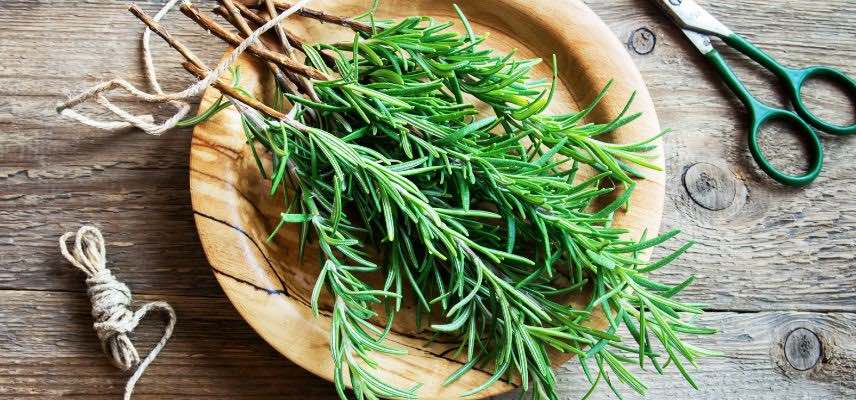
The rosemary is an aromatic plant native to the Mediterranean region, whose leaves possess anti-inflammatory and analgesic properties, which can help relieve headaches. They contain active compounds such as flavonoids, phenolic acids, and terpenes, including rosmarinic alcohol and rosmarinic acid. These compounds contribute to reducing inflammation and alleviating pain. Rosemary can be used in infusion by adding the dried leaves to hot water.
- Subscribe!
- Contents

Comments