





























12 medicinal plants to reduce stress
Benefits in the garden
Contents
In our modern society, stress has become a common issue that can affect our physical and mental well-being. For those who prefer natural methods to cope with stress, herbal medicine offers a promising solution. Medicinal plants have been used for centuries for their relaxing and soothing properties, providing valuable support to reduce stress. Learn how medicinal plants can help you relax and find inner balance. Explore our selection of plants for managing stress and discover practical tips for using them effectively. Choose natural, quality products to maximise the benefits of herbal medicine. Before starting any use, consult a healthcare professional to ensure an approach tailored to your situation.
In this article, we present a selection of medicinal plants that can be used in stress management, along with practical advice for their use.

Lemon balm
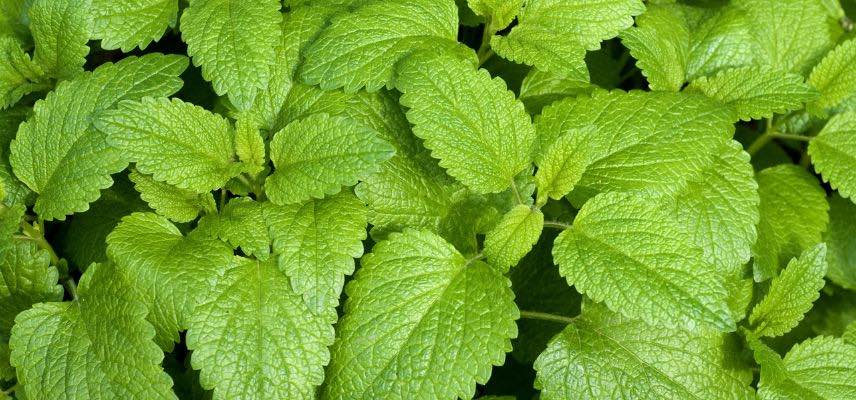
Lemon balm (Melissa officinalis) is an herbaceous plant with heart-shaped green leaves and white or pink flowering, known for its generous and vigorous growth. It is widely used for its relaxing and calming properties. Melissa contains active compounds such as flavonoids and terpenes, which promote relaxation and reduce anxiety. Drinking herbal teas made from melissa is a common way to use this plant. Simply pour boiling water over dried melissa leaves and let steep for a few minutes. It can be used alone or in synergy with other plants. It has a lemony scent and taste, reminiscent of liquorice. Melissa can also be consumed in the form of capsules or diluted essential oils. Preferably choose organic products to ensure their quality and effectiveness.
Passion Flower
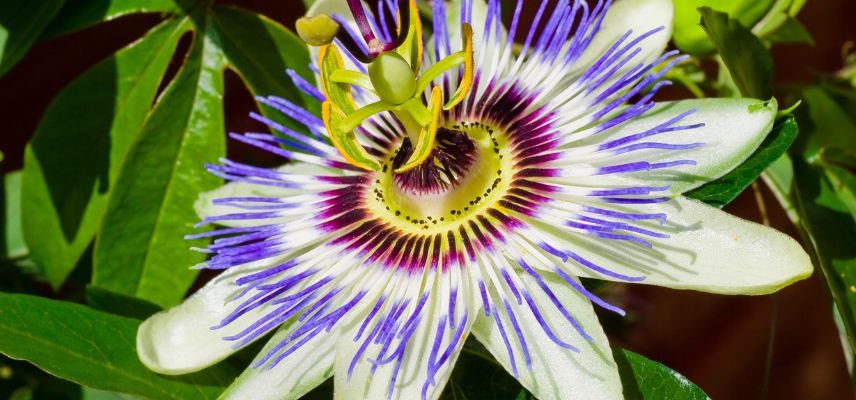
The passion flower, specifically Passiflora incarnata, is a climbing plant with exotic, colourful flowers and edible fruits. It is known for its soothing and relaxing properties, ideal for alleviating stress and insomnia. It is often used to improve sleep quality. The main active compounds in passion flower are flavonoids and alkaloids, which act on the nervous system to promote relaxation. It is also recognised for its benefits on palpitations and gastrointestinal issues related to anxiety. Infusions of passion flower are very popular. To prepare an infusion, boil water and pour it over the dried aerial parts (leaves and flowers) of the passion flower. Let it steep for about 10 minutes. Passion flower capsules are also available on the market, and homeopathy also uses passion flower. Be sure to consult usage recommendations for safe consumption.
→ Read Angélique’s article on the benefits of Passion Flower.
Valerian
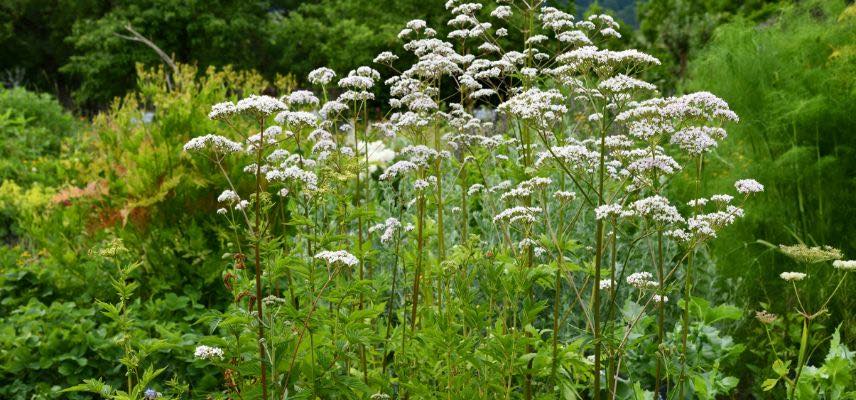
The valerian (Valeriana officinalis) is a perennial plant with lovely white or pink flowers and a medicinal plant known for its relaxing and sedative properties. It can be used to reduce anxiety and improve sleep quality. It has been consumed for centuries for its calming effect on the nervous system. Valerian contains compounds such as valepotriates and valerenic acids, which promote relaxation and help improve sleep quality. Valerian teas are commonly used to soothe tensions. Simply add hot water to dried valerian roots and let steep for 5 to 10 minutes. Valerian capsules are also available for convenient and concentrated use. Be sure to follow the recommended usage instructions.
Read also
10 medicinal plants to relieve headachesChamomile
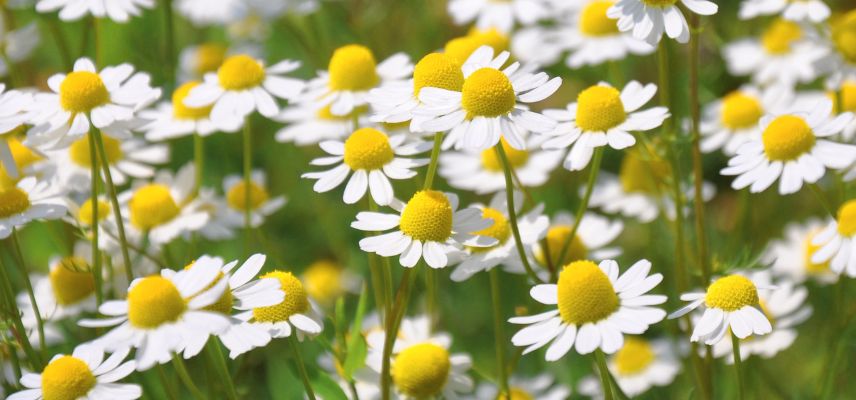
Chamomile is a small plant with white flowers and a sweet, floral scent. It is a popular medicinal plant known for its relaxing and soothing properties, promoting sleep. Chamomile contains flavonoids and terpenes that help calm anxiety and induce relaxation. Chamomile infusions are widely appreciated for their benefits. Add boiling water to dried chamomile flowers and let steep for a few minutes. You can also find chamomile capsules or tinctures. Opt for high-quality organic products to ensure their purity.
Roman chamomile, Chamaemelum nobile or Anthemis nobilis, also known as “noble chamomile” or “official chamomile,” is a perennial species. German chamomile, Matricaria recutita or Matricaria chamomilla, commonly referred to as “wild chamomile,” “little chamomile,” or “true chamomile,” is an annual species. Finally, the great chamomile or feverfew (Tanacetum parthenium) is the one from which essential oil is extracted.
Lavender
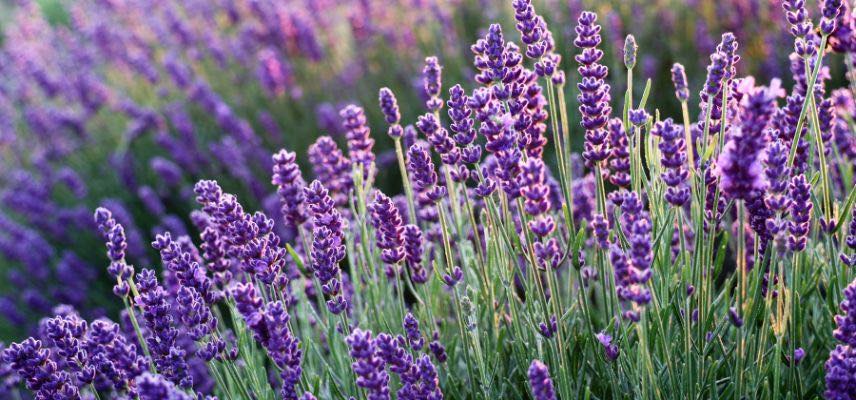
The lavender (Lavandula angustifolia) is an aromatic plant with beautiful purple flowers. It is also a medicinal plant with well-known calming and relaxing properties. Its sweet fragrance helps to reduce anxiety and promotes a state of inner calm. Lavender contains compounds such as esters and monoterpenes, which induce relaxation and help to alleviate anxiety. Lavender infusions are highly valued for their soothing flavour. Pour boiling water over dried lavender flowers and let steep for a few minutes. You can also use diluted lavender essential oils for a relaxing massage or add a few drops to your bath.
Ashwagandha
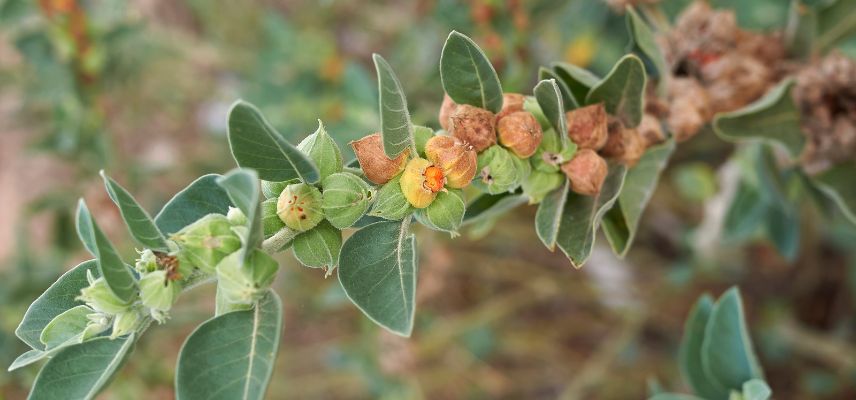
Ashwagandha (Withania somnifera) is an adaptogenic plant native to India, used for centuries in Ayurvedic medicine to help manage stress and anxiety. It promotes emotional balance and enhances stress resistance. It works by regulating stress hormones in the body. Ashwagandha is available in powder, capsule, or tincture form. It is recommended to follow the manufacturer’s instructions for optimal results.
Rhodiola rosea
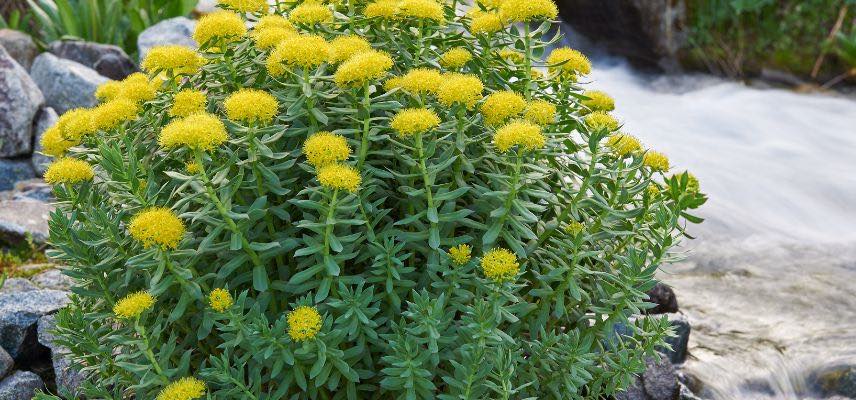
Rhodiola rosea is an adaptogenic plant that grows in cold regions of the world. It has been used for centuries in traditional medicine to help increase resistance to stress and improve mental clarity. It is often used to attenuate symptoms of stress and fatigue. Rhodiola rosea contains bioactive compounds such as rosavins and salidrosides, which help balance stress hormones in the body. Extracts of Rhodiola rosea are available in various forms, including capsules and tinctures. Follow dosage recommendations for safe and effective use.
Hypericum perforatum (St. John's Wort)
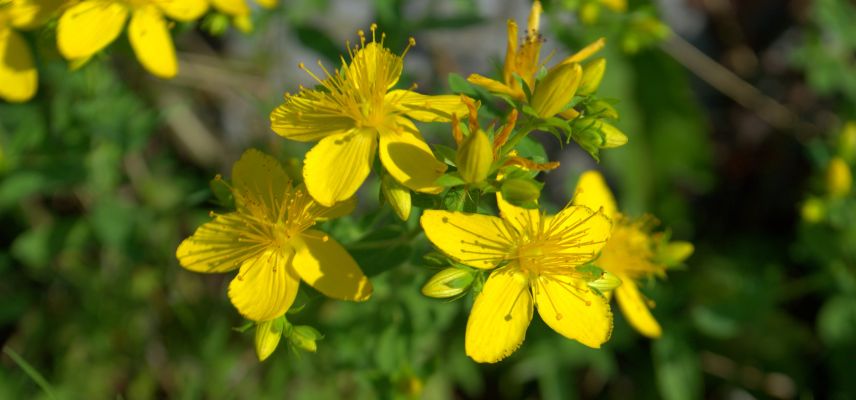
The Hypericum perforatum, commonly known as St John’s wort, is a medicinal plant with bright yellow flowers, known for its antidepressant and anxiolytic properties. It can help reduce symptoms of mild to moderate anxiety and depression. St John’s wort contains compounds such as hypericin and hyperforin, which act on neurotransmitters to improve mood and reduce anxiety. Extracts of St John’s wort are commonly used in the form of capsules or tinctures. However, it is important to note that St John’s wort can interact with certain medications, so it is advisable to consult a healthcare professional before using it.
→ Read Servane’s tutorial to learn about the benefits and uses of St John’s wort.
Griffonia
The Griffonia simplicifolia is a climbing woody plant native to West Africa. It has ovate leaves and flowers that range in colour from white to pale yellow. It is known for containing a substance called 5-HTP (5-hydroxytryptophan) in its seeds, a natural amino acid that helps regulate mood and promotes relaxation. 5-HTP is a precursor to serotonin, a neurotransmitter associated with well-being and stress management. 5-HTP extracted from Griffonia seeds is often used to promote relaxation, improve mood, and reduce symptoms of stress and anxiety. Griffonia extracts are typically used in the form of capsules or tablets. It is recommended to follow the manufacturer’s instructions for safe and effective use.
Ginseng
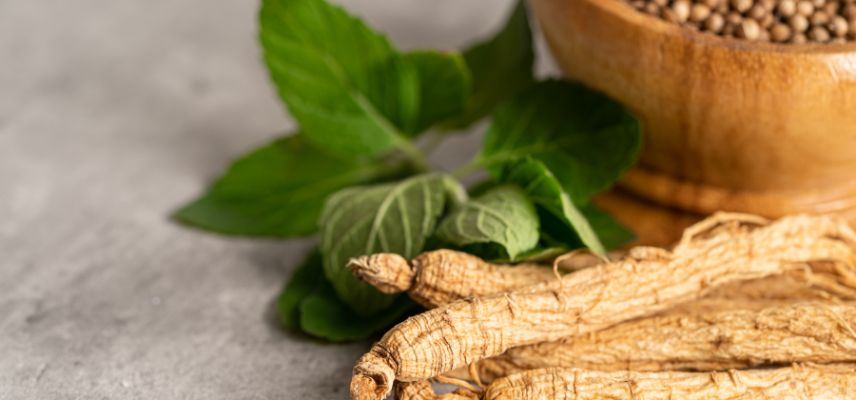
Ginseng is an adaptogenic plant that helps to attenuate the effects of stress on the body. Ginseng, particularly Panax ginseng, has long been used to increase stress resistance, improve concentration and energy, and promote healthy hormonal balance. Ginseng contains active compounds such as ginsenosides, which act as adaptogens, helping the body to adapt to stress and restore balance. It also stimulates energy and mental focus. You can consume ginseng in the form of capsules, powder added to food, or tinctures. Follow the recommended dosages to make the most of its benefits.
Hemp
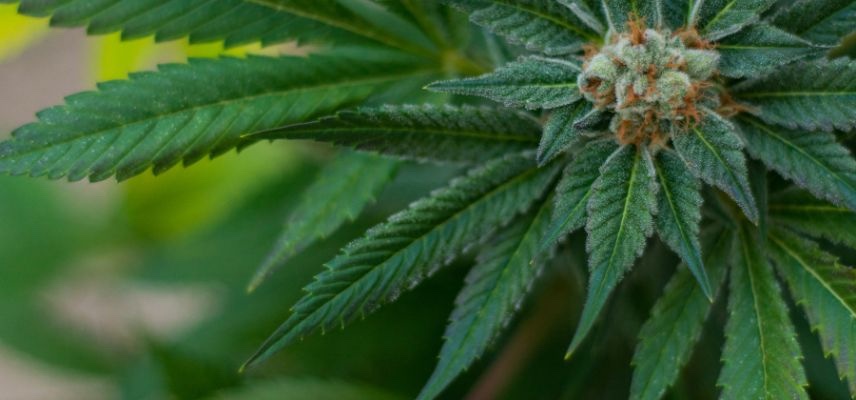
Hemp (Cannabis sativa) is a plant with multiple medicinal uses. It contains cannabinoids, notably cannabidiol (CBD), extracted from the flowers and leaves of the plant, which have relaxing, anxiolytic, and anti-inflammatory properties. CBD helps to calm the mind, reduce anxiety, and promote a sense of relaxation. It acts on the body’s endocannabinoid system, thereby contributing to the regulation of various physiological processes, including the stress response. Hemp-based products, such as CBD oils, capsules, or infusions, are becoming increasingly popular for managing stress. It is important to choose quality products from reliable sources.
Marjoram
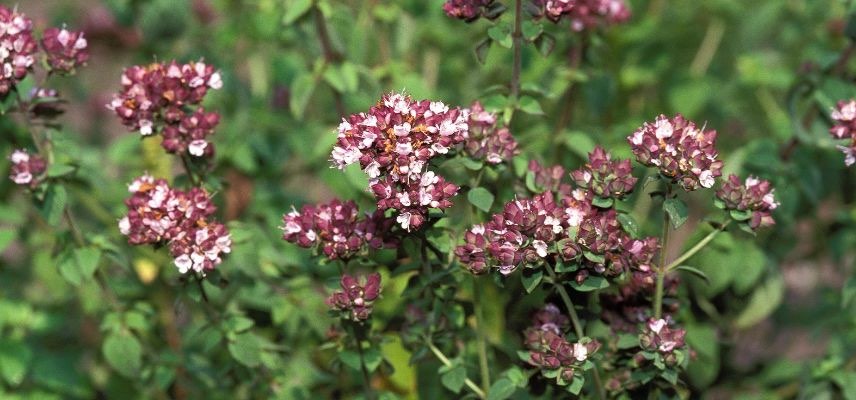
Marjoram (Origanum majorana) is an aromatic herbaceous plant from the Lamiaceae family, featuring ovate leaves and small white or pink flowers clustered in spikes. The active compounds in marjoram include linalool, terpinene-4-ol, and flavonoids. These compounds give the plant its relaxing, sedative, and antispasmodic properties. Marjoram is often used in herbal medicine to relieve stress, calm the nervous system, reduce anxiety, promote sleep, and soothe digestive disorders. You can consume marjoram as an infusion by adding hot water to dried leaves, or use its diluted essential oil for relaxing massages.
Some tips
Medicinal plants offer a natural and effective approach to managing stress. They provide valuable options for promoting relaxation and calmness. Whether in the form of herbal teas, infusions, capsules, or essential oils, the use of these plants can contribute to improving our overall well-being.
Remember to choose natural and quality products to fully enjoy the benefits of medicinal plants. It is also essential to take precautions in case of known allergies or potential drug interactions. Before starting any plant-based treatment, it is advisable to consult a healthcare professional to ensure an approach tailored to your individual situation.
- Subscribe!
- Contents
Comments