





























5 shrubs for a coastal hedge
and our tips to pair them with other beautiful evergreen shrubs
Contents
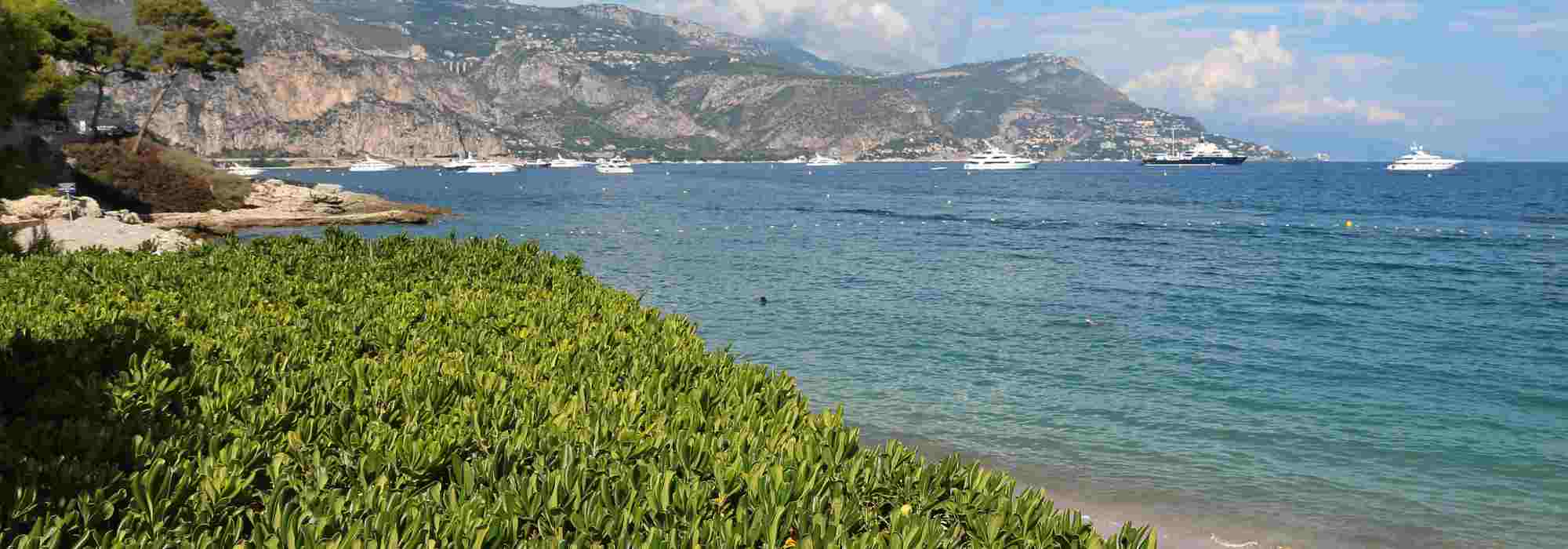
Coastal areas are subjected to salt spray, winds, often poor soils, and strong sunlight. Planting a hedge of evergreen shrubs helps shield you from the winds (and from prying eyes). The choice of the shrub is crucial to withstand specific climate conditions. Depending on how far you are from the coastline, you won’t plant exactly the same shrubs. To find shrubs well-suited to the seafront or coastal conditions, you often need to look toward New Zealand shrubs, many of which possess the required qualities. But there are others that can be planted with regard to their hardiness across regions. To shape a coastal privacy and ornamental hedge that is easy to live with, we recommend some of the most attractive shrubs in their category, and offer ideas for pairing them into a hedge to suit your garden type. → Find our full selection of evergreen coastal hedge shrubs.

Pittosporums
Whether they are small-leaved Pittosporums (Pittosporum tenuifolium) or large-leaved ones (Pittosporum tobira), Pittosporums, native to New Zealand or Japan, are wonderful shrubs in seaside gardens, particularly as hedges. The evergreen foliage provides an ideal screen to hide from prying eyes. Beyond this quality, they are truly ornamental for the quality of their foliage. Those with small leaves come in many varieties (green, variegated, or purple), and the Japanese Pittosporum has leaves much larger and glossier, and above all a white, very fragrant flowering (there is also a very pretty variegated version with Pittosporum tobira ‘Variegatum’). Growing to 3 to 5 m tall (or much taller if not pruned), they are also resistant to salty sea spray, which allows them to be planted even along the coastline.
When it comes to pairings, in a hedge in a garden with an exotic accent, try placing a Japanese Pittosporum near a flowering shrub such as Grevillea or even Callistemon, and another attractive evergreen shrub such as Olearia paniculata, with undulate leaves resembling Pittosporum tenuifolium, but with faster growth.
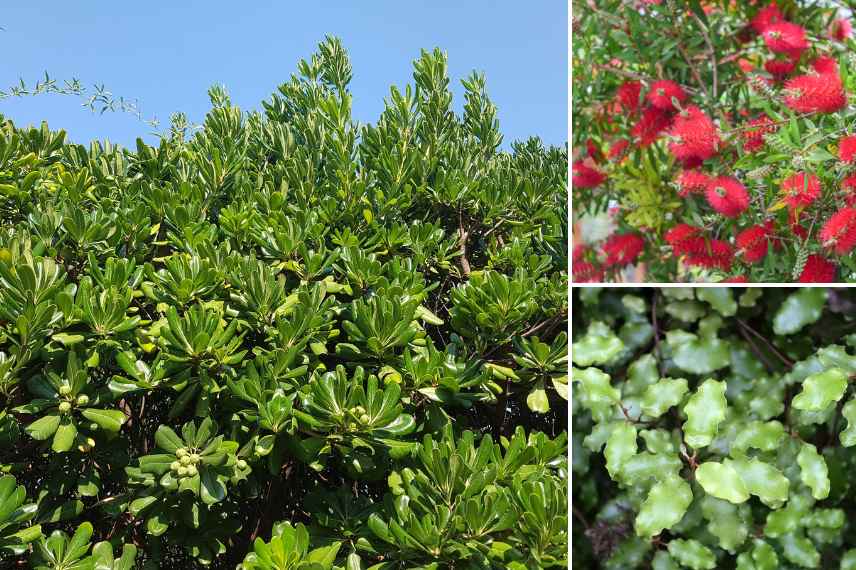
Pittosporum tobira, Callistemon citrinus, Olearia paniculata
Read also
Coastal garden designAtriplex halimus
Here is a well-known bush for hikers who walk the coastal paths. Atriplex halimus is a salt-tolerant shrub, i.e. able to withstand or adapt to high salt concentrations. It remains a medium-sized shrub, up to two metres in height, with a spread of about the same. This small shrub with silvery foliage, also known as the sea orache, is therefore the ideal shrub to plant in coastal border gardens or very close to the seafront. The Atriplex has the advantage of growing fairly quickly and staying attractive without pruning, which enhances its wild character, very much in keeping with the landscapes near the sea. You can, of course, tame its natural side by pruning it neatly, in straight lines.
In an easy-to-live hedge that keeps its spontaneous character, the Atriplex pairs well with brooms for informal hedges and with Brachyglottis greyi, which will bear golden-yellow flowers from spring through summer, but also with common junipers in appearance and with Pistacia lentiscus in the southern regions of France.
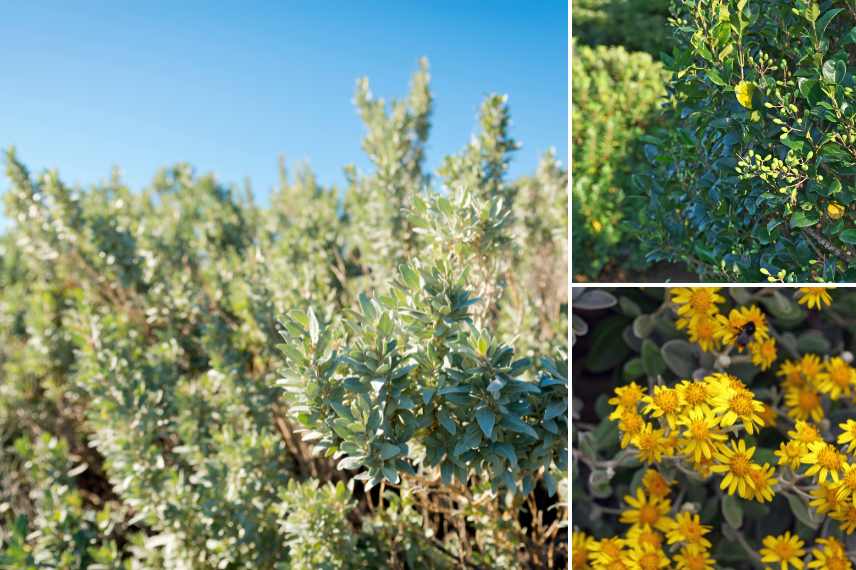
Atriplex halimus, Pistacia lentiscus and Brachyglottis greyi
Elaeagnus
Also commonly seen in holiday homes or coastal houses, and for good reason, Elaeagnus or Oleaster is the shrub essential for coastal hedges. Growing between 2 and 4 m in height depending on the species, it has evergreen foliage particularly ornamental, with undulate margins and coriaceous leaves adapting well to the coastal climate and to salt-laden sea spray. We mainly grow Elaeagnus x ebbingei, a hybrid with many cultivars of Elaeagnus macrophylla and Elaeagnus pungens, but the latter two are also suitable, as is Elaeagnus umbellata, although semi-evergreen, but very fragrant in May. The foliage is generally velvety and silvered on the underside. Flowering is discreet and occurs in autumn for most Elaeagnus ebbingei cultivars. Chalefs are the hardiest shrubs in our selection and can therefore establish themselves across the entire territory.
For an elegant, understated hedge that is easy to maintain, juxtapose several species with distinct foliage (Elaeagnus pungens ‘Maculata’, variegated with cream and yellow). You can also combine one or two species with greyish or variegated foliage with Escallonia for the summer-flowering touch.
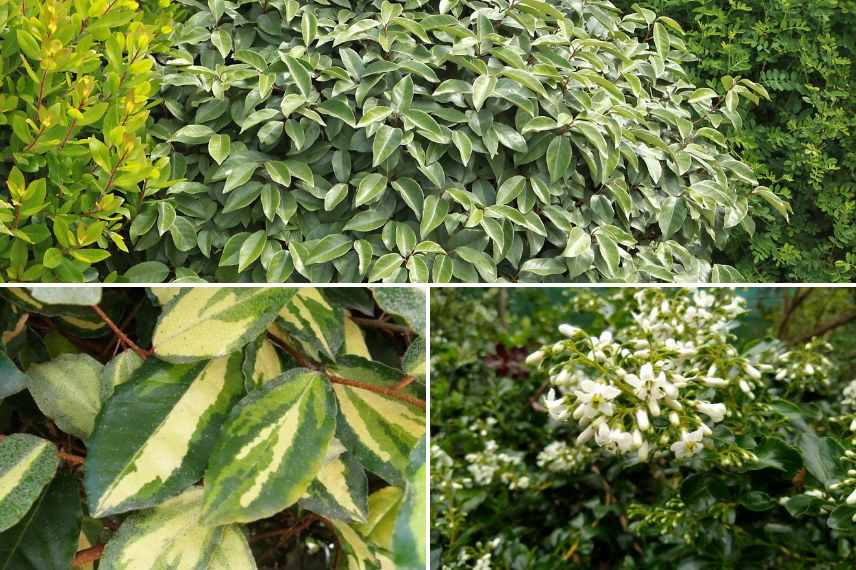 Elaeagnus ebbingei, Elaeagnus pungens ‘Maculata’, and Escallonia ‘Iveyii’
Read also
10 evergreen shrubs for coastal gardensRhaphiolepis
An evergreen shrub, little known, hardy to -8°C, the Rhaphiolepis is, however, perfectly suited for forming a coastal hedge along the Atlantic coast or the Mediterranean basin.
This handsome shrub comes from the dry, hot regions of China, Japan and Korea. It features a rounded habit and dense foliage, reaching 1 to 2 m tall by 1.5 m wide. The leaves are small, oval, leathery and slightly dentate, with a beautiful olive-green colour, emerging slightly coppery. Its superb flowering, white or pink depending on the varieties, is abundant and pleasantly scented, and moreover it is melliferous during the months of May or June. It sometimes appears earlier depending on the climate and can continue until August. This is therefore a species to consider if you want a hedge that flowers profusely over time. The flowers are then followed by small blue berries. A small drawback, as it grows slowly, it’s best to choose a well-developed plant to incorporate into your hedge, and in any case use it for relatively low hedges. It prefers acidic soils, but will tolerate neutral soil, and it will enjoy not-too-hot sun (to be planted in partial shade in the southern regions). It is worth pairing it with other evergreen shrubs, flowering or not, of similar size, such as Escallonia, Abelia, or a compact strawberry tree, or prune it into a ball to form a graphic or more contemporary hedge, alongside boxwoods and Elaeagnus.
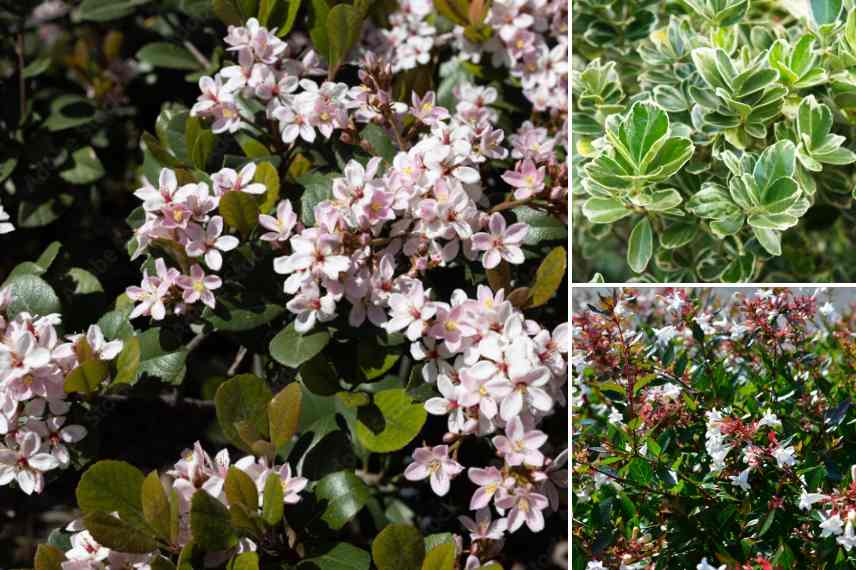
Rhaphiolepis umbellata in bloom, Japanese spindle ‘President Gauthier’ and Abelia grandiflora.
Corokaria
Here’s a shrub not as common as you might think, which proves to be an excellent subject for a hedge in areas that are very exposed to winds and salt spray. It is a shrub native to New Zealand, flowering in spring (May or June) with small yellow flowers. They will turn into red fruits in autumn. The Corokia forms a small shrub with an upright habit, around 2.5 m tall. Its foliage consists of very small leaves, growing densely across the entire shrub, and its twisted ramure is not without charm. It tolerates frosts down to -7°C, so it will suit the warmest coastal zones of the country. Slow-growing, it is particularly suited to hedges left to grow freely, as it hardly ever needs pruning.
The Corokia cotoneaster with dark-green leaves is the most common, but other species of interest for foliage colour can be found (bronze at the Corokia virgata ‘Frosted Chocolate’, or white-variegated for example at the Corokia ‘Sunsplash’).
Elaborate a mid-height informal hedge with the Corokia cotoneaster, whose spring flowering will harmonise with that of Coronilla glauca (here Coronilla valentina subsp. glauca ‘Citrina’) and with the bluish flowers of Ceanothus such as ‘Italian Skies’. A rosemary would also sit perfectly well in this wild, informal hedge. You can add along a fairly long linear stretch a few taller shrubs that grow faster: for example a semi-evergreen Japanese privet or a Griselinia littoralis.
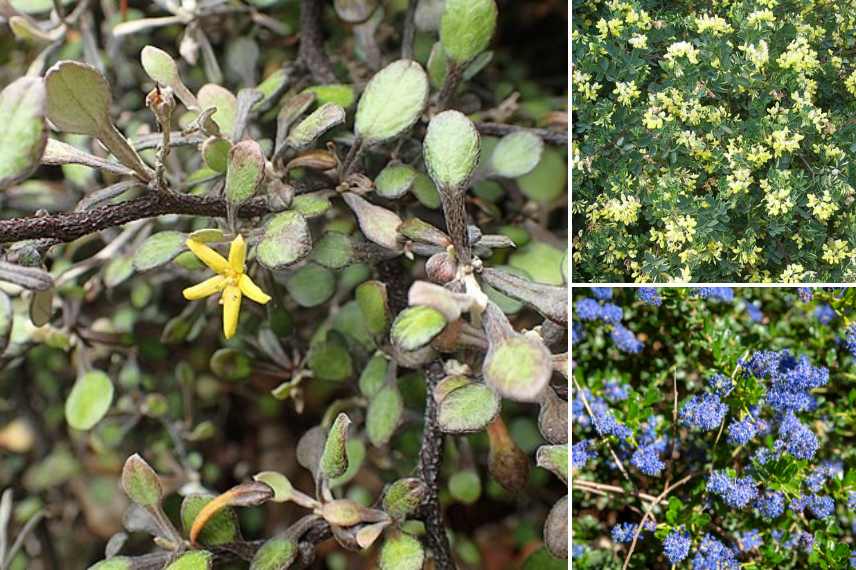
Corokia cotoneaster (photo Wikimedia Commons), Coronilla glauca, Ceanothus
Don't forget...
Besides the shrubs with attractive foliage that we feature in this guide, such as Olearia, the Arbutus unedo, the Japanese spindle, and flowering shrubs such as the Grevillea or the Callistemon (bottlebrush), you can also rely on: the Phyllirea angustifolia, the Griselinia littoralis, the rosemary (yes indeed! for low hedges), as well as, at least 100 metres from the coast, the indispensable Abelia grandiflora.
- Subscribe!
- Contents
Comments