


5 medicinal plants for digestive problems
Phytotherapy to naturally soothe digestive troubles
Contents
Almost half of the population suffers from digestive disorders (45% in 2021). These problems can have several causes: meals that are too large, consumption of inflammatory foods (very spicy, acidic or fatty), fizzy drinks, excessive alcohol, poor chewing, food intolerance (for example, coeliac disease), taking certain medications, etc.
Poor digestion leads to various symptoms, which can be unpleasant, even painful on a daily basis: bloating, nausea, belching or hiccups, flatulence or heartburn. To ease symptoms naturally, phytotherapy represents an increasingly widespread alternative to conventional medicines. Some plants indeed contribute to digestive wellbeing and help to ease digestion. They can be consumed in various forms, as herbal teas, essential oils or dietary supplements. Of course, maintaining an overall healthy lifestyle is recommended alongside the use of medicinal plants.
Here is therefore our selection of five plants renowned for their digestive benefits, along with our tips on how to use them.

Precautions for use
Phytotherapy uses plants and their extracts to treat various ailments. Although it is natural and regarded as a gentle medicine, it is not without risk. Some precautions must therefore be taken before using a plant for therapeutic purposes.
- If you harvest your own medicinal plants, it is essential to identify them with 100% certainty to avoid any risk of poisoning. Do not collect plants near polluted areas, such as road verges, near construction sites or factories, cultivated fields, etc.
- Prefer the most natural and pure products possible, ideally organic (without pesticidal treatment), to maximise the benefits of the plants.
- Seek advice from a professional in advance if you have chronic health problems and take other medicines, with which medicinal plants may interact.
- Essential oils are potent products. Before topical application, always perform a patch test on a small area of skin to ensure you do not trigger an allergic reaction. Essential oils are often contraindicated during pregnancy or breastfeeding, as well as in young children. Finally, some are photosensitising or oestrogen-like (strongly discouraged when treating certain cancers). Always seek advice from a professional before use.
- Always follow the recommended dosages.
Read also
10 medicinal plants to relieve headachesPeppermint
Benefits
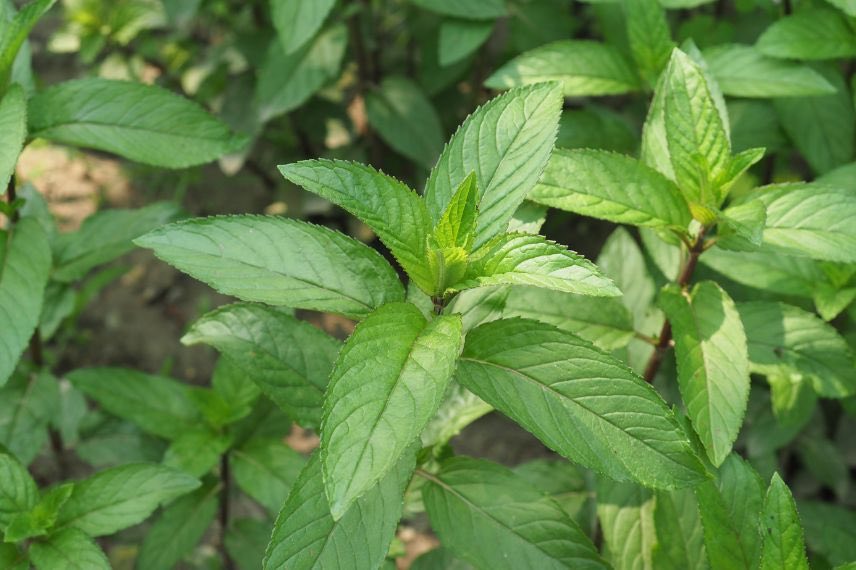
Peppermint, or Mentha piperita is distinguished by its dark green, pointed leaves, which give off a stronger aroma than other mints. If its leaves are used to flavour savoury dishes (raw-vegetable salads, grilled dishes, sauces) or sweet dishes (fruit salads, smoothies, infusions), this perennial is also prized for its numerous benefits.
Its antispasmodic (relieving spasms), anti-inflammatory and carminative (relieving intestinal gas) properties help relieve most digestive problems. Peppermint indeed promotes transit, which relieves the painful sensations of bloating, aerophagia, spasmodic colitis or heartburn. It also helps combat nausea. Its choleretic properties influence bile production in the gall bladder, contributing to the digestive process.
Uses
As a herbal tea, use the equivalent of one teaspoon of fresh or dried leaves in a cup. Pour boiling water and let infuse for about 10 minutes. Strain the infusion (or place the leaves in a tea strainer or a tea ball). To be drunk after meals.
Peppermint essential oil is taken orally to help with digestive problems. Place 1–2 drops onto a neutral carrier (tablet or half a sugar cube) or into a teaspoon of vegetable oil. Take preferably during or after meals.
For nausea, peppermint essential oil can be used by inhalation. Place 2–3 drops on a tissue to inhale regularly.
Growing peppermint in the garden
Peppermint is a perennial plant that can be grown in the ground or in pots. Note that it spreads quickly: be sure to choose its location in the garden to prevent it from becoming invasive. Provide it with a partially shaded position, in rich, well-drained soil that stays moist (not waterlogged).
For more information: Mint: planting, growing, cutting
Lemon balm
Benefits
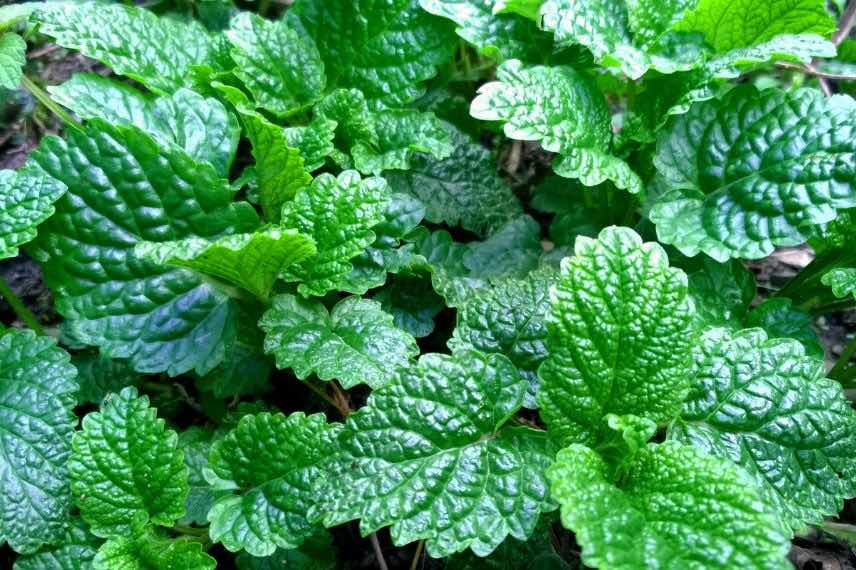
As its name suggests, the lemon balm (Melissa officinalis) has leaves with tart and lemony notes. This aromatic plant subtly flavours dishes, but it is also of interest for its antispasmodic properties, which soothe certain digestive issues. It has also been used since 1611 in the famous Eau de Mélisse des Carmes, this alcoholic preparation containing 14 plants and 9 spices, which would ease indigestion.
The properties attributed to it are numerous and ideal in cases of difficult digestion: anti-inflammatory, intestinal antifungal, antispasmodic, cholagogic. It stimulates the secretion of gastric juices, aiding digestion, reduces intestinal gas, and eases spasms.
Uses
In a herbal tea, place the equivalent of one teaspoon of fresh or dried leaves in a cup. Pour in boiling water and allow to infuse for about 10 minutes. Strain the infusion (or place the leaves in a filter or a tea infuser). To drink after meals.
In mild digestive disturbances, chewing a few fresh lemon balm leaves can also provide relief.
Growing lemon balm in the garden
Lemon balm grows just as well in the garden as in pots. Plant it in a sunny or partly shaded position. It prefers moist soils, fairly rich in organic matter, but light in texture. Like peppermint, it tends to spread and can easily take over, so choose its location carefully from the outset.
For more information: Lemon balm: sowing, planting, cultivation
Read also
12 medicinal plants to reduce stressTurmeric
Benefits
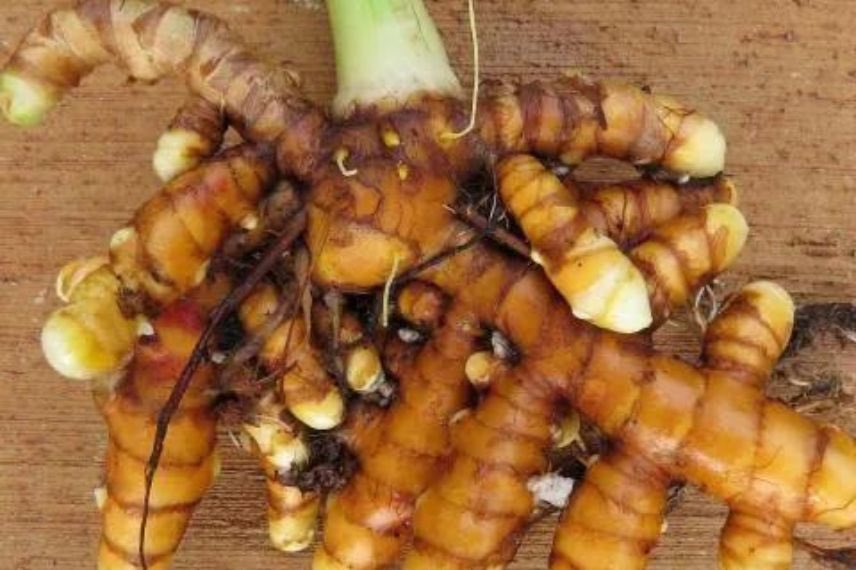
You surely know turmeric (Curcuma longa) in its orange, powdery form. This spice, made from the plant’s rhizomes, is particularly used in Indian cooking. But it is also a medicinal plant that stimulates digestion, relieves stomach pains and protects the gastric mucosa. Rich in curcuminoids, its properties are believed to be anti-inflammatory and antiemetic. The plant has, moreover, been used for centuries in traditional Chinese medicine for its various virtues.
Uses
Add a teaspoon of ground turmeric to your dishes to aid digestion, in combination with black pepper. This latter indeed helps the absorption of curcumin. The powder can also be used in an infusion.
Use turmeric in a decoction if you have a piece of rootstock (now increasingly available from organic shops, online or Indian grocers). To do this, boil the equivalent of a teaspoon of cubed roots in a pan of water for 3 minutes (note, turmeric juice stains fingers and kitchen utensils easily!). Let it infuse for about ten minutes. Strain and drink. You can add ginger, also known for its digestive benefits and tonic properties, and honey for a touch of indulgence.
Finally, there are also dietary supplements in capsule or tablet form.
Growing turmeric in the garden
Turmeric is a frost-tender plant, which can only be grown outdoors in regions where frost is rare or does not occur (below -5°C). It can, however, be grown in a pot, brought indoors to protect from frost in winter. Give it a warm and sunny position, as well as a rich and well-drained substrate (which does not retain excess water).
For more information: Turmeric: planting, harvest, benefits and How to harvest and use turmeric in cooking?
Fennel
Benefits
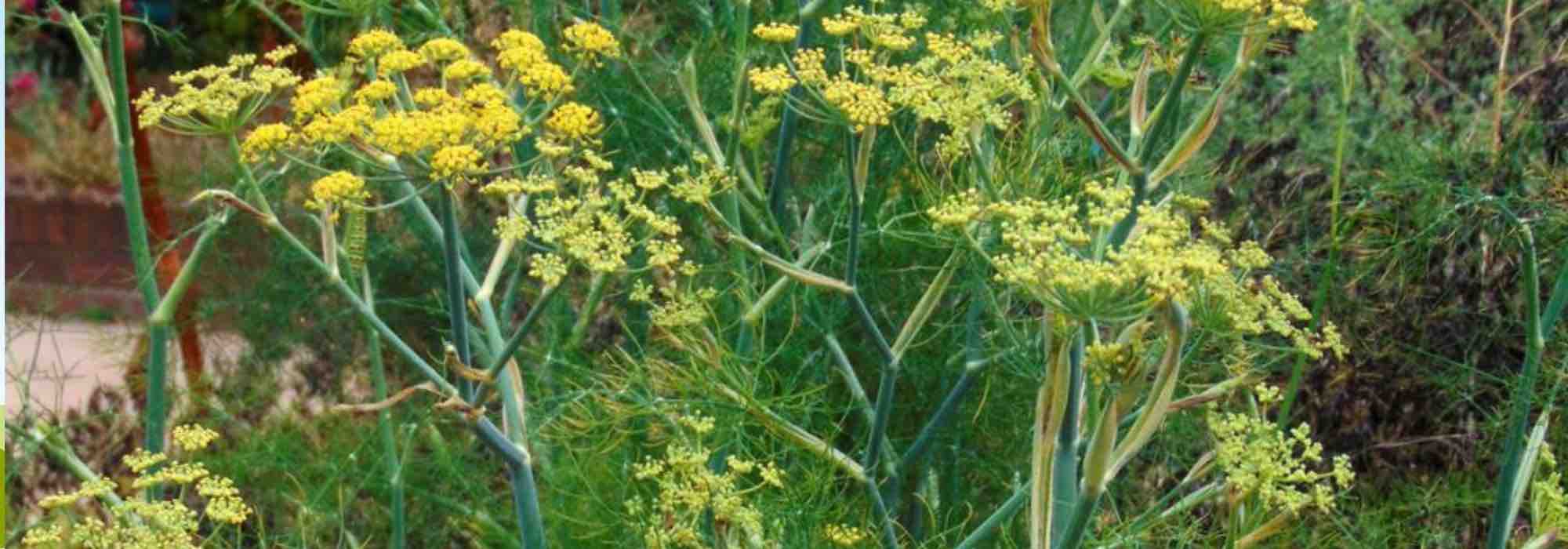
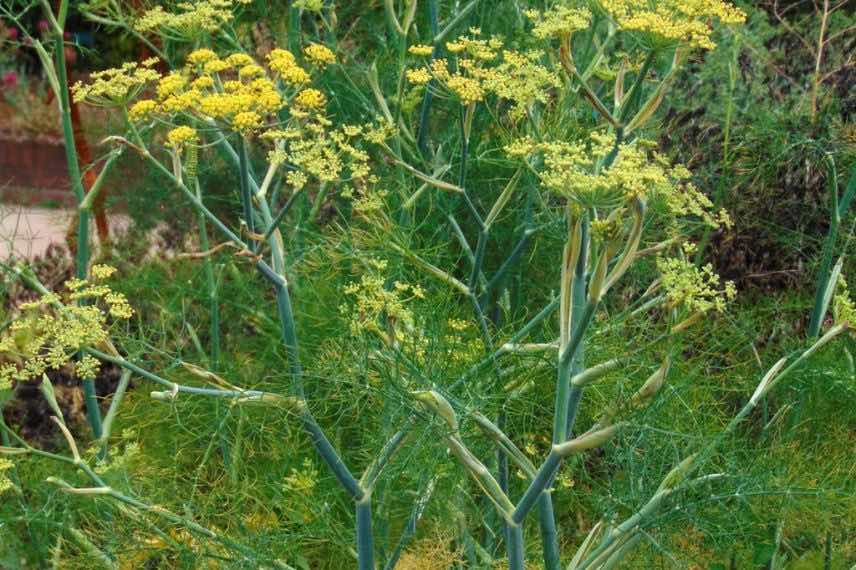
Fennel (Foeniculum vulgare) is an aromatic perennial with a mild aniseed flavour. It is especially its seeds that are known for their digestive properties, thanks to their high content of antibacterial anethole. They are also appetite-stimulating, i.e., they stimulate the appetite. The fennel essential oil contains, for its part, fenchone, an antispasmodic compound. Some digestive troubles may therefore be eased by fennel, such as bloating, flatulence, nausea or abdominal pain.
Uses
As a herbal tea, use the equivalent of a teaspoon of fennel seeds previously ground (crushed with a pestle and mortar or with the flat of a knife blade) in a cup. Top up with boiling water and steep for 10 minutes. Strain the infusion (or place the seeds in a filter or a tea ball). To be drunk between meals, 2–3 times a day.
For digestive comfort, fennel essential oil should be diluted in a carrier oil (80% carrier oil to 20% essential oil), to be applied as a massage to the abdomen. Do not expose the skin to sunlight for several hours after application.
Growing fennel in the garden
Fennel prefers full sun, in deep, cool but well-drained soil. Plan for space: it can reach up to 2 metres tall and is not regarded as a particularly good companion plant for other plants in the garden.
For more information: Fennel: sowing, cultivation, maintenance and harvest
Sage
Benefits
The common sage (Salvia officinalis) is part of those plants with many virtues. Antispasmodic, it helps relieve stomach cramps, reduce bloating and gas. It is therefore a medicinal young plant ideal for aiding digestion.
Uses
Fresh or dried leaves can be incorporated into rich or difficult-to-digest dishes.
After a too-hearty meal, prepare a sage infusion by placing a teaspoon of leaves in a cup and pouring boiling water over it. Strain the infusion (or place the leaves in a tea filter or a tea ball). To be drunk 1 to 2 times a day.
Growing sage in the garden
Sage will thrive in a sunny position, in well-drained soil, even when dry, poor and free-draining. It dislikes damp, especially in winter.
For more information: Sage, Salvia: planting, pruning, maintenance
Other plants useful for digestion problems
This list is not exhaustive, as there are many other useful medicinal plants for digestive troubles. For example:
- ginger and artichoke, which stimulate bile secretion to aid digestion;
- summer savory, which contributes to digestive comfort;
- rosemary, which stimulates the production of digestive juices;
- aloe vera, which regulates intestinal transit;
- liquorice, which soothes the digestive system;
- thyme, which reduces bloating and flatulence;
- dandelion, which alleviates digestive discomfort and constipation;
- chamomile, thanks to its antispasmodic and anti-inflammatory properties;
- coriander, which helps reduce intestinal gas
- Subscribe!
- Contents

Comments