





























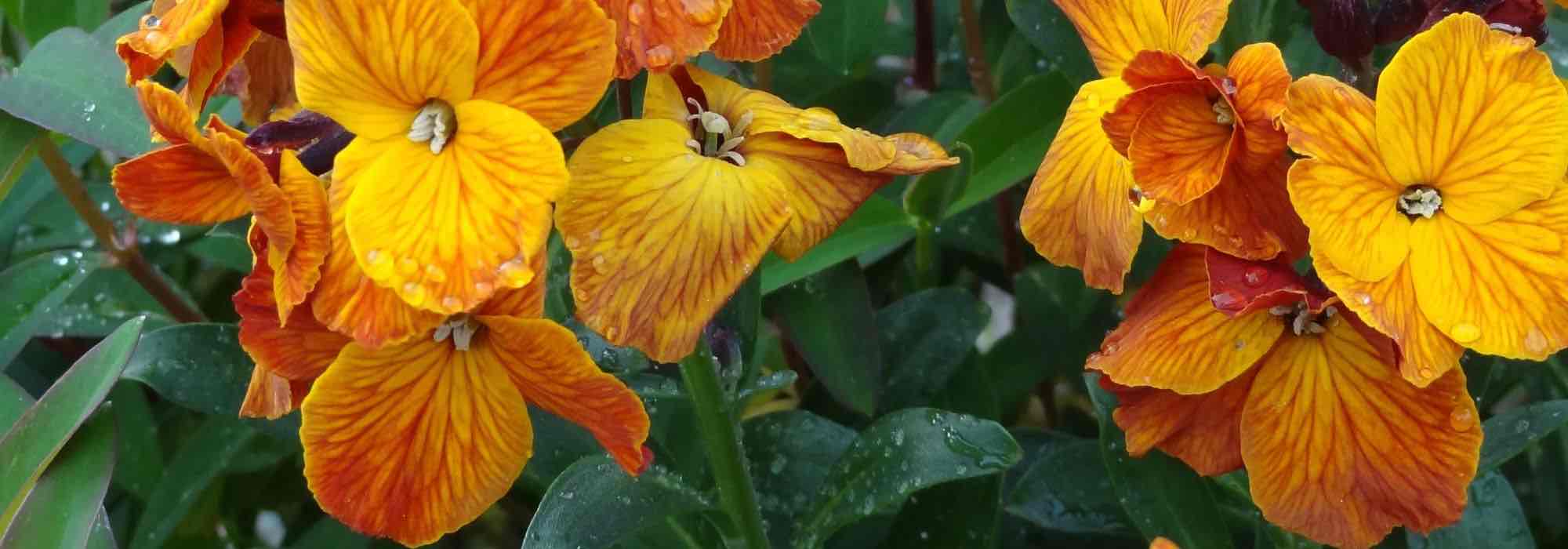
Autumn biennials: common growing mistakes to avoid
Tips for spectacular late-season flowering
Contents
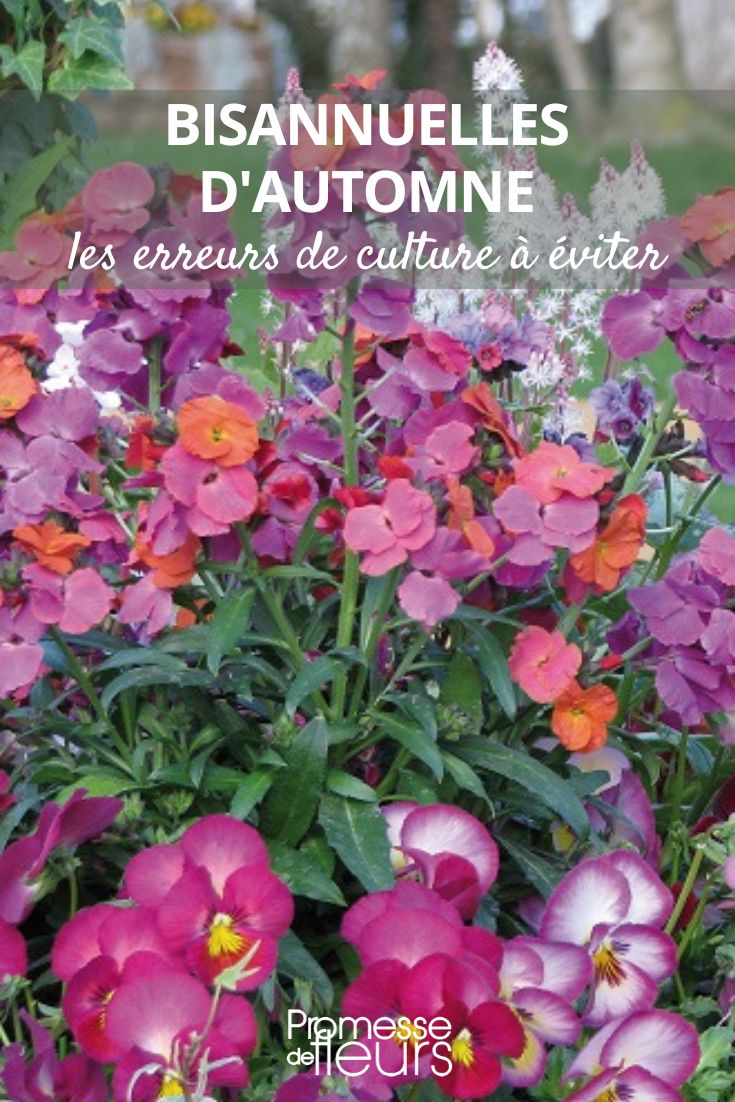
Autumn biennials are plants that are planted in autumn and have a life cycle that spans two years. In the first year, they develop their roots and their foliage, and in the second year, they flower abundantly in spring before dying. Among autumn biennials are the following: pansies, the forget-me-nots, the daisies, the garden primroses, the wallflowers, money plants. As with all types of plants, autumn biennials are easy to grow if you take their cultivation and care requirements into account. Life cycle, climate, hardiness, soil, exposure, planting period, exposure, maintenance: discover the common cultivation mistakes to avoid to obtain beautiful autumn biennials in your garden or on your balcony.

To misunderstand the life cycle of biennials
Biennial plants have a life cycle that spans two years. In the first year, they develop their roots and their foliage, then they bloom from the second year in spring. So do not expect flowering in the first year of cultivation. It is normal for biennial plants to produce abundant flowering only from the second year of cultivation.
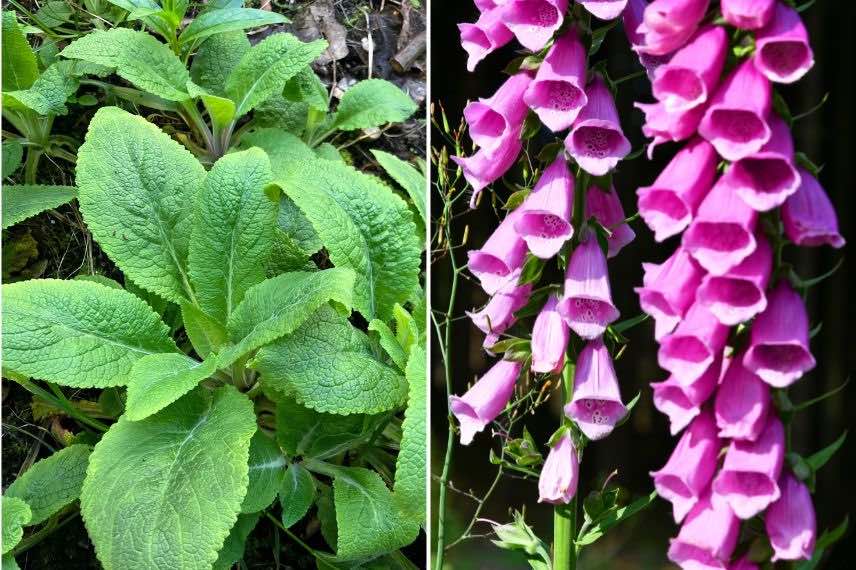
Digitalis forms a rosette of foliage in the year of planting and flowers the following year
Choosing biennials ill-suited to your climate
Not every plant has the same cultivation needs. Some are better suited to certain types of climate and they have different frost hardiness. Failing to take into account the cultivation conditions you offer to a plant is a mistake that will surely lead to failure.
For each biennial, research the climate that suits it best, as well as its hardiness. And plant them in the best conditions.
Among autumn-biennials, the hardiest are pansies, daisies, forget-me-nots. Wallflowers also have good hardiness. Ranunculus and some wallflowers have low hardiness and may need to be protected from cold and frosts.
Not taking into account of soil type or substrate
Finding out the type of soil suitable for a plant is another common-sense tip for successful planting. Biennials generally prefer well-drained soil, as this helps prevent the roots from rotting, but each may have specific needs regarding the nature of the soil. In a planter, use a high-quality, rich, well-drained potting compost for flowering plants.
Skipping the sowing or planting window
Other information to maximise your chances of success with biennials: the right time to sow or plant.
- If you are planning to sow autumn biennials, the ideal period is the end of summer, though this can vary by variety. Sowing remains delicate for biennials, and direct planting in the ground is easier to get right.
- For garden planting, the best time is autumn, before the frost or in spring. This gives plants enough time to develop their roots and foliage before flowering. They also benefit from a cold period necessary for flowering. This process is known as ‘vernalisation’.
- If you wish to plant autumn biennials in pots or planters, set them out from September when they are plug plants and until November when they are sold in pots. To supplement your knowledge on planting biennials in plug plants, discover our advice sheet: “Plant biennials in plug plants“.
Planting in the wrong place
Some autumn biennials are better planted in a garden border, while others are also suited to pot culture on a balcony. Take these two uses into account and ensure you do not pot up a biennial that is better suited to growing in the ground.
Biennials such as foxgloves or honesty have an upright habit and are grown in a garden border.
The other biennials, such as pansies, daisies, primroses or forget-me-nots, can be grown in the ground in a garden or in pots on a balcony.
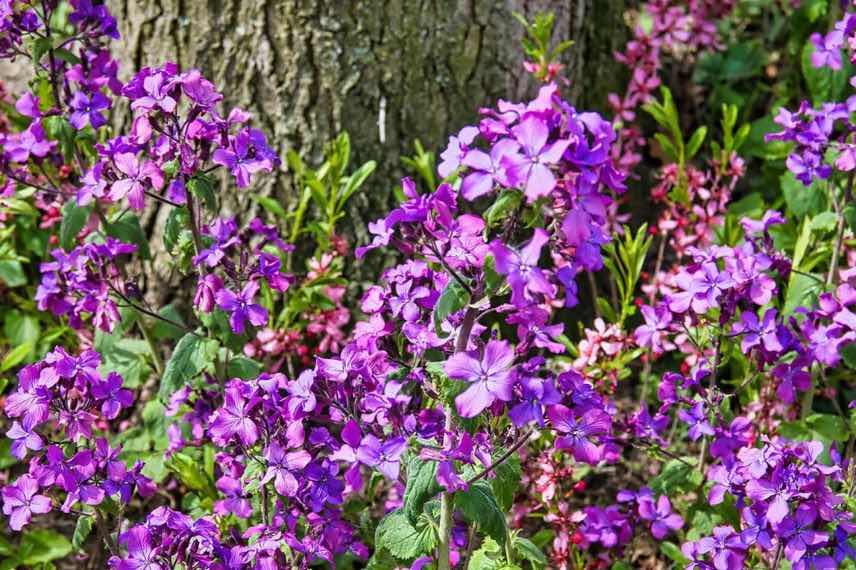
Honesty, suited to in-ground cultivation, forms an erect tuft that can, for example, form a groundcover at the foot of a tree
Choosing the wrong exposure.
Many autumn-biennials thrive in full sun or partial shade, which leaves a wide choice of sites to plant them. Nevertheless some plants prefer shade or partial shade, as with certain varieties of primroses Double Primrose ‘Belarina Beaujolais’ – Primula vulgaris.
Again, it’s best to take these considerations into account to ensure successful planting.
Forgetting to water and encouraging flowering
Biennials thrive in drained soil, but that doesn’t mean you should neglect watering them regularly to keep the soil slightly moist. This is all the more true for biennials grown in pots or containers, which do not receive rainfall and should be watered in winter as well.
To maintain some moisture in the soil, you can also apply mulch. It will also help protect your plants from potential pests.
Don’t forget to apply liquid fertiliser to promote flowering from the start of spring.
Another tip not to neglect: remove faded flowers as they appear to prevent the plants from exhausting themselves by producing seeds and to encourage subsequent flowering.
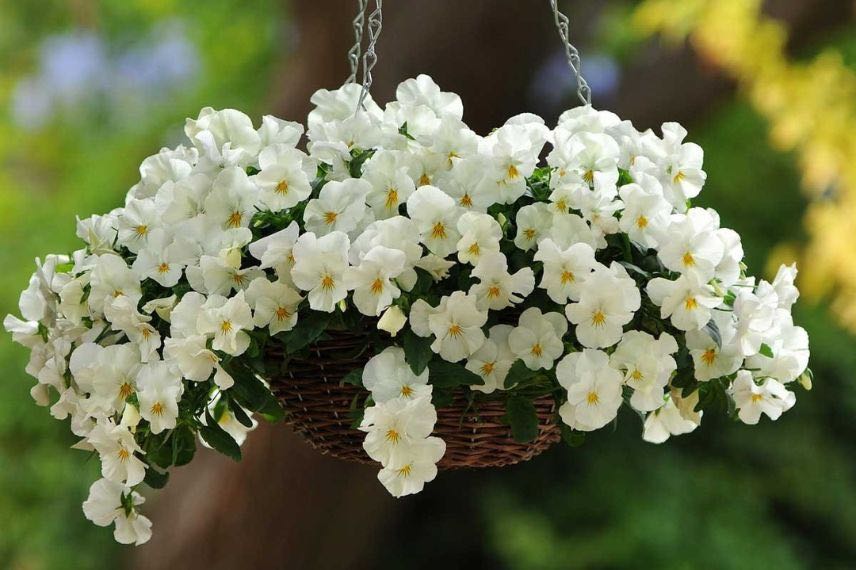
Many biennials, such as the Cool Wave pansies shown here, bloom abundantly and for a long time. They benefit from regular fertiliser applications and regular watering to support this abundant flowering
- Subscribe!
- Contents
Comments