





























Diseases and parasitic pests of Akebia
Identification, prevention and natural treatments
Contents
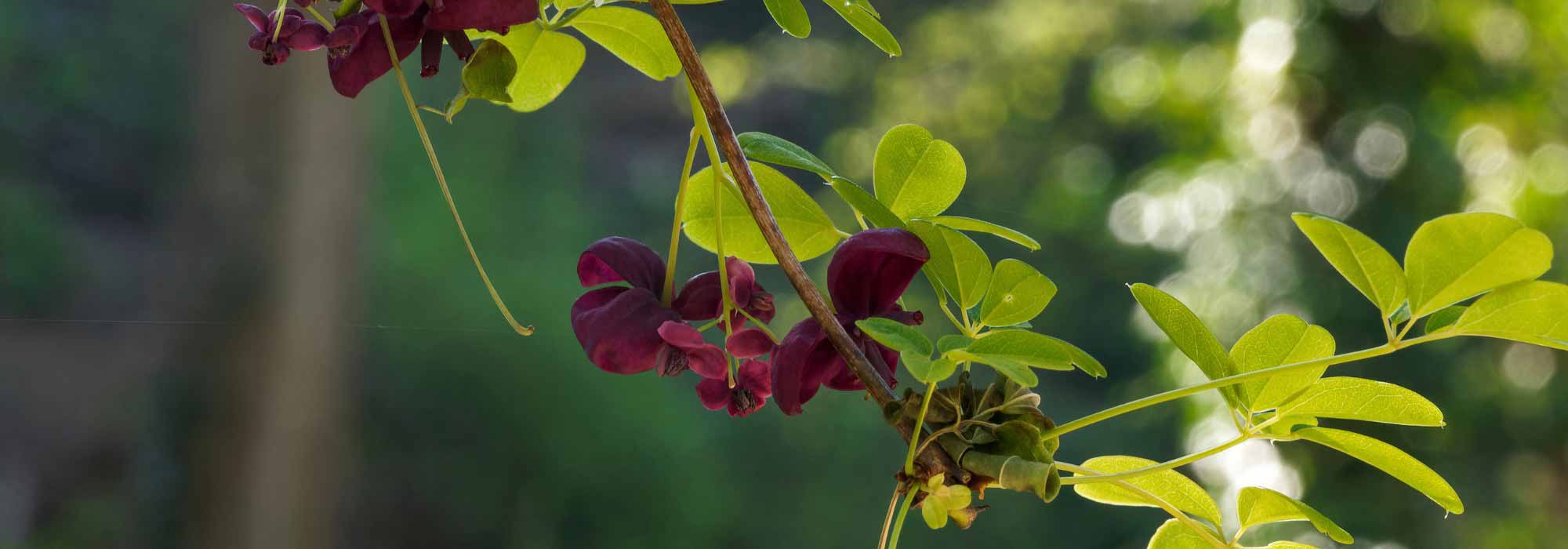
Akebia, commonly known as Akebia or “Chocolate vine”, is a climbing plant with exotic charm ideal for dressing walls, pergolas and fences. With its clusters of purple flowers with a vanilla fragrance and its lush foliage, it forms a handsome liana that can reach 5 to 8 metres in three to five years. Akebia is not very prone to diseases, but some problems may nevertheless arise, especially if grown in unfavourable conditions. Discover the most common diseases and pests affecting Akebia, as well as natural and effective treatments to combat them and preserve the health of your plant.

Common diseases of Akebia
Root rot
Root rot is one of the most common diseases in Akebia. It is generally caused by excess moisture in the soil, which promotes the proliferation of pathogenic fungi. These fungi attack the roots, preventing them from absorbing the water and nutrients the plant needs.
Symptoms
The symptoms of root rot include yellowing of the leaves, wilting of the stems and slow growth. Leaves may also drop prematurely.
Prevention
To prevent root rot, ensure you do not overwater your Akebia and maintain good soil drainage. A well-drained soil allows water to flow away properly, reducing the risk of rot. You can also add compost to improve drainage.
Treatment
Unfortunately, once the roots are severely damaged, it is difficult to save the plant. It is therefore essential to prevent this disease by providing well-drained soil and avoiding overwatering.
Powdery mildew
Powdery mildew is a fungus that can affect Akebia, causing a white powdery coating on the leaves. The fungus thrives particularly in humid and warm conditions. It feeds on the sap of the plants, weakening their ability to photosynthesise.
Symptoms
We observe the appearance of a white powdery coating on the leaves, which can spread to the stems and flowers. Leaves may also become deformed and yellow.
Treatment
Spray a solution of bicarbonate of soda (1 teaspoon per litre of water), nettle manure or a horsetail decoction. Repeat treatments every 7 to 10 days until the symptoms disappear. You can also improve air circulation around the plant by spacing plantings and avoiding overwatering.
For more information, see our tip sheet: “Powdery mildew or white disease”.
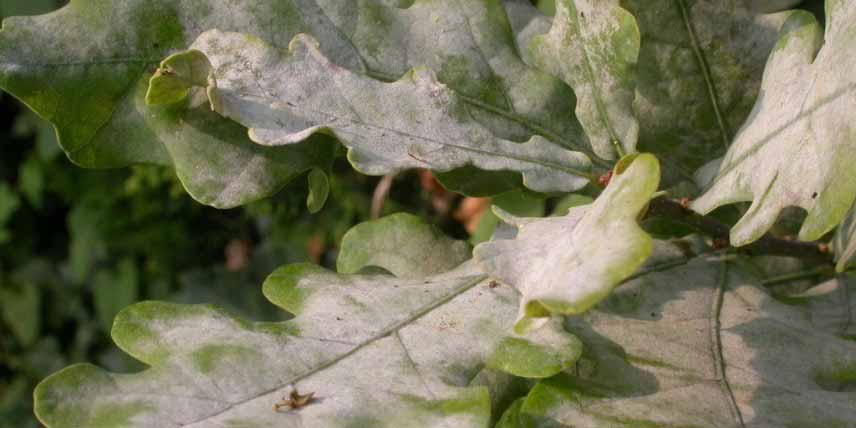
Powdery mildew is characterised by the appearance of a white felt on the foliage, here on oak leaves (photo: Gilles San Martin)
Rust
Rust is a fungal disease that affects Akebia leaves. It develops particularly in humid and warm conditions.
Symptoms
Symptoms of rust include the appearance of red, orange or brown spots on the leaves, which can develop into pustules. Leaves may thus yellow and drop prematurely.
Prevention
To prevent rust, ensure good air circulation around your Akebia and avoid overwatering.
Treatment
Remove infected leaves as soon as they appear and treat with a Bordeaux mixture or a horsetail decoction.
For further reading, see our tip sheet: “Rust: identification, treatment and prevention”.
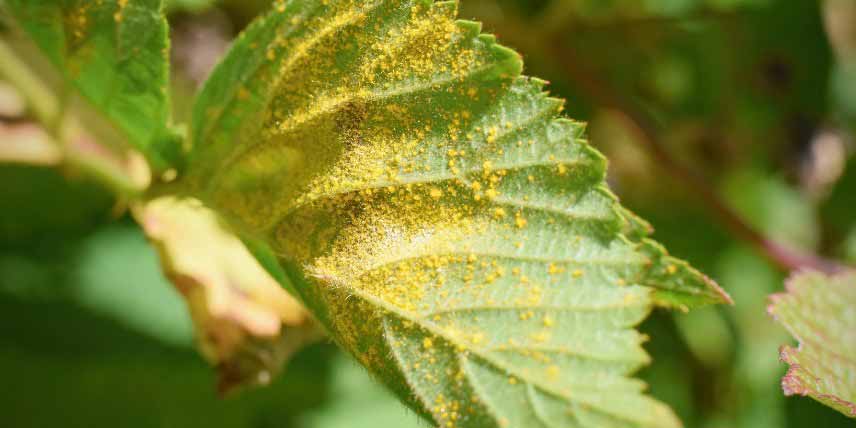
Rust is recognised by the appearance of orange spots on the foliage
Leaf spots
This fungal condition can affect Akebia, especially in damp periods, causing brownish spots on the leaves and potentially weakening the plant if left untreated. These spots mainly affect plants exposed to excess moisture and a lack of aeration.
Symptoms
Leaves show brownish spots that can spread and lead to distortion or drop.
Treatment
Remove the affected parts and apply a horsetail decoction or a garlic decoction as preventive and curative treatment. Ensure good air circulation around the plant and avoid watering the foliage.
Read also
How to grow Akebia in a pot?Common Akebia pests
Aphids
Aphids are among Akebia’s most common pests. These small insects feed on plant sap, which can weaken the plant. They can also transmit viruses and other diseases.
Symptoms
An aphid infestation is characterised by yellowing leaves, deformed stems and a sticky substance (honeydew) on leaves. You may also see aphid colonies on leaves and stems.
Treatment
Spray a diluted solution of black soap or use a strong jet of water to dislodge aphids. The presence of companion plants such as the nasturtium can also act as a natural repellent. You can introduce natural predators such as the ladybirds and the lacewings that feed on aphids.
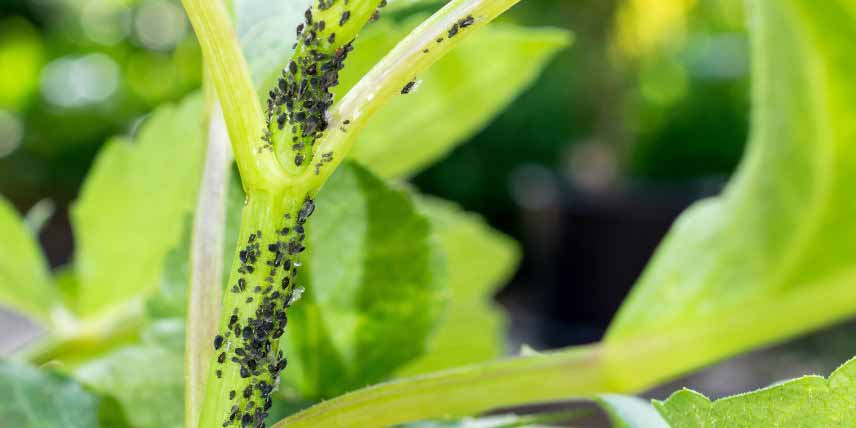
A colony of black aphids
Mealybugs
Mealybugs do not pose a major threat to Akebia. However, under stress conditions (such as excess humidity or poor air circulation), infestations can sometimes occur, though they remain rare and generally of little concern for Akebia. Mealybugs are parasitic insects that attach to plants to suck sap and are recognisable by their waxy shell which can be brown, white or cottony depending on the species.
Symptoms
Brown, waxy spots appear on leaves and stems. Mealybugs secrete a sticky substance, honeydew, which promotes the development of sooty mould, a blackish fungus that weakens the plant.
Treatment
Gently spray the infested parts with a solution of black soap or 70% alcohol. Neem oil can also be used as a biological treatment, ensuring it is applied evenly.
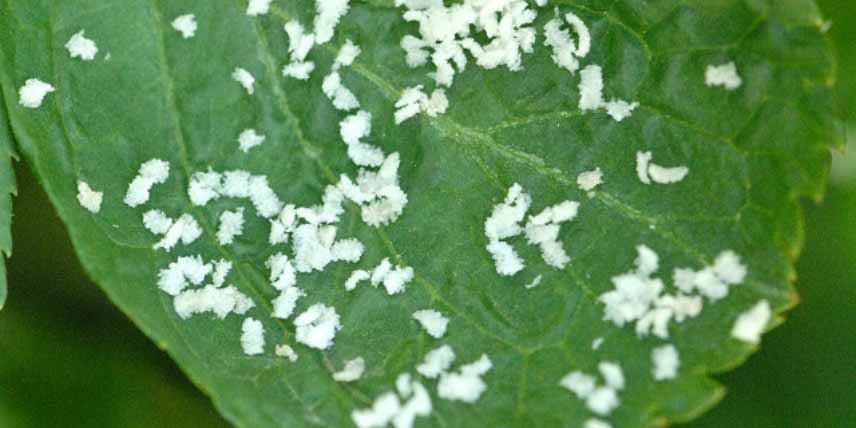
Cottony cushion scales
Slugs and Snails
These pests can attack young shoots and tender leaves of Akebia, especially in spring. They are particularly active at night and in damp conditions.
Symptoms
Irregular holes in leaves and slime trails on leaves and the soil appear. Young shoots may also be completely eaten.
Prevention
Install barriers of ash, crushed eggshells or coffee grounds around the base of the plant to deter them. Beer traps can also be effective at drawing them away from the plant.
Discover our slug control solutions
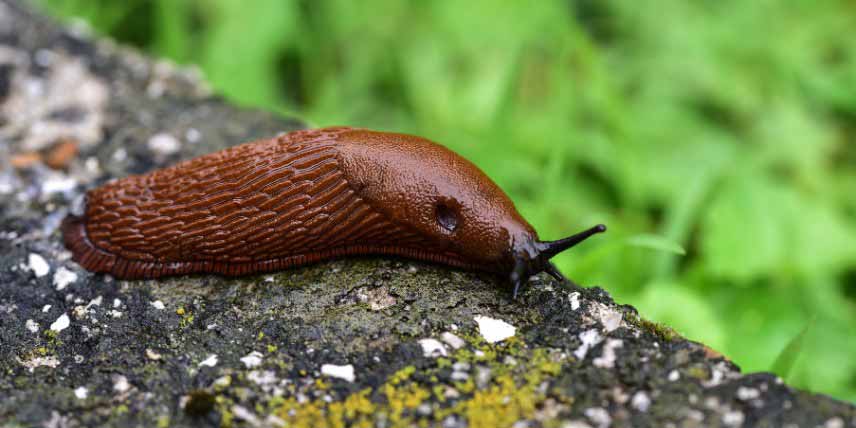
Slugs
- Subscribe!
- Contents
Comments