





























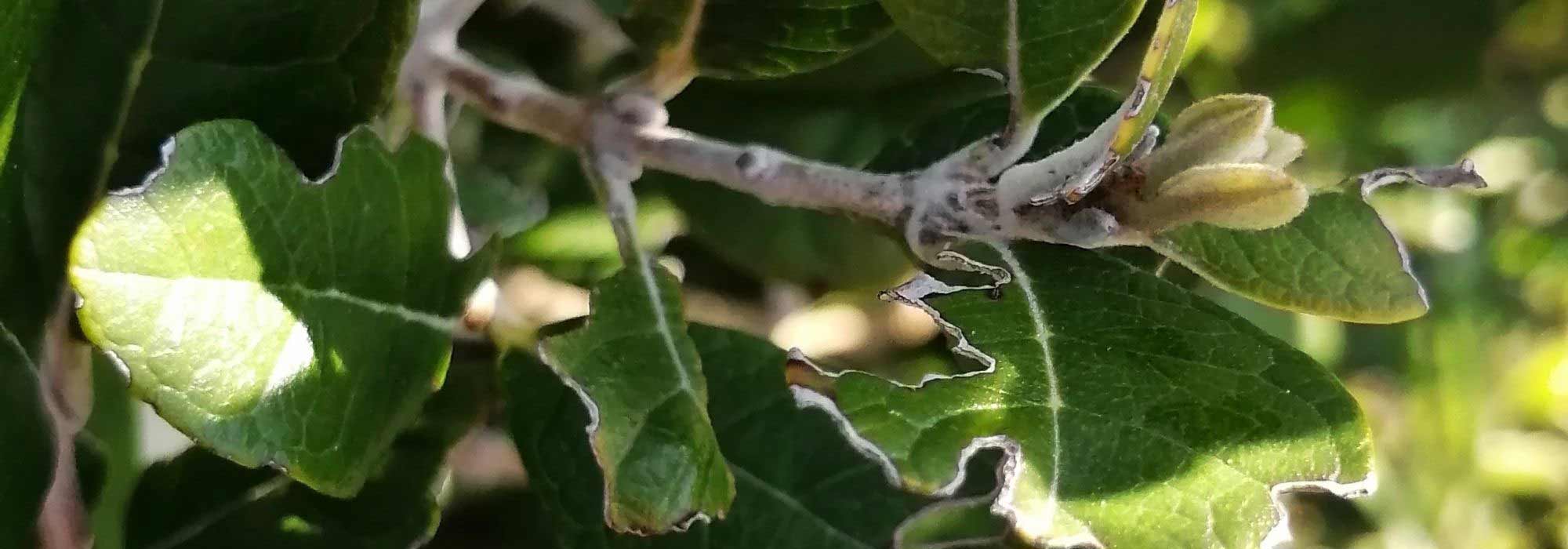
Diseases and Pests of Feijoa
Detecting and treating them naturally
Contents
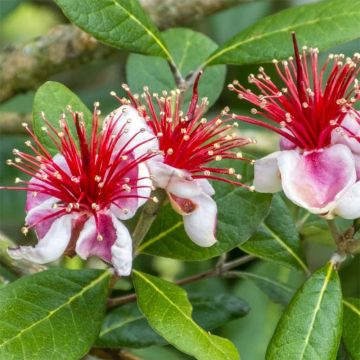
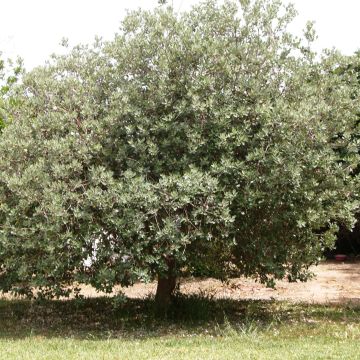
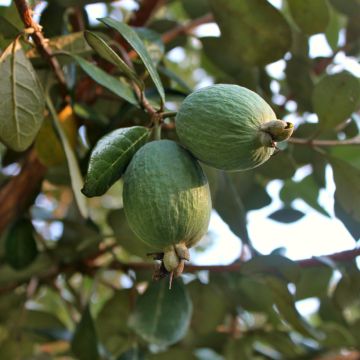
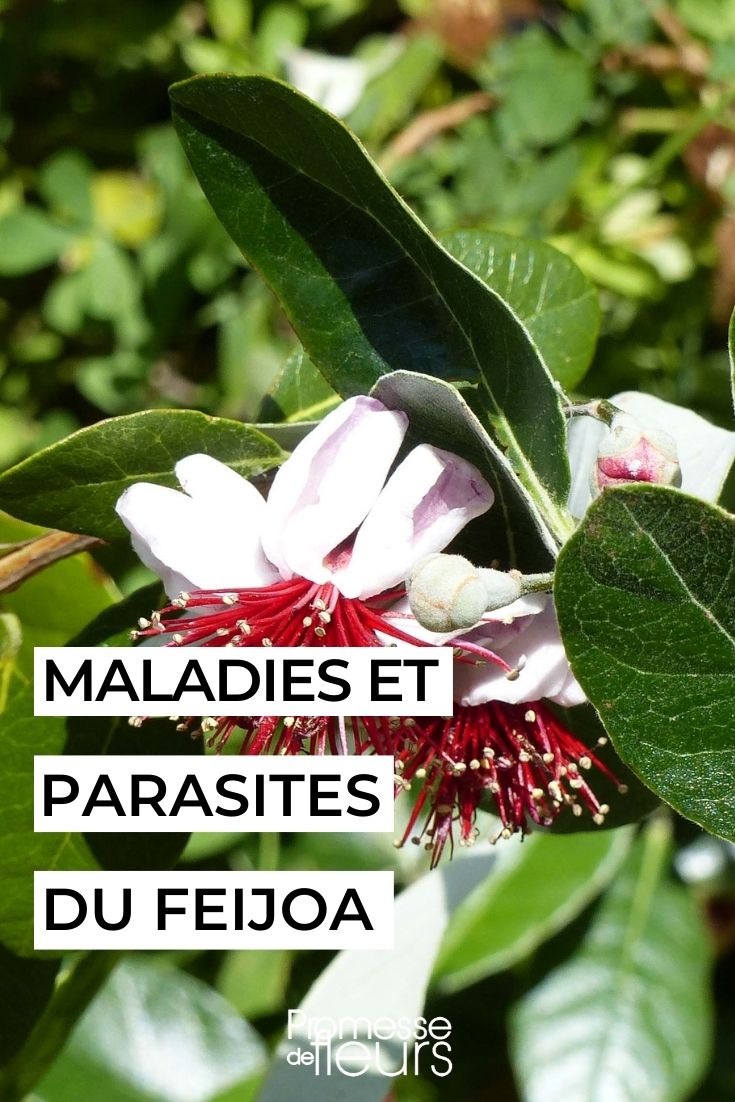
Also known as the Brazilian or Montevideo Guava, the Feijoa (Acca sellowiana) is a bush or small ornamental fruit tree from the myrtle family. It produces white flowers adorned with a beautiful bouquet of red stamens and has very decorative grey-green evergreen foliage. It is grown for its ornamental interest, but also for its unique fruits that reach ripeness in late autumn in mild climates. Their appearance resembles that of a large glabrous kiwi, and the flavour is reminiscent of pineapple, strawberry, and guava. The Feijoa requires warmth, light, and water to bear fruit. Although it can withstand brief cold spells down to -10 °C once established, it still needs a climate where the accumulation of cold is not too significant. In colder regions, it can be grown in a large pot just like citrus trees.
Like most Myrtaceae, the Feijoa prefers well-drained, deep, fertile, cool, and somewhat acidic soils. However, it can also adapt to stony, poor soils, and even drought once properly rooted; its growth and productivity will simply be lower.
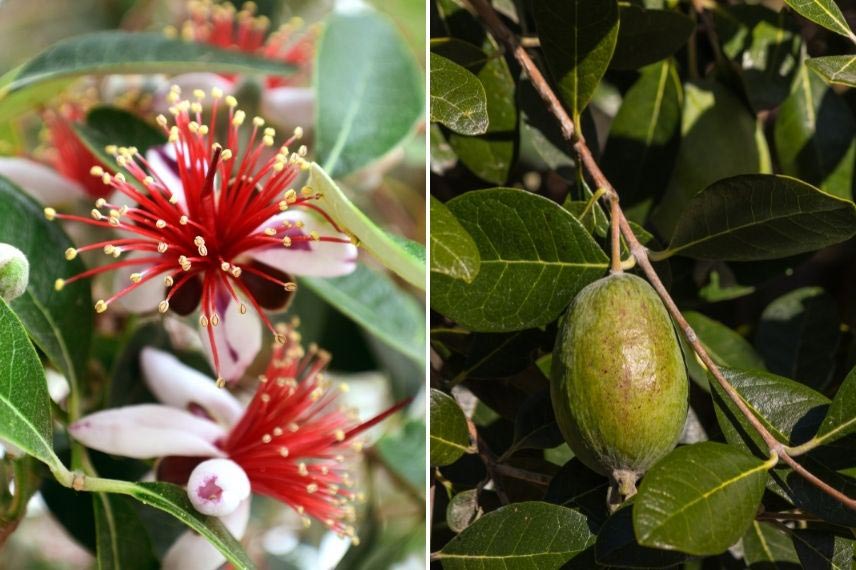
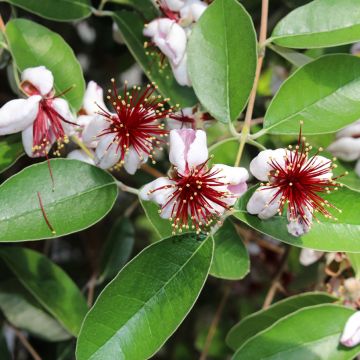
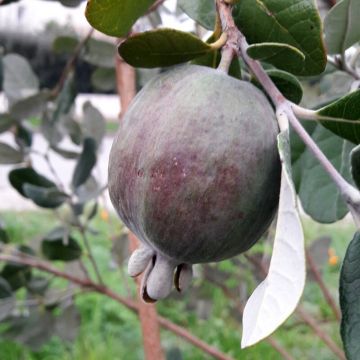
Acca sellowiana, detail of flowers and fruit
A robust shrub, naturally resistant and not very susceptible to diseases and pests, the Brazilian Guava can nevertheless fall victim to certain attacks. Does your Feijoa show signs of weakness, and do you suspect small pests or diseases to be responsible? Don’t panic: here we list the main sources of attacks on Feijoas and how to remedy them.

Aphids
Symptoms and Cause
Grouped on young shoots in colonies, aphids suck the sap from plants to feed. These insects can target the Feijoa: the attacked shoots and leaves curl up, and honeydew flows out, attracting ants that “farm” this honeydew, on which sooty mould forms. No plant is spared from aphids, and although their attacks can be dramatic, plants are generally not significantly affected. Nevertheless, aphids can transmit viruses to your Brazilian Guava and weaken it, hence the need to control them.
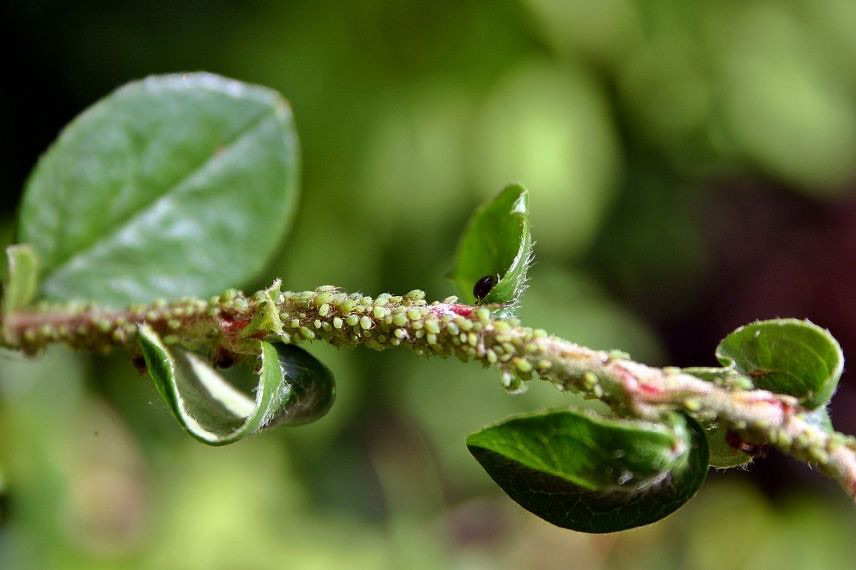
As with many garden plants, aphids can make their home on the Feijoa
Preventive Measures and Treatment
- Preventive control involves placing glue strips that prevent ants from climbing up the bushes. They should be placed from April to June.
- Creating a natural garden where biodiversity thrives, attracting beneficial insects and birds, is the best weapon against aphid colonies. Diverse and free hedges, differentiated mowing, insect hotels, and piles of leaves and wood: simple actions can allow you to garden without tiring yourself and let nature play its regulatory role. Introducing larvae of aphid predators is also effective. Ladybird larvae and lacewings are the most voracious.
→ To learn more about aphid treatment, check our dedicated sheet: “Aphid: identification and treatment. Our tips for natural and effective control.”
Scale Insects
Symptoms and Cause
Attacking a wide variety of plants, mealybugs, woolly or pulvinaria (Pulvinaria hydrangeae Syn Eupulvinaria hydrangeae) can occasionally settle on Feijoas. However, they do not pose a major risk to these bushes, which may at most show some signs of weakening. Through their action, mealybugs can transmit viruses by producing a sticky, sweet substance called honeydew. This leads to the appearance of sooty mould, a black fungus, on the leaves and branches of Brazilian Guavas.
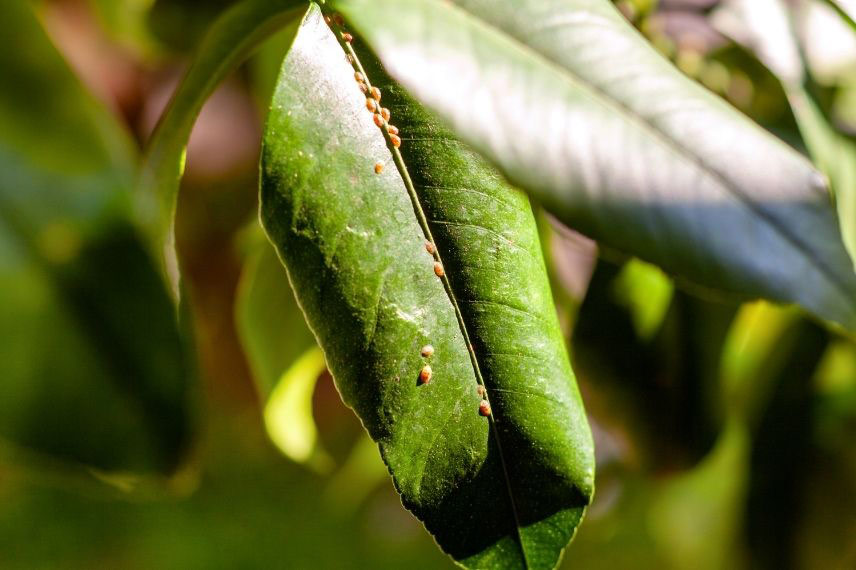 The Feijoa, like many plants, is not spared from some mealybug attacks, often without severity.
Preventive Measures and Treatment
- To prevent the appearance of mealybugs, promote biodiversity in the garden. Insecticides should be avoided: in trying to eliminate the mealybugs on your Feijoa, you will also remove beneficial insects that are essential for maintaining a biological balance. Natural enemies of these pests, such as ladybird larvae, will help regulate them. They can also be purchased for biological control.
- On infested Feijoas, a treatment based on paraffin oil can be used, and larvae can be removed using black soap. A spray of nettle manure can be effective, as can a strong jet of water on the branches.
→ To learn more about treating mealybugs, check our dedicated sheet: “Mealybug: identification and treatment. Our tips for natural and effective control”
Discover other Feijoa trees - Acca
View all →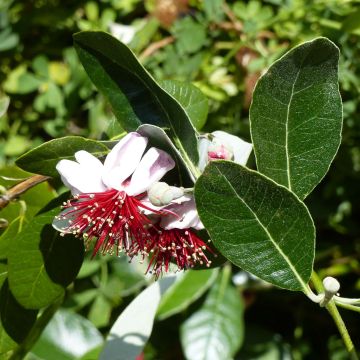
Available in 2 sizes
Available in 1 sizes
Available in 3 sizes
Available in 1 sizes
Available in 1 sizes
Available in 1 sizes
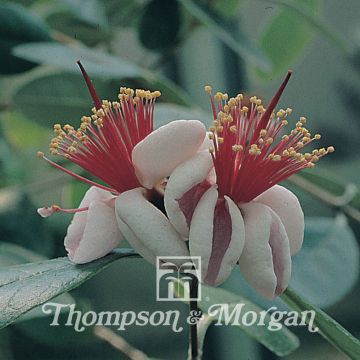
Available in 1 sizes
Rot in Humid Conditions
Symptoms and Cause
Grey mould and root rot are two diseases favoured by excessive moisture. As Feijoa prefers well-drained soil, if it is planted in soil or a substrate that retains too much moisture or if it experiences too frequent and/or excessive watering, it risks developing one or the other of these diseases. Root rot is caused by excessive moisture in the soil. The leaves wilt and then the entire plant declines. Grey mould, on the other hand, is caused by a fungus called Botrytis cinerea. Very difficult to treat, the disease manifests as the appearance of brown spots covered with a grey fuzz.
Preventive Measures and Treatment
- In the case of root rot, drastically reduce water supply or provide better-drained soil for your Feijoa by adding gravel or pumice during planting. Also, position your Feijoa in a sunny location to avoid stagnant moisture from shaded areas.
- To combat grey mould, limit watering and excess nitrogen. A spray of nettle manure or horsetail manure can also be useful as a preventive measure.
Othiorhynchus
Symptoms and Cause
Small beetles related to weevils, Othiorhynchi complete their larval cycle in the soil. Adults are nocturnal and feed on plant leaves by puncturing them from the outer part to varying depths.
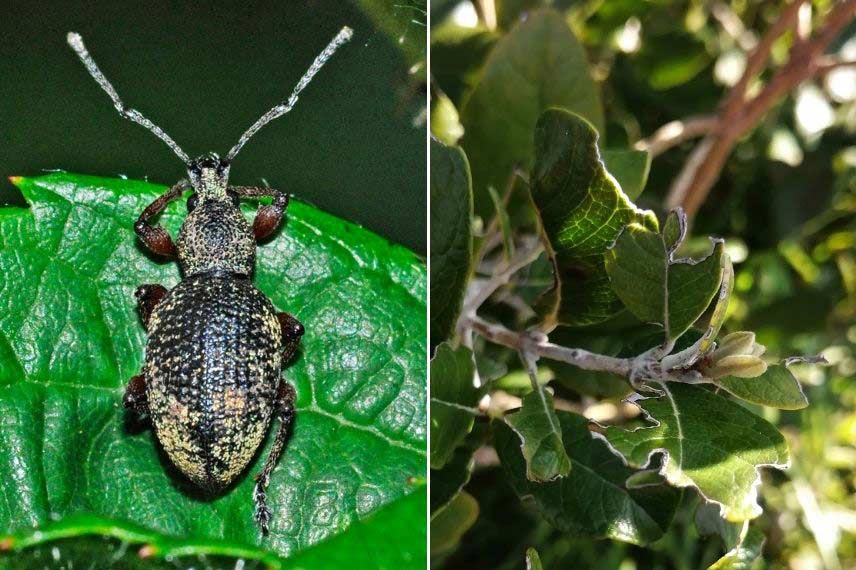 Othiorhynchi nibble on the leaves of bushes. Feijoas can suffer from their voracity.
Preventive Measures and Treatment
- Setting up adult Othiorhynchi traps based on nematodes is an effective method against this pest. The nematodes will parasitise the larvae and kill them from the inside.
- Manual removal is also a good way to counter the proliferation of adults in summer. This should be done early in the night using a torch.
- As Othiorhynchi larvae dislike moisture, mulching the soil at the base of your Brazilian guava will disrupt their development cycle.
→ How to get rid of Othiorhynchi? Consult our dedicated sheet!

- Subscribe!
- Contents
Comments