





























Diseases and pests of Paulownia
Symptoms, prevention and treatments
Contents
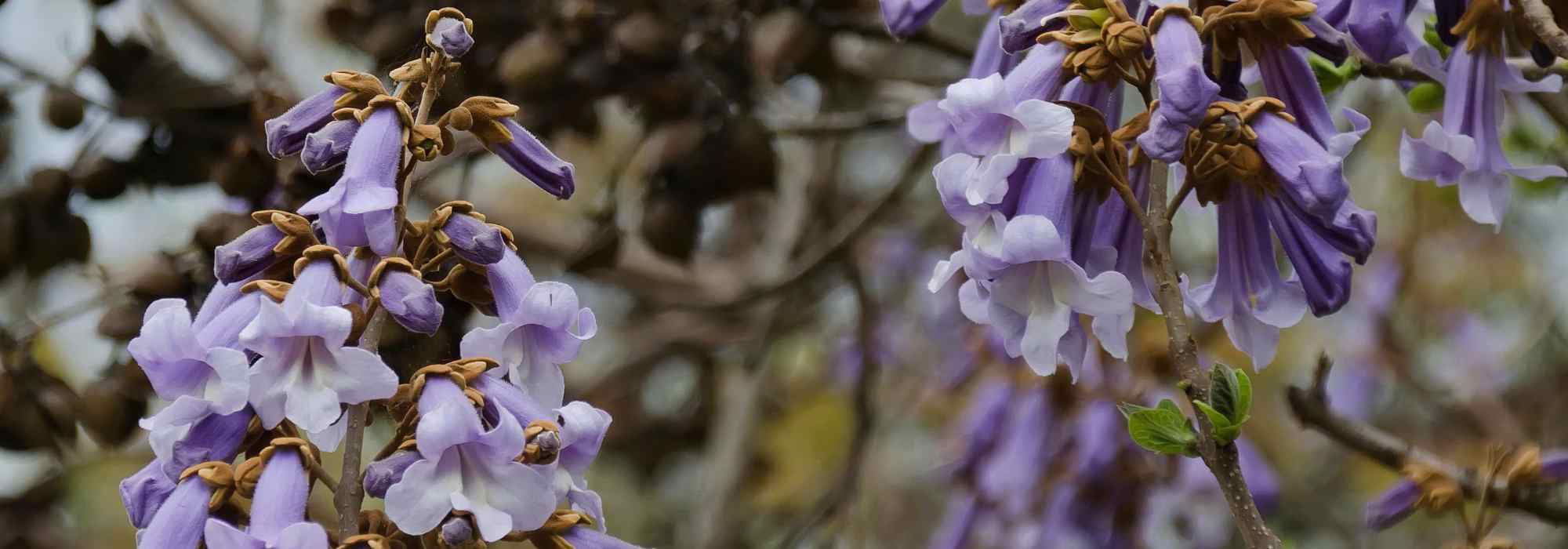
The Empress Tree, or Paulownia, is notable for its superb mauve spring flowering and spectacular heart-shaped foliage. No particular pests are known in France, and it is fairly drought-tolerant once established. Late frosts can be detrimental to it, as its sap rise is early and the flower buds may be damaged; it does, however, have some enemies, mainly fungi, and may be susceptible to certain diseases and parasitic attacks. In this article, we outline the Paulownia’s main enemies, their symptoms, and the preferred preventive and curative treatments, all with an environmentally friendly approach.
For everything you need to know about Paulownia, discover our comprehensive guide: Paulownia, Empress Tree: planting, growing and care.
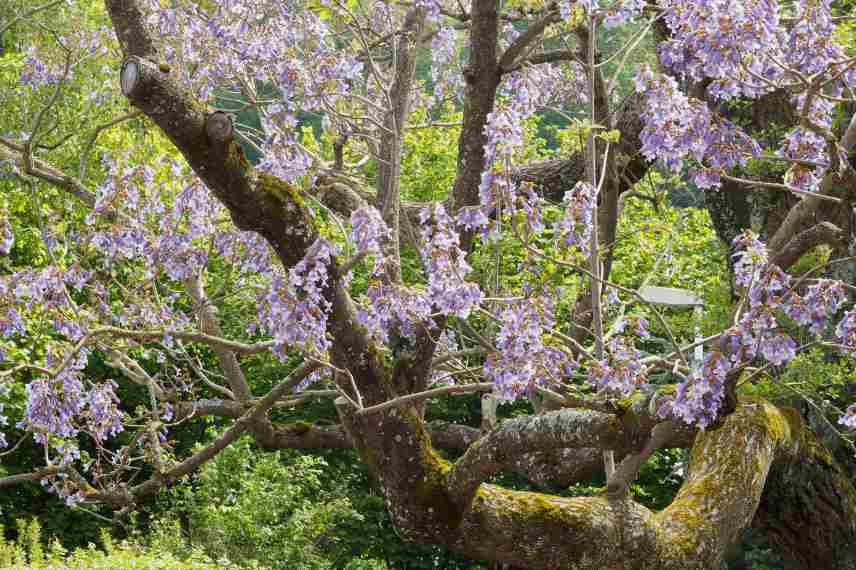
The mauve-blue flowering of Paulownia tomentosa

Fungal diseases
Powdery mildew
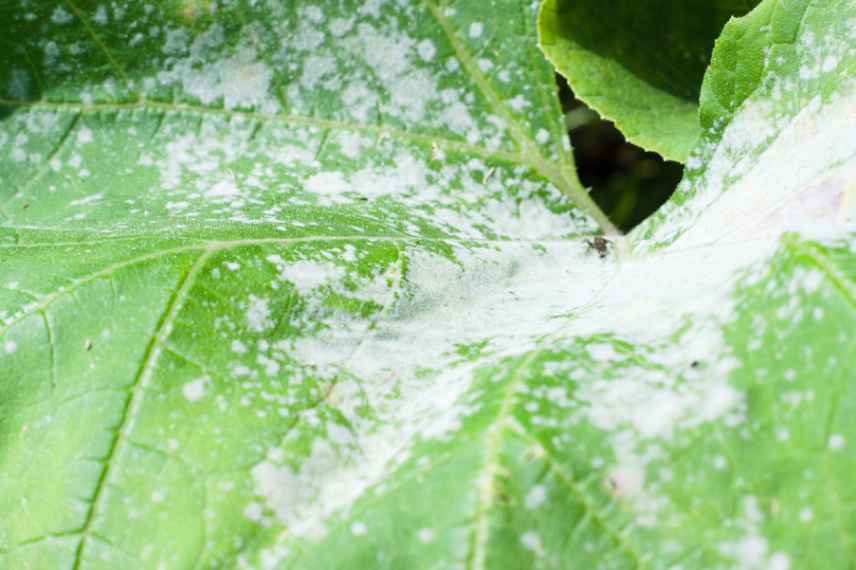
Powdery mildew is a common fungal disease affecting many plant species, including Paulownia.
- Symptoms: Powdery mildew manifests as a white or greyish felt on the leaves, stems and buds. Infected leaves may become distorted, dry out and drop prematurely.
- Preventive treatment: To prevent powdery mildew, which thrives in a humid atmosphere, plant the Paulownia in a well-ventilated, sunny spot, avoid overwatering and regularly prune dead or diseased branches. Using nettle manure or horsetail manure as a foliar spray can also strengthen the tree’s natural defences.
- Curative treatment: In case of powdery mildew attack, you can use a solution based on bicarbonate of soda (1 teaspoon per litre of water) or sulfur (2–3 g per litre of water) sprayed onto the affected parts every fortnight in spring and summer. Be sure to follow the doses and safety precautions. Act preventively in autumn by removing all diseased shoots to prevent overwintering of the fungus.
→ Read more in our article Powdery mildew or the white disease
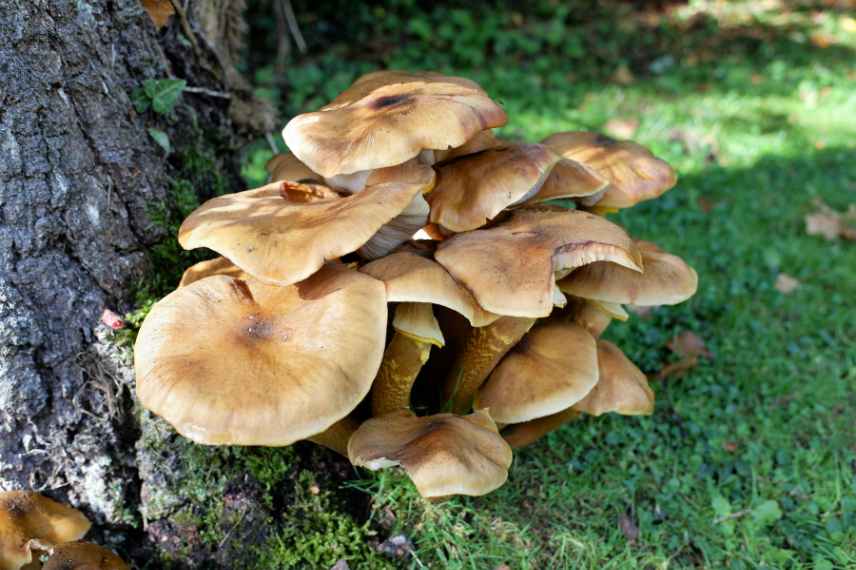
Armillaria or honey fungus
It is a fungus that rots the roots. A rapid decline of the tree is often attributed to it.
- Symptoms: Attacked trees grow poorly. At the base of the trunk, in late summer, cream-coloured fungi form, clustered in very tight groups. The roots are the first to be affected, turning black, and beneath the bark a felt-like growth in the form of whitish plaques develops.
- Preventive treatment: avoid the accumulation of stagnant water.
- Curative treatment: once established, the fungus survives on dead roots. It is therefore necessary to remove the tree, taking care to remove as many roots as possible, and avoid replanting in the area.
→ Read more in our article Armillaria root rot or honey fungus: recognise and control this tree fungus
Anthracnose
Anthracnose is a well-known fungal disease on beans or cucumbers in the vegetable garden, and on walnut and willow trees, but Paulownia can also be affected. This may weaken the tree, especially when young.
- Symptoms: Leaves develop round or irregular spots that become elliptical, brown-yellow in colour, often late in the season, before they drop prematurely. The laminae are affected, but also the petioles, young shoots and sometimes the pods. The infected leaves eventually necrose and fall prematurely.
- Solutions: Anthracnose occurs under very humid weather conditions in autumn, especially when heat and humidity accumulate. There is not much to do, except prune the affected parts as well as the diseased leaves that have fallen to the ground and take them to the tip.
- Preventive treatment: This is the best way to prevent the disease from thriving in damp climates. Bordeaux mixture or diluted 10% horsetail manure sprayed over the entire foliage mass on a young tree are effective treatments in spring and summer (to be renewed twice).
→ Read also our complete article on the anthracnose.
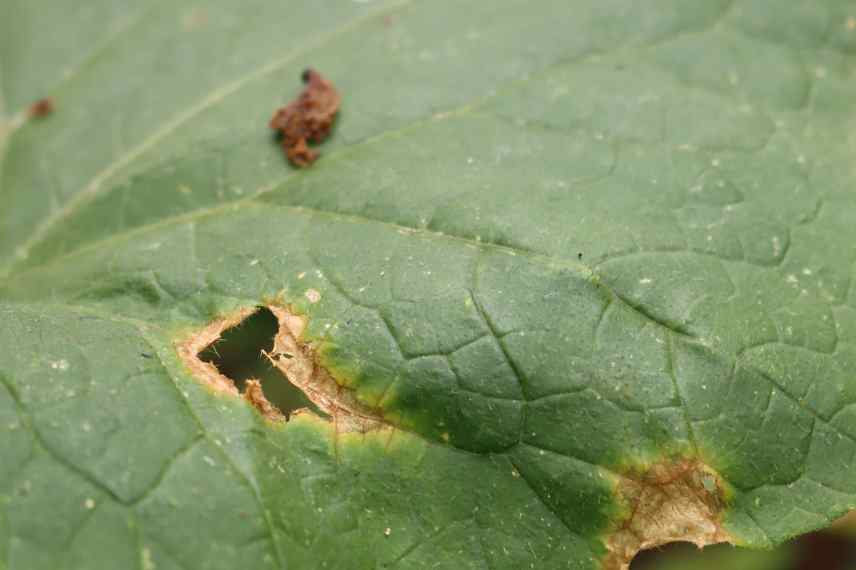
Verticillium wilt (Verticillium dahliae)
This fungal disease affects the tree’s vascular system, limiting the supply of water and nutrients.
- Symptoms: wilting of leaves, yellowing and premature dropping. Branches may die back gradually.
- Preventive treatment: a well-drained soil and proper watering are crucial.
- Curative treatment: once established, controlling verticillium wilt is complex. Remove and destroy the affected parts to help limit its spread. Strengthen the tree with added compost and natural mulching to boost its resilience.
Cercospora leaf spot (Cercospora spp.)
This foliar disease causes spots on Paulownia leaves.
- Symptoms: circular brown to black spots on the leaves, often with a yellow halo.
- Preventive treatment: avoid excessive moisture on the foliage by watering at the base of the tree. Adequate spacing between trees promotes good air circulation.
- Curative treatment: remove infected leaves and apply natural fungicides such as a bicarbonate of soda solution (baking soda) diluted can help control the disease.
Wood-rotting fungi
Some fungi can attack Paulownia wood, causing its decay.
- Symptoms: wood-rotting fungi appear as fruiting bodies (fungi) on the trunk or branches, as well as wood decay which can become spongy and decompose.
- Preventive treatment: to prevent attacks by wood-rotting fungi, it is important to choose the planting location carefully, avoiding waterlogged and poorly drained soils. It is also recommended to regularly prune dead or diseased branches and to apply a wound sealant on pruning wounds.
- Curative treatment: in case of attack by wood-rotting fungi, it is unfortunately difficult to effectively treat the tree. It is recommended to remove the affected parts and apply a wound sealant on the wounds, taking care to disinfect pruning tools between each cut.
Pests
Aphids
Aphids are small sucking insects that can cause damage to Paulownias by feeding on their sap.
- Symptoms: Leaves infested by aphids curl, discolour and may drop prematurely. Aphids (green or black, often visible) also secrete a sticky substance called honeydew, which can promote the development of sooty mould, a black mould.
- Preventive treatment: To prevent aphid infestations, it is important to maintain a good ecological balance in your garden by encouraging the presence of beneficial insects, such as ladybirds, hoverflies and lacewings. You can also spray nettle manure on the leaves to boost their natural defences.
- Curative treatment: In case of infestation, you can use a powerful jet of water to dislodge aphids from the leaves, or spray a solution of black soap (50 grams per litre of water) or a neem oil-based treatment on the affected parts. Ladybird larvae can also be introduced to combat aphids.
→ Read our article Aphids: identification and treatment
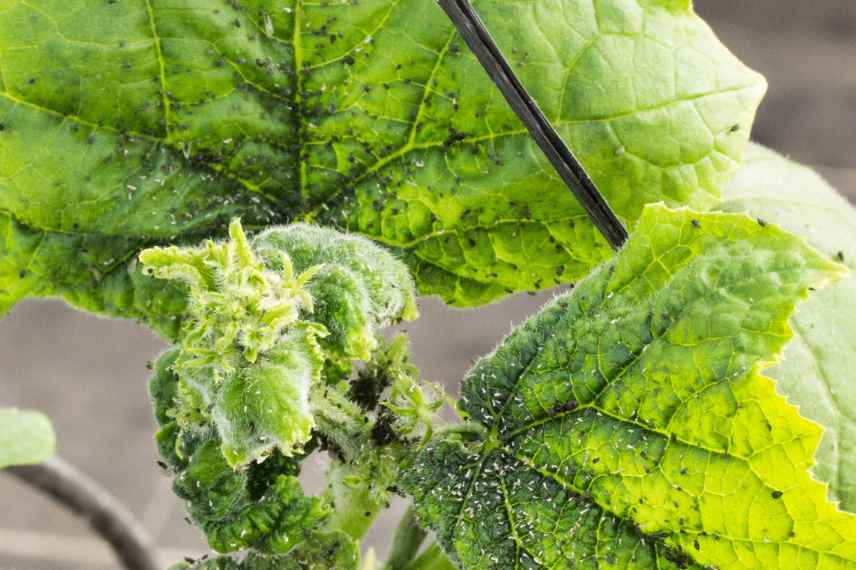
Bark beetles
These wood-borers bore galleries in the wood, weakening the tree. They primarily affect mature trees that are already weakened.
- Symptoms: Holes in the bark, sawdust at the base of the tree.
- Preventive treatment: Keep the tree in good health to make it less attractive. Avoid injuries to the bark that may attract bark beetles.
- Curative treatment: It is difficult to treat a bark beetle infestation once established. Removing severely infected parts may be necessary. Pheromone traps can help reduce the bark beetle population.
Growing tips
It is mainly young Paulownia plants that can be affected by various pests or diseases, at least in Europe. Its wood is considered rot-proof and highly durable, and it is indeed high humidity that can take its toll on it in France, where such conditions remain rare.
So remember the cultural conditions necessary for this tree :
- A well-drained soil, humus-bearing and deep (it won’t like heavy, clayey soils that will cause its roots to rot). Thoroughly work the soil to depth before planting.
- A sunny exposure and a warm site, sheltered from cold winds: it needs at least 6 hours of sun per day.
- Regular watering during the first three years to establish its roots.
- Subscribe!
- Contents
Comments