





























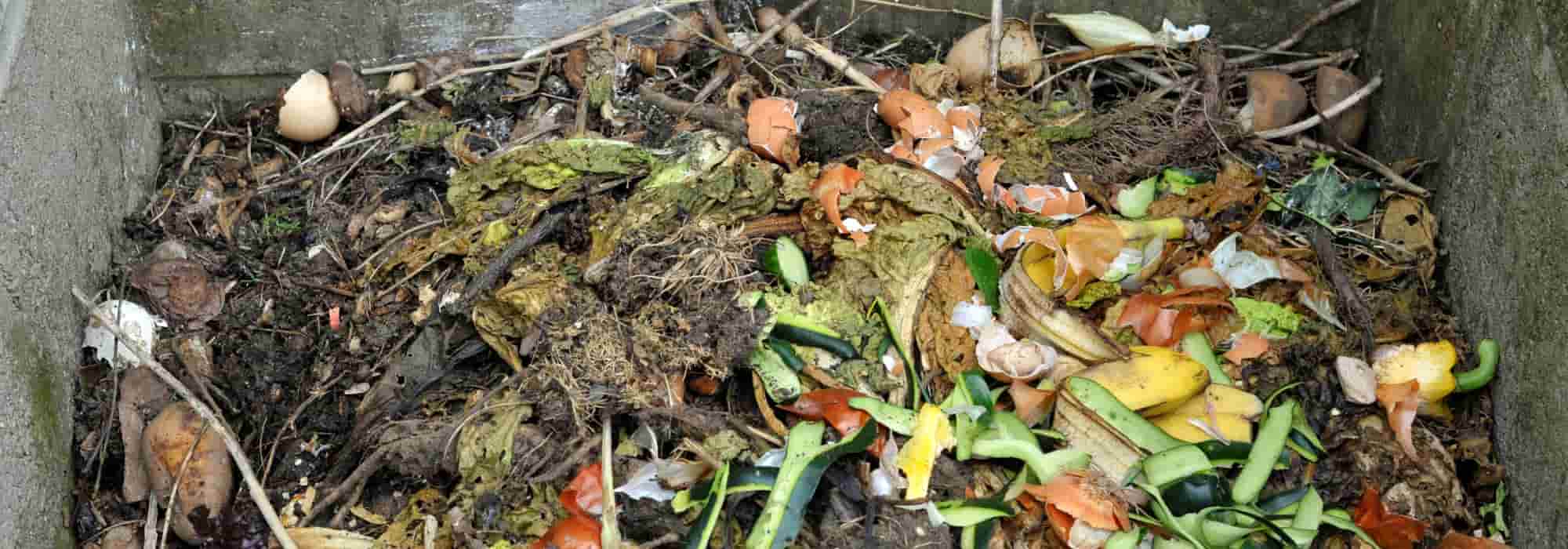
Does compost attract rats?
How to Spot and Prevent Rats in Compost
Contents
One morning, as you deposit your organic waste into your compost bin, you catch sight of a small rodent with a long tail scurrying away from you. The more phobic among you take to their heels, shouting to anyone who will listen that a rat is squatting in the compost. Meanwhile, they are already devising plans to eradicate this intruder. Others, less frightened by rodents, seek to identify this little creature: mouse, voles, field mice, shrews, or a large rat? Because the difference is significant! In any case, you can certainly choose to let them live their lives, with the risk that they may proliferate. But perhaps it is wiser to do everything possible to keep rats away from the compost. We offer you a few tips to prevent rats in the compost.

Why do I have rats (or other rodents) in my garden?
At the outset, it may be wise to distinguish between all these little rodents encountered in the garden or vegetable patch. They run quickly, and it can sometimes be difficult to truly identify them!
The mouse is grey-brown, has large round ears, and a long tail. The wood mouse is bicoloured, with a beige back and head, and a white belly. As for the rat, the despised rodent, it is significantly larger than the mouse and the wood mouse (especially the brown rat, or city rat, also known as the sewer rat). In the garden, you are more likely to encounter the black rat (Rattus rattus), or field rat, especially if you have a chicken coop! It is smaller than its sewer cousin, with a longer tail, and larger eyes and ears.
The vole or mole rat has dark brown fur and a relatively short tail, with a rounded snout. It primarily lives underground where it digs tunnels, so you are unlikely to cross paths with it (in the compost). Although!
Finally, the shrew can be immediately recognised by its pointed, long snout and tiny black eyes. But the main distinction lies in its diet: the shrew is insectivorous, while mice, rats, and wood mice are omnivorous rodents.
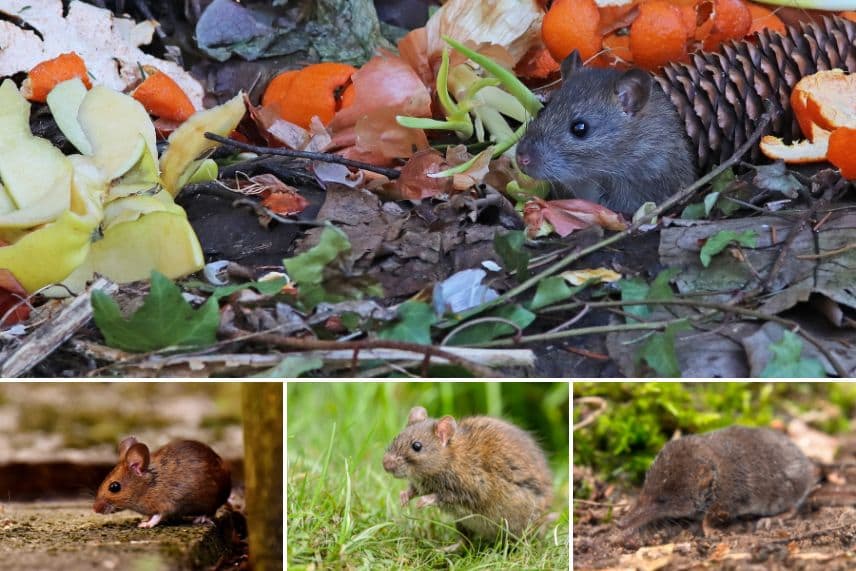
The rat, the mouse, the mole rat, and the shrew
All can make a home in your garden, attracted by the tasty vegetables growing there (for voles and wood mice), the grain from your chickens (for mice and rats), or even some scraps or rubbish lying around… Compost is also very attractive to them.
On the other hand, shrews are welcome as they help get rid of harmful insects like slugs and snails.
To learn more, feel free to check out our articles on all these little creatures:
Read also
How to hide a compost bin?Does compost attract rats?
Indubitably, the compost can attract rats, as well as mice or voles. This is simply because they find everything that makes these little murids happy! Rats indeed invest in compost primarily because they find both shelter and food.
- The compost is often located far from the house, at the back of the garden. It is a pleasant place, away from the comings and goings of family members, where they can find a refuge in complete safety. Especially in winter, a time when they seek a place to hibernate more or less. Therefore, rats often invade the compost bin in autumn. It is not impossible that you might discover a rat’s nest, as the spot is quite cosy!
- The composter is a self-service pantry where rats find organic waste, fruit and vegetable peelings, table scraps, eggshells… in abundance.
- As they decompose, organic waste produces heat. A very welcome warmth for raising their young.
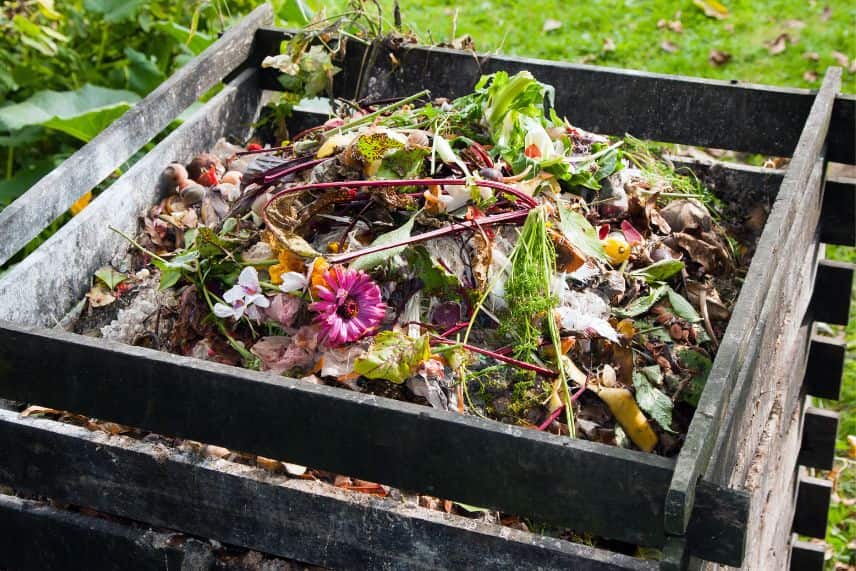
However, having a rat in your compost can be seen as a good thing since, by rummaging through it, it turns and aerates it. Moreover, it does not really pose a danger. What is perhaps most concerning is the potential for proliferation, a valid argument for both rats and mice.
As for the shrew, it is not necessarily welcome in the compost, as it devours earthworms and rose chafer larvae, which are very useful for the decomposition of organic matter.
What elements to avoid to stop attracting rats to the composter?
To answer this question, it is wise to consider what a rat eats. The rat is omnivorous and can devour just about anything that comes under its incisors! In particular, it is attracted to organic waste from a composter. However, some are more appealing to it than others!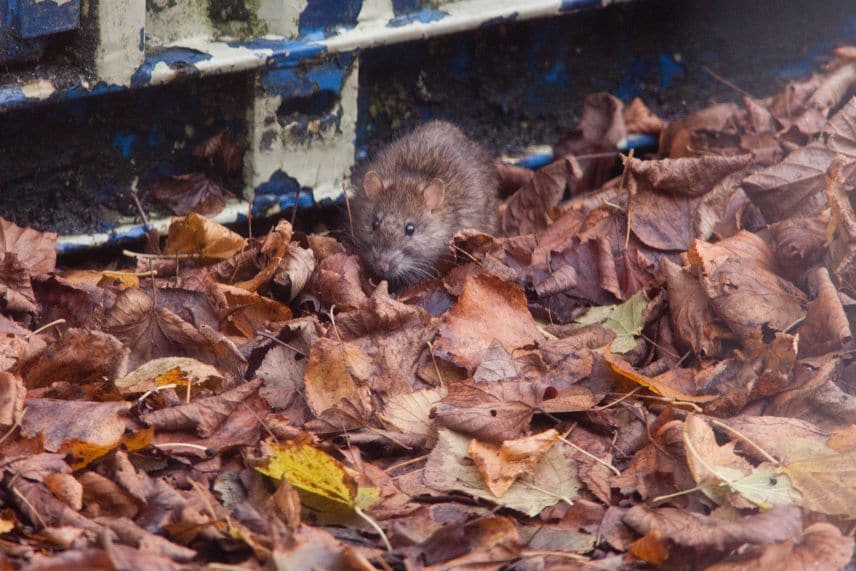
Thus, to prevent rats from settling in the compost bin, it is essential not to add certain waste such as:
- Stale bread
- Leftovers from cooked dishes containing meat or fish
- Cooked pasta and rice
- Cheese rinds.
There are also vegetable peelings and other plant kitchen waste that can attract rats. Rather than placing them on the heap, bury them in the middle of grass clippings or pruning waste, weeds, coffee grounds, wilted flowers… that make up the compost.
Read also
Can you compost "weeds"?How to keep rats away from compost?
And above all, prevent them from entering the compost bin to settle there permanently! Several solutions exist, related both to the maintenance of your compost and its equipment.
First and foremost, it is advisable to have a closed composter, as the lid provides an additional barrier for a rat to overcome! If you have made your compost bin with disjunct wooden boards that allow air to pass through, it is better to place a fine mesh galvanised steel wire at the bottom and on the walls. This mesh will prevent rodent intrusions.
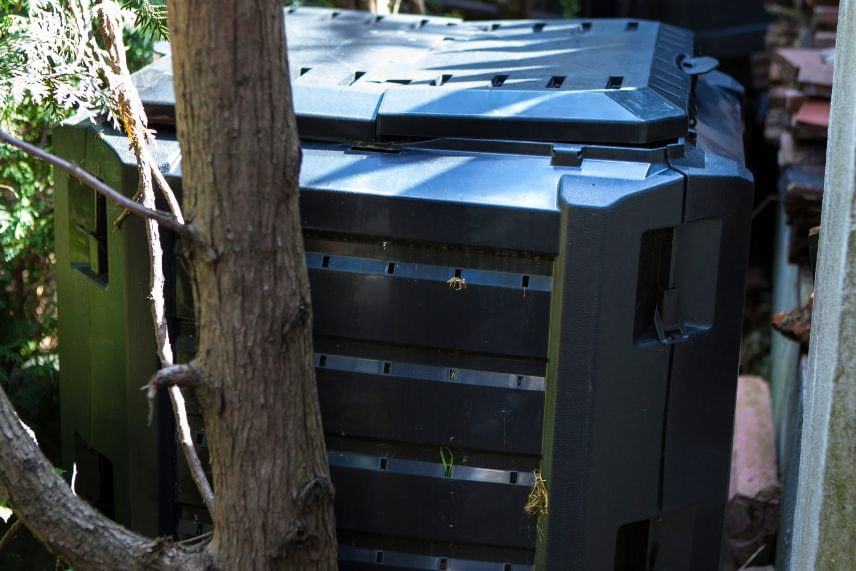
The composter must be closed to keep rats away
If you opt for a plastic composter, don’t forget to add anti-rodent protection grids that seal the ventilation holes. Similarly, place your composter on a pest-proof base grid: it allows earthworms and other insects from the soil to rise, but prevents rats from accessing the compost. Some composters come equipped with these protective elements.
Finally, a few essential actions in creating good compost will serve as effective barriers against rats:
- Regularly turning the compost helps promote decomposition by introducing air. This simple action with a fork may deter intruders.
- Moistening the compost may be necessary if you have too many brown or dry waste, or if it is hot. Again, this addition of water (without excess) can discourage rats.
And what if the rats really settle in?
Sometimes, despite all our efforts, rats find the accommodation so pleasant that they settle in, build their nests, and breed. This is already proof that you may not be visiting your compost bin often enough! Remember that from 1st January 2024, organic waste will be banned from general rubbish bins. So, it’s best to get into the habit of composting now. By making frequent trips to the bin, you should quickly dislodge the four-legged squatters!
Otherwise, you have the option of trapping! For humane reasons, we advise you to forget lethal traps in favour of non-lethal traps. The rat will be captured in a cage using bait and released far from your compost bin.
Adopting a cat is also an effective solution for cuddles and purring, but also for keeping rats away. Even if some cats (like my little one!) don’t catch them (and certainly don’t eat them), they deter them simply by their presence.
Other predators like the tawny owl or the barn owl will make a meal of these unwanted rats. You just need to attract them by installing specific nesting boxes high up in large trees or in a barn.
Finally, you can also try planting around your compost bin plants known for their repellent properties (at least for voles) such as Incarvilleas, imperial fritillary, or euphorbia. Aromatic plants like mint can also deter rats, just like black elder manure. But there are no guarantees!
- Subscribe!
- Contents
Comments