





























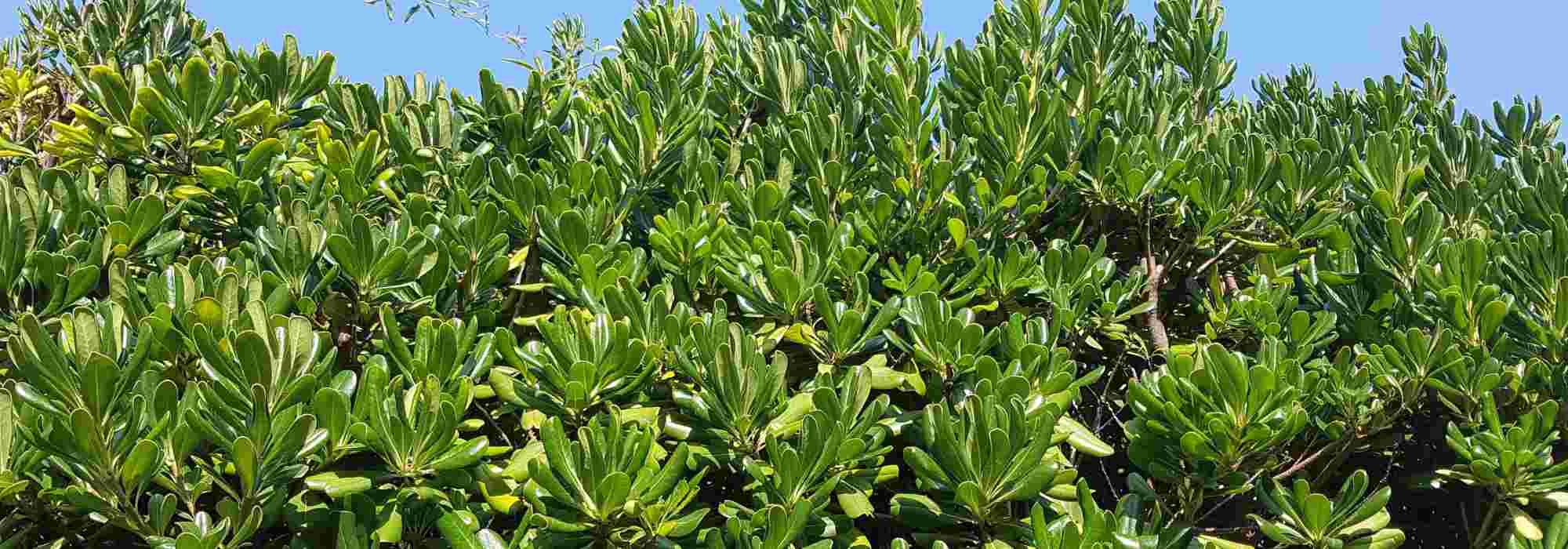
The ecological importance of evergreen shrubs
More than just an aesthetic interest
Contents
In a world where environmental preservation has become a priority, it is essential to understand and appreciate the natural elements that contribute to the balance of our ecosystem. Among them, evergreen shrubs and trees hold a prominent place. Not only do they beautify our gardens year-round with their evergreen foliage, but they also play a crucial role in protecting and regenerating our environment. This guide aims to highlight the ecological value of evergreen bushes, emphasising their importance and the benefits they bring to our planet.

Garden wildlife habitat
Like deciduous species, evergreen trees and shrubs play a role in supporting wildlife and promoting biodiversity. Unlike deciduous trees that shed their leaves in autumn, evergreen shrubs provide a constant shelter for animals, birds and insects, even during the winter months. The dense foliage of these shrubs thus provides a refugium against predators for many small animals and birds, notably during the nesting period.
In addition, many evergreen shrubs produce berries, seeds or flowers that serve as a food source for various animal species. Their leaves can also provide food for some insects. For example: Common yew, Common holly, boxwood or common privet.
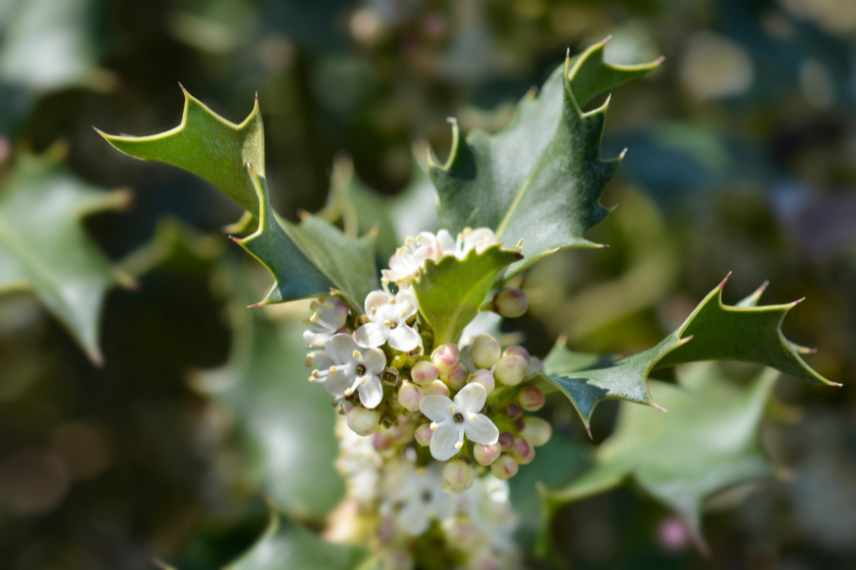
Holly’s spring flowering is nectariferous. It is one of the refugium shrubs for avifauna.
Erosion control and water filtration
The presence of evergreen bushes in terrestrial ecosystems contributes to soil stabilisation and water purification, as with any other woody plant. Indeed, evergreen species often have deep and extensive roots that firmly anchor the soil in place, thereby preventing erosion by wind or water. The evergreen foliage also protects the soil from the direct impact of rain, reducing runoff and erosion. Laurustinus (Viburnum tinus), for example, with its extensive roots, is excellent for stabilising slopes and reducing erosion.
Note that in coastal areas or along riverbanks, evergreen bushes can act as natural barriers, reducing erosion caused by waves or currents. This is the case for sea buckthorn (Hippophae ramnoides) or gorse (Ulex europaeus), for example.
And the roots of trees and bushes absorb runoff water, helping to filter pollutants (such as heavy metals, chemicals and other contaminants) and recharge groundwater. By absorbing excess water, vegetation helps reduce flood risk in certain areas. The Strawberry tree (Arbutus unedo – not to be confused with sea buckthorn!) is an ideal tree for filtering water, but also for stabilising soils.
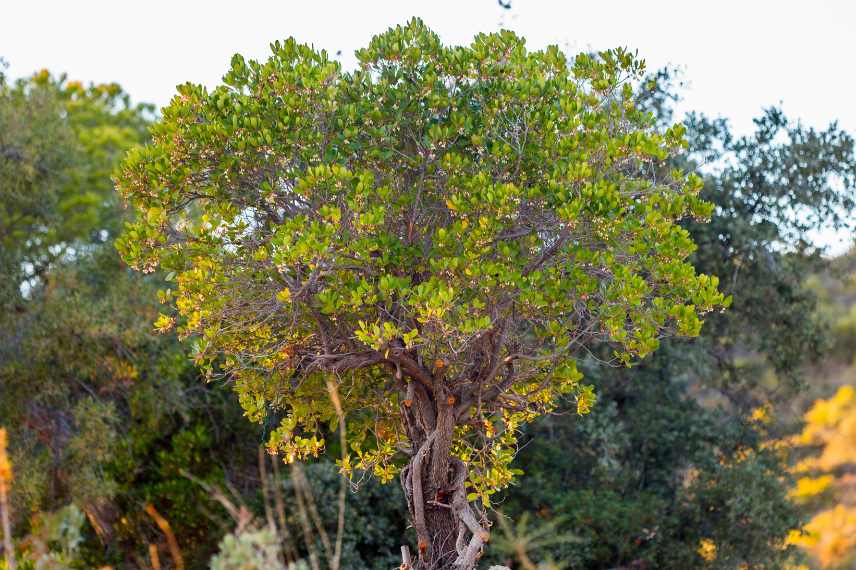
Strawberry tree
Carbon sequestration and air quality improvement
Unlike deciduous trees, evergreen trees and bushes continue to carry out photosynthesis even during the winter months, thereby absorbing carbon dioxide from the atmosphere and converting it into oxygen. The carbon absorbed is stored in their standing crop – trunks, branches, roots and leaves – helping to reduce the amount of CO2 in the atmosphere.
These shrubs can also filter certain pollutants by absorbing not only CO2, but also other atmospheric pollutants such as ozone, nitrogen oxides and fine particles, thereby purifying the air we breathe.
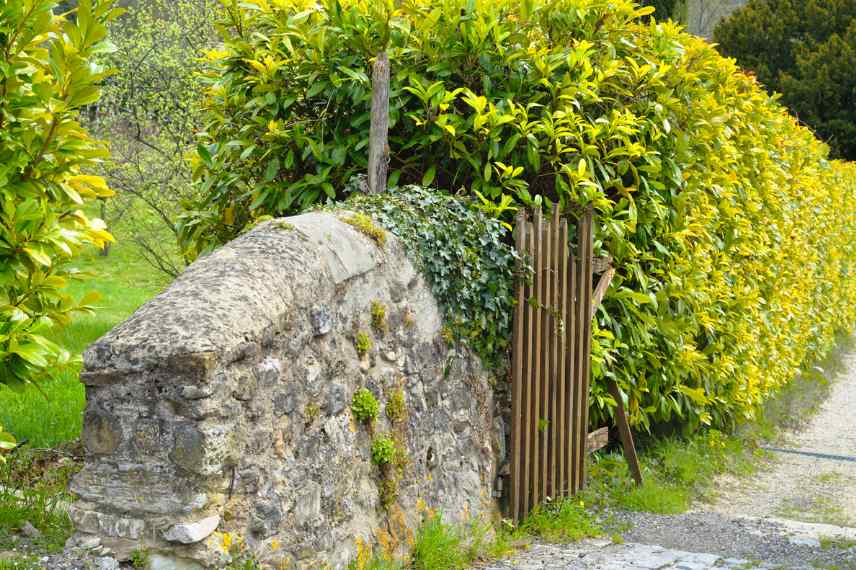
An evergreen laurel hedge, more interesting than it seems, particularly for carbon capture
Read also
10 evergreen shrubs for coastal gardensThermal insulation and wind protection
In summer, evergreen trees and shrubs provide shade, helping to reduce direct heat from the sun on buildings and soil, which can help to lower air conditioning needs. In addition, they release water vapour into the atmosphere, a process that absorbs heat and helps to cool the surrounding air. In winter, their dense foliage acts as an insulating barrier, reducing heat loss from buildings and protecting against the cold.
Evergreen trees and shrubs planted as hedges or in rows can act as windbreaks, reducing wind speed and strength, and thus wind erosion. This not only protects crops and buildings but also reduces heat loss due to cold winds in winter. The evergreen shrubs in our hedges are effective for this type of protection: cherry laurel, arborvitae, Cypress, oleander…
Please note: Evergreen trees and shrubs with dense, evergreen foliage act as natural barriers that absorb and diffuse sound waves, helping to create a calmer environment.
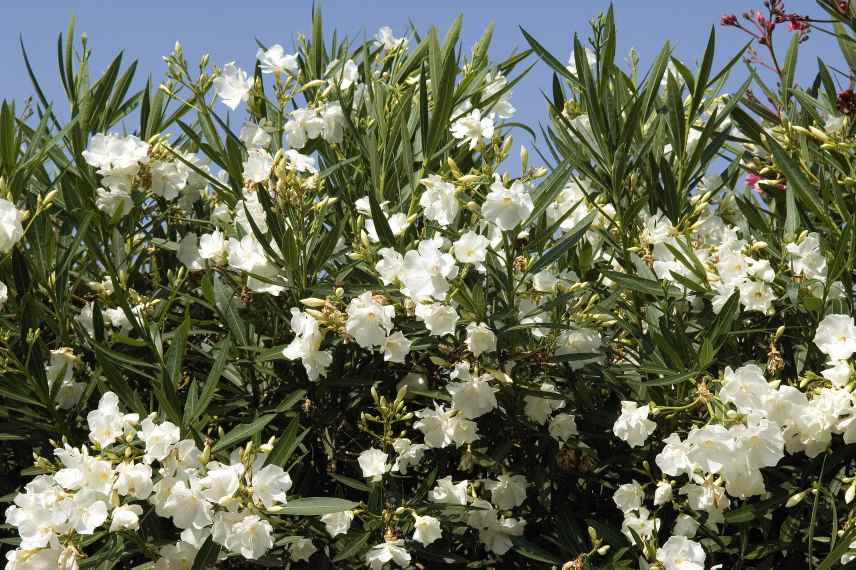
Oleander, effective against wind in coastal areas, in addition to being highly ornamental
Alternative landscaping solutions
Evergreen trees and shrubs are, of course, landscaping alternatives to replace traditional masonry, plastic or other fencing materials. They offer a more natural and aesthetically pleasing appearance compared with artificial fences and are green all year round (or even coloured, in the case of variegated foliage).
One of the main advantages of evergreen shrubs is their ability to provide year-round privacy. Their dense and evergreen foliage creates an effective visual barrier, while adding a touch of greenery to the outdoor space. Additionally, evergreen shrubs can be pruned and shaped to suit various styles and needs. Whether you are looking to create a formal hedge or a more natural border, evergreen shrubs offer versatility that goes beyond traditional fences.
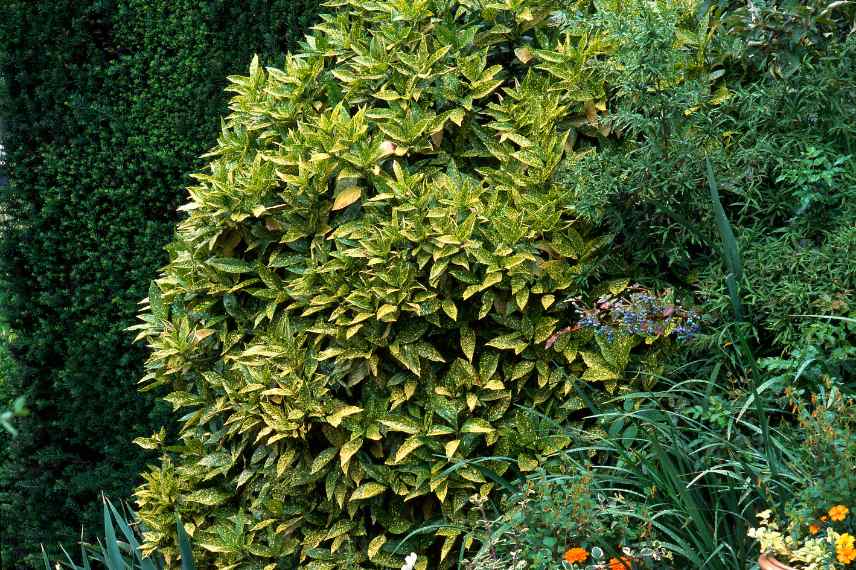
Aucuba and Cupressus: evergreen trees and shrubs for vegetated dissepiments all year round
Some excellent evergreen shrubs that support biodiversity
-
Common holly (Ilex aquifolium) : Known for its attractive berries on female plants, holly provides shelter and food for birds and promotes biodiversity.
-
Laurustinus (Viburnum tinus) : Its flowers and berries attract a variety of pollinators and birds, contributing to ecological balance.
- Strawberry tree (Arbutus unedo) : With its flowers and fruits, it attracts bees and birds, enriching biodiversity.
- Oleander (Nerium oleander) : Despite its toxicity to some animals, this shrub is a food source for certain insects.
- Pyracantha, or firethorn : Originating in Eastern Europe, this shrub has naturalised in southern France. Its colourful berries in winter attract birds, contributing to biodiversity.
- Mahonia aquifolium: Native to the United States, but naturalised in Western Europe. Its winter flowers and berries attract pollinators and birds, supporting ecological balance.
- Common yew (Taxus baccata) : Its “berries” (really arils) delight birds, and the evergreen, dense foliage allows certain bird species to nest in safety.
- Common privet (Ligustrum vulgare) : Unfortunately less commonly planted in hedges than its American cousin, this native species is perfect for biodiversity thanks to its flowering and berries.
Please remember to choose local species where possible (native shrubs) or at least those adapted to your climate and soil!
Please note: we could add the boxwood (Buxus sempervirens). Unfortunately, this shrub has suffered in recent years from attacks by the box tree moth caterpillars, an invasive insect from Asia. Otherwise, let us not forget that boxwood also provides habitat for insects and supports local wildlife.
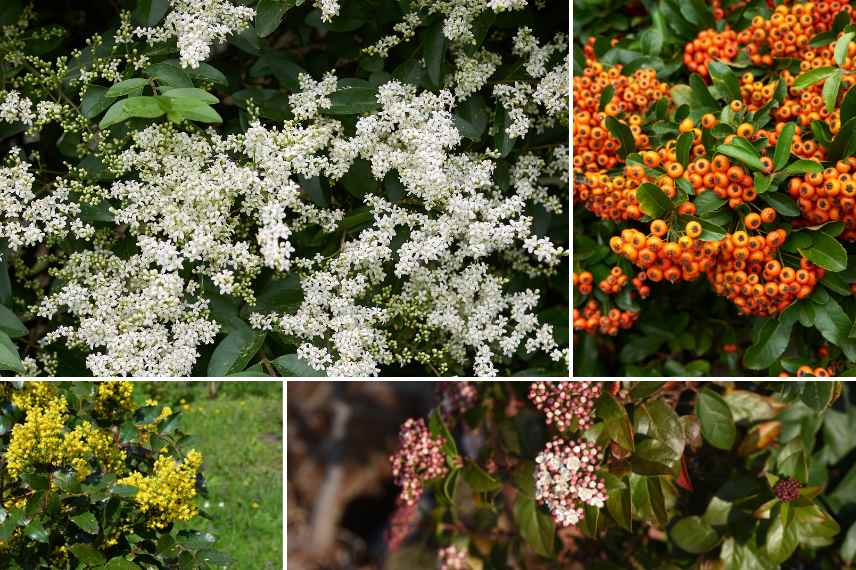 Ligustrum vulgare, Pyracantha, Mahonia aquifolium and Viburnum tinus
- Subscribe!
- Contents
Comments