





























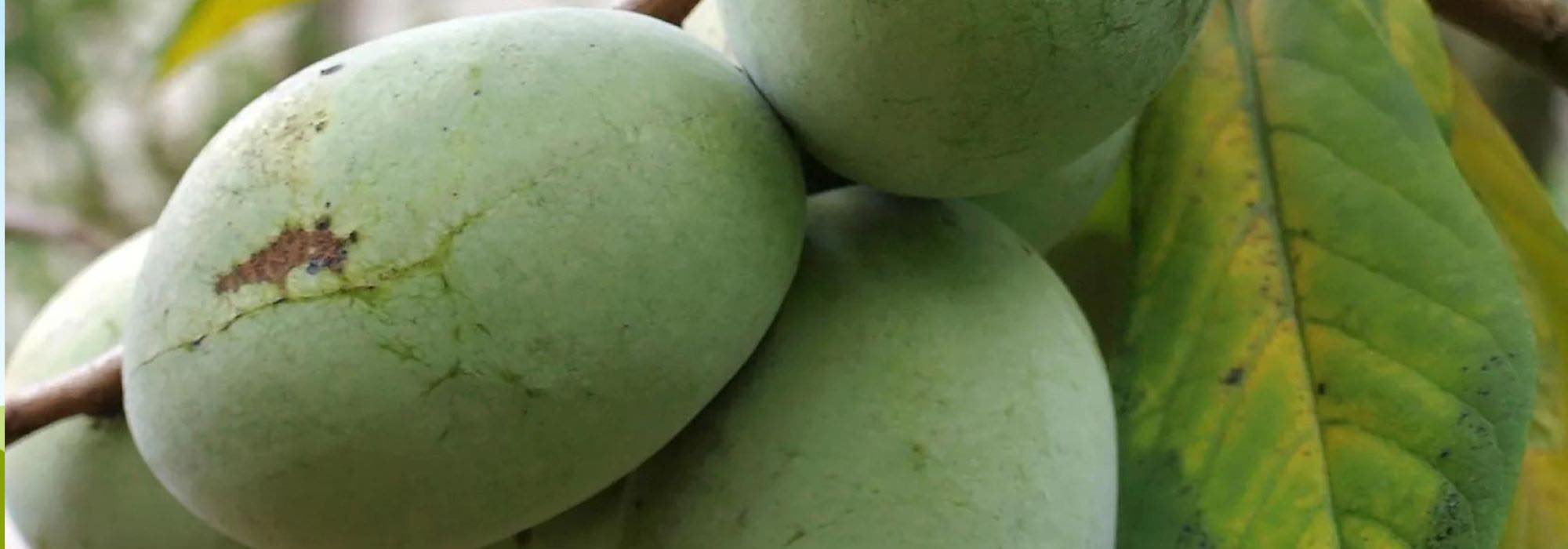
Edible forest garden: 7 fruit trees that are both unusual and hardy
Discover new varieties for your forest garden
Contents
The edible forest, or forest garden, offers an ecological solution for rethinking our gardens, in an era of concerns about sustainability and food self-sufficiency. This approach, inspired by permaculture, aims to create an edible ecosystem formed of plants entirely or mostly edible and useful, mimicking the structure and diversity of a natural forest. Beyond mere food production, an edible forest is designed to be self-sufficient, resilient and beneficial for biodiversity.
If one tends to favour local species when thinking in terms of permaculture or forest garden, the integration of unusual and hardy fruit trees into your forest garden enriches your range of flavours and may lead you to test more exotic species, perhaps better able to adapt in the decades to come, with the impact of climate change. Try a few fruit trees less commonly planted, which will bring diversity and new benefits.
Nevertheless, leave plenty of space for local and traditional species that yield larger harvests.

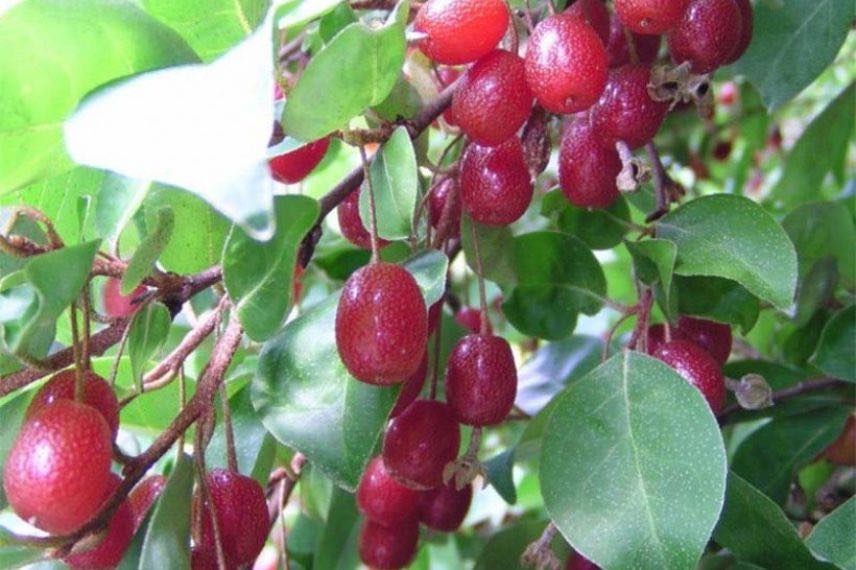
Japanese Goumi - Eleagnus multiflora
The Japanese Goumi or Eleagnus multiflora is a shrub native to East Asia, naturalised in France since the 19th century, and found particularly in the Vosges, Lorraine and Meurthe regions. It is a valuable choice for biodiversity enthusiasts and for lovers of rare berries.
Read also
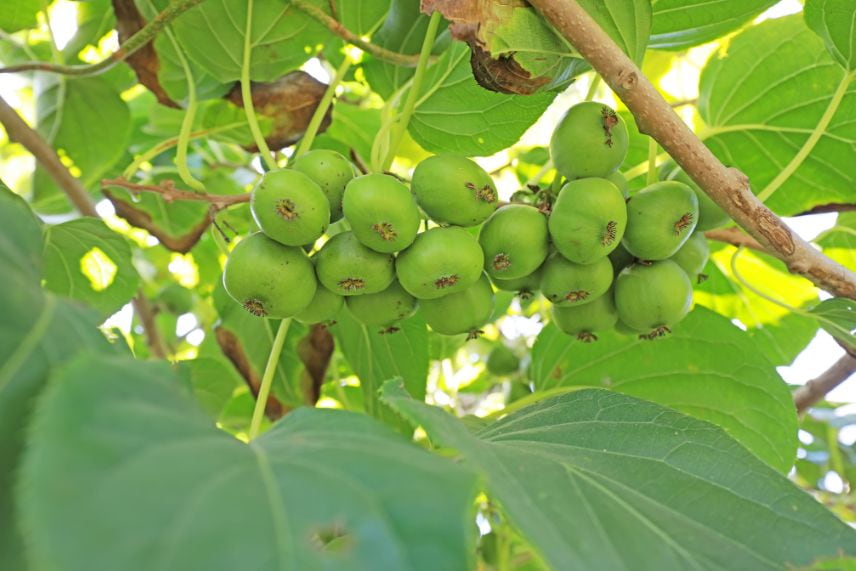
How to create a forest garden?Kiwaï - Actinidia arguta
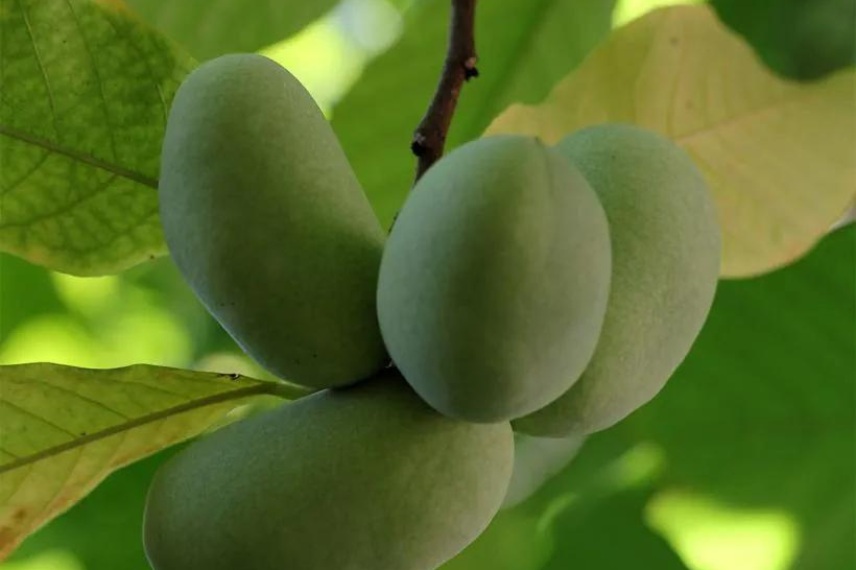
Pawpaw tree - Asiminia triloba
The pawpaw or Asimina triloba, also known as Paw Paw, is a fruit tree that looks tropical but is perfectly suited to temperate climates, where it enjoys hot summers and cold winters. Fruit production begins when the tree reaches a height of 2 to 2.5 metres, usually between 3 and 6 years after planting. The fruits are large ovate berries that can reach up to 15 cm in length, green-yellow at ripeness. They contain a creamy yellow pulp, containing large black seeds. Their unique flavour evokes a blend of mango and banana. They are harvested when they become soft to the touch, usually around September. They are said to be rich in vitamins A and C, in amino acids and trace elements.
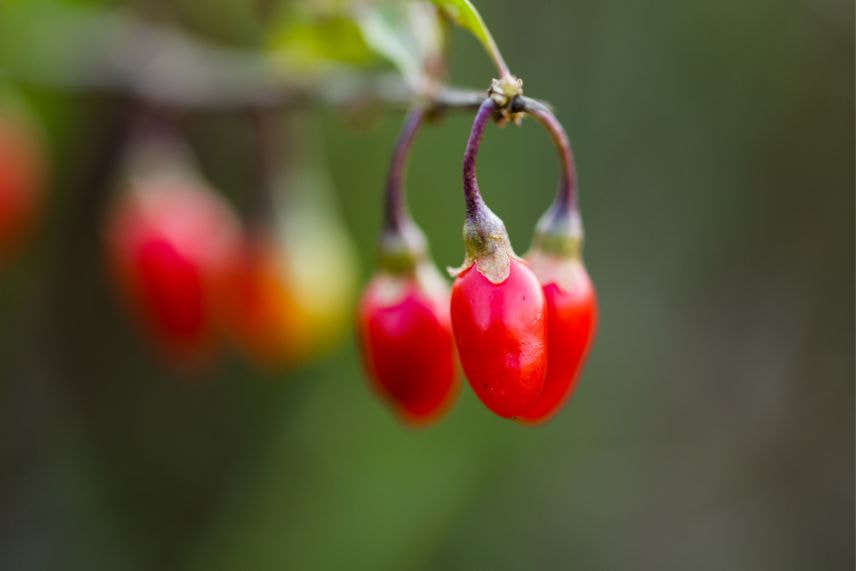
Goji - Lycium barbarum
Sichuan pepper tree - Zanthoxylum piperitum
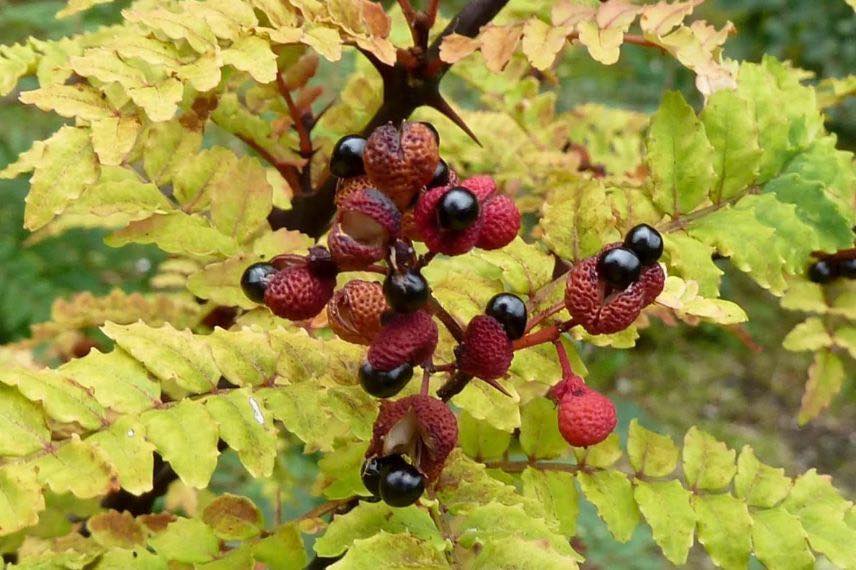
Zanthoxylum piperitum is regarded as the true Sichuan pepper, renowned for its aromatic berries prized in Asian cuisine. These berries, pink-red at ripeness, are used dried and ground as a spice. The contrast between the pink of the fruits and the golden-purple autumn foliage makes this bush particularly attractive. Originating from Sichuan in China, it has adapted to a range of climates and tolerates temperatures down to -18°C, preferring well-drained soils. Late frosts, however, can harm flowering and burn its shoots.
Hops - Humulus lupulus
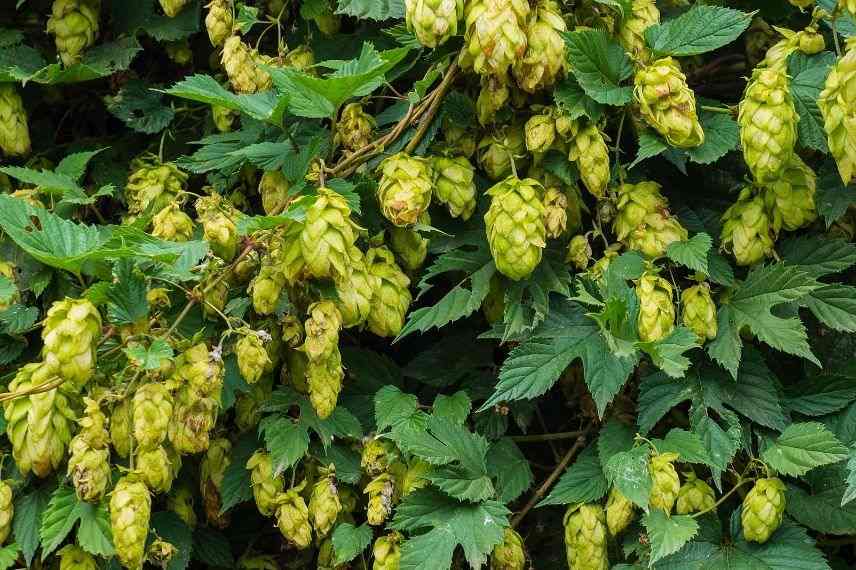
Hop or Humulus lupulus is a climbing perennial plant appreciated for its light-green foliage and rapid growth. Adaptable to all exposures, it nevertheless prefers semi-shaded locations. This liana, with a fleshy root, regrows each year and goes into dormancy in winter. The hop plant is dioecious, with male and female plants, and the cones of the female plants are used to flavour beer.
Strawberry tree - Arbutus unedo
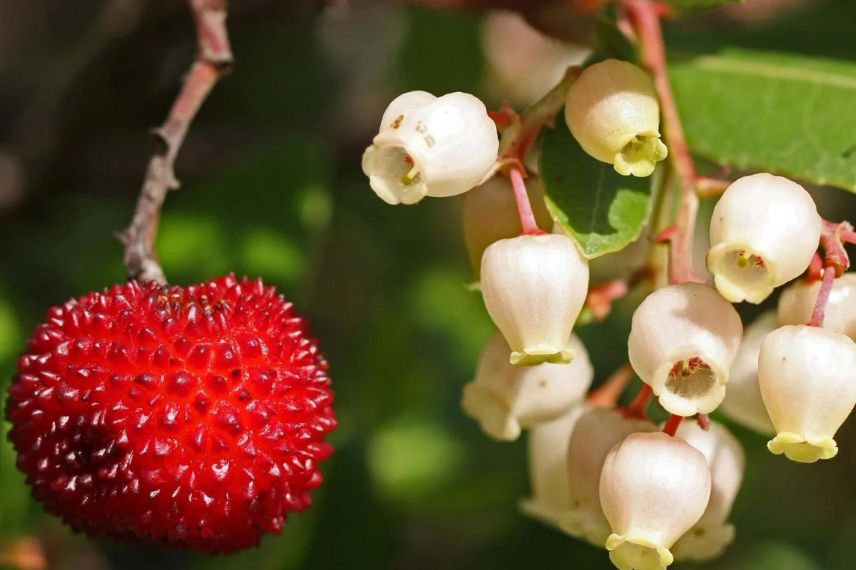
Arbutus unedo, also known as the Strawberry tree in reference to its fruits, is best known in the south of France, but its great adaptability deserves to be planted a little more widely
- Subscribe!
- Contents

Comments