




























Growing quinoa in your vegetable garden
It's possible to grow and harvest quinoa in your garden!
Contents
Before anything else, let’s set the record straight: quinoa (Chenopodium quinoa) is not a cereal (as its appearance might logically suggest!) but a vegetable. It actually belongs to the family Amaranthaceae, and now to the subfamily Chenopodiaceae, like spinach and beetroot, as well as Good King Henry. In recent years, quinoa seeds have entered our diets thanks to their nutritional qualities. Quinoa is indeed very rich in proteins, vitamins, fibres, and minerals while being gluten-free. It’s safe to say it belongs to the trendy superfoods. Known as “the Inca rice,” it is primarily cultivated in Latin America, intensively. Naturally, this quinoa cultivation in countries like Peru and Bolivia has its share of human, ecological, and economic issues… related to agricultural intensification and exportation. That’s why it is always better to consume quinoa sourced from sustainable agriculture and fair trade. Or even better, to grow it yourself in your vegetable garden!

All you need to know about quinoa
The quinoa (Chenopodium quinoa) is a herbaceous annual dicotyledonous plant, edible and cultivated for thousands of years in Latin America, where it is certainly native.
It is a close cousin of white goosefoot (Chenopodium album), an annual plant often regarded as adventive but still edible, or of Good-Hen goosefoot (Chenopodium bonus-henricus), an ancient and forgotten vegetable considered a wild spinach.
But let’s return to our quinoa. Cultivated for about 5000 years in the Andes, particularly in Peru and Bolivia, originally in arid, alkaline, and saline soils, quinoa has been significantly selected and hybridised, resulting in a multitude of varieties that allow it to be grown in our temperate regions, both by the sea and in the mountains. Quinoa is indeed drought-resistant but requires some coolness to germinate and bear fruit. 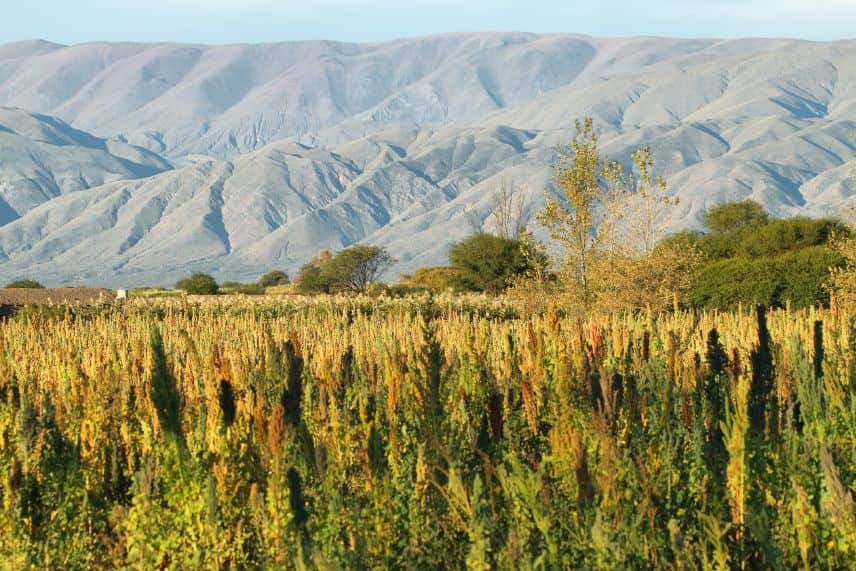
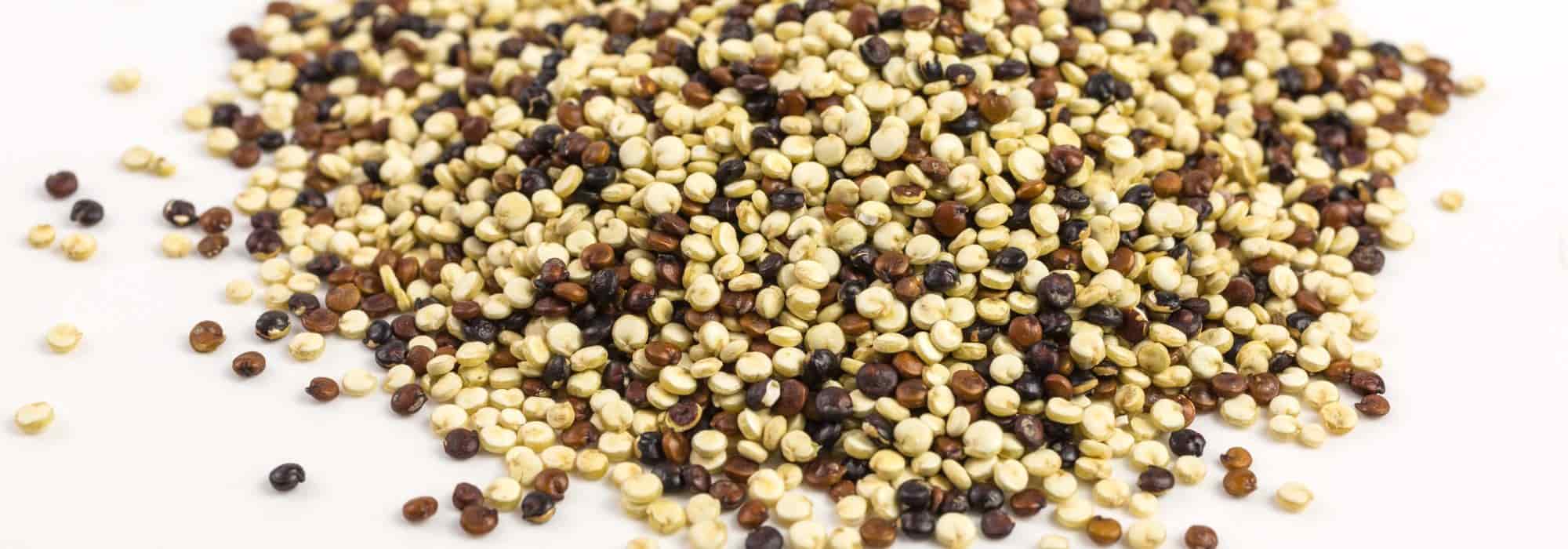
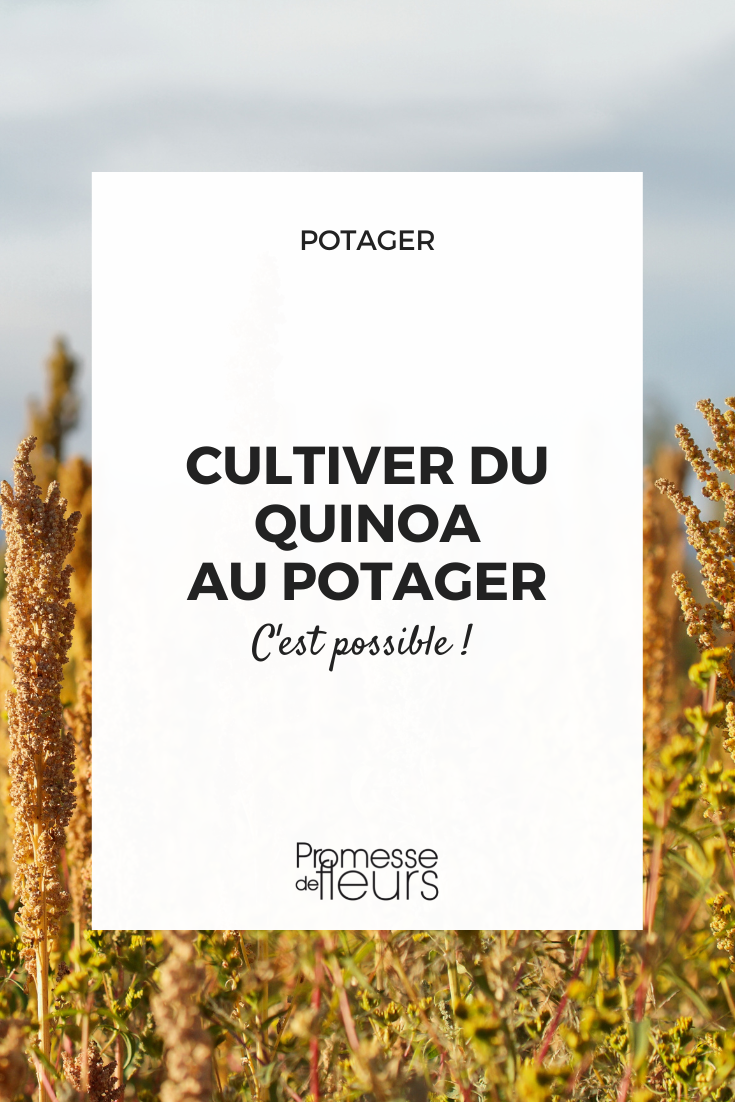
Quinoa is a plant that can reach heights of 1 to 2 m. It produces dense panicles at its top, consisting of seeds in various colours: white, beige, yellow, ochre, red, black…
Quinoa seeds offer numerous nutritional benefits: they are an important source of protein, essential amino acids, fibre, minerals, and trace elements (iron, manganese, copper, potassium) while having the same caloric value as rice and pasta. The final advantage lies in their gluten-free nature.
Read also
Chenopodium: planting, sowing, harvestWhere and when to sow or plant quinoa?
Quinoa is a plant of temperate climate, neither too hot nor too cold. Indeed, excessive heat, above 35 °C, can cause flowering to abort. Similarly, a rainy and therefore humid late summer and autumn can hinder the harvest. On the other hand, quinoa enjoys sufficiently humid springs. It also prefers a relatively cool soil for germination, which should still reach 15 °C.
Quinoa requires a very sunny location and humus-bearing, light, well-drained, and rather loose soil. The addition of organic matter is not obligatory. If you do add some compost, it should be done very moderately.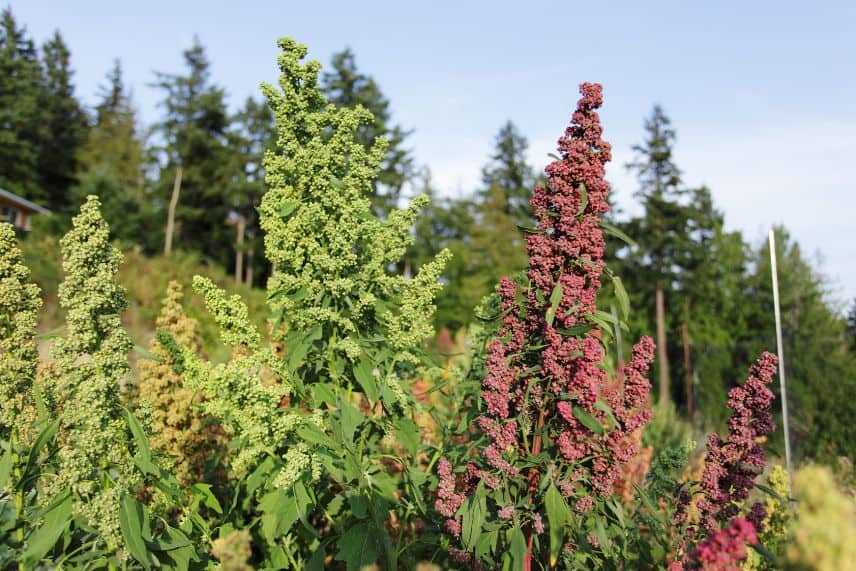
Sowing or planting will take place from March to May, depending on the regions. Knowing that quinoa is relatively resilient at the start of cultivation as it can withstand light frosts. In regions where frosts are common in March, sowing can be done under cover. In any case, it is recommended to place the seeds in the fridge for a few days to break dormancy.
Discover other World flavours
View all →
Available in 0 sizes
Available in 2 sizes
Available in 2 sizes
Available in 1 sizes
Available in 2 sizes
Available in 0 sizes
Available in 1 sizes
Available in 1 sizes
Available in 1 sizes
Available in 1 sizes
How to plant or sow quinoa?
You can either sow quinoa seeds or obtain young plants in pots to plant in the ground.
Sowing quinoa under cover
- Sow the seeds broadcast in trays or pots under cover
- Cover with a thin layer of potting soil and water
- When the seedlings have two true leaves, transplant them into pots, still under cover
About 3 to 4 weeks after sowing, when the young plants are around ten centimetres tall and have 4 to 6 leaves, it is possible to transplant the quinoa plants into the ground, once all risk of frost has passed.
Sowing in the ground
In May (but never later, to allow time for quinoa to reach ripeness before the late summer rains), you can sow directly in the ground:
- Trace furrows spaced 50 cm apart
- Sow one seed every 10 cm or in clusters every 20 to 30 cm
- Cover with a thin layer of soil
- Water gently
- Thin out every 20 cm the seeds sown in rows or keep the strongest young plants for sowing in clusters. You can consume the cooked leaves like spinach from the plants you thin out.
Read also
7 superfoods to grow in your gardenWhat care does quinoa require?
Caring for quinoa plants is relatively simple:
- Water only until the flowering and seed formation stages if the weather is dry. After that, stop watering, as quinoa can withstand drought.
- Hoe and weed very regularly to prevent the proliferation of weeds. To facilitate and even limit weeding, it is recommended to mulch the soil, but you will likely still need to continue weeding.
- Support the plants when they reach 20 to 30 cm to prevent them from falling over.
- Watch out for slugs that may be fond of the young shoots.
The harvest of quinoa
The panicles, filled with seeds, of quinoa reach between 30 and 80 cm. As they mature, they change from light green to their final colour, most often red. Generally, when the panicles are ready to be harvested, the seeds easily detach with friction. 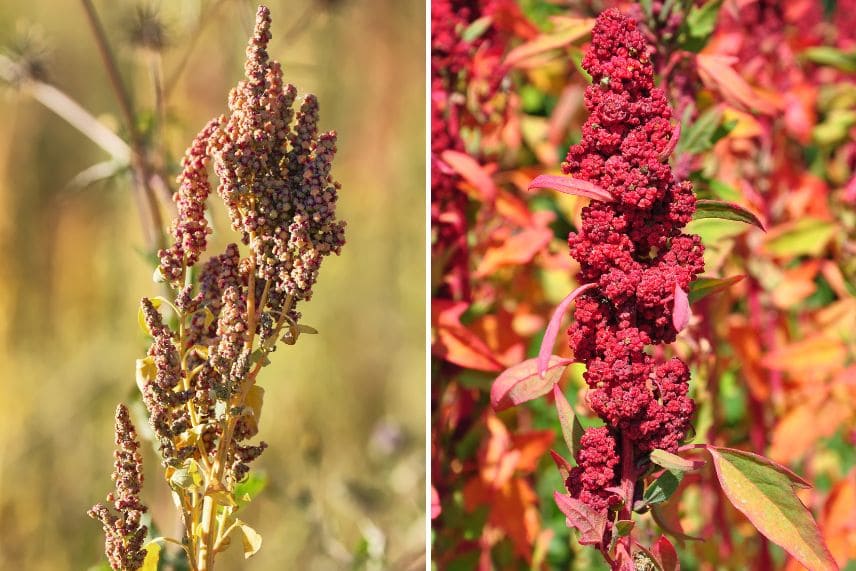
To harvest the seeds, simply:
- Cut all the stems and place them on a tarpaulin
- Beat the quinoa with a stick or a flail to separate the grains
- Remove the large debris by hand
- Collect the grains and pass them through a sieve to remove the small debris. Repeat the sifting as many times as necessary.
If tiny debris the size of the seeds remains, it’s not a problem. You can remove it during preparation. At that point, let your quinoa seeds soak in a bowl of water for a few hours. The remaining debris will rise to the surface. You can then remove it with a fine sieve. This water process also has the benefit of removing saponin, a bitter substance that surrounds the seeds (which also prevents birds from enjoying them!)
If the end of summer is rainy, it is better to cut the stems before the seeds ripen. Simply hang them upside down in a dry, airy place to allow them to finish ripening.
If you have only grown a small amount of quinoa, a simple crushing of the panicles between your hands is enough to release the seeds.
The leaves are also edible, but before flowering.
How to cook it?
Once rinsed in water, quinoa seeds are cooked in water for 15 minutes. Allow two to three cups of water for one cup of quinoa. Quinoa seeds are cooked when the membrane surrounding them separates, revealing a translucent grain. 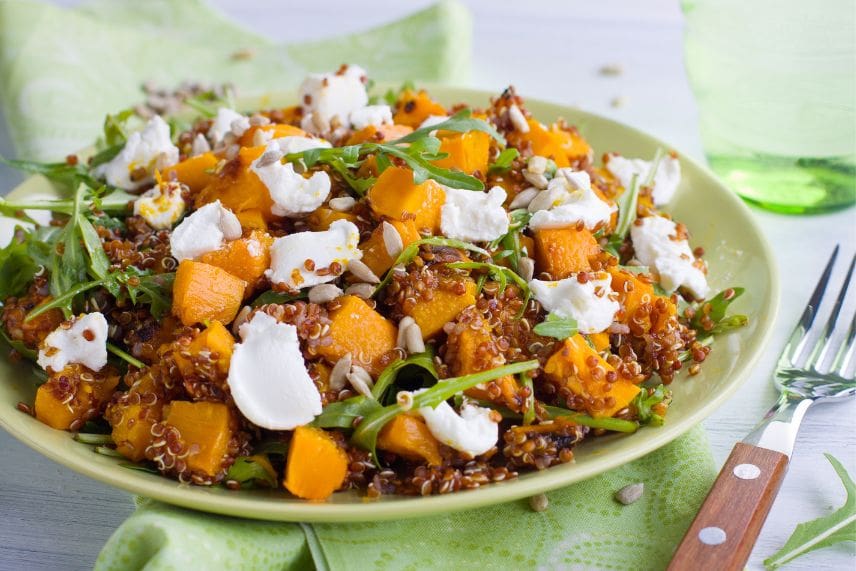
Then, simply prepare it as you would with rice. Quinoa can be enjoyed hot or cold in salads or “buddha bowls.” It can even be cooked as a dessert like semolina.
- Subscribe!
- Contents
Comments