





























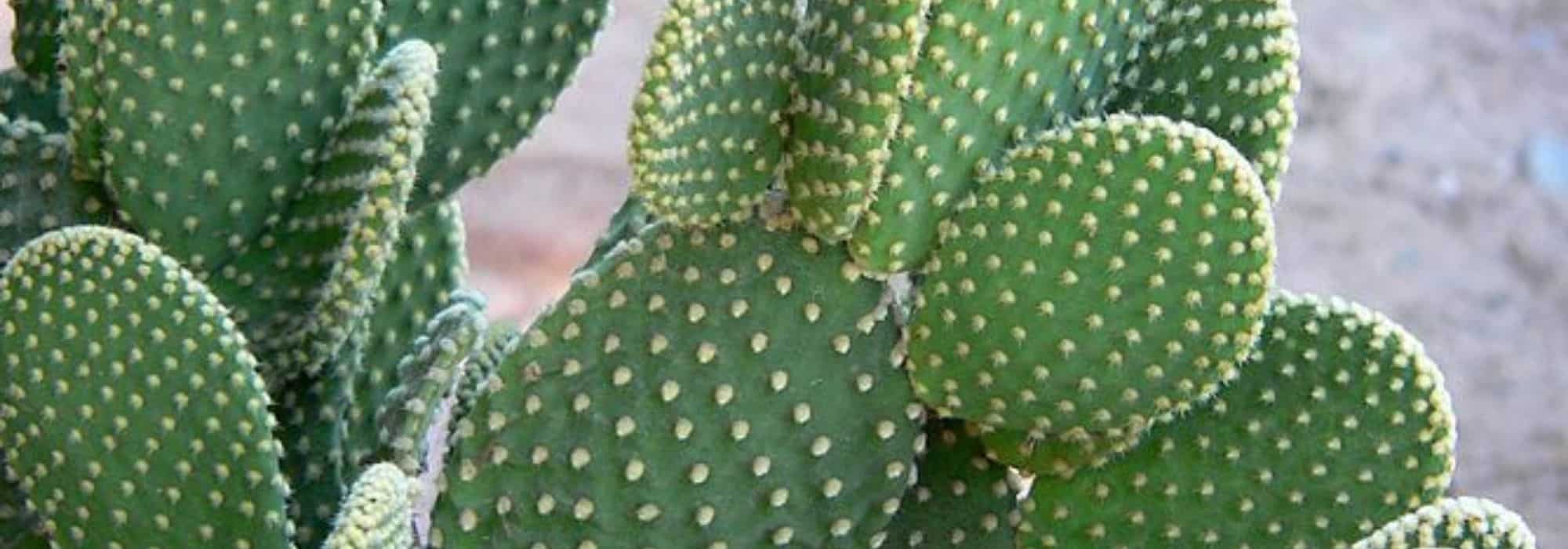
How to care for an Opuntia?
and keep a cactus in top condition
Contents
Opuntias are highly valued for their beautiful fleshy, rounded stems, shaped like prickly pears. There are several varieties of these thorny cacti, including the famous Barbary Fig (Opuntia ficus-indica), known for its surprising and edible fruits. A lover of full sun, this lovely green plant will naturally find its place in an exotic or dry garden, a rockery, and even in our interiors. These are succulents that require little maintenance, but they can still suffer some minor damage and fall ill.
For a cactus thriving in its thorns, follow our tips for care, recognising diseases, pests, and how to treat them.
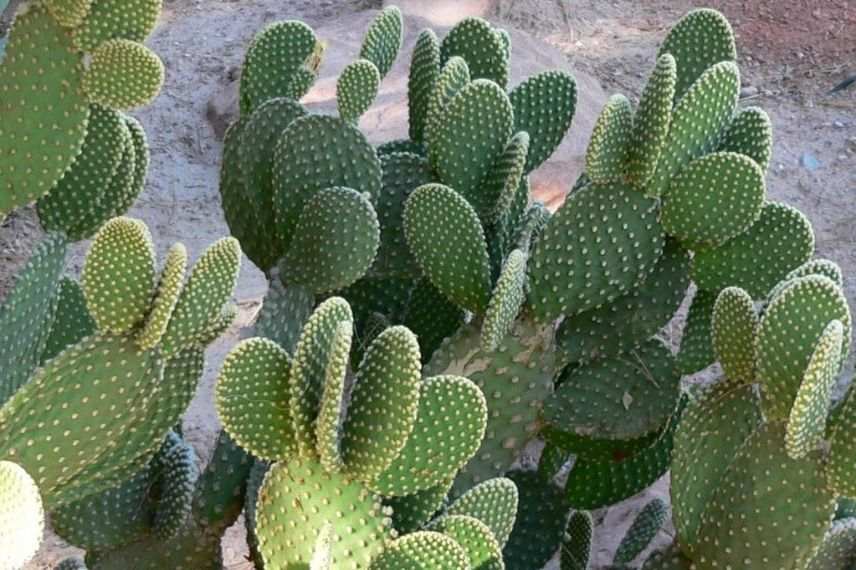
Opuntia microdasys is native to the desert regions of Mexico

Watering and fertiliser application
Watering yes! But with moderation
Opuntias are part of the succulents, those fleshy plants that store water and nutrients in their stems to withstand drought. However, they fear excess moisture and standing water. When grown in the ground, opuntia does not need watering or fertiliser. Native to desert plains, it can go without water for over a month!
In pots, occasional watering is necessary from spring to autumn, but without excess. Be sure to let the substrate of your cactus dry out between waterings. Do not let water stand in the saucer under your pot. During its resting period in winter, watering is unnecessary.
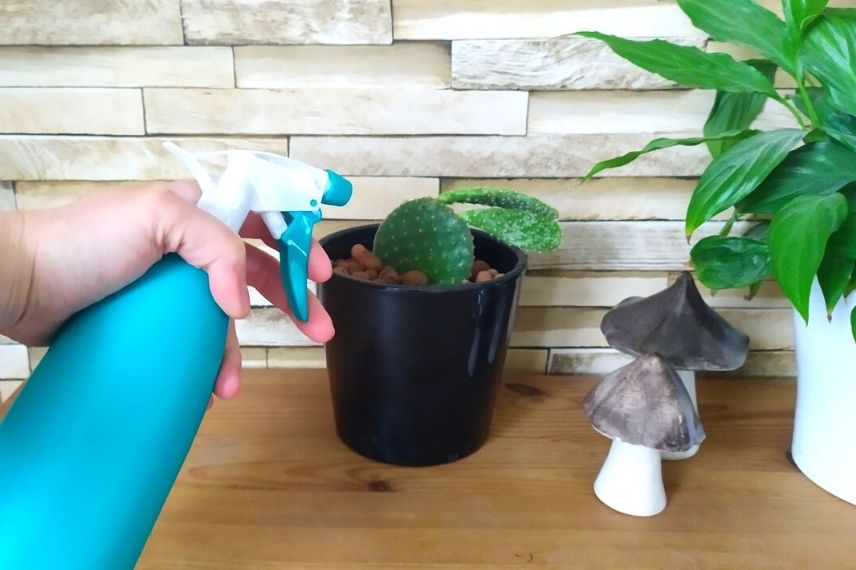
Watering opuntia should be done with moderation
Fertiliser and repotting
If your Opuntia is grown in a pot, you can provide it with fertiliser to encourage flowering and fruiting. Choose a liquid fertiliser for cacti to be given once a month, from spring until autumn. Don’t forget to repot it occasionally in spring. Take this opportunity to change the size of its pot according to its growth.
Read also
Pairing ideas with OpuntiaCold and frost in winter
Cacti, particularly prickly pears, originate from the distant desert regions of Mexico. It goes without saying that they particularly enjoy warmth! Most varieties of Opuntia are not very hardy. Growing them outdoors is therefore reserved for Mediterranean regions. Elsewhere, they can be grown in pots, which should be brought indoors in winter to protect them from the cold. You can then place your Opuntia in a conservatory, greenhouse, or near a bright south-facing window.
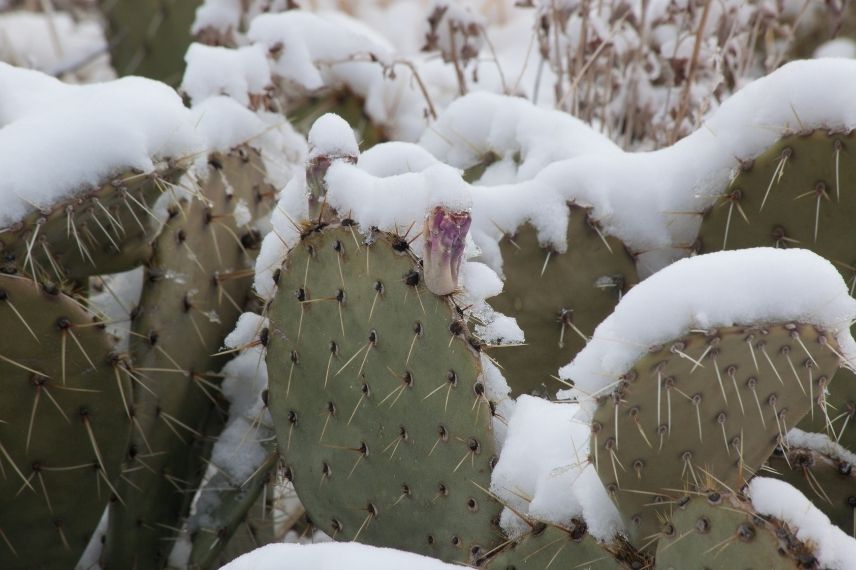
Cold, frost, and snow can cause an Opuntia to pale and become damaged.
Symptoms
Your Opuntia has suddenly turned pale green or even white. Its pads may also start to droop or fall off.
How to remedy this?
- Place your Opuntia out of reach of frost, preferably in an unheated conservatory or behind a sunny window. Then wait a few days to observe its progress.
- If your Opuntia turns green again: keep it that way, protected from the cold. Bring your cactus back outside once the risk of frost has passed.
- If your Opuntia turns black: promptly remove any pads that are darkening. This indicates rot, which can spread to the entire plant.
Note: some pads may naturally detach from the cactus following a cold snap. Don’t worry, this is a survival reflex of the plant. You can take this opportunity to make cuttings of Opuntia, knowing that they can be kept for over a month in the open air, protected from the cold but in light.
Discover other Opuntia
View all →
Available in 1 sizes
Available in 1 sizes
Available in 1 sizes
Available in 1 sizes
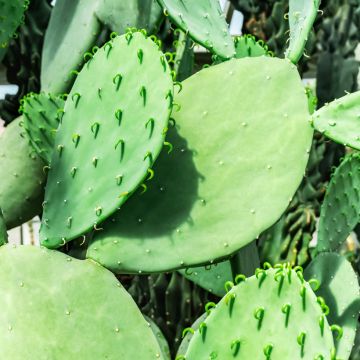
Available in 1 sizes
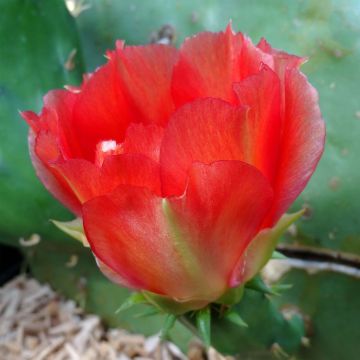
Available in 1 sizes
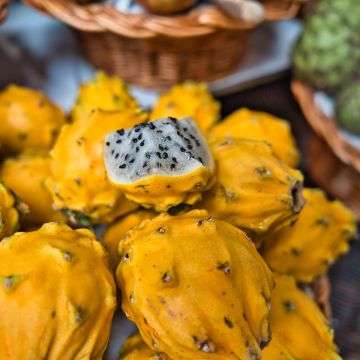
Available in 1 sizes
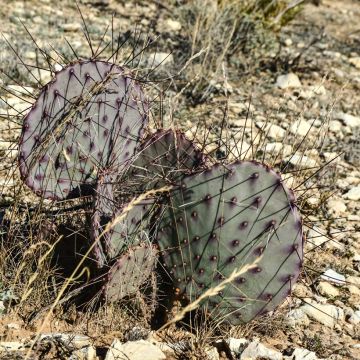
Available in 1 sizes
Available in 1 sizes
Available in 1 sizes
My prickly pear cactus is leaning
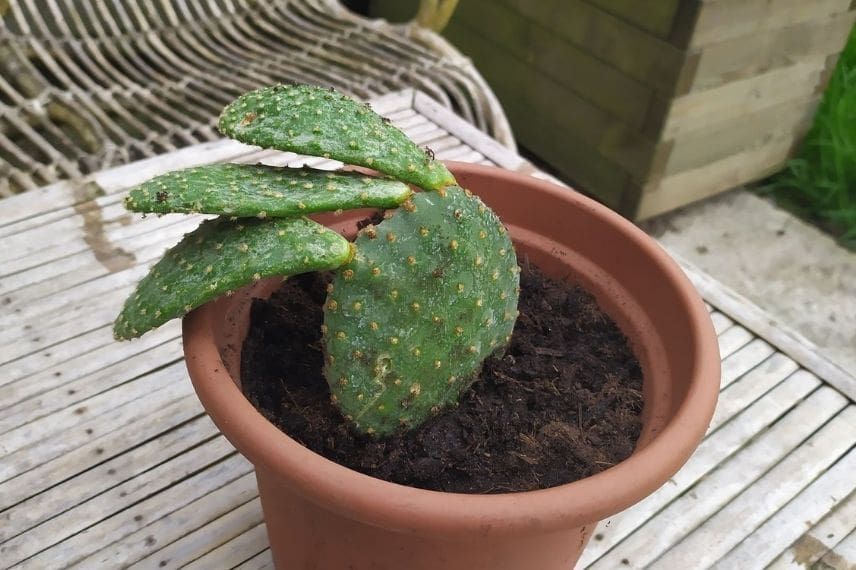
An excess of watering or a lack of light causes the pads of this cactus to droop
Description
Opuntias, native to the Mexican deserts, are sun-loving plants. A lack of light can cause them to lean in search of sunlight.
Excess water stored in the stems can also weigh down the pads of your cactus, causing them to bend under their own weight.
Symptoms
Your prickly pear cactus appears to be stretching abnormally, leaning, or deforming.
Prevention and treatment:
- In the garden: plant your Opuntia in full sun, in a warm and sheltered area, for example against a south-facing wall. It is unnecessary to water your Opuntia if it is planted in the ground, even if you live by the Mediterranean.
- Indoors: the potted cactus should be placed behind a south-facing window. Rotate the pot a quarter turn every 15 days. Be sure to always let the substrate dry out between waterings.
- Upright your Opuntia using a bamboo stake.
- In case of excess, reduce watering.
Read also
Growing an Opuntia in a potMy opuntia is becoming soft and black
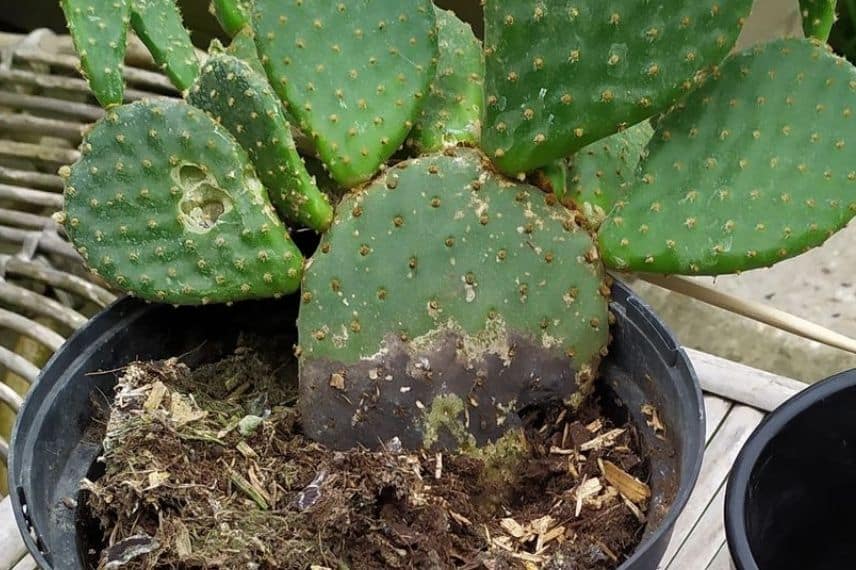
The base of the cactus is turning black: no doubt, it’s wet rot
Description
Softening of your cactus is often linked to overwatering. If you believe you haven’t made any mistakes with watering and the base of your cactus is turning black, then it is a fungus known as wet rot (Botrytis cinerea). This is the main cause of mortality in prickly pear cacti.
Symptoms
Your Opuntia looks sad and is becoming soft. Black or brown spots appear at the base of the cactus.
How to remedy this?
Prevention:
- In pots: Water your Opuntia sparingly, without leaving standing water in its saucer. Allow the soil to dry out between waterings and do not water during its dormant period in winter.
- In the ground: native to desert plains, the Opuntia does not require watering.
- Improve the drainage of your soil by mixing 1/2 garden soil or potting soil with 1/2 planting sand or perlite. If your Opuntia is in a pot, also place a layer of clay balls at the bottom.
Treatment:
- If your Opuntia is soft, without dark spots: stop watering for a while and change its substrate if necessary to remove excess water.
- In case of black or brown spots: cut away the healthy parts of the Opuntia with a pruning shear or a knife, then repot them in suitable substrate as if making a cutting. Remove the black parts and the old substrate.
Scale insects
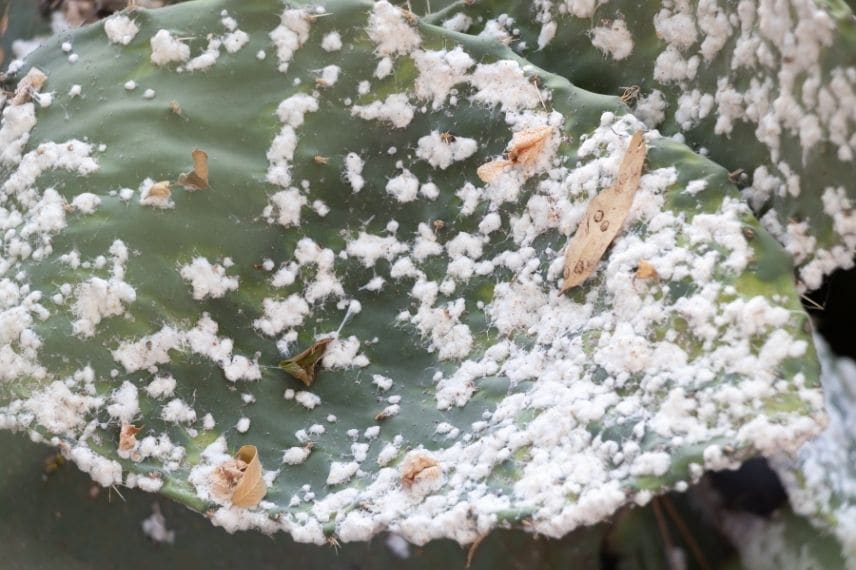
Mealybugs on an opuntia are easily identifiable
Description
Mealybugs are small insects, either white or brown, measuring just a few millimetres, that pierce the plant to feed on its sap.
Symptoms
- The insects form white, cottony deposits on the pads of the affected opuntia.
- The plant weakens and may become covered in a sticky honeydew.
How to remedy this?
- Soak a cloth or cotton bud in 90° alcohol or soapy water, then remove the mealybugs. Rinse with clear water afterwards.
- Remove the waxy shells and eggs of the mealybugs with the back of a knife to avoid damaging the plant.
- Dilute in 1 litre of water: 1 teaspoon of liquid black soap with 1 teaspoon of 90°C alcohol and 1 teaspoon of vegetable oil. Spray this mixture on your cactus once a week until the mealybugs are completely gone.
→ Find our article to learn more about mealybugs: identification and treatment
The ultimate solution: propagation by cuttings
Your opuntia seems quite sick and you see no possible way out. Don’t lose hope, as you have one last solution: propagation by cuttings. Almost foolproof with healthy pads, this is the simplest method to save a cactus suffering from rot, disease, or frost damage. Moreover, propagation by cuttings allows you to easily multiply your opuntia.
→ Discover our step-by-step tutorial on propagating an opuntia.
For further reading
- Discover our collection of Opuntia to grow in pots or in the garden!
- To learn all about these beautiful succulents, check out our sheet on the opuntia, prickly pear cactus: planting, cultivation, and care.
- Subscribe!
- Contents
![[cactus care id="123" plant="opuntia"]pad[/cactus care]](https://en.promessedefleurs.eu/blogwp/wp-content/uploads/2022/04/Comment-soigner-un-opuntia-.jpg "To care for an [opuntia], also known as a prickly pear cactus, make sure to place it in a sunny spot with well-draining soil. Water it sparingly, allowing the soil to dry out between waterings. In winter, reduce watering to prevent root rot. Prune off any dead or damaged pads, and wear gloves to protect your hands from the spines. Fertilize with a [cactus] fertilizer in spring and summer. Enjoy the beautiful blooms and tasty fruits that the opuntia produces!")
Comments