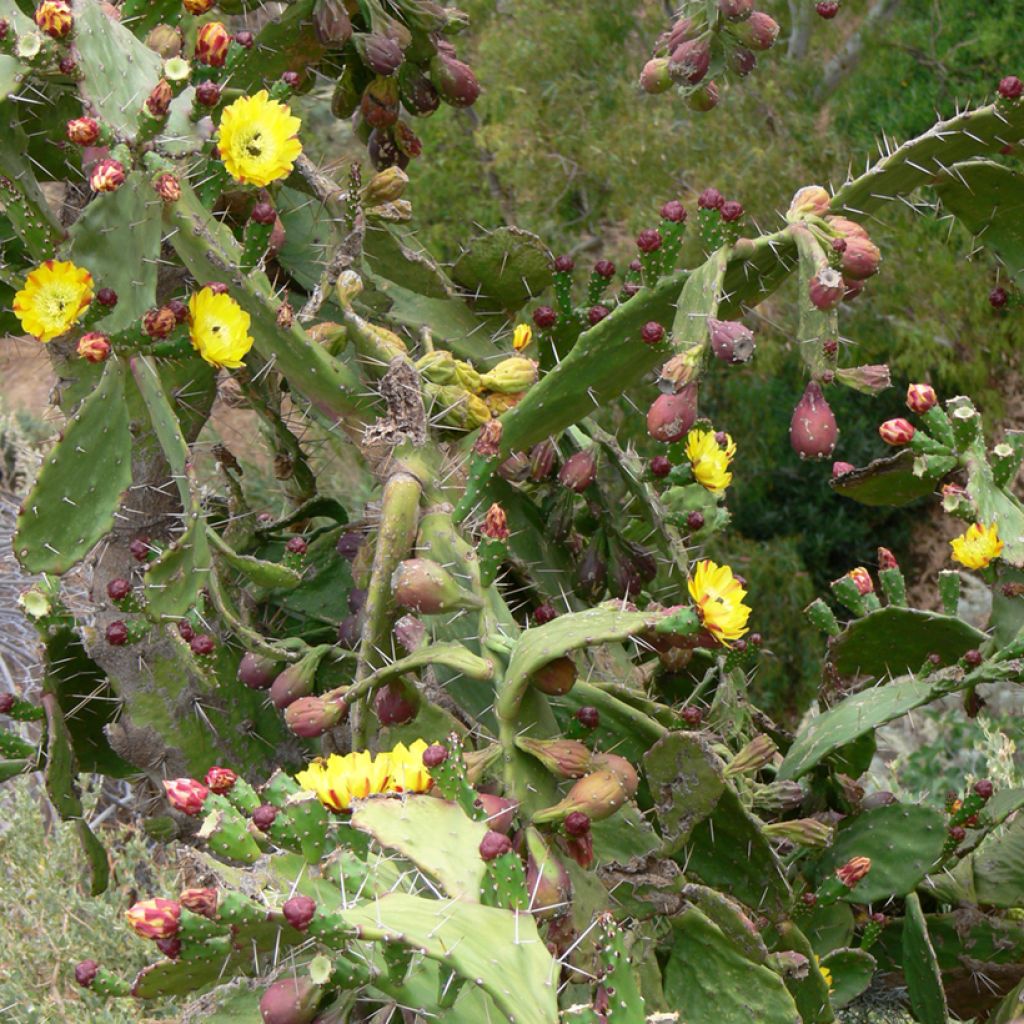
Opuntia howeyi - Prickly Pear
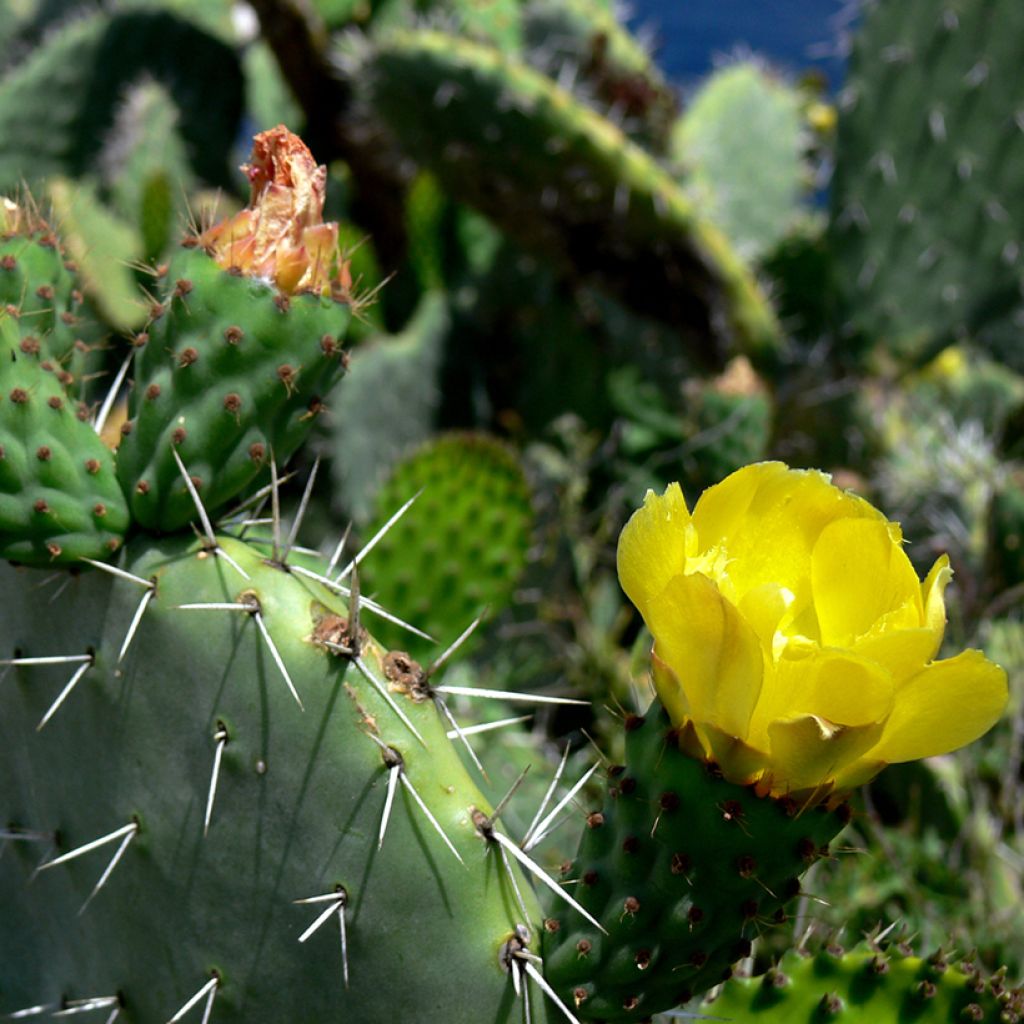
Opuntia howeyi - Prickly Pear
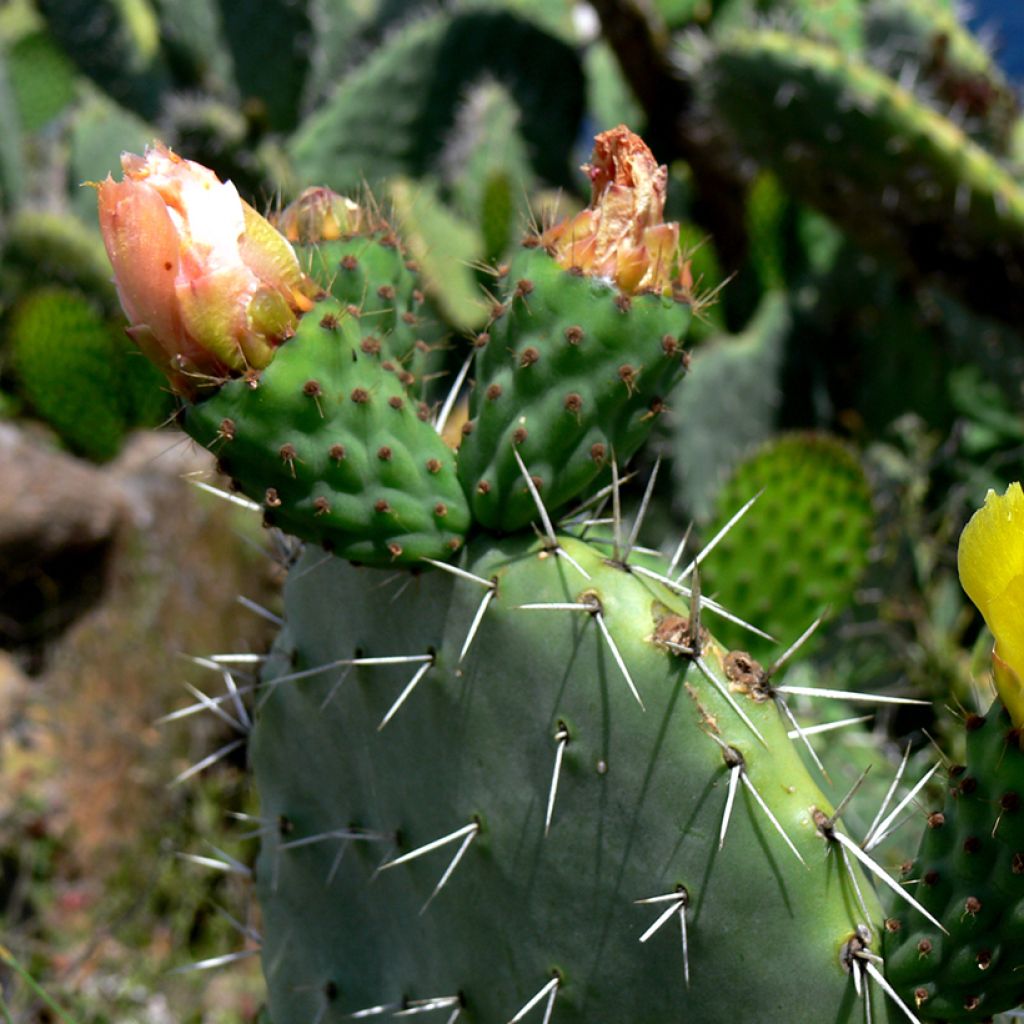
Opuntia howeyi - Prickly Pear
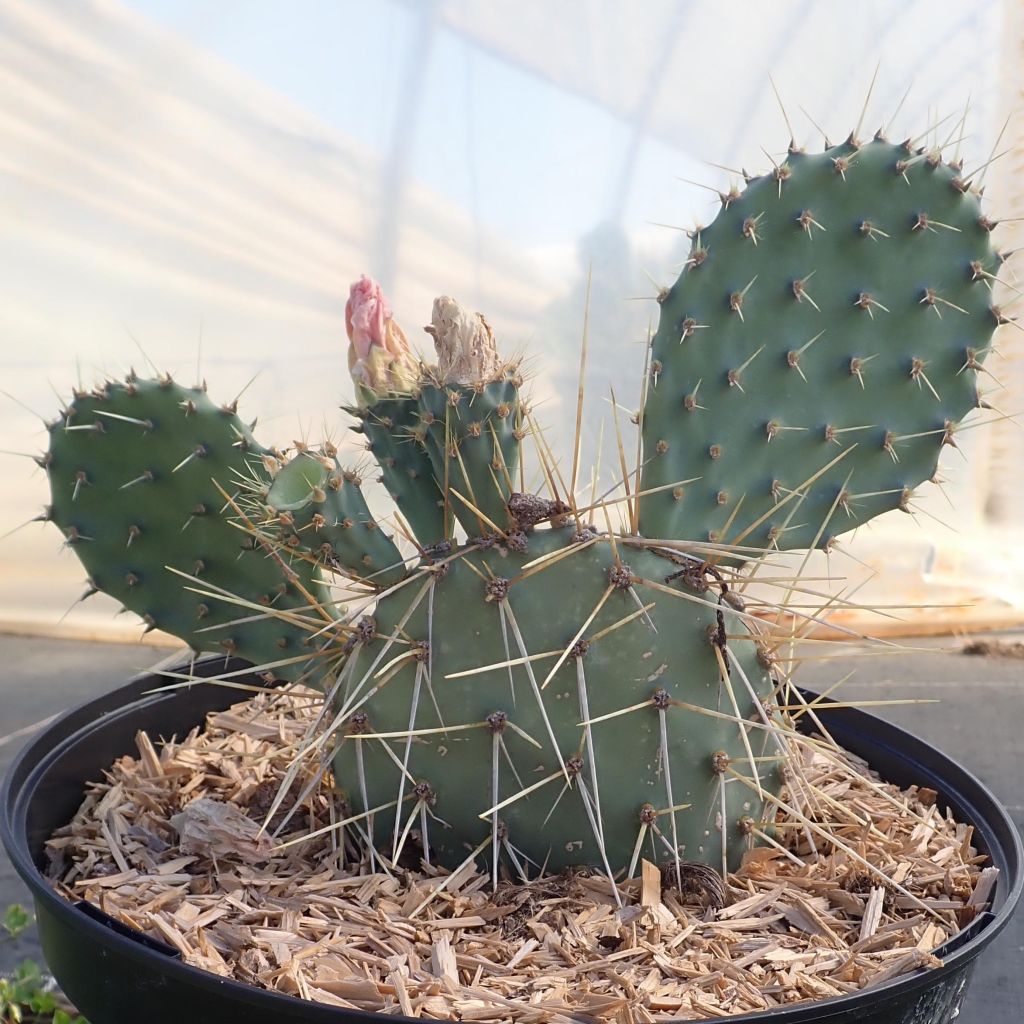
Opuntia howeyi - Prickly Pear
Opuntia howeyi - Prickly Pear
Opuntia howeyi - Prickly Pear
Opuntia howeyi
Bunny ears Cactus, Polka-dot Cactus
Very beautiful plant, good size, well packed and protected.
Antoine , 28/08/2024
Back-to-school special offer!
Get €10 off for every €50 you spend! And get up to €40 off on a single order.
How does it work?
1. Shop your favourites
Add your favourite plants to your basket. For every €50 you spend (excluding delivery charges, store credit and the plastic-free option), you’ll receive a €10 voucher.
€50 spent = €10 voucher
€100 spent = €20 voucher
€150 spent = €30 voucher
€200 spent = €40 voucher
2. Place your order
Once your basket reaches one of the spending thresholds, place your order. You can even choose your delivery date!
3. Receive your voucher
As soon as your order has been shipped, you’ll receive an email containing your personal voucher code and its value.
4. Use it on your next order
Your voucher is valid for 90 days from the date you receive it. It can be used once only, on a new order worth at least the value of the voucher, excluding delivery charges.
Please note: Vouchers can be combined with other offers, but cannot be split or refunded.
Home or relay delivery (depending on size and destination)
Important: You may be charged customs duties by your country’s customs authorities upon delivery.
Schedule delivery date,
and select date in basket
This plant carries a 12 months recovery warranty
More information
We guarantee the quality of our plants for a full growing cycle, and will replace at our expense any plant that fails to recover under normal climatic and planting conditions.

Would this plant suit my garden?
Set up your Plantfit profile →
Description
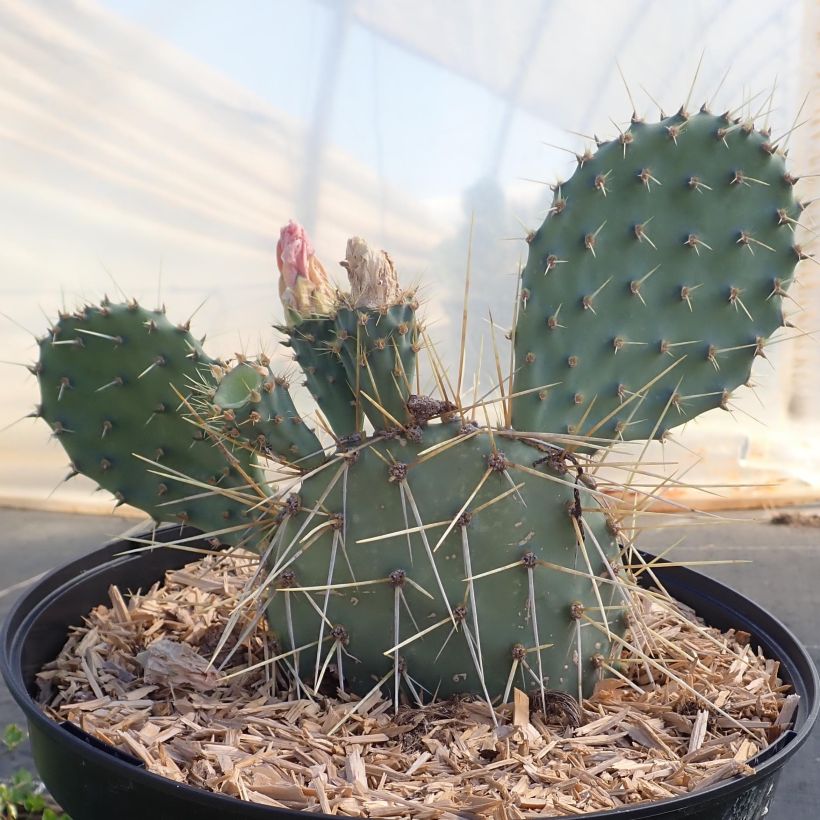
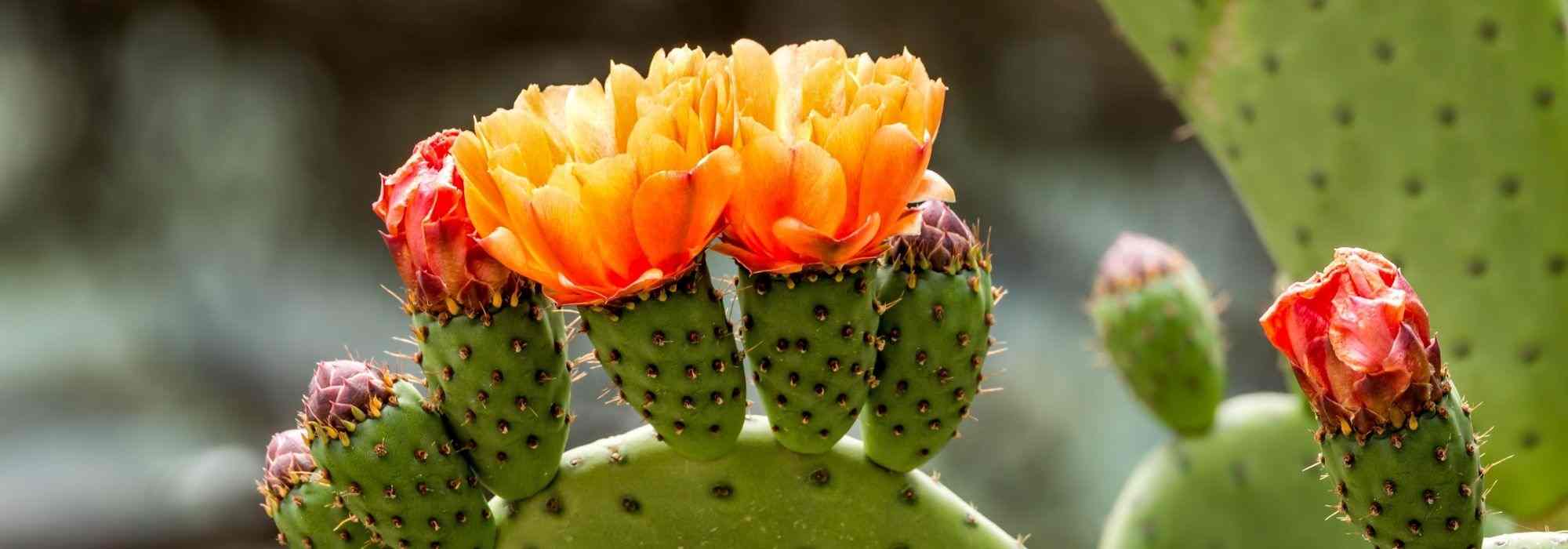
The Opuntia howei is a particularly hardy variety of prickly pear, capable of adapting to almost all climates. This species forms a low and slightly spreading bush, composed of small but heavily armed prickly pear pads, with a somewhat unkempt appearance. These pads are adorned in late spring with delicate cup-shaped flowers in a soft yellow colour. They are followed by rounded fruits in a vibrant raspberry red, which are highly decorative. Hardy prickly pears are cultivated outdoors, in open ground and away from high traffic areas, in poor and arid soils. These plants then express the spirit that inhabits them, that of the desert landscapes of North America.
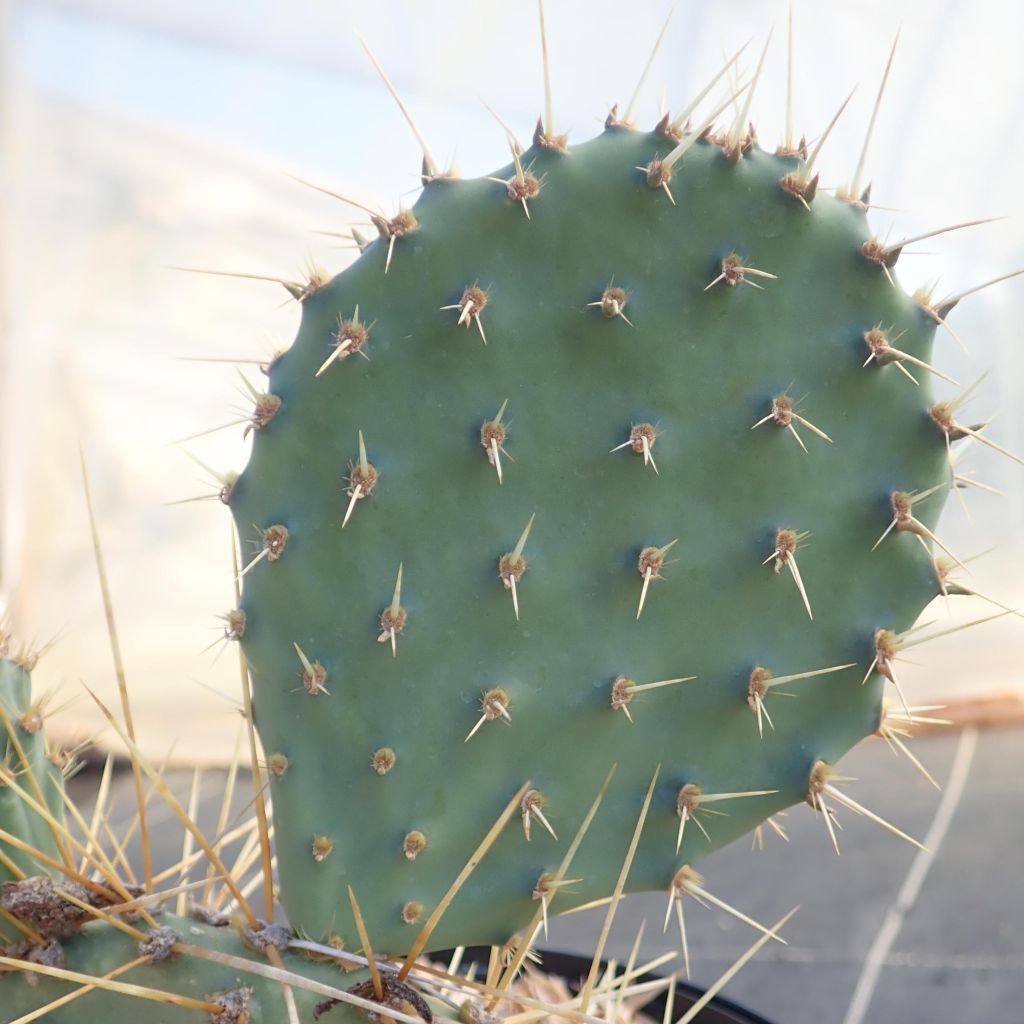
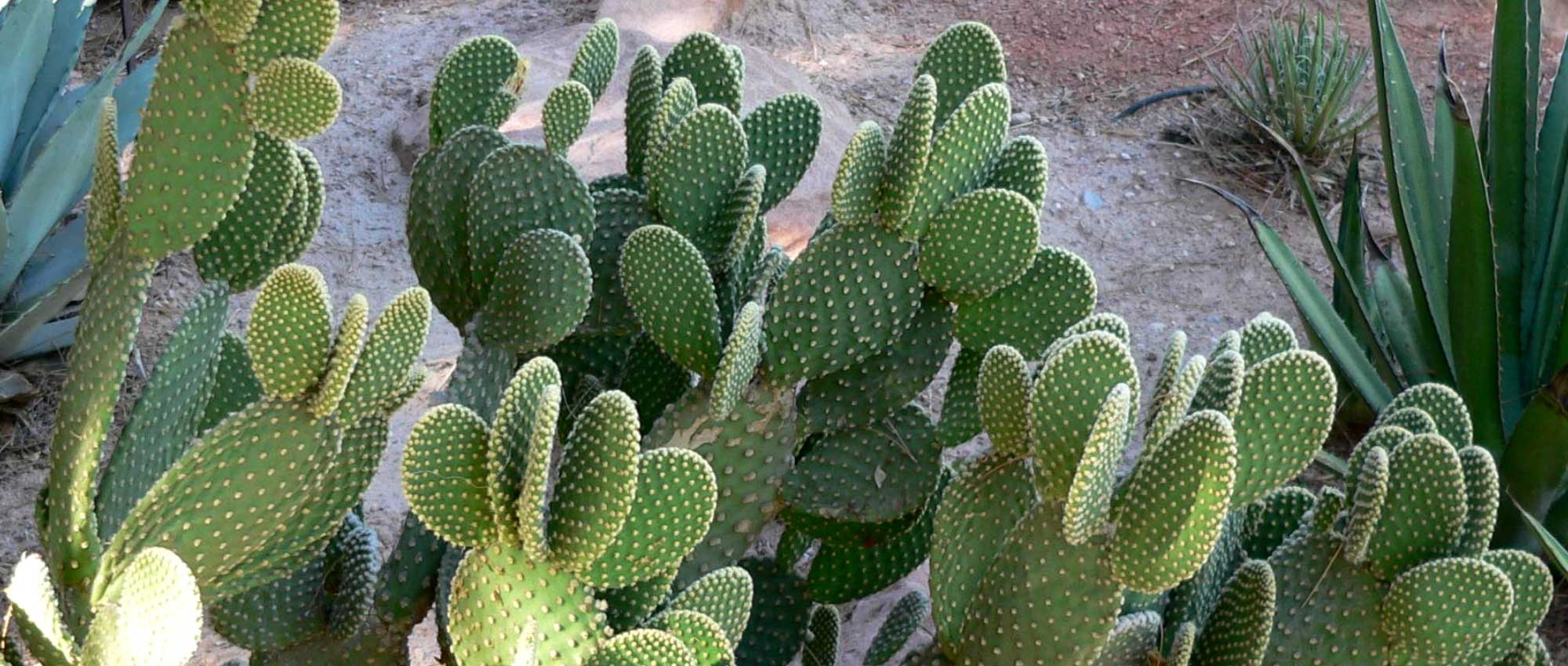
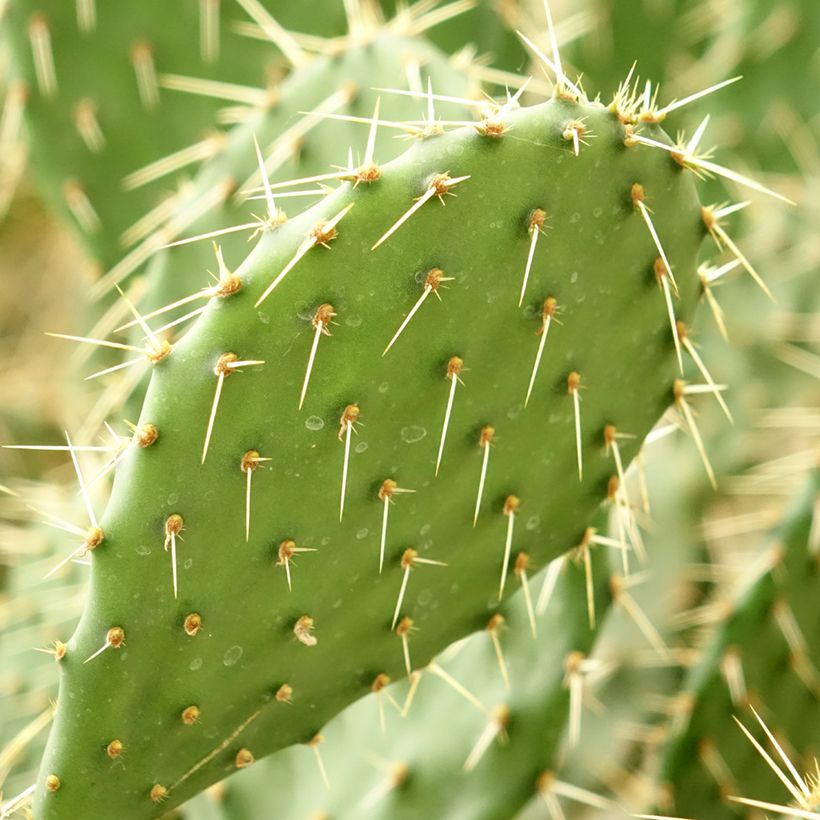
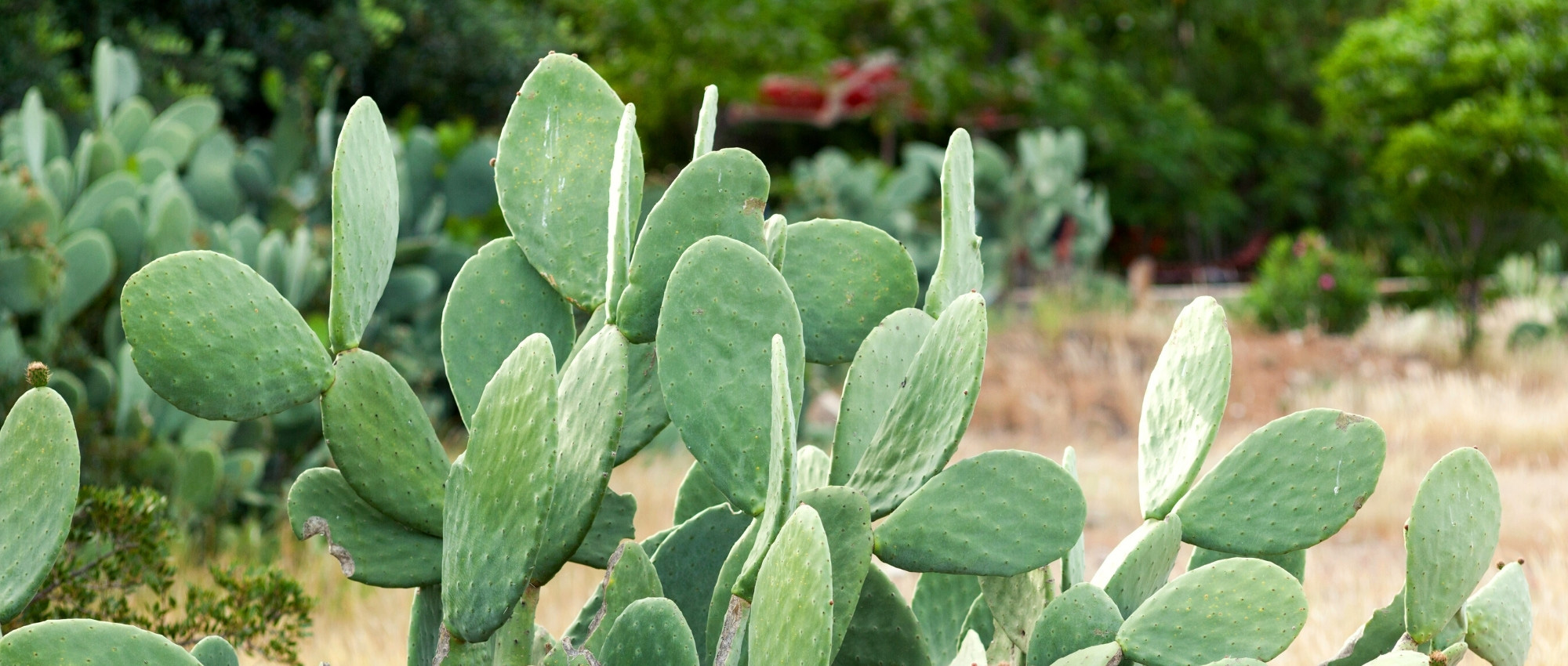
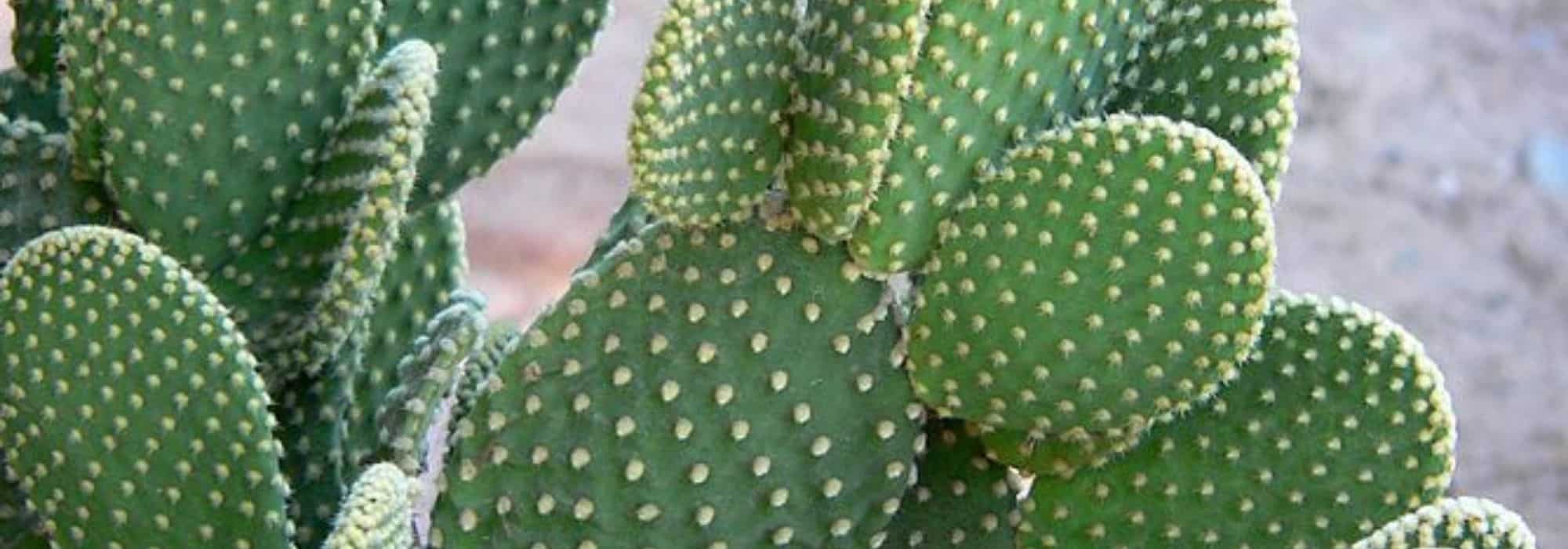
The Opuntia howei, a close relative of the Prickly Pear (Opuntia ficus indica), is a succulent plant devoid of true leaves from the cactus family. This botanical species is native to arid regions of Mexico. Its habit is semi-erect, with a mature specimen not exceeding 60 cm (24in) in height, but spreading laterally for at least 1 m. Its growth is quite rapid, with the plant producing 1 or 2 new pads per year from spring to autumn. The vegetation is composed of its pads or cladodes, which are stacked on top of each other, flattened, fleshy, and thick. The base of the plant lignifies a little with age; the vegetation withstands wind and snow. The gray-green-blue surface of the pads or cladodes is abundantly covered with large ivory-white prickles with a brown base, which become golden brown over time, as well as tiny prickles called glochides, gathered in small round clusters, which are very dangerous when handled. Flowering occurs from May to July, several delicate yellow flowers appear on the edges of the pads, mainly towards their tips. The rounded cup-shaped flowers are composed of fine and slightly translucent petals. They give way to globose fruits, heavily covered with glochides, which turn bright red when ripe.
Cultivable in almost all regions, this amazing cactus is hardy down to -18°C at a minimum without protection, but in perfectly drained, stony, rocky, or sandy soil. It naturally structures exotic or contemporary landscapes, in a large rock garden, on an arid slope, or at the edges of a dry garden. It can also be used to double as a defensive hedge. It will find its place among hardy agaves, Nolinas, and arborescent Euphorbias. Pair it with fairly hardy columnar cacti, Cleistocactus strausii or Cylindropuntia imbricata. It should be kept away from high traffic areas and children due to its formidable spines.
Opuntia howeyi - Prickly Pear in pictures
Flowering
Foliage
Plant habit
Botanical data
Opuntia
howeyi
Cactaceae
Bunny ears Cactus, Polka-dot Cactus
North America
Planting and care
Plant Opuntia howei in spring or early autumn, in full sun, or partial shade in hot and dry climates, in preferably poor, even rocky, limestone, sandy, but very well-drained soils. It tolerates winter humidity combined with cold quite well, but in porous soil, and appreciates dry, even arid soils in summer. It will withstand intense frosts, down to a minimum of -18°C. Its pads or articles sometimes collapse in winter due to the cold, but 'inflate' in spring. This species also tolerates sea spray, and can therefore be cultivated in coastal areas. It is not known to be susceptible to any pests.
Cultivation substrate: 3/4 potting soil + 1/4 organic soil + organic fertilizer for potted plants. Sandy, very rocky soil for in-ground cultivation.
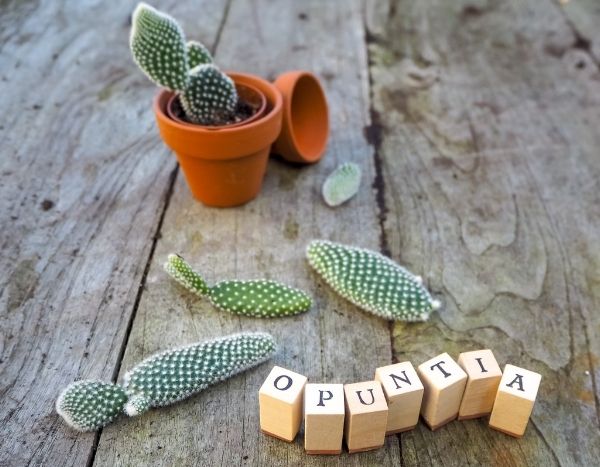
Propagation is easy: take a pad at a junction, place it on a cactus-type substrate for a few days, until the formation of a healing callus. Then insert the base of the cutting a little deeper into the soil and water regularly. The plant will not flower or bear fruit until the age of 3.
Handle your cacti with gloves and protective goggles.
Planting period
Intended location
Care
Planting & care advice
-
-
-
-
-
-
-
-
-
, onOrder confirmed
Reply from on Promesse de fleurs
Recently viewed products
Haven't found what you were looking for?
Hardiness is the lowest winter temperature a plant can endure without suffering serious damage or even dying. However, hardiness is affected by location (a sheltered area, such as a patio), protection (winter cover) and soil type (hardiness is improved by well-drained soil).

The flowering period indicated on our website applies to countries and regions located in USDA zone 8 (France, the United Kingdom, Ireland, the Netherlands, etc.)
It will vary according to where you live:- In zones 9 to 10 (Italy, Spain, Greece, etc.), flowering will occur about 2 to 4 weeks earlier.
- In zones 6 to 7 (Germany, Poland, Slovenia, and lower mountainous regions), flowering will be delayed by 2 to 3 weeks.
- In zone 5 (Central Europe, Scandinavia), blooming will be delayed by 3 to 5 weeks.
In temperate climates, pruning of spring-flowering shrubs (forsythia, spireas, etc.) should be done just after flowering.
Pruning of summer-flowering shrubs (Indian Lilac, Perovskia, etc.) can be done in winter or spring.
In cold regions as well as with frost-sensitive plants, avoid pruning too early when severe frosts may still occur.
The planting period indicated on our website applies to countries and regions located in USDA zone 8 (France, United Kingdom, Ireland, Netherlands).
It will vary according to where you live:
- In Mediterranean zones (Marseille, Madrid, Milan, etc.), autumn and winter are the best planting periods.
- In continental zones (Strasbourg, Munich, Vienna, etc.), delay planting by 2 to 3 weeks in spring and bring it forward by 2 to 4 weeks in autumn.
- In mountainous regions (the Alps, Pyrenees, Carpathians, etc.), it is best to plant in late spring (May-June) or late summer (August-September).
The harvesting period indicated on our website applies to countries and regions in USDA zone 8 (France, England, Ireland, the Netherlands).
In colder areas (Scandinavia, Poland, Austria...) fruit and vegetable harvests are likely to be delayed by 3-4 weeks.
In warmer areas (Italy, Spain, Greece, etc.), harvesting will probably take place earlier, depending on weather conditions.
The sowing periods indicated on our website apply to countries and regions within USDA Zone 8 (France, UK, Ireland, Netherlands).
In colder areas (Scandinavia, Poland, Austria...), delay any outdoor sowing by 3-4 weeks, or sow under glass.
In warmer climes (Italy, Spain, Greece, etc.), bring outdoor sowing forward by a few weeks.
Shipping country and language
Your country of residence may be:
Your country of residence is:
For a better user experience on our website, you can select:
Your shipping country:
-
 Austria
-
 Belgium
-
 Bosnia & Herzegovina
-
 Bulgaria
-
 Croatia
-
 Cyprus
-
 Czechia
-
 Denmark
-
 Estonia
-
 Finland
-
 France
-
 Germany
-
 Greece
-
 Hungary
-
 Iceland
-
 Ireland
-
 Italy
Italy
-
 Latvia
-
 Liechtenstein
-
 Lithuania
-
 Luxembourg
-
 Malta
Malta
-
 Netherlands
-
 Poland
-
 Portugal
-
 Romania
-
 Serbia
-
 Slovakia
-
 Slovenia
-
 Spain
Spain
-
 Sweden
-
 Switzerland
Language:
-
French
-
 English
-
Spanish
-
Italian
-
German
-
Portuguese
-
Dutch
-
Finnish
My Account
Hello
My wish lists
My cart
Log in / Register
Existing customer?
This form is protected by reCAPTCHA - the Google Privacy Policy and Terms of Service apply.
New customer?
Create an account to track your orders, access our customer service and, if you wish, make the most of our upcoming offers.