


How to create a welcoming garden for wildlife in winter?
These small actions that will help animals get through winter comfortably
Contents
Many animals spend the winter in our gardens. Whether they are mammals, reptiles, birds, or insects, this period can sometimes be challenging for them due to the scarcity of food, adverse weather conditions, and falling temperatures. While human intervention is generally not essential for their survival, a few small gestures can help them. Follow our tips to support garden wildlife throughout the winter.

Different survival strategies during the cold season
For animals, winter can be a challenging time. To survive, they employ various techniques.
Adaptation
Some wild species will modify their behaviour to conserve energy during winter and cope with these new living conditions. For instance, they may thicken their fur, gain weight to increase their fat reserves, group together in pairs, or slow down their metabolism to save energy.
Other animals, like squirrels, will have previously created a larder from which to draw during the cold season. Our little rodent can even locate its food buried under several centimetres of snow.
Finally, some insects will simply and naturally complete their life cycle, having taken care to lay eggs to ensure the survival of their species (dragonflies, butterflies, grasshoppers, etc.).
Hibernation
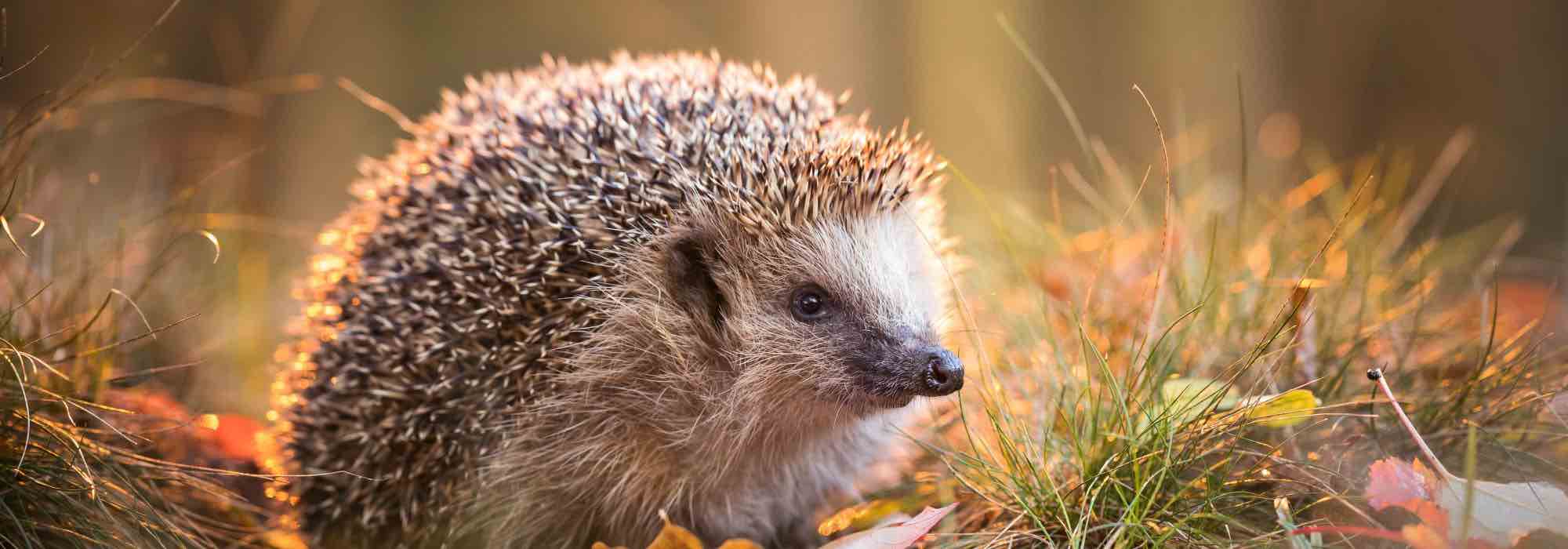
This is one of the well-known survival methods when discussing the winter period. Some animals in our gardens, like hedgehogs, will enter a lethargic state, which leads to a drop in their body temperature and maintains their metabolism at a vital minimum to avoid losing energy. This is a kind of sleep that requires a calm and protective environment.
In insects, we also mention diapause, which corresponds to a temporary halt in development when conditions are not ideal (in winter, but also during heatwaves, for example).
Migration
Many birds leave our gardens by mid-summer to return to their winter quarters in countries with milder temperatures and better food resources: this is migration. They choose to travel thousands of kilometres to escape the cold of our regions, returning only in spring. This is the case for black kites, swifts, and swallows. However, other feathered friends remain in our territory and must find ways to survive: these are the sedentary species. To get through winter, they will thicken their plumage, live in groups to keep warm, or lower their body temperature.
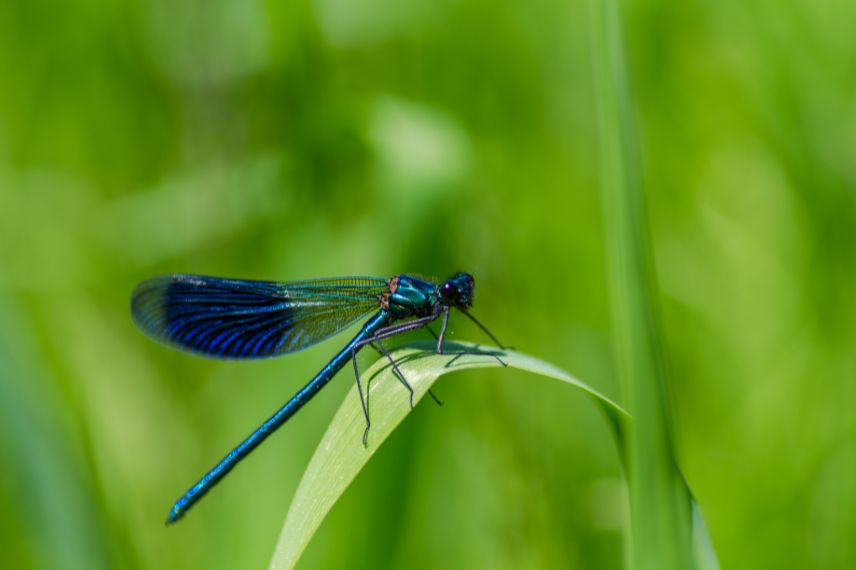
Dragonflies complete their life cycle, ensuring the survival of their species
What animals can be found in our gardens in winter?
In our gardens across the hexagon, we find various animal species during winter.
- Mammals, such as hedgehogs, shrews, mice, badgers, foxes, deer, rabbits, hares, squirrels, dormice…
- Insects: wasps, bees, bumblebees, ladybirds, lacewings, earwigs, rose beetles, butterfly chrysalises…
- Reptiles and amphibians, such as lizards, grass snakes, frogs, toads, turtles, slow worms…
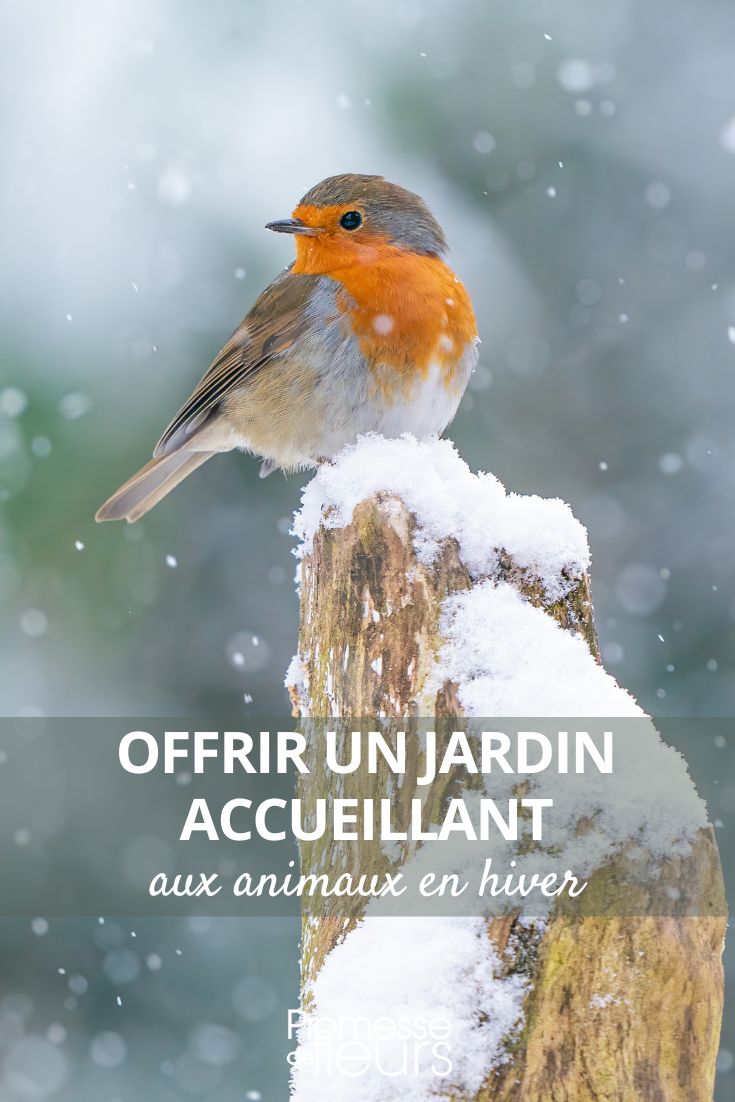
- Birds: robins, sparrows, tits, blackbirds, doves, woodpeckers, magpies, starlings (which can be seen performing their famous murmurations in winter, these fascinating aerial ballets), etc.
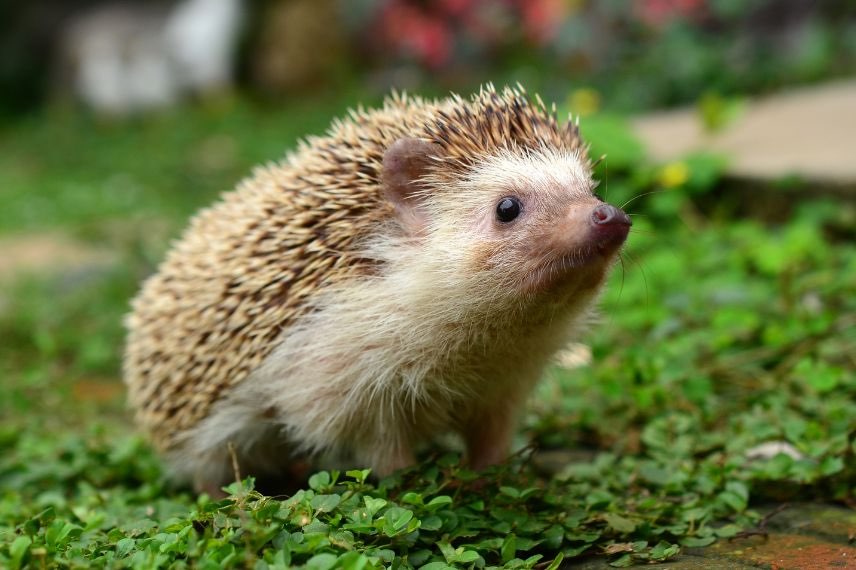
Hedgehogs are among the mammals found in our gardens
How to help garden wildlife?
Some simple gestures can help garden wildlife during the cold season.
Provide supplementary food
Giving supplementary food to animals in winter can help them get through the cold season more easily. However, it is important to remember that if you start feeding them (especially birds), you must continue until the return of warmer days to avoid disrupting their habits and harming their survival. To do this, you can hang feeders (check out our tutorial on making a hanging seed feeder for birds in winter), install fat balls, offer pieces of fruit, provide unsalted peanuts, etc.
Also consider growing winter-fruiting bushes in your garden that will nourish birds and small mammals, such as the strawberry tree, certain roses that produce hips, snowberry, cotoneaster, European spindle, rowan, viburnums, himalayan honeysuckle, common ivy, etc.
Do not neglect water: while we know its importance in summer during hot weather, we sometimes forget that hydration is essential during the cold season and that water sources can be scarce at this time. Place dishes at different heights (suspended, on a table, in the middle of a pile of stones, etc.) to provide water for various species. To limit the risk of freezing, you can place a floating ball in the container, which will reduce ice formation. Change the water regularly to keep it clean.
Provide shelters
To ensure wildlife benefits from maximum protective shelters in winter, avoid “cleaning up” just before the cold season in the garden. Do not mow your lawn like a golf green (leave at least 6 cm in height or practice differentiated mowing), keep stones, a pile of leaves, a few branches, etc. These areas will serve as protective spots, especially for hedgehogs and insects to hibernate.
You can also build some shelters yourself: for example, check out our tutorial on providing a protective place for bats, our tutorial on making a hedgehog house, or our guidelines for building insect shelters.
For birds and other small creatures, some thorny bushes naturally provide perfect winter shelters: barberries, holly, blackthorn, hawthorn, etc. For insects, consider winter-flowering bushes, which will help valuable pollinators. Notable examples include male dogwood, mahonia, forsythia, and winter honeysuckle.
Other gestures to help garden wildlife
To assist all these little creatures during winter, also remember throughout the year to banish chemical products from your garden (insecticides, pesticides, fungicides, etc.). Non-selective, they will impact numerous living beings and will inevitably have consequences on the entire food chain, especially in winter when food sources are already scarce. They also contribute to soil imbalance.
Next, allow certain areas to develop naturally as much as possible (flowering meadows, hedgerows), which will help garden animals in winter.
If you have a pond, ensure that the surface is never completely frozen: install an anti-freeze bell, let a buoy float, or use a weighted plastic bottle.
Finally, avoid undertaking any work: moving wood piles, turning straw, trimming hedges, relocating a wall, deep cleaning the garden shed, removing moss, stirring compost, etc. It is important to remember that waking an animal from hibernation or disturbing the habitats of living beings during this difficult period can harm their survival. Let’s strive to remain discreet to disturb the garden’s inhabitants as little as possible during winter.
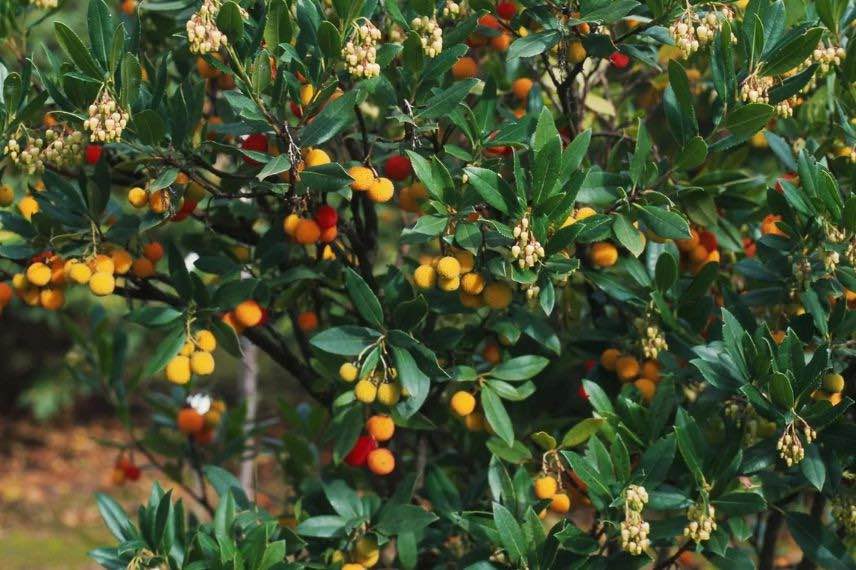
Strawberry trees, which are also very ornamental, provide welcome food for the animals in our gardens.
- Subscribe!
- Contents
Comments