





























How to grow fenugreek?
Sowing, care and harvest in the garden or in pots
Contents
Fenugreek (Trigonella foenum-graecum) is an annual plant in the Fabaceae family, originating from the Middle East and widely cultivated in India and North Africa. This aromatic and medicinal plant is valued as much for its seeds as for its leaves, used in cooking, in phytotherapy and even in organic farming as a green manure. Easy to grow, fenugreek grows quickly, whether in garden soil or in a pot at home.
Whether you want to enrich your soil with nitrogen, enjoy the benefits of this aromatic herb, or simply discover a medicinal plant with many properties, fenugreek is an ideal plant. In this guide, we explain how to plant, care for and harvest this plant native to warm regions, providing guidance tailored to each stage of its growth.

Fenugreek: a plant with many facets
Fenugreek (Trigonella foenum-graecum), also called trigonelle or Greek hay, is an herbaceous plant in the Fabaceae family, which is grown as an annual, just like peas or lentils. Originating from the Middle East and India, it is today widely grown in southern Europe, particularly around the Mediterranean basin, in North Africa and in organic farming for its numerous properties. In India, it is known under the name “methi” and plays an important role in local cuisine.
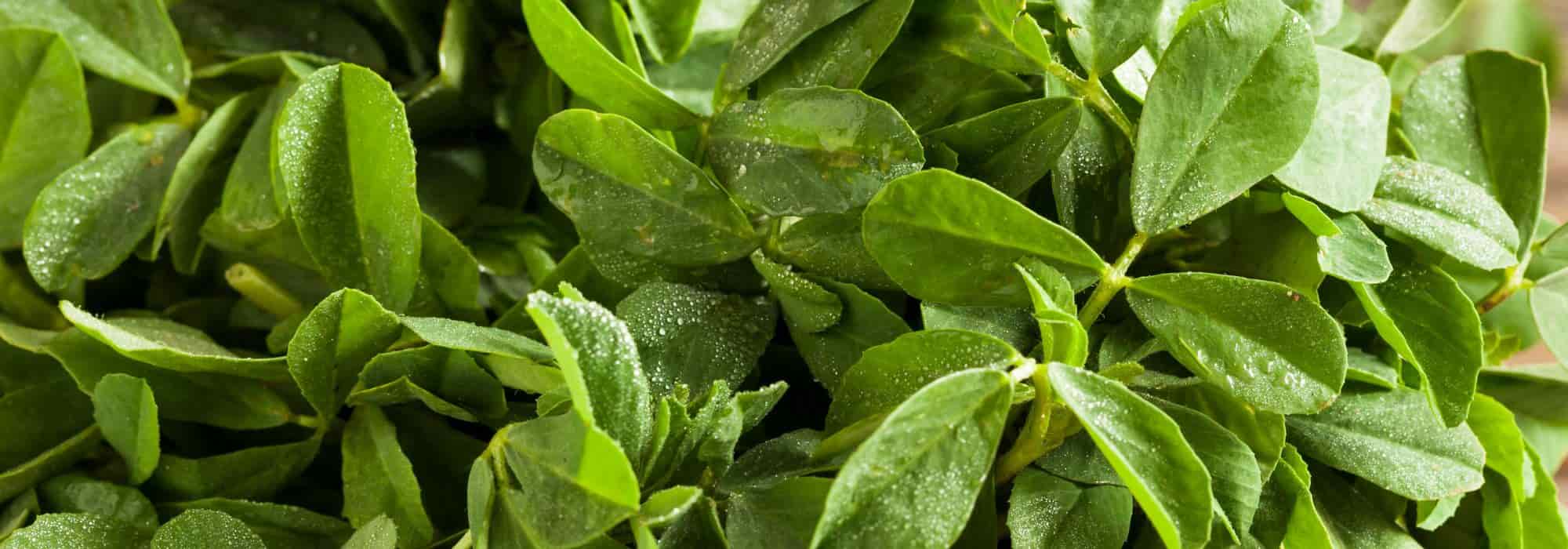
This aromatic plant is recognised by its slender, erect stems, reaching 50 to 60 cm in height, its trifoliate leaves with oval leaflets, resembling clover but longer. This plant produces small pale to dark yellow flowers. After flowering, fenugreek develops elongated pods containing the famous fenugreek seeds.
These seeds are reputed to be rich in iron, vitamins and calcium. They are dried, then often roasted to mellow their bitterness before being ground into powder or used whole in dishes such as curry. Fenugreek leaves are eaten fresh as a leaf vegetable, often paired with other vegetables in stews, or dried to flavour flatbreads and sauces.
Finally, thanks to its roots which fix nitrogen in the soil, fenugreek is also an excellent green manure for the garden.
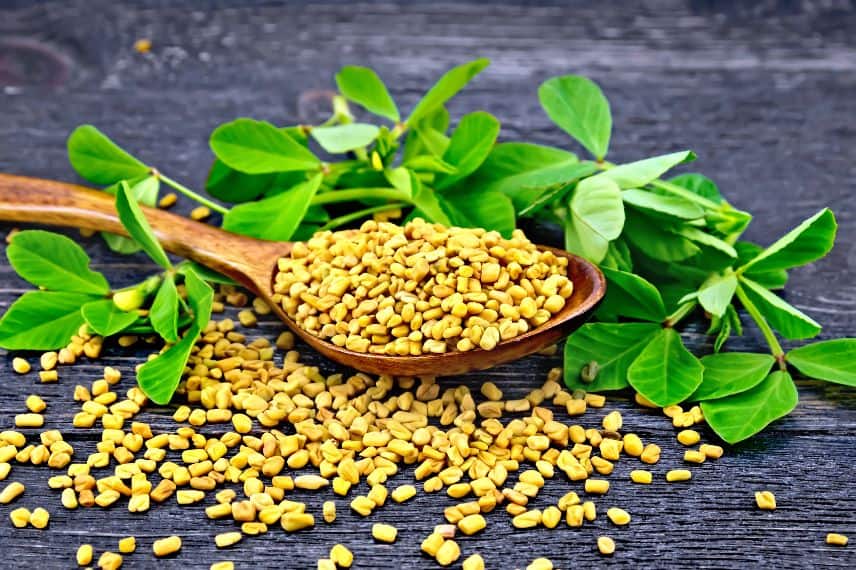
Fenugreek seeds and leaves
Read also
How to sprout your own seeds?Where and when to grow fenugreek?
Fenugreek cultivation is particularly easy, whether in open ground or in pots. This annual plant adapts well to different soil types, but prefers light, well-drained soil. Fenugreek also grows on acidic or slightly calcareous soils, but it is advisable to avoid soils that are too damp, which can favour disease development.
On the exposure front, this legume enjoys full sun, but it can also tolerate partial shade, especially in hot southern regions. It does not tolerate frost well: its hardiness is limited, which makes it an ideal plant for temperate to warm climates. In areas prone to late frosts, it is best to grow it under cover or in a greenhouse.
The sowing period generally takes place in spring or early summer, from April to July for outdoor crops. It is nevertheless possible to sow as early as March indoors. Fenugreek reaches maturity in about 3 to 4 months, which allows rapid harvests, especially if you grow it for its young shoots.
How to sow fenugreek?
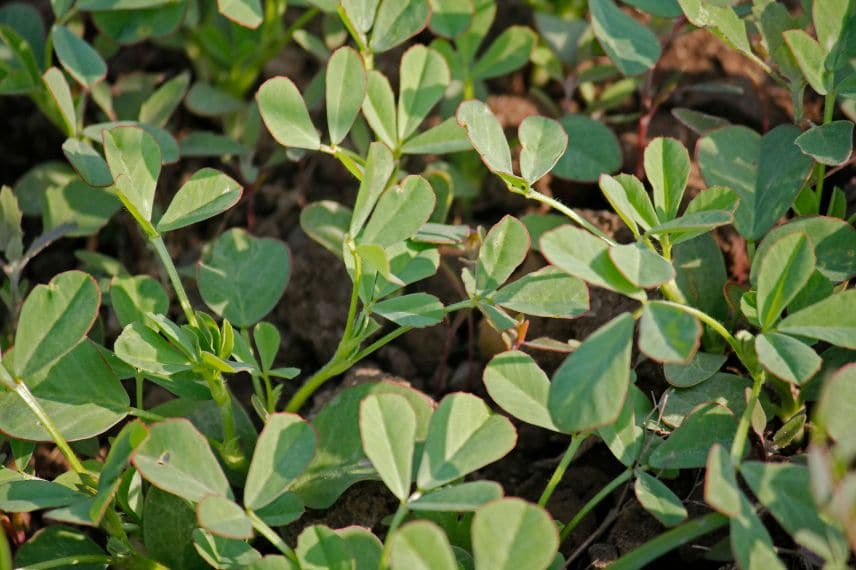
Sowing fenugreek is straightforward. Before sowing, it is recommended to soak the seeds in tepid water for 12 hours. Prefer rainwater or spring water for this step. Avoid tap water that contains chlorine. This preparation promotes rapid and homogeneous germination.
In open ground
1- Start by properly preparing the soil: loosen it and ensure it is well-drained.
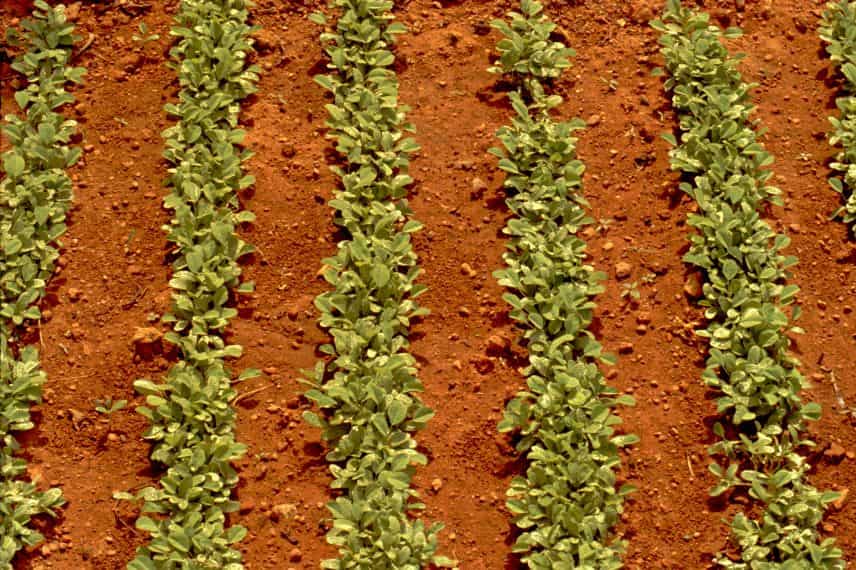
2- Sow the fenugreek seeds broadcast or in rows, burying them 1 to 2 cm deep. If you sow in rows, maintain a spacing of 10 to 15 cm between the ranks to allow good aeration and limit disease risks.
3- Water lightly after sowing to moisten the soil, but without making it waterlogged.
In pots
1- For pot or planter cultivation, choose a deep container at least 15 cm deep with drainage holes.
2- Use a seed compost or a mix of seed compost and sand to make it lighter.
3- Sow the seeds more densely if you plan to harvest young shoots. Then cover them with a one-centimetre layer of seed compost.
4- Water gently and keep the substrate moist, but not soaking.
Germination generally occurs between 2 and 5 days depending on the conditions, yielding rapid growth for fans of aromatic plants and leafy vegetables.
→ Also read our full tutorial: “How to sow fenugreek?“
Fenugreek care
Fenugreek care is minimal, making it an ideal plant for beginner gardeners. Its main requirement is regular, but moderate irrigation. The soil should stay moist (slightly damp), not waterlogged, as excess moisture can lead to fungal diseases such as powdery mildew.
Weeding is recommended at the start of cultivation to prevent competition with other plants. A light hoeing around the plants will promote soil aeration. Fenugreek does not require additional fertilisation, as it naturally enriches the soil with nitrogen fixed by its roots.
No specific pruning is necessary, but you can regularly harvest the leaves to stimulate the growth of new shoots.
Fenugreek is an annual plant sensitive to frost: in cold regions, it is recommended to plant it after spring frosts or to protect it in case of risk of late frost.
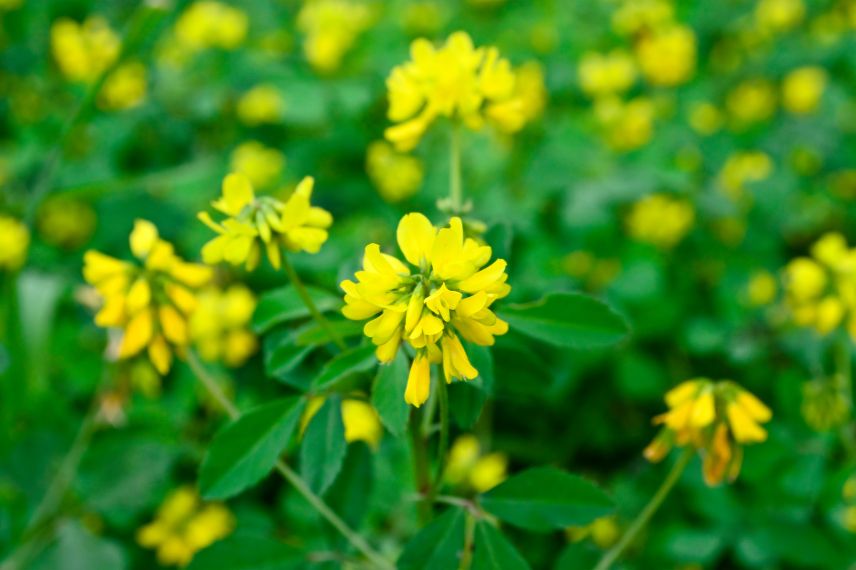
Yellow fenugreek flowers
Harvest and use
Fenugreek harvest depends on how you intend to use it. To use the fresh leaves as a leafy vegetable, you can start harvesting them about 3 to 4 weeks after sowing, when the young plants reach about 15 cm in height. Harvest them as needed to encourage regrowth.
For culinary use, these leaves pair perfectly with vegetables such as potatoes, spinach or carrots, and integrate into stews or stir-fries. They are also used in certain culinary specialties, such as Indian flatbreads (Methi paratha).

Methi paratha: Indian flatbreads with fenugreek leaves
For seed harvest, wait until the plant reaches ripeness, about 3 to 4 months after sowing. The pods brown and dry, a sign that it’s time to harvest them. Dry the stems in a dry, airy place, then thresh the pods to recover the seeds. These can be used whole or toasted to attenuate their bitterness before being added to dishes. They are also ground into powder to lift your dishes. You can also store them for future sowing.
For curry preparation, fenugreek seeds are generally used. The leaves can also flavour curries, but in a more subtle way for a slightly bitter and aromatic note.
As green manure, fenugreek is used to enrich the soil with nitrogen. After harvest or at the end of the crop cycle, leave the plants on site or bury them directly in the soil. This improves soil structure, increases its fertility and prepares the soil for the next crop, notably fruiting vegetables such as tomatoes or peppers. Note that ideally you should wait three years before growing fenugreek again on the same plot.
Did you know?
Fenugreek is also grown for its health benefits. To learn more, read our article: “Cultivating medicinal plants: fenugreek and its health benefits
- Subscribe!
- Contents
Comments