





























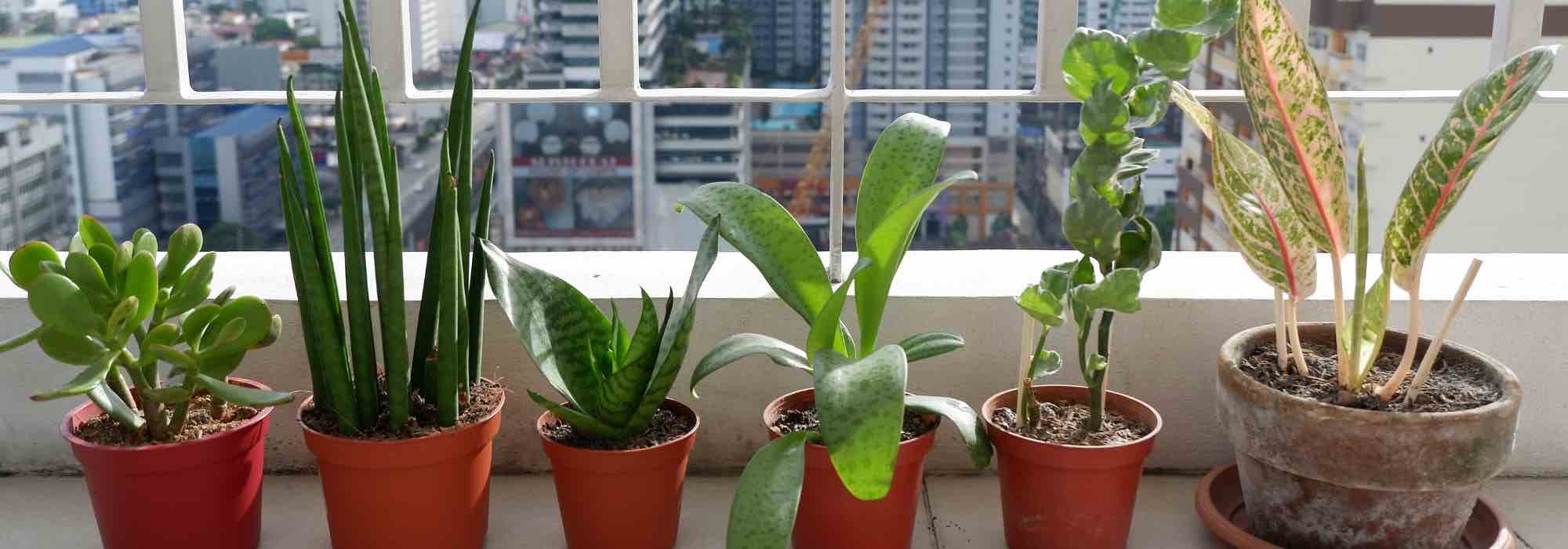
Indoor plants: how to repair summer damage?
Tips for reviving plants that have suffered during the summer period
Contents
Indoor plants bring a touch of greenery and freshness to our living spaces, but they require attention and care throughout the year. Care should not be the same in all seasons. Even though the differences are less pronounced indoors, they still exist and are felt by the plants. Summer can be a challenging time for them. High temperatures, direct sunlight, and changes in humidity in the atmosphere can cause damage to indoor plants, leading to wilted leaves, sunburn, and other signs of stress. Fortunately, there are simple measures you can take to repair this damage and revitalise your plants after summer. In this article, we present practical tips for identifying common signs of summer stress in indoor plants, as well as key steps to remedy them and prepare for the upcoming seasons.

Common signs of summer stress in houseplants
Indoor plants are subject to various problems during the summer months when the heat puts them to the test, but with proper attention and care, you can help them bounce back. First, identify the signs of summer stress, then move on to the essential steps to repair damage and revitalise your plants. Finally, explore strategies to prevent future damage and prepare your plants for autumn and winter.
During summer, indoor plants can exhibit several signs of heat-related stress, lack of water, and exposure to sunlight through windows. Here are some of the most common signs to watch for:
- Wilting leaves: Leaves that begin to wilt are often a sign that the plant is lacking water. In summer, plants’ water needs (even in interiors more sheltered from the elements than outside) increase. This can sometimes be quite pronounced for certain plants or if the temperature rises significantly or for an extended period. Check the moisture level by touching the soil and adjust watering accordingly. It may be necessary to water daily or every 2 to 3 days if the period is particularly hot for plants you usually water once a week under normal conditions.
- Sunburn: If you notice brownish spots or discoloured areas on the leaves, this may indicate overexposure to sunlight. Move the plant to a less sun-exposed location, further away from a window to prevent further burns. Generally, indoor plants do not appreciate direct exposure to sunlight. Only succulents enjoy this type of exposure (but can also suffer from too much heat or scorching rays). Consider removing damaged leaves from the affected plant.
- Yellowing leaves: Yellowing leaves can be caused by a variety of factors, including overwatering, nutrient deficiency, or exposure to excessively high temperatures. By assessing the growing conditions, you should be able to determine the cause and adjust care accordingly.
- Decreased growth: If your plant shows a slowdown in growth or stops producing new shoots, this may be the result of summer heat stress. Once the heat wave has passed, ensure you provide optimal conditions of light, humidity, and nutrients to encourage growth to resume.
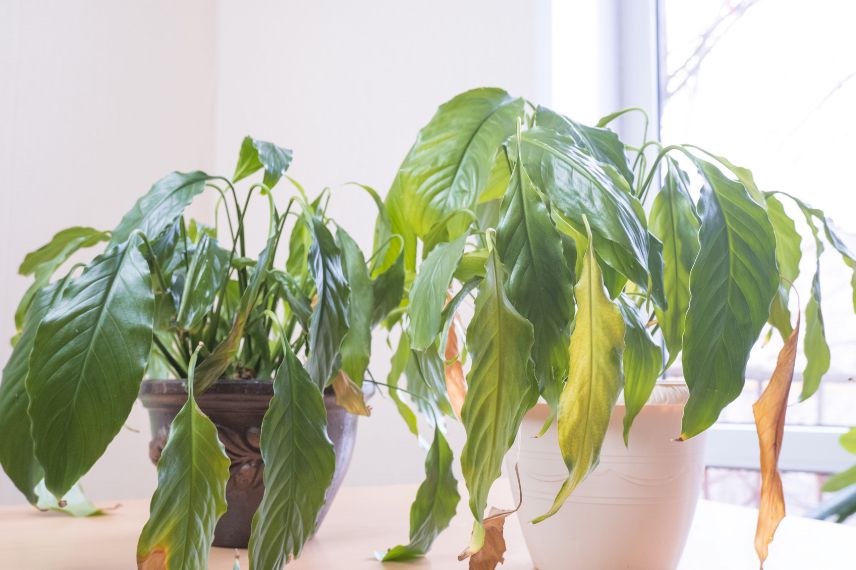
Two Scheffleras in summer stress: lack of watering and sunburn
Particular case of a plant that appears dead and first aid
After a prolonged absence in summer, you may be in for some surprises upon returning from holiday. A plant may seem to have not survived your absence: its leaves are completely wilted, brown, dried out, and drooping. Upon closer inspection, the soil is dehydrated and the roots are greyish.
First, examine the plant carefully to try to observe signs of life before throwing it in the bin. Is there any green on the stem? A new shoot ready to emerge? Check the condition of the roots: if some are still white and plump, that’s a good sign.
If there is still a glimmer of hope:
- Cut away the dead parts, leaves, and stems.
- Repot by completely renewing the soil. If necessary, if you have removed a lot from the plant, take a smaller pot suitable for its new size. The size of the pot is important for the plant’s recovery. If it is too large, it will have more difficulty getting back on track.
- Water.
- Wait for signs of consistent recovery if you wish to fertilise, and in that case, fertilise moderately.
- Place the plant in light, but not in direct sunlight.
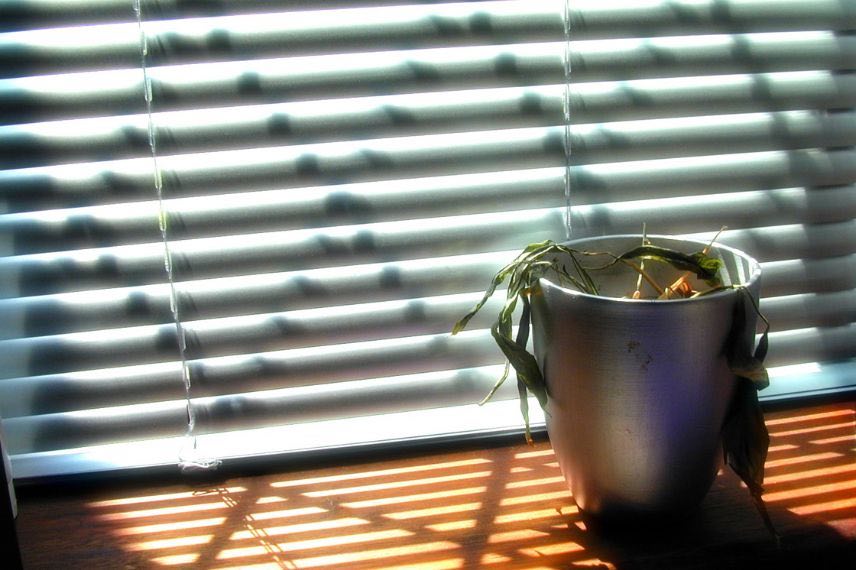
A plant left too long, appearing dead… to be checked
Key steps to repair damage and revitalise plants after summer
Once you have identified the signs of summer stress, here are the essential steps to repair damage and revitalise your indoor plants:
- Watering: if the substrate does not appear dehydrated and does not pull away from the edges, you can simply water your plant thoroughly for a while before returning to your usual quantities and frequencies. Otherwise, you can also submerge the bottom half of the pot in a basin of water for about 30 minutes.
- Repotting: If the plant shows significant signs of stress and the substrate is dehydrated, it may be necessary to repot it into an appropriately sized pot with fresh substrate (see previous chapter).
- Pruning: Remove damaged leaves or stems to encourage healthy growth of new shoots.
- Fertilisation: Apply a balanced fertiliser to help restore essential nutrients in the soil. Follow the specific recommendations for each plant to avoid over-fertilisation. It is better to under-fertilise than to over-fertilise.
- Pest control: Carefully check for the presence of pests such as aphids, thrips, mealybugs, or spider mites. Use natural methods or appropriate insecticidal products to eliminate the pests.
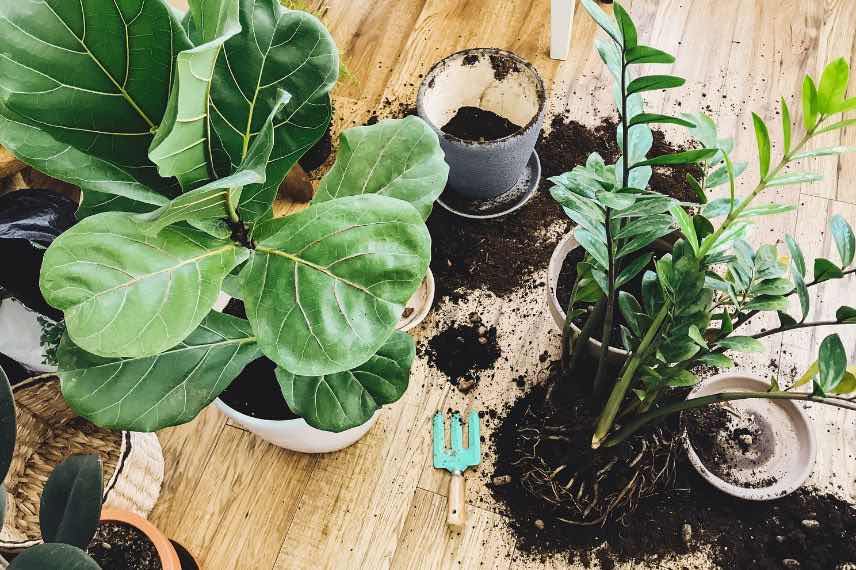
The repotting step may be wise if the substrate is dehydrated
Read also
How to repot a houseplant?Strategies to prevent future damage and prepare plants for autumn and winter
Preventing damage is better than repairing it. Healthy plants that experience significant stress can face cascading difficulties afterwards (parasitic issues, fungal diseases). Here are some strategies to protect your indoor plants from summer stress in the future:
- Watering management: Adjust watering according to the specific needs of each plant, as well as the season, temperature changes, and ambient humidity. Regularly check the moisture of the soil and water when it feels dry to the touch, avoiding overwatering.
- Protection from direct sunlight: Move plants away from windows exposed to intense sunlight or use curtains or blinds to filter direct light.
- Maintaining the right humidity level: Indoor plants can suffer from decreased ambient humidity and drier air during summer. Use methods such as trays of clay pebbles soaked in water under the plants, regular misting (with non-limestone water), or a humidifier to maintain an adequate humidity level. If the plants are small and tropical in origin, known for enjoying humid environments, you can also place them under a bell jar or in a terrarium.
- Preparation for autumn and winter: As autumn approaches, gradually reduce fertiliser applications until they stop completely in winter, and decrease the frequency of watering to prepare your plants for the winter dormancy period.
Indoor plants require tailored care throughout the year. After summer, it is essential to address the damage caused by summer stress and prepare your plants for the upcoming seasons. By following these practical tips, you will be able to identify signs of stress, take necessary measures to repair damage, and implement preventive strategies to protect your indoor plants. With a little attention and care, your plants will return to their optimal health, providing you with beautiful greenery all year round.
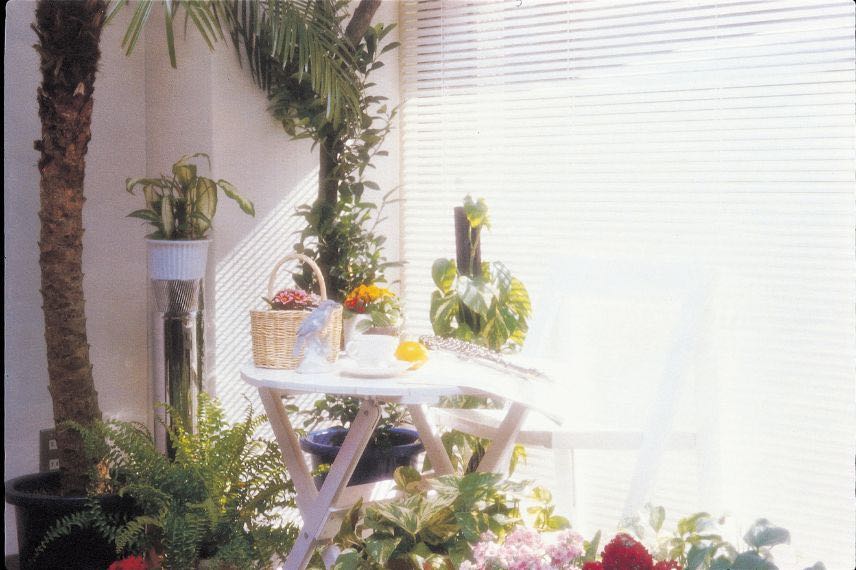
It is clear here that even filtered, the light from a bay window can be too strong for your indoor plants. Move them further away from the window in this case.
- Subscribe!
- Contents
Comments