





























Low-maintenance vegetables for an easy and productive kitchen garden
Choosing easy vegetables for a low-maintenance vegetable garden
Contents
A low-maintenance vegetable garden is a dream for many gardeners, but it’s important to understand that this concept is somewhat utopian. However, it is true that by choosing easy-to-grow vegetables, it is possible to considerably reduce the work required to maintain your garden. Vegetables that require little care, such as cherry tomatoes, cut-and-come-again lettuces, or beans, allow you to enjoy the joys of the vegetable garden without dedicating too much time. We can also rely on perennial vegetables or some that self-seed naturally.
→ Discover in this article how to optimise your vegetable garden with a selection of vegetables that will simplify the task for you, bearing in mind that a minimum of maintenance remains essential for a successful and sustainable production.

A low-maintenance vegetable garden? Really?
A low-maintenance vegetable garden still requires some essential care to ensure healthy and abundant production.
Watering is crucial, even for drought-tolerant varieties. An automatic irrigation system, oyas and/or good mulching will reduce the frequency of watering while keeping the soil moist.
Weeding is also necessary (but don’t be too fussy either!). Weeds can invade the vegetable garden and compete with vegetables for water, nutrients and light. Effective mulching and regular manual weeding help maintain a clean and healthy vegetable garden.
Monitoring of diseases and pests is essential. Even the hardiest vegetables can be attacked by slugs, insects or diseases. Constant vigilance allows rapid intervention when needed. Companion plants and natural treatments also strengthen the resilience of crops.
Good initial planning is essential. Choose varieties suited to the local climate and plan the growing space well to make maintenance easier. Crop rotation and the use of home-made compost improve soil fertility and reduce the need for chemical fertilisers.
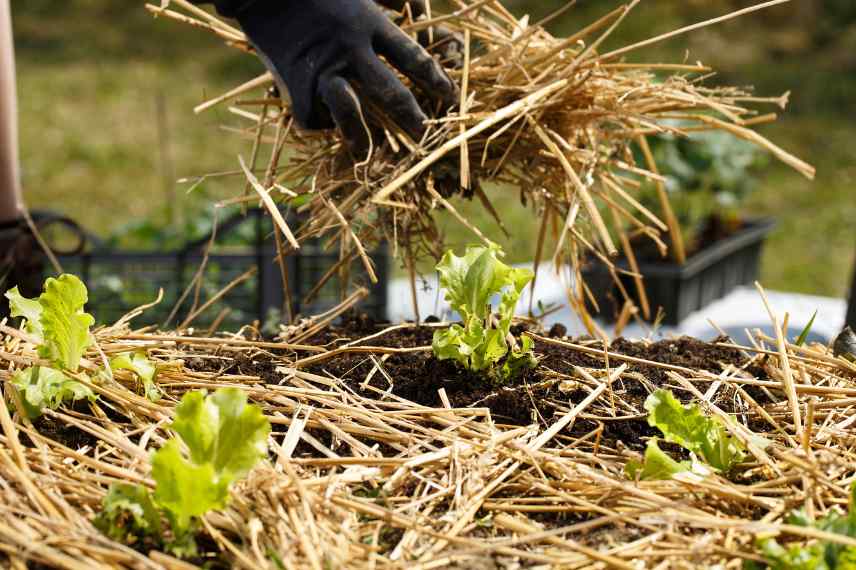
Mulching also limits weed growth in the vegetable garden
Easy vegetables
These vegetables are ideal for beginner gardeners or for those who want a fuss-free vegetable garden. They require little maintenance, adapt to a range of soil types, and deliver plentiful harvests.
- Radish: ideal for impatient gardeners, radishes grow very quickly (often ready in 3–4 weeks). They will grow in any soil type, provided it isn’t too dry, with minimal care. Perfect for a first gardening success.
- Cut-and-come-again salads: they are low-maintenance and can be sown almost year-round. They adapt to a range of conditions and require little watering if well mulched. Moreover, their growth is rapid, with frequent harvests.
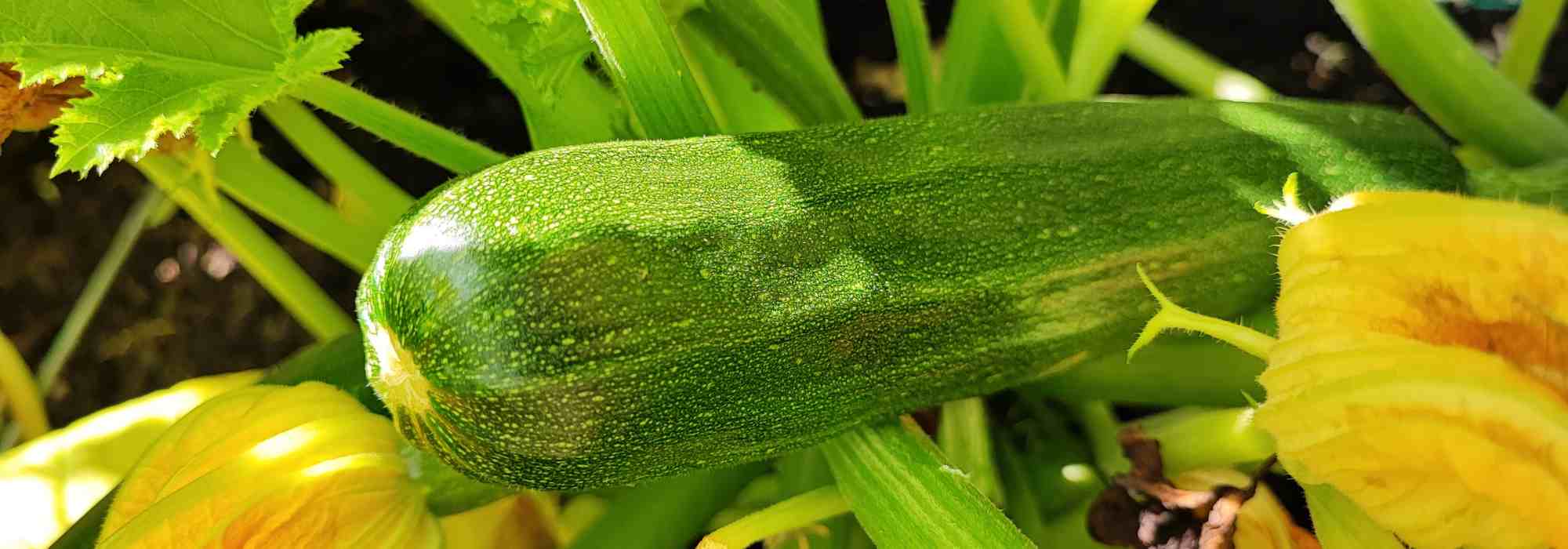
- Courgettes: these productivity champions yield plenty of fruit in summer. Very hardy, they grow with minimal care, provided they have sun and a little water.
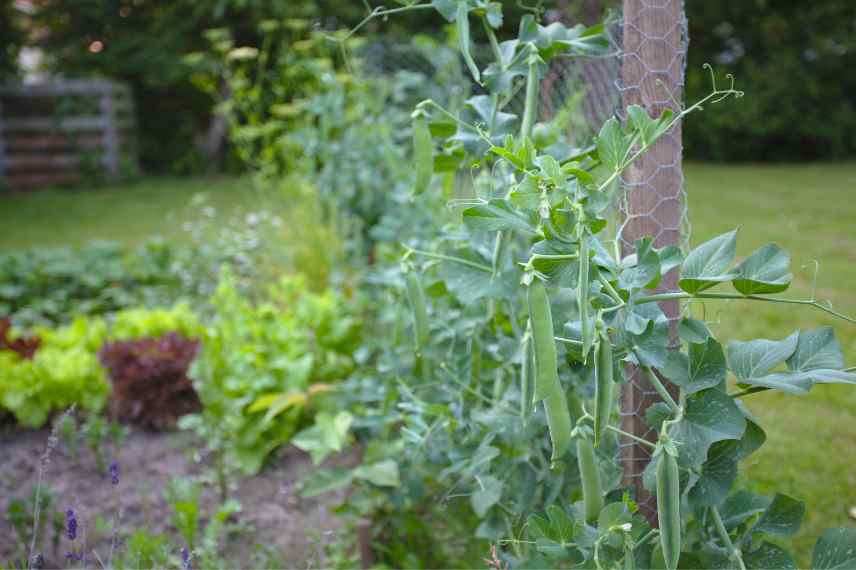
- Green beans: easy to sow directly into the ground, dwarf or climbing varieties require no fertilisation and are not particularly prone to disease. They yield generously with little effort.
- Spinach: they adapt well to a range of climates and are not demanding in terms of care. Cold-tolerant, they grow quickly and provide tasty leaves for salads or cooked dishes.
- Beetroot: with minimal maintenance, beetroot will grow in a variety of soils, even poor ones.
- Potatoes: simply plant a tuber in the soil and let nature take its course. Easy to grow, potatoes will manage themselves if there’s a thick mulch on your soil (saving you the chore of hilling) and offer a nice harvest to dig up at the end of the season.
- Leeks: once established, they require little attention and provide extended harvests, perfect for winter.
- Cherry tomatoes: they grow easily in pots, in containers or in the ground, even in less-than-ideal conditions. With good sunshine and moderate watering, they yield an abundant harvest throughout the summer. No need for staking for some compact varieties, and they are often more resistant to diseases than larger tomatoes.
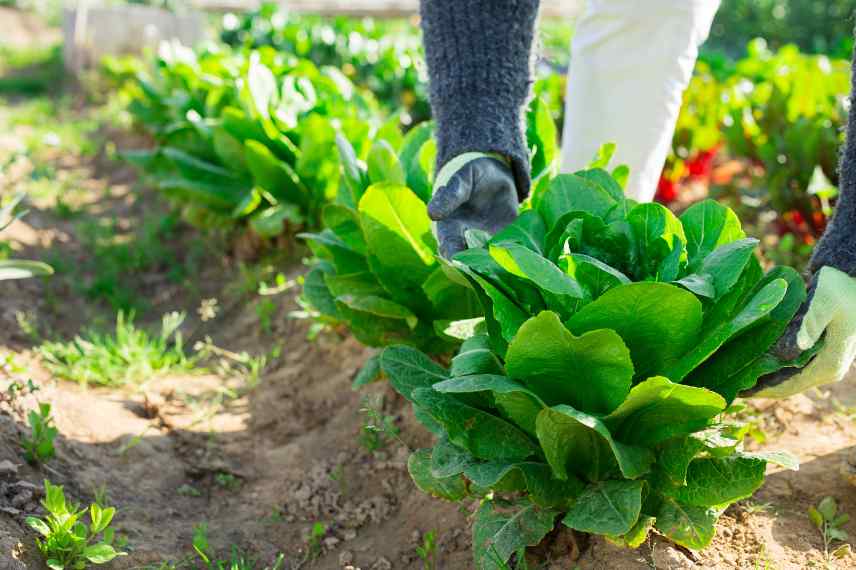
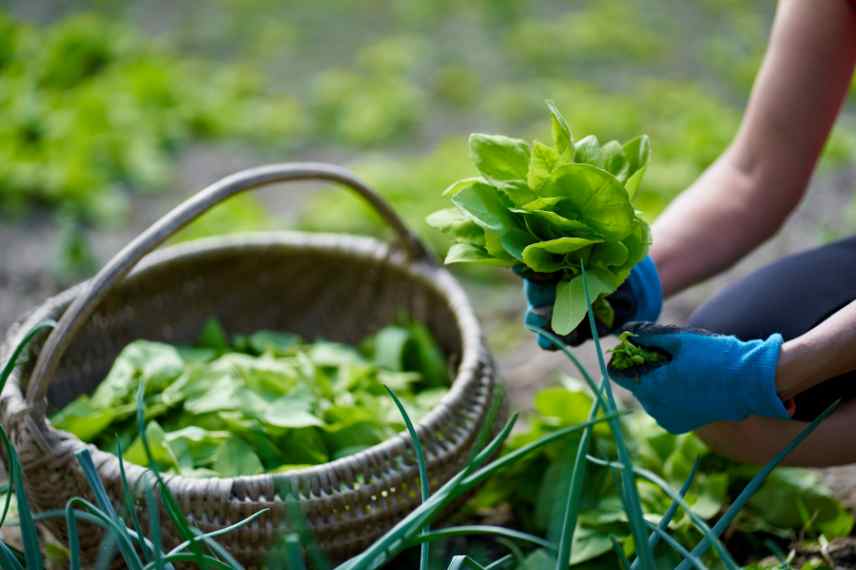
Among easy vegetables to grow, spinach
Vegetables that self-seed
Some vegetables are true champions of self-sufficiency: they multiply naturally by self-seeding, with no special effort on your part. These plants drop their seeds to the soil at the end of their cycle, ensuring a new generation the following year. It is a considerable time-saver for gardeners, while promoting a living, thriving vegetable garden.
Tips for encouraging self-seeding
- Let them go to seed: leave a few plants to finish their life cycle to produce seeds that will reseed themselves naturally.
- Don’t dig too deeply: seeds that fall to the soil need to stay close to the surface to germinate. A soil that is too worked risks burying them.
- Be mindful of weeds: these self-seeding vegetables can be outcompeted by other unwanted plants. Gentle weed management is necessary to let them flourish.
- Embrace a wild style: these vegetables fit perfectly in a natural garden, where the cycles of nature are respected.
Some vegetables that reseed easily
- Rocket: easy to grow; it bolts quickly into flowers if not harvested. Its seeds fall to the ground naturally and germinate across the seasons, even in poor soils.
- Garden cress or land cress: it loves moisture and self-seeds very easily in damp soil.
- Lamb’s lettuce: once established, it reseeds itself, often in autumn or late winter.
- Tree spinach: it reseeds easily (and sometimes very abundantly) and produces tender leaves ideal for salads or cooking.
- Garden orache: this plant produces many seeds that germinate spontaneously.
- Strawberry spinach: this ornamental spinach reseeds generously. In addition to its edible leaves, it produces small red decorative and edible fruits.
- Cuban claytonia: also called winter purslane, it reseeds abundantly in cool, shaded soils, providing tender leaves in winter and in spring.
Arroche self-seeds readily in the vegetable garden
Read also
6 drought-resistant vegetablesPerennial vegetables
Growing perennial vegetables is an excellent solution for a sustainable, economical and low-maintenance vegetable garden. Once planted, these vegetables come back year after year, sometimes even with increasing yields. You will still need to:
- Choose the right spot: select sites that suit their needs (sunny, partial shade, etc.) and avoid moving them once established.
- Mulch regularly: this protects the plants’ roots in winter and reduces watering needs.
- Divide or harvest with moderation: some perennial vegetables, such as chives or Daubenton’s perpetual cabbage, benefit from division or light harvesting to stimulate their growth.
- Apply a little compost each year.
Here is a selection of the best perennial vegetables to grow in the vegetable garden:
- Perennial leeks : a hardy variety that keeps coming back
- Good King Henry : a good spinach alternative, perennial and robust
- Artichokes : once established, they will produce for several years.
- Jerusalem artichokes : ultra-hardy, they will regrow even if left in the soil.
- Asparagus : indeed slow to establish (at least 2–3 years to yield the first spears), but productive for decades.
- Sorrel : perfect for regular harvests, even over several years.
- Rocambole garlic : this garlic produces both above-ground and underground bulbs every year.
- Daubenton’s perpetual cabbage : a perpetual cabbage that multiplies easily and lasts for several years.
- Lovage : a fragrant perennial that comes back strongly each spring.
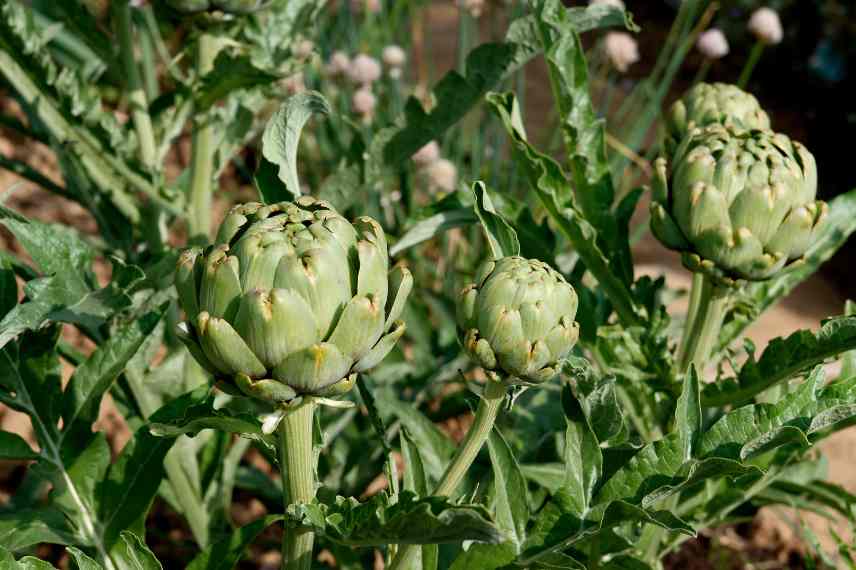
Protecting them over winter helps artichokes return more generously each year
Practices and vegetables to forget
To reduce the upkeep of your vegetable garden, focus on the vegetables you really enjoy eating. Assess how much your family will need. Also stay calm in the face of setbacks such as slug-eaten lettuces.
To keep things peaceful, avoid:
- Sowing and delicate crops: cauliflower requires regular growth with no water stress. Celery requires sowing in warmth, transplanting and obligatory blanching.
- Sowing followed by transplanting: seedlings raised in a nursery or in pots require time for preparation and transplanting at the right moment. Prefer buying a few tomato, cabbage or leek plants. Wait until May to sow squash directly in the ground.
- Frost-tender plants in spring: they must be covered at night and uncovered during the day, which requires constant vigilance.
- Subscribe!
- Contents
Comments