





























Natural fungicides to use as manure and in decoctions
Selection of fungicidal plants for manures and decoctions
Contents
Are you dealing with cryptogamic diseases and looking to opt for organic and natural solutions? Manures and decoctions are alternatives to chemical products that prove effective and natural. There are several types of preparations. Manure is the preparation that lasts the longest. It consists of macerating and fermenting plants, possessing certain beneficial properties, in cold water. Infusions and decoctions keep for a short time and are made from water that is heated. Discover our selection of fungicidal plants and the various recipes you can make to treat your plants affected by cryptogamic diseases or fungi.

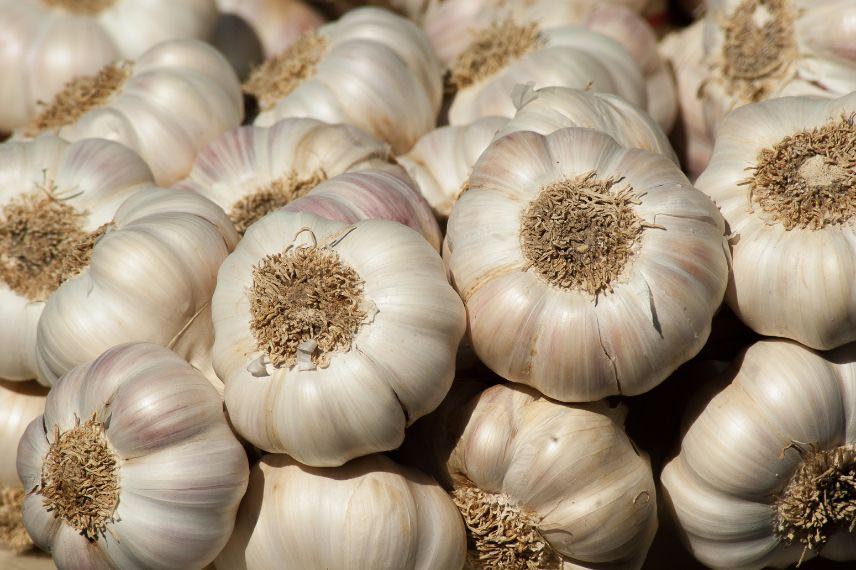
Garlic against late blight, rust and powdery mildew.
Garlic is a very useful plant for fighting fungal diseases such as peach leaf curl, downy mildew, rust, powdery mildew, Botrytis, Monilia, and sooty mould. It is used as a decoction.
Garlic decoction: Take about ten garlic pods and chop roughly. Put them into 5 litres of water and heat for 20 minutes. Allow to cool, then strain. Spray the undiluted garlic decoction directly onto the foliage.
For further reading, see our tip sheet ‘Garlic manure or garlic decoction’.
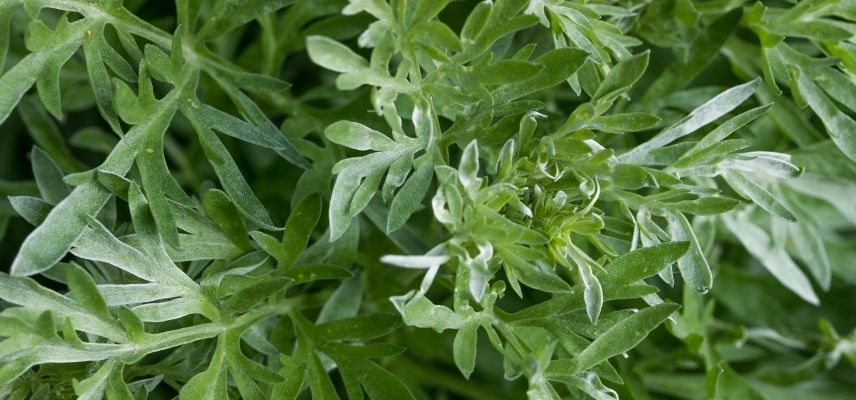
Wormwood against rust and leek moths
Wormwood, or Artemisia absinthium is a plant used in manure against insects, but also fungal diseases such as rust and leek moth.
Purin d’absinthe : Take 1 kg of fresh wormwood, roughly chop it and steep it in 10 litres of water. Stir once a day. After two weeks, strain the solution. Spray the manure against rust and fungal diseases.
For further reading, consult our advice sheet Wormwood manure.
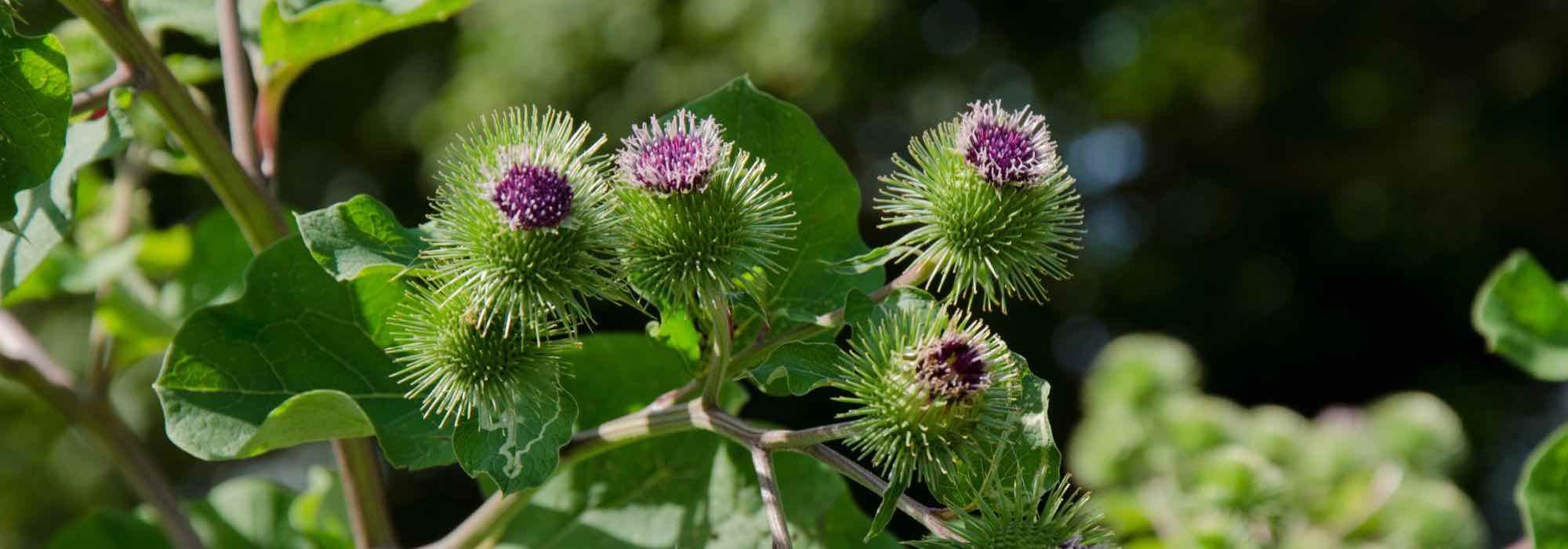
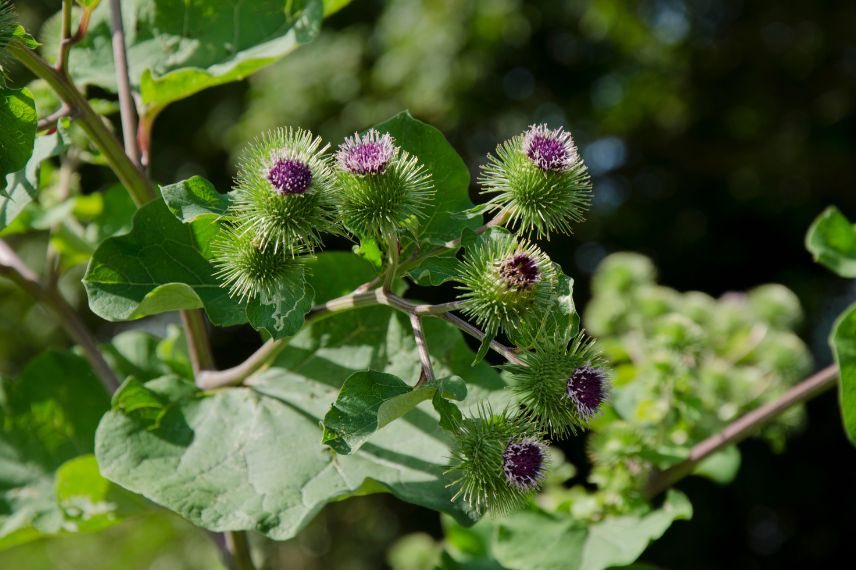
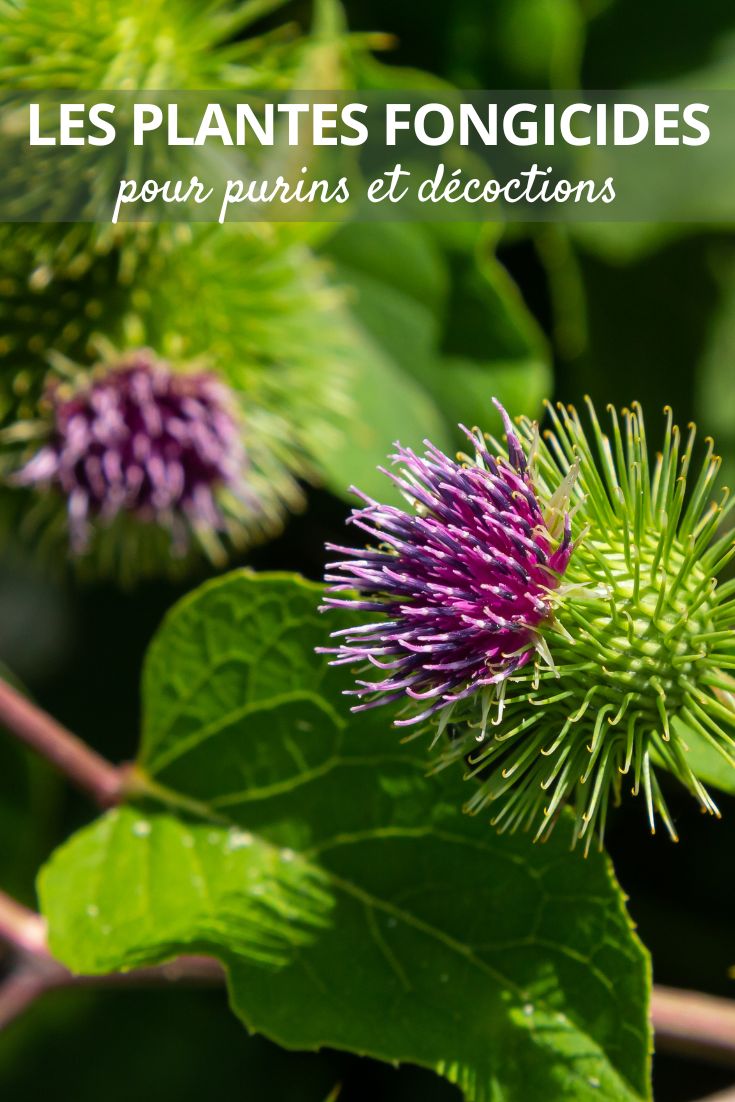
Burdock against late blight
Burdock possesses stimulant properties and fungicidal properties, which help to combat cryptogamic diseases.
Burdock manure: Harvest 1 kg of fresh burdock and macerate it in 10 litres of water. Stir the mixture daily. When fermentation is complete, usually after about 2 weeks, strain the liquid. Take 300 ml of this solution and dilute it in 5 litres of water. Spray onto the leaves of plants susceptible to late blight.
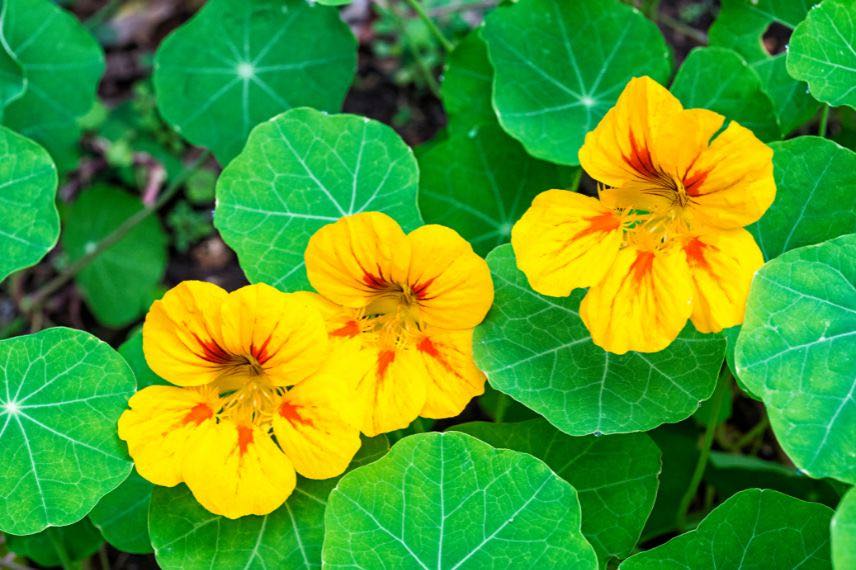
Nasturtium against powdery mildew and cankers
Nasturtium, known for protecting other plants from aphids, also contains sulfur compounds with fungicidal properties. It is used as an infusion to treat powdery mildew and cankers on fruit trees.
Nasturtium infusion: Infuse 200 g of fresh nasturtium leaves in hot water, but not boiling. Let it cool and strain. Spray the infusion neat onto the parts to be treated.
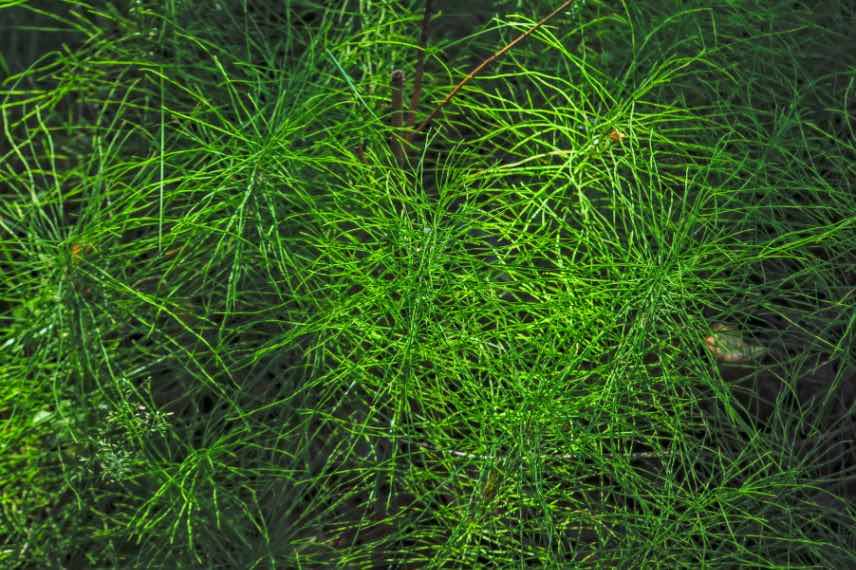
Horsetail against fungal diseases
Field horsetail, or Equisetum arvense, is a plant with numerous benefits, both growth-stimulating and fungicidal. Horsetail manure can be used to treat powdery mildew, downy mildew, scab, peach leaf curl and raspberry bacteriosis. Another option: using horsetail decoction, quicker to prepare and suited for light outbreaks of cryptogamic diseases, such as powdery mildew, scab, moniliosis, rust, Botrytis, damping-off, peach leaf curl. The decoction is effective on fruit trees and vegetables.
Horsetail manure: Collect 1 kg of fresh horsetail, chop the plants and macerate in 10 litres of water. When fermentation is complete, filter and dilute to 10% before spraying onto the plants to be treated.
Horsetail decoction: Harvest 100 g of fresh horsetail and chop the plants. Boil in 1 litre of water for 30 minutes. Cool and filter. Dilute the solution to 10% by mixing 1 litre of decoction with 9 litres of water. Spray onto plants only lightly affected by a cryptogamic disease. The horsetail decoction can be stored for up to 2 weeks.
For further reading, see our advice sheet “Horsetail manure and decoction“.
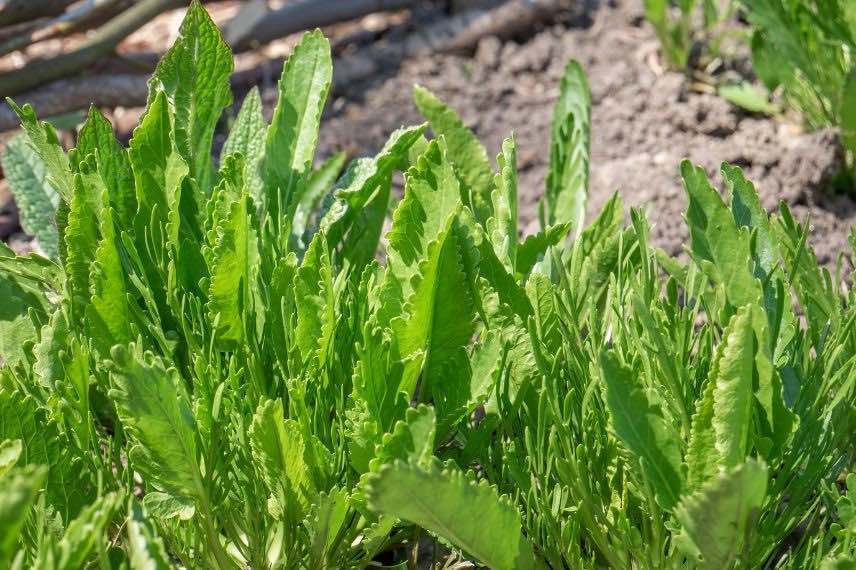
Horseradish against moniliosis
horseradish or Armoracia rusticana is a cultivated root used as a condiment. Very pungent, it is also known as ‘the German mustard’. It also contains a sulphur-containing compound that gives it antifungal properties. It can be used in gardening against fungal diseases. Transformed into an infusion, it helps fight Monilia fruit-tree disease.
Horseradish infusion : Harvest 150 g of fresh horseradish leaves and roots and prepare an infusion with 5 litres of water. Chop the horseradish, put it into the water and bring to the boil for a few minutes. Allow to cool, then filter. Spray the pure solution onto the parts affected by Monilia.
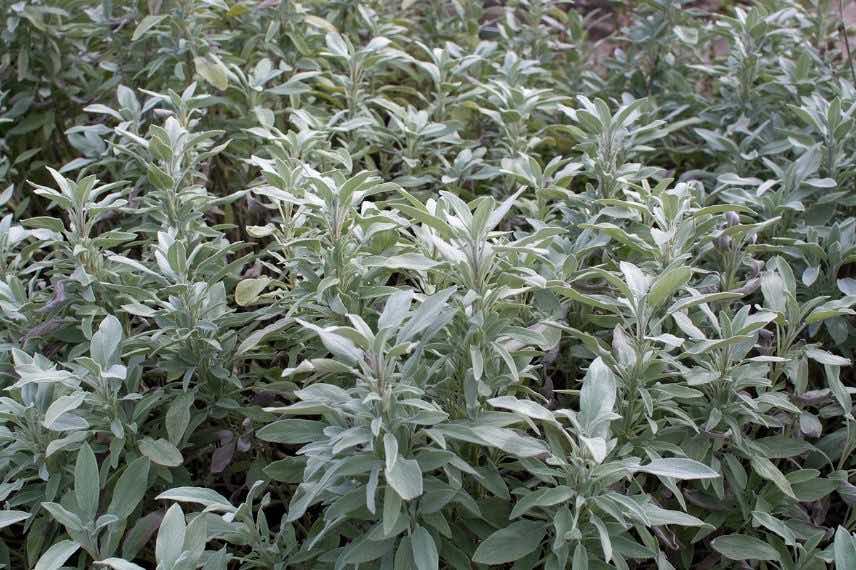
Common sage against downy mildew
A well-known aromatic plant, the sage or Salvia officinalis has fungicidal properties of interest for organic gardening.
Sage manure : Take 1 kg of fresh sage leaves and flowers and macerate them in 10 litres of water. Filter and dilute 2 litres of the manure in 8 litres of water. Spray the solution onto potatoes or tomatoes affected by blight.
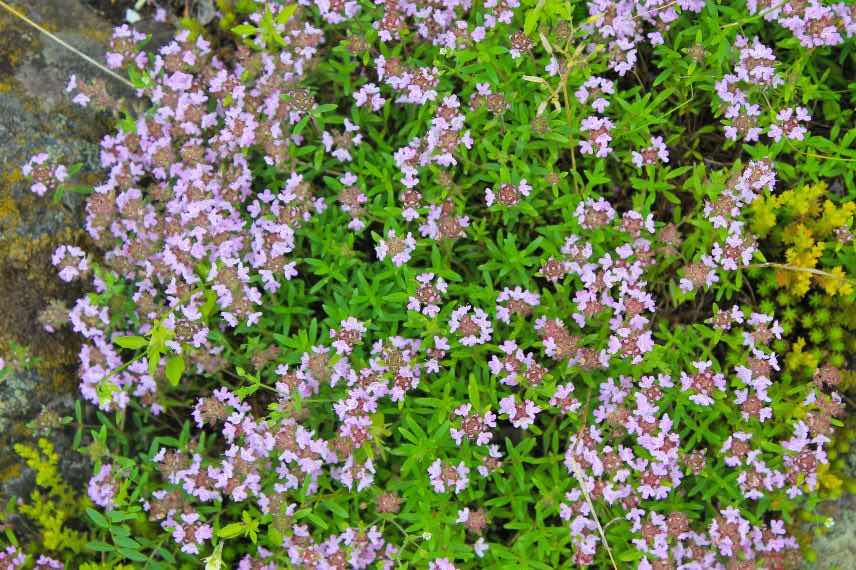
Wild thyme against fungal diseases
The wild thyme or Thymus serpyllum is an aromatic plant that grows in the garrigue. It has properties that strengthen plants and treat fungal diseases effectively. It is used in infusion.
Wild thyme infusion: Harvest 150 fresh flowers of wild thyme and infuse them in 1 litre of water. When cooled, strain it and dilute at a rate of 60 ml of infusion per litre of water. Spray plants affected by late blight, powdery mildew, rust, scab and monilial disease.
Tansy against rust and mildew
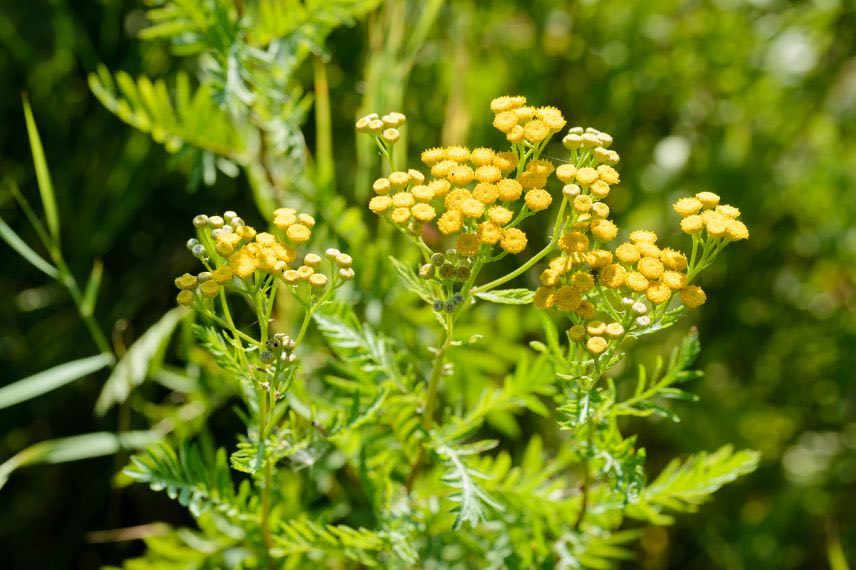
The tansy, or Tanacetum vulgare, is a plant that has powerful insecticidal properties, but also fungicidal properties. It can be used as a decoction against fungal diseases.
Tansy decoction: Take 25 g of dried tansy flowers and boil in 1 litre of water for 20 minutes. After cooling, filter the liquid. Spray onto the plants to be treated, with caution, as the liquid also has powerful insecticidal properties.
Other plants have fungicidal properties and can be used to combat fungal diseases biologically. Among these, yarrow can be used in maceration against powdery mildew, scab and rust. Savory can be used in infusion to treat peach leaf curl, powdery mildew, downy mildew and rust. Elder can be used as a decoction against rust and scab.
To learn more about manure and decoctions
Read also our articles:
- Subscribe!
- Contents
Comments