





























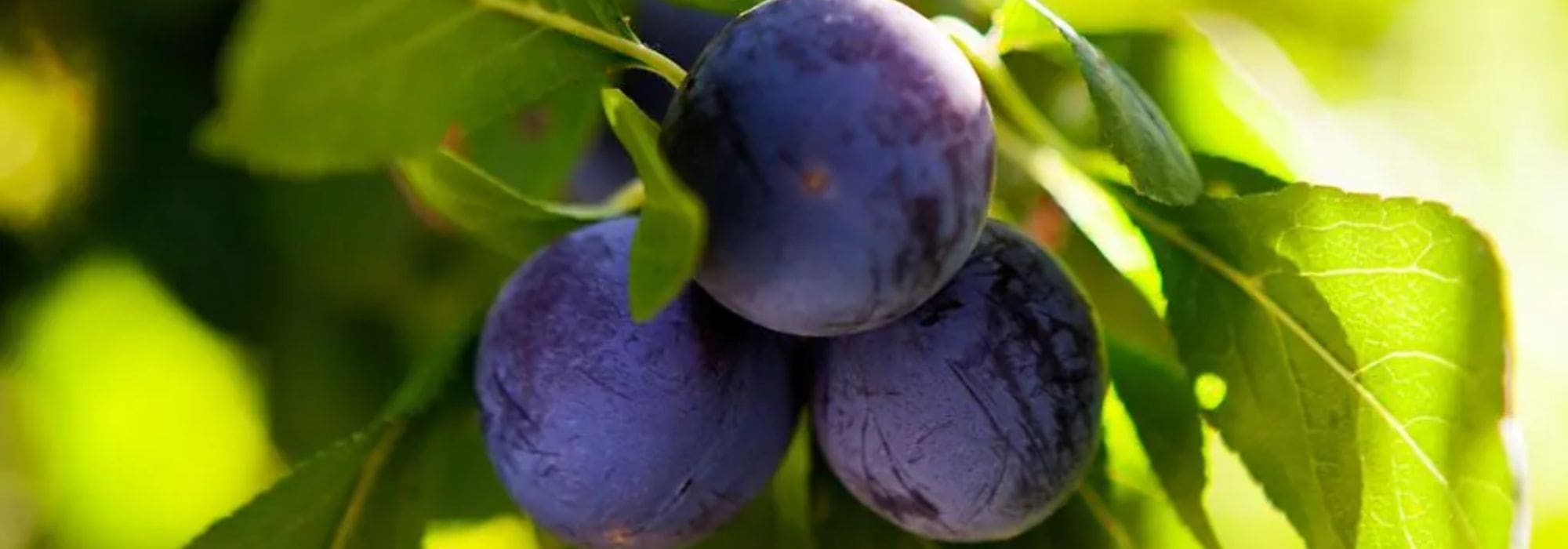
Heritage and local varieties of plum trees: a sustainable and flavoursome choice
For a sustainable orchard
Contents
Would you like to plant a plum tree in your garden to rediscover the pleasure of delicious plums? Why not choose an old, local plum variety? They have long been part of our countryside and deserve to be rediscovered. Adapted to the particularities of each region, they offer generous harvests, fragrant fruits and help conserve biodiversity.
Discover our selection of ancient plum tree varieties and why it is worth choosing them for a sustainable, tasty and hardy orchard.

What are the local heritage plum varieties?
Heritage and regional plum trees are numerous, and some deserve to be revived in our gardens. They produce authentic plums, often tastier and more original than standardised varieties, while being well suited to the specificities of each terroir.
Here are some emblematic examples of heritage and local varieties to (re)discover:
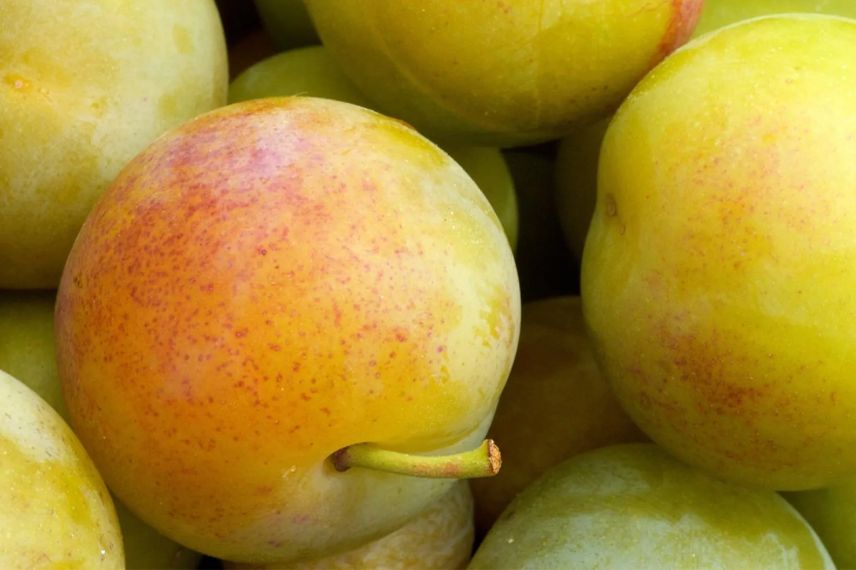
The Chambourcy Queen Claude plum tree
The Chambourcy Queen Claude plum tree is a late-ripening, hardy and originating from Île-de-France, well suited to the regions of the Paris Basin. It tolerates cooler climates and slightly calcareous soils. This self-fertile plum tree produces medium-sized fruits, with yellow-green skin tinged with carmine red and juicy, sweet flesh, excellent for baking and homemade jams.
The Prune d’Ente plum tree – Agen prune
This traditional variety from the South-West is mainly grown in Lot-et-Garonne, Tarn-et-Garonne and Gers. It is the famous (and only) prune used to obtain Agen prunes, renowned for its quality. It is perfectly suited to the temperate and sunny climates of the South-West, but can also be grown in other regions with mild winters and hot summers. Its sweet, flavourful fruits can be eaten fresh or dried. It is also a self-fertile variety and disease resistant.
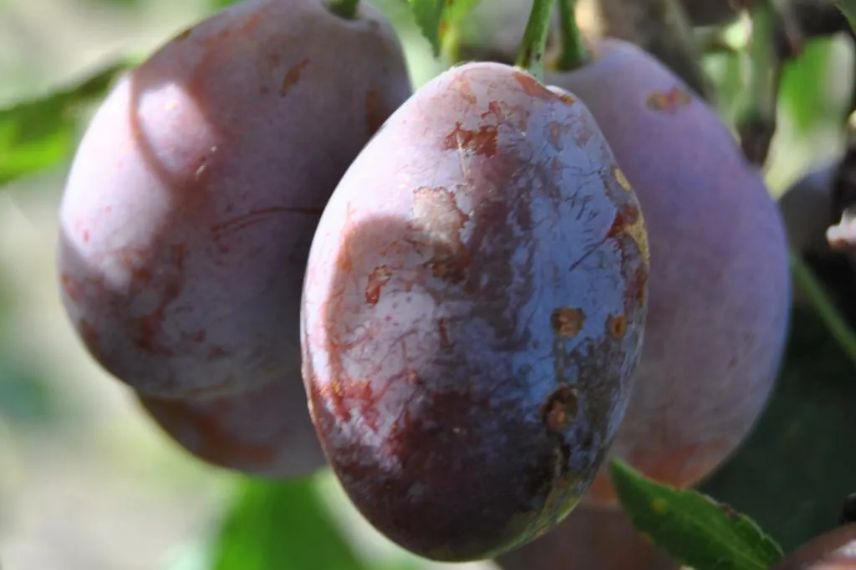
The Sainte-Catherine plum tree
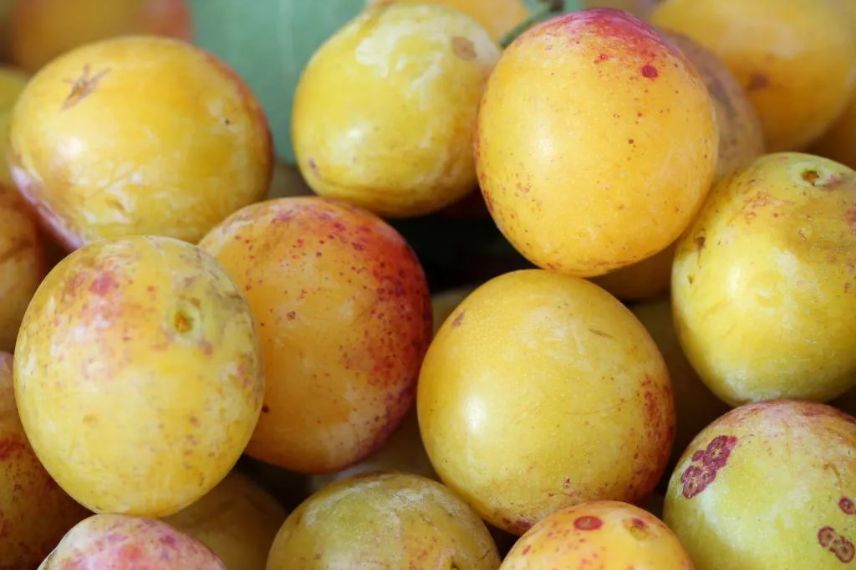
A heritage variety believed to originate from the south of the town of Tours. Highly valued for its hardiness, this plum tree is widespread from northern France to the Paris Basin regions. This self-fertile, late-flowering variety is particularly recommended in temperate climate zones, with cold winters and moderate summers. It produces slightly elongated, golden-yellow plums, with soft and sweet flesh, perfect for making jams or preserves.
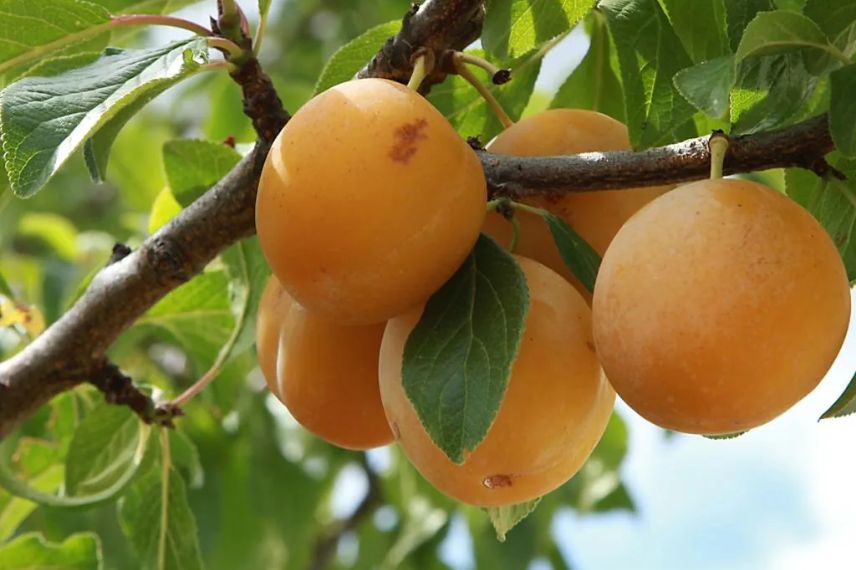
The Mirabelle de Nancy plum tree
An self-fertile and emblematic variety of Lorraine, cultivated mainly in Meurthe-et-Moselle and in the eastern regions. This hardy plum tree copes well with severe winters and the clay-limestone soils characteristic of this region. Its small golden plums, with thin skin and sweet flesh, are renowned for their delicate aroma and rich flavour, ideal for tarts, jams or enjoyed fresh.
The Perdrigon violet plum tree
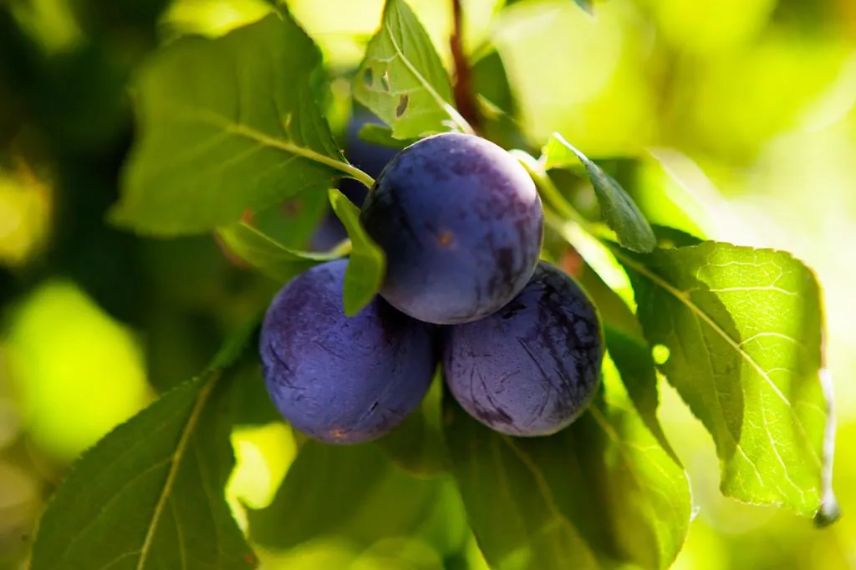
An ancient variety from the Mediterranean rim, typical of the Var department, where it has been grown for several centuries. This plum tree thrives in sunny regions, with dry summers and mild winters, such as in Provence, Languedoc or the coastal South-West. Its violet plums with firm, fragrant flesh are perfect for jam, dried fruit or enjoyed fresh. Self-fertile, it nevertheless fears the cold of other regions.
→ Find more Heritage and local fruit tree varieties.
Heritage plum-tree varieties to preserve
Admittedly, we choose to plant ancient and local plum trees for their character and their fruit, but it is also a choice that actively contributes to the conservation of biodiversity. Here are the various benefits of cultivating an ancient plum variety:
Better adaptation to the climate
Heritage varieties have evolved over time, gradually adapting to the conditions of their region of origin. They tolerate temperature fluctuations, specific soils, and drought periods in their native region better. Choosing a local plum tree thus helps limit risks linked to climatic hazards and to enjoy a tree that is better adapted, hardier, more reliable and generally more robust.
Authentic and varied flavours
Ancient plum trees often produce fruit with more pronounced aromas, sometimes forgotten. These varieties offer a wide diversity of flavours, with sweet, tart or perfumed prunes, perfect for eating fresh, in jam or in pastries. They also help rediscover the flavours of yesteryear orchards, far from the standardised fruits that line our supermarket shelves.
Contribution to biodiversity
By incorporating local and ancient varieties into the garden, we strengthen the genetic diversity of orchards. These trees also support the presence of local pollinators and wildlife, contributing to a more balanced and vibrant ecosystem.
Saving a living heritage
Each ancient variety tells the story of a region and its landscape, and the know-how handed down through generations. Planting these plum trees is contributing to the conservation of this fruit heritage, often threatened by the homogenisation of crops and the loss of old orchards.
- Subscribe!
- Contents
Comments