





























Our effective tips to protect your vegetable garden from rodents
Protect your crops from pests in a natural and sustainable way
Contents

The main rodents present in the vegetable garden
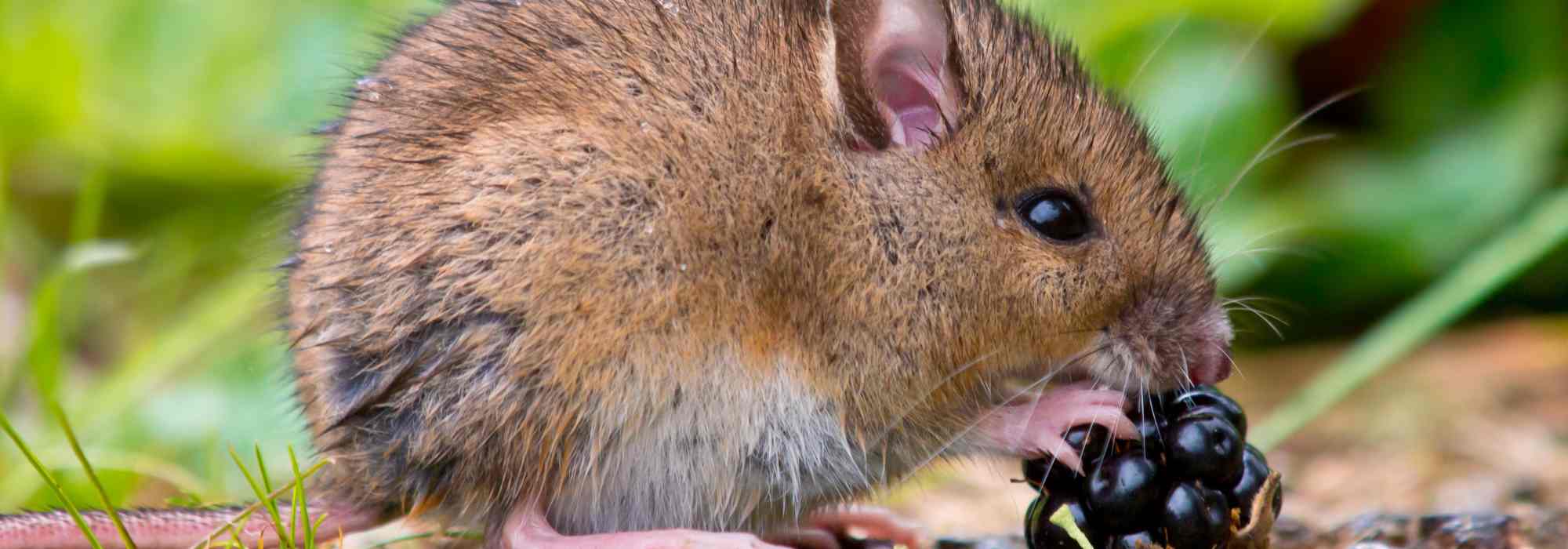
Rodents are mammals characterised by their continuously growing incisors, which compel them to gnaw frequently to wear down their teeth. They are often regarded as garden pests due to their tendency to gnaw crops and damage structures. Identify the species present in the vegetable garden is essential to choosing the most suitable management strategy.
Characteristics and habits of common rodents
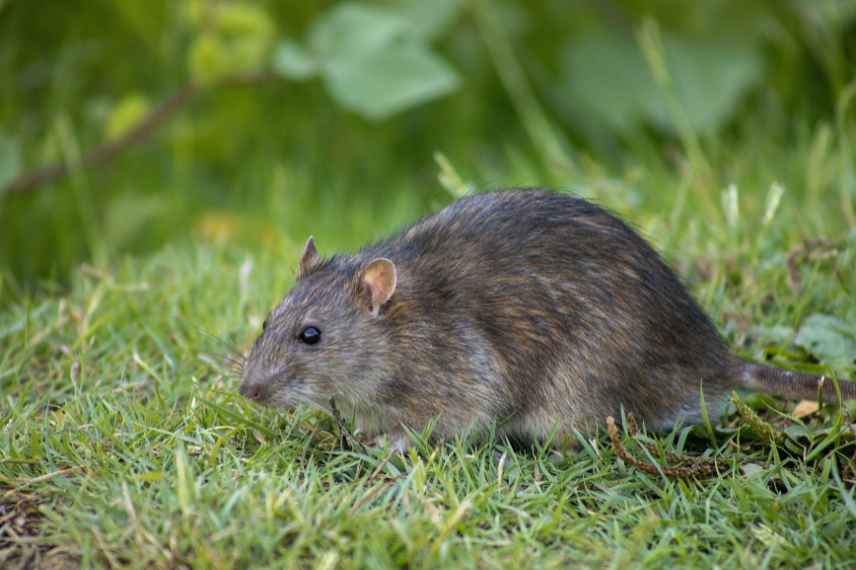
- Rats (notably the brown rat or Norway rat – Rattus norvegicus) are large opportunists, capable of adapting to a range of environments. They are attracted to scraps of fruit and vegetables, and can also damage young shoots and roots. Their burrows are often found beneath compost heaps or garden sheds, where they find both food and refuge.
- Mice (such as the grey mouse or house mouse – Mus musculus) are smaller than rats and tend to establish themselves near food sources. They gnaw a wide range of plants and can also attack seeds before they germinate.
- Voles (notably the field vole – Microtus arvalis) are particularly problematic in allotments. They are distinguished by a preference for roots and tubers, such as carrots and potatoes. Voles dig networks of tunnels just beneath the surface, which can cause the soil to sink around plantings or damage plant roots.
- Wood mice (the most common being the wood mouse – Apodemus sylvaticus), similar to voles but more slender, have a marked penchant for seeds and young shoots, which can cause significant damage in vegetable plots. They are particularly fond of cereal seeds, but do not disdain bulbs and young plants, such as lettuce and radishes. Wood mice dig intricate systems of tunnels just beneath the soil surface and can also damage plant roots and disrupt their growth.
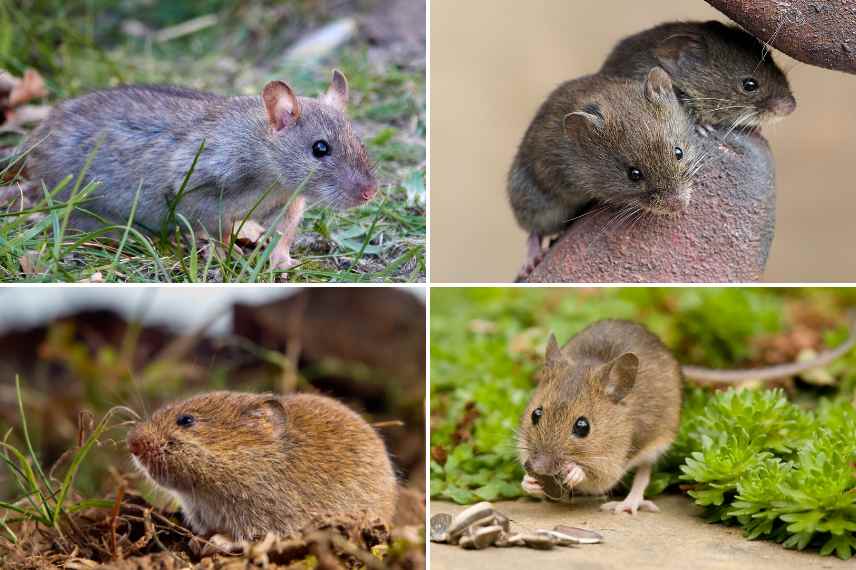
Rat, mouse, field vole and wood mouse
Signs of rodent presence in the garden
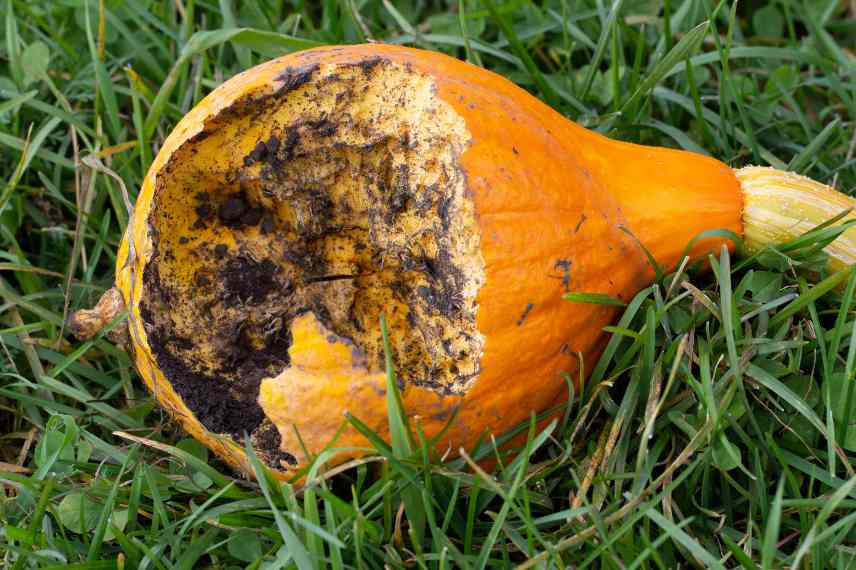
- Gnaw marks: damage to stems, leaves, fruits, and roots can indicate the presence of rodents. The marks are usually clean, as if the plant material had been cut by very fine blades.
- Excavations and tunnels: voles and rats are known to create networks of tunnels, visible as entry holes a few centimetres in diameter scattered around the garden.
- Droppings: rodent droppings are often a clear indicator of their presence. Rat droppings are elongated and large, while those of mice and voles are smaller and rounder.
- Nocturnal noises and traces: scratching or squeaking sounds at night can reveal rodent activity, particularly in or near structures such as greenhouses and garden sheds.
Read also
How to protect bulbs from rodents?Let's avoid attracting gnawing pests!
It’s generally better to prevent problems than to cure them! The same applies to rodent control in the garden. It is entirely possible to limit the attraction of these small mammals by adopting a few effective strategies:
Cultivation and garden design techniques to deter rodents
- Regular cleaning: piles of leaves, branches and weeds can provide ideal hiding places for rodents. A clean, well-maintained space is therefore less attractive to them. However, piles of branches and surrounding grasses also provide a habitat for other animals that help regulate other pests such as hedgehogs or ground beetles, for example. A vegetable garden or garden that is “too tidy” isn’t the ultimate solution either.
- Secure storage: make sure that seeds, bulbs and animal foods are stored in airtight containers and kept off the ground, even in buildings (garage, shed…). This reduces access to these food sources.
- Fences and physical barriers: installing buried fences can be effective, especially against rats and voles. Fences should be buried at least 30 cm deep and rise 60 cm above the ground to prevent rodents digging or leaping over. In the same vein, you can also surround the roots of new plantings of fruit trees or ornamental shrubs with buried chicken wire at planting.
- Use of sealed composters: compost heaps can attract rodents looking for food. Using sealed composters helps prevent their access.
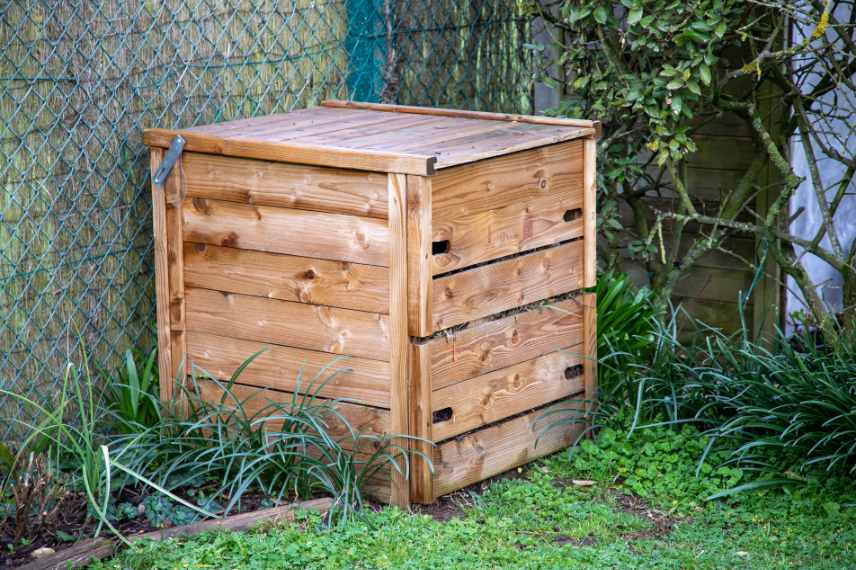
A closed compost bin limits rodents’ access to a food source
Natural deterrent plants
Some plants emit scents that are naturally repellent to rodents. By incorporating these plants into your vegetable garden, you can reduce its attractiveness to pests.
- Mint: peppermint and spearmint are particularly effective. Their strong scent is repellent to rodents but pleasant to humans. Plant mint around the perimeter of your vegetable garden or near potential entry points.
- Alliums: onions, garlic and leeks are reputed for their ability to repel rodents thanks to their sharp scent. Intercropping them can help protect nearby, more vulnerable crops. But it isn’t always incredibly effective; some ornamental alliums, such as ‘Purple Sensation’ still seem to be attacked.
- Imperial fritillary and other bulbs: this plant is not only beautiful, but also effective against rodents, particularly voles. The bulbs of Fritillaria imperialis emit a scent that these animals find unpleasant. Narcissi are not appetising to rodents, but even better, Galanthus or snowdrops are highly effective at repelling these little creatures. To such an extent that some gardeners surround their favourite plants with a ring of Galanthus bulbs: guaranteed effectiveness!
- Nasturtium: known for attracting pollinators, nasturtium also has a repellent effect on rodents. Its scent and natural irritant compounds help deter these pests.
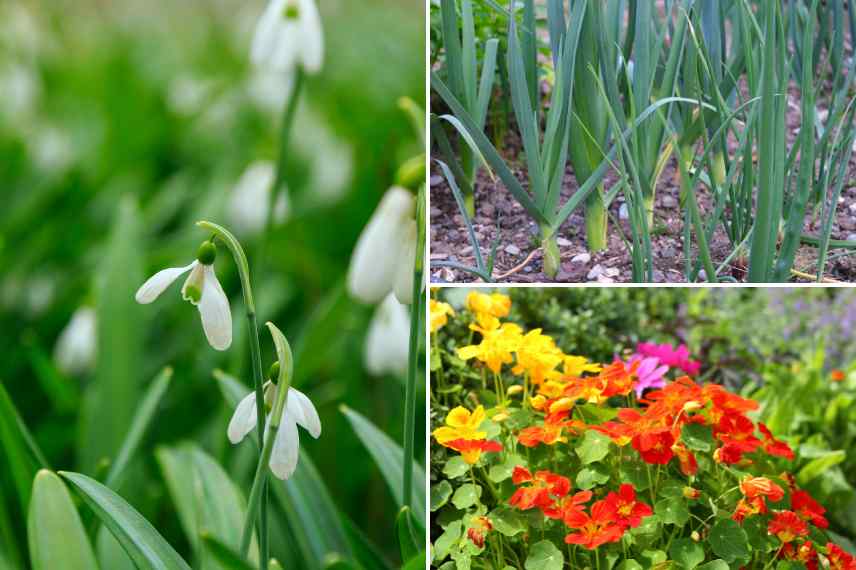 Snowdrops, leeks and nasturtiums: should be planted promptly in the garden and the vegetable patch!
Let's prioritise natural solutions
Rodents, despite the nuisance they can cause, play a crucial role in natural ecosystems. They contribute to seed dispersal, soil aeration through their digging activities, and serve as prey for a variety of predators. In the garden, their presence in controlled numbers can be beneficial. If they become overabundant, this indicates a temporary imbalance, and it will be appropriate to endeavour to resolve the problem with natural and ethical solutions to manage their population without disturbing the natural balance.
Use of non-harmful and ethical traps
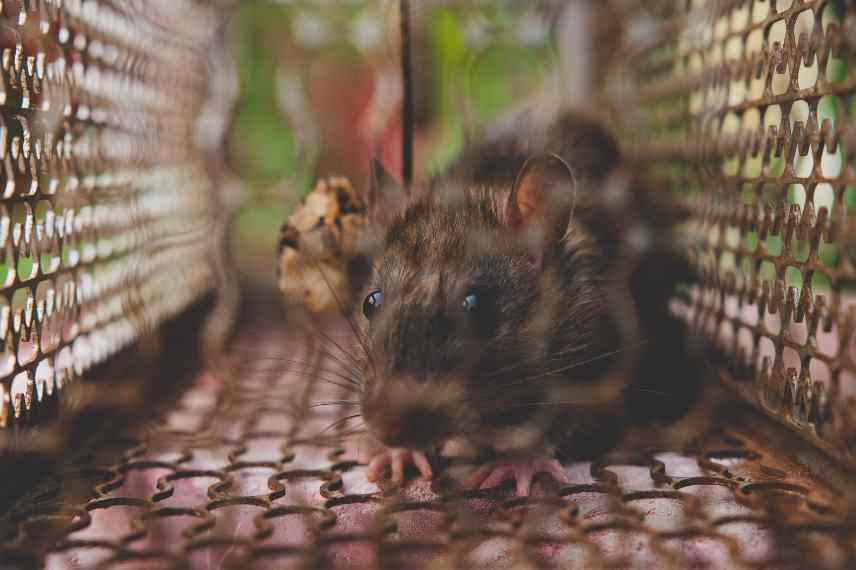
- Live-capture traps: these traps allow capturing rodents without causing them harm. They operate with a door mechanism that closes when the animal enters to reach the bait, usually consisting of food. After capture, the rodents can be released far from the garden. It is important to check these traps regularly to prevent the animals from suffering stress or hunger.
- Sound or ultrasonic repellents: these devices create an uncomfortable environment for rodents without harming them. They emit high-frequency sounds, imperceptible to humans and most domestic animals, but which disturb rodents. Effectiveness can vary depending on garden layout and rodent type. They are relatively costly devices and can be complex to install: best kept for commercial horticulture.
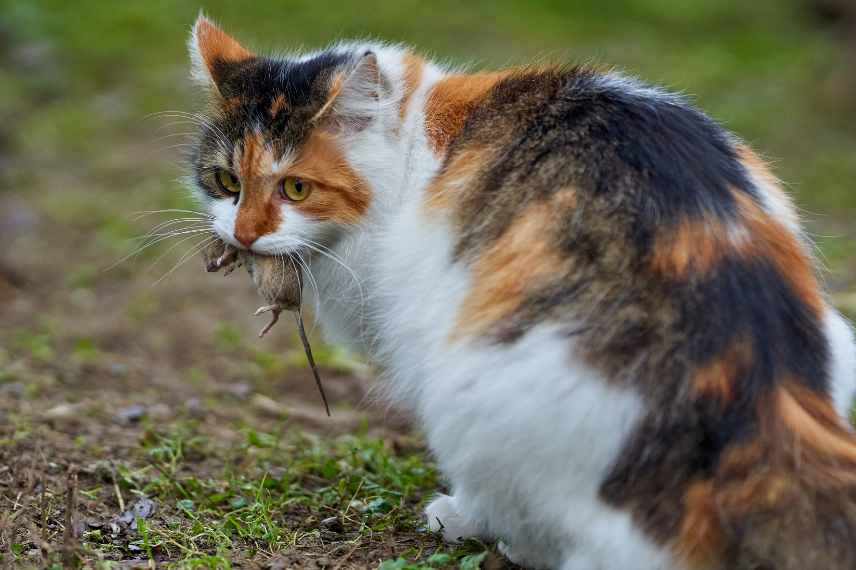
Natural predators of rodents and how to attract them to your garden
- Birds of prey: owls and hawks are natural predators of many rodents. Encouraging their presence can be achieved by the installation of perches or nest boxes suitable for owls. Leaving a portion of the garden less tidy can attract more insects and small mammals, which in turn attract these birds.
- Cats and dogs: cats, in particular, are recognised for their ability to reduce rodent populations. A cat in the garden is a natural way of keeping rodents at bay. Dogs, especially those with a strong hunting instinct, can also deter rodents from settling. However, their presence in either case may disturb other wildlife (hedgehogs, birds…). So it’s not the best solution.
- Wildlife: encouraging the presence of foxes or hedgehogs (for mice and young rodents) can also help. These animals are natural predators of several rodent species and can help regulate their populations. Piles of wood and dense hedges can provide habitats for these animals.
In case of severe infestation...
If preventive and natural methods no longer suffice to control a severe rodent infestation in the vegetable garden, more radical corrective measures may be necessary. However, before proceeding, a thorough assessment of the effectiveness of the approaches used so far is essential to choose the most appropriate strategy.
Assessment of the effectiveness of the different approaches
- Regular monitoring: installing live traps can help assess the rodent population. The data collected on the number of captures indicate the extent of the infestation and the effectiveness of the current methods.
- Visual inspection: regularly inspect the vegetable garden for signs of renewed rodent activity, such as fresh tunnels, damage to plants or gnawed food traces. This will help determine whether populations are starting to rise again.
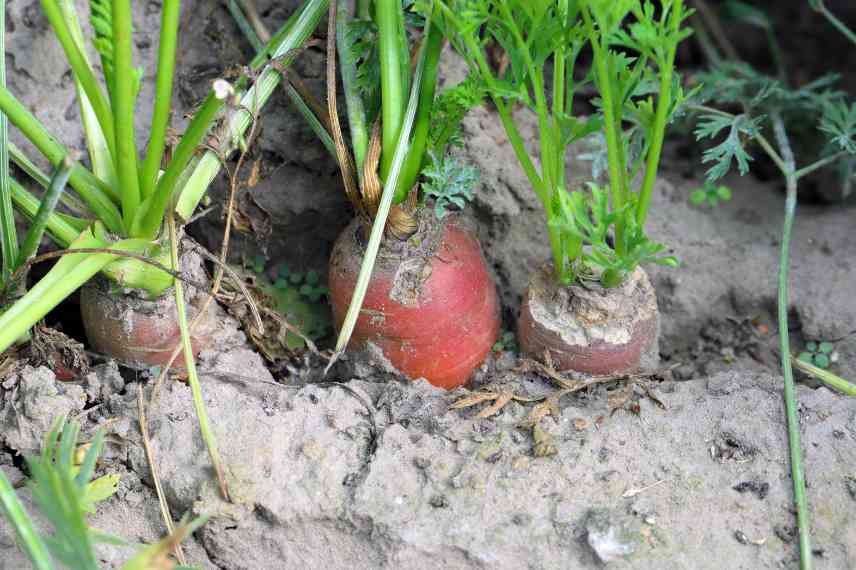
Regularly check for any new signs on your vegetables
When and how to intervene more radically?
- Intensification of existing measures: if traps and repellents seem to work but are not sufficiently effective, consider increasing their number or concentration, particularly around the most affected areas.
- Use of denticidal products: only as a last resort, and ensuring that these products are authorised and safe for other animals and for the environment, the use of denticidal products based on natural substances can be considered. These products, often based on plant-derived substances, are designed to be less harmful, but must be used with care and in accordance with the manufacturer’s instructions.
- Professional intervention: in cases of severe infestation where the damage is substantial and where the health of the plants and other animals may be compromised, calling in pest-control professionals may be necessary. These experts can assess the situation precisely and propose effective and responsible solutions.
- Landscape adaptation: structurally modifying the garden environment may be required to resolve the problem in the long term. This includes installing more robust physical barriers, altering composting methods, or reorganising planting areas to make access more difficult for rodents.
Continued monitoring of the kitchen garden.
- Subscribe!
- Contents
Comments