





























Permaculture vegetable garden: where to start?
Our tips for getting started without a hitch!
Contents
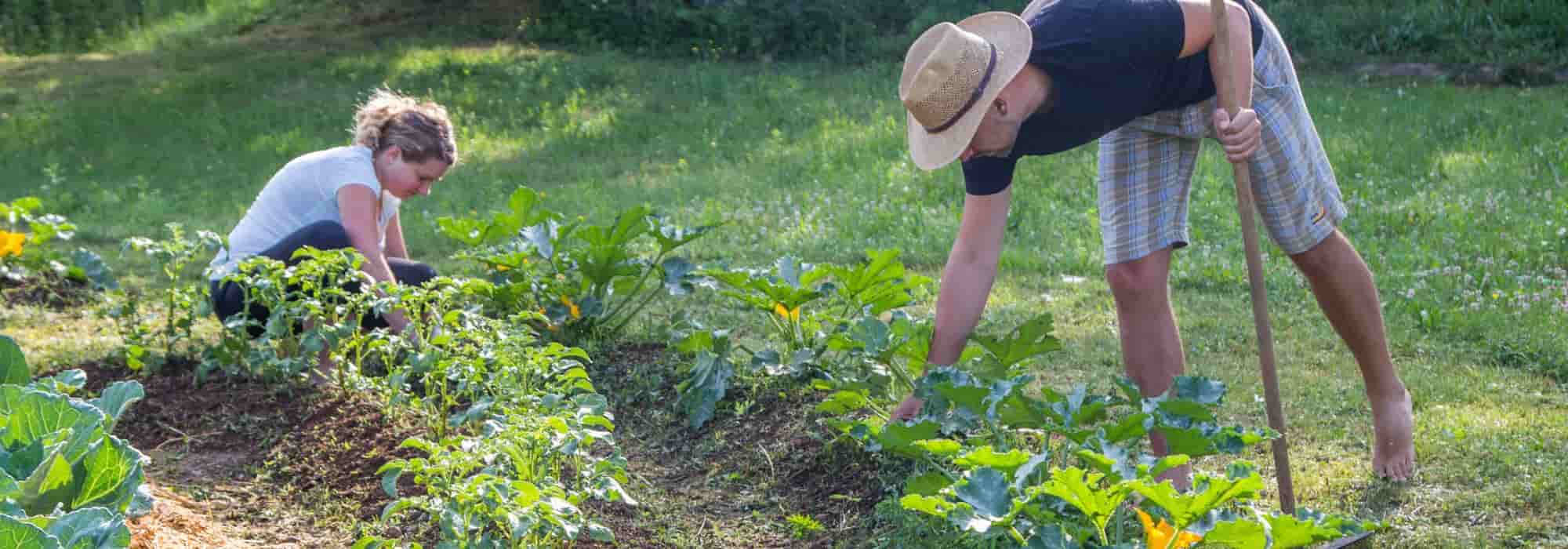
The permaculture garden is far more than a mere trend: it’s a revolution in the art of growing. Moving from a conventional garden to a permaculture garden is choosing an environmentally responsible and sustainable approach. This nature-friendly method optimises space and resources, while promoting rich biodiversity. The benefits are numerous: reduced waste, water saving, soils more fertile and harvests more abundant. If you’re looking to transform your garden into a harmonious and productive ecosystem, permaculture is the ideal starting point.
Discover our tips for starting the transition from your traditional garden to a permaculture food-producing space.

The benefits of a permaculture vegetable garden
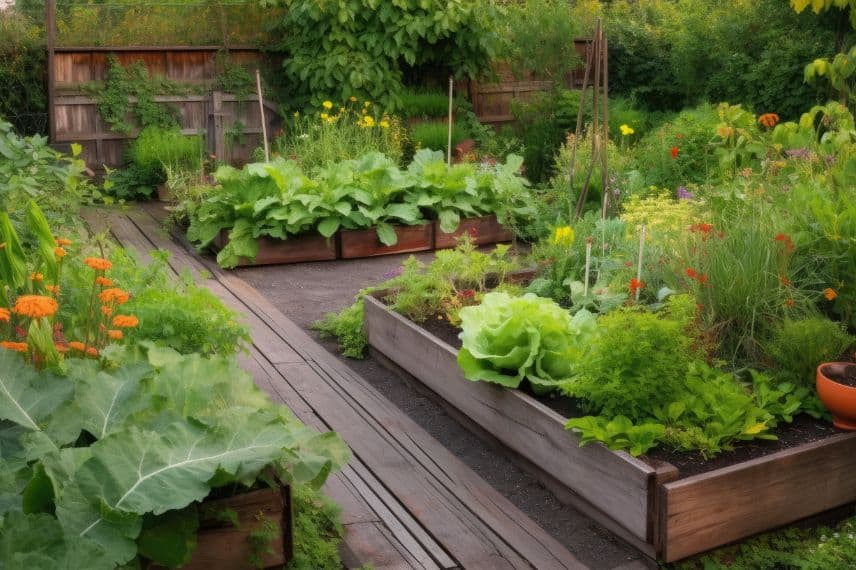
Unlike a traditional vegetable garden, permaculture aims to mimic nature and relies on it to nourish and protect your plants. The benefits are numerous: you will use less water, while preserving soil quality and without recourse to chemical fertilisers or pesticidal products. Your garden will become a balanced ecosystem, more resilient to diseases and pests. The diversity of crops in permaculture guarantees varied and abundant harvests throughout the year. Finally, this method promotes biodiversity, attracting beneficial allies such as bees and ladybirds. In short, permaculture is an invitation to garden in harmony with nature, for a healthier, more productive vegetable garden and a more environmentally friendly approach.
First step: observation
The first crucial step in moving from a traditional vegetable garden to a permaculture garden is observation. Before plunging headlong into the change, take the time to observe your space, understand its specifics and identify its strengths and constraints.
Study the sunlight and the wind :
Identify the sunniest areas and those in shade. This will help you determine the best locations for each type of plant. For example, while lettuces prefer partial shade, even shade, that is not the case for tomatoes and aubergines which enjoy full sun and warmth.
Note that sunlight varies from season to season. We recommend identifying (and noting or photographing) which areas are sunny month by month, ideally over a full year, because the vegetable garden is year-round.
Also identify external elements that influence your garden, such as the direction of prevailing winds or the presence of a sheltered wall. This will help you position your plantings and infrastructures wisely.
Determining the nature of your soil :
Knowing the soil’s quality and composition is essential before starting in permaculture, as you do not cultivate in the same way in clayey soil as in sandy or loamy soil. The same goes for acidic, neutral or calcareous soil. For example, acidic soils are perfect for blueberries, but less so for brassicas.
To determine its composition, texture and also its pH, you simply need to perform tests. To do them yourself, read our articles : “Determining soil texture: clayey, sandy, loamy” and “Acid soil, neutral soil or calcareous soil: how to tell?”
Observe drainage :
After a heavy rainfall, identify the areas where water pools in the garden. Think about improving water drainage by incorporating gravel or pozzolana into your soil at planting. Most vegetable plants prefer well-drained soil and do not like excess water, as this can lead to root rot. You can also choose to plant moisture-loving vegetables there, such as watercress.
Identify local wildlife :
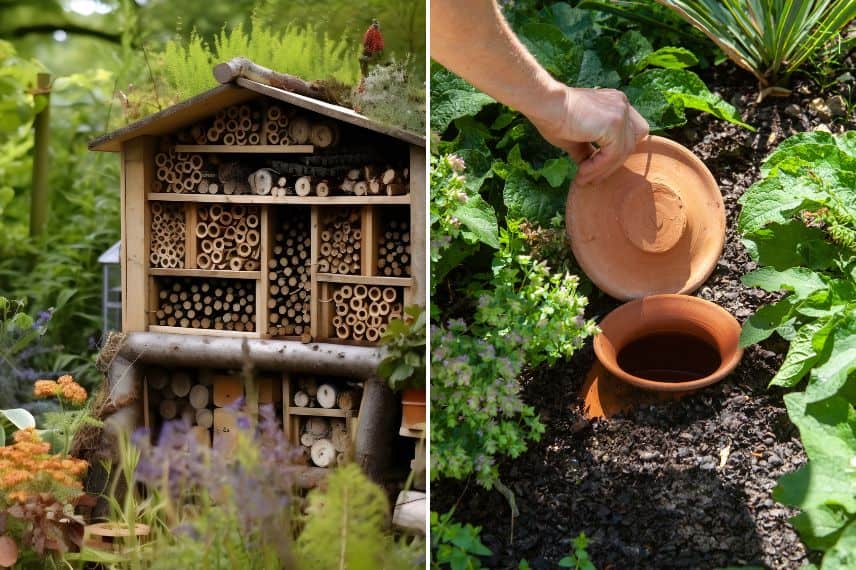
Note the insects, birds and other animals that visit your garden. Some can be valuable allies in fighting pests. If they are absent or scarce in your garden, it may be wise to install insect hotels and to encourage birds to nest.
Identification of bio-indicators :
The plants present naturally in your garden can tell you a lot about the health and quality of your soil. These plants, called bio-indicators, are natural indicators of the soil’s characteristics. For example, the presence of dandelions can indicate compacted soil, while nettles reveal nitrogen-rich soil. By observing these plants and understanding what they indicate, you can adapt your cultivation techniques and amendments to meet the specific needs of your soil.

Step 2: planning
Once this observation phase is complete, move on to planning. This involves sketching a plan for your vegetable garden, incorporating or taking into account the elements you have observed.
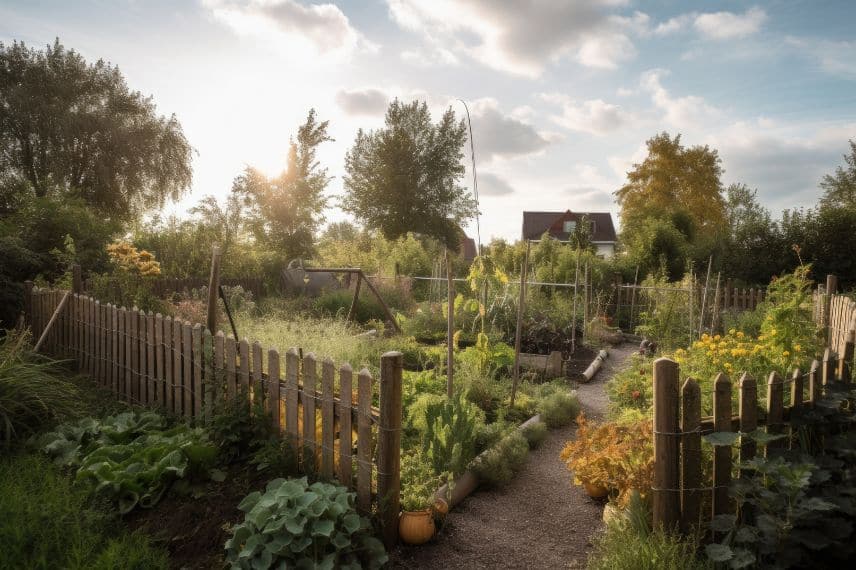
In permaculture, the garden is often divided into zones (1 to 5) according to frequency of use and access. This rule can also be applied to the vegetable garden. Zone 1 is the closest to the house and contains plants you harvest frequently or that require daily attention, such as aromatic herbs or courgette, which needs a lot of watering. Conversely, the outermost zone is the farthest, wilder and requires less intervention, for example an orchard or a wood as part of a food-producing garden.
Also consider creating specific zones, such as compost, an insect hotel, a rainwater butt, etc.
Draw paths to walk without trampling your plants. These paths can be mulched.
Then sketch or colour in your future vegetable crops, bearing in mind the complementarity between plants. Some plants naturally deter pests or attract beneficial insects. Others can enrich the soil with nitrogen, thus benefiting their neighbours. For example, tomatoes like to be near marigolds, which repel some pests; beans enrich the soil for corn, etc.
Note that this representation of your garden will evolve and will very likely change from year to year. So don’t hesitate to use a wooden pencil and erasable coloured pencils to make your future adjustments. Also think about crop rotation!

Step 3: soil preparation
As we have just discussed in the previous chapter, start by delimiting your zones with visual cues. Use what you have to hand: string, a wooden stake planted in the ground, stones, a plant or vegetable beds as reference points, etc… Then install your specific elements (compost, insect hotel, …)
Then, create your paths to move between your zones by favouring natural materials, such as wood chips or the mulch.
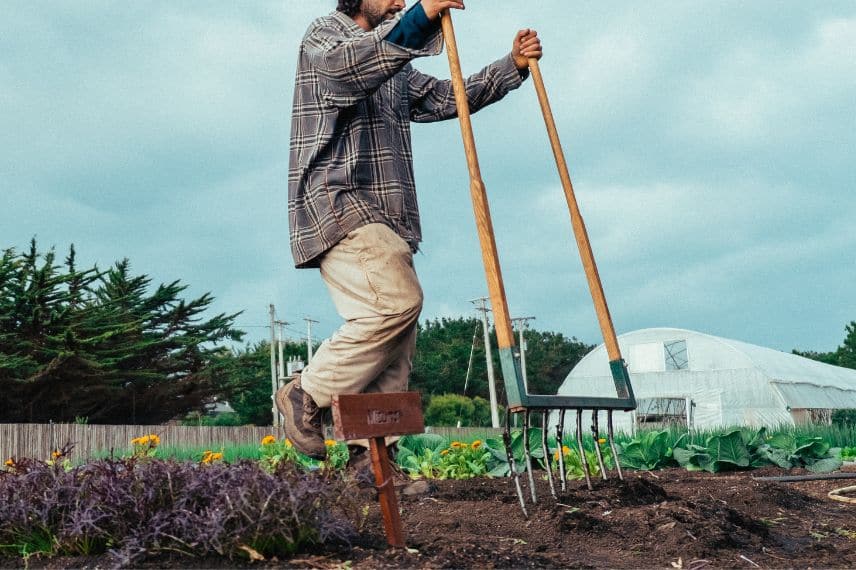
Prepare your growing areas, but avoid overworking the soil. Leave your spade, pickaxe and rotavator in the shed. Use instead of a digging fork or a grelinette to aerate the soil and loosen it without turning it over. This preserves its structure and protects beneficial micro-organisms. Moreover, well-aerated soil allows roots to breathe and to spread.
And while waiting to grow, don’t leave your soil bare! Cover the soil with mulch or plant legumes and green manures such as clover, vetch, phacelia or peas. In addition to enriching the soil with nitrogen, these improve its structure, increase its water-holding capacity, and promote microbial life.
Step 3: diversify your plantings
Before planting, make a list of the vegetables, fruit and flowers you want to grow. Make sure to include plants from different families in each area to prevent the spread of diseases specific to a family, such as late blight which can affect tomatoes and potatoes.
Also consider vegetable pairings and companion plants when making your selections. For example, plant tomatoes next to the basil to deter pests, or carrots near the onions to protect against certain pests.
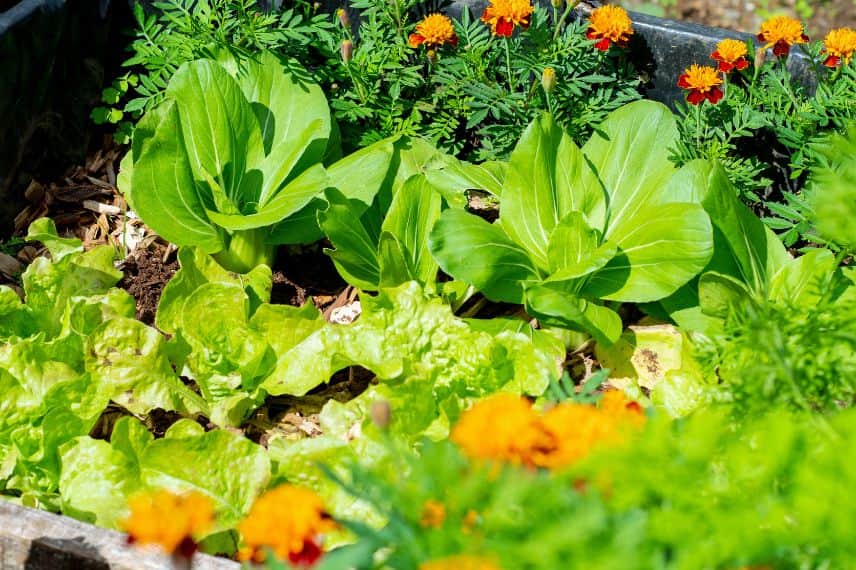
Incorporate flowers into your vegetable garden, such as calendula or the marigolds, to attract pollinators and deter certain pests. Don’t forget the aromatics, such as the mint or the lemongrass, which can also act as natural repellents.
Crowd your plants in the vegetable garden to mimic how nature works. By crowding the plants closer together, you create a microclimate where humidity is retained, reducing the need for watering. This proximity also provides mutual protection against pests and diseases. Furthermore, by limiting the space between plants, you reduce weed growth, allowing the soil to retain its essential nutrients.
Note: Each garden is unique! Don’t hesitate to experiment and observe what works best for your space, depending on the nature of your soil or the climate in your area. Adapt, change and diversify year on year, because in the vegetable garden, as in permaculture, discovery and patience are your allies.
Permaculture vegetable garden maintenance
As discussed in previous chapters, it is essential to understand that soil is alive and that its health contributes to your plants’ growth. Rather than disturbing it with deep tillage, preserve its structure using gentle methods such as mulch and soil aeration. Mulch, whether formed of leaves, straw or compost, nourishes the soil, retains moisture and prevents weed growth.
Watering in permaculture is also different. Instead of frequent surface watering, opt for less frequent but deeper watering. This encourages plant roots to grow deeper, making them more drought-tolerant. Mulching also helps reduce water evaporation and keeps soil moist for longer. Also consider installing oyas which reduce the frequency of watering.
Every year, implement crop rotation and change the location of your vegetable plants. This prevents nutrient depletion in the soil and reduces the risk of disease. You can also let some plants go to seed to harvest the seeds, or let the wind carry them.
In permaculture, compost is often called ‘black gold’ because it is rich in nutrients and improves soil quality. If you haven’t already, install a compost bin to obtain this natural fertiliser that nourishes your plants, helps them grow and makes your soil healthier year after year.
Finally, don’t forget to observe. Take time to walk through your garden, to listen, to smell and to touch. Observation allows you to detect early signs of problems and intervene naturally, for example by introducing natural predators to combat pests.
Permaculture: between adaptability and evolution
Permaculture is a bit like learning to dance with your garden. And every garden is unique! What works for one may not work for another. Instead of following strict rules, we observe, adapt and evolve with nature.
Feel free to read up on the subject, there are many books on the subject that will teach you, for example, how to create a raised bed.
Over time, you’ll notice your garden changing. Perhaps a plant doesn’t grow well in one spot, but thrives elsewhere. Or one year you have plenty of rain, and the next year it’s very dry. Permaculture encourages you to adjust your methods in response to these changes.
The important thing is to be open and flexible. If something doesn’t work, it’s not a failure but a chance to learn.
Further reading
To learn more about the subject, browse our articles:
- Subscribe!
- Contents
Comments