





























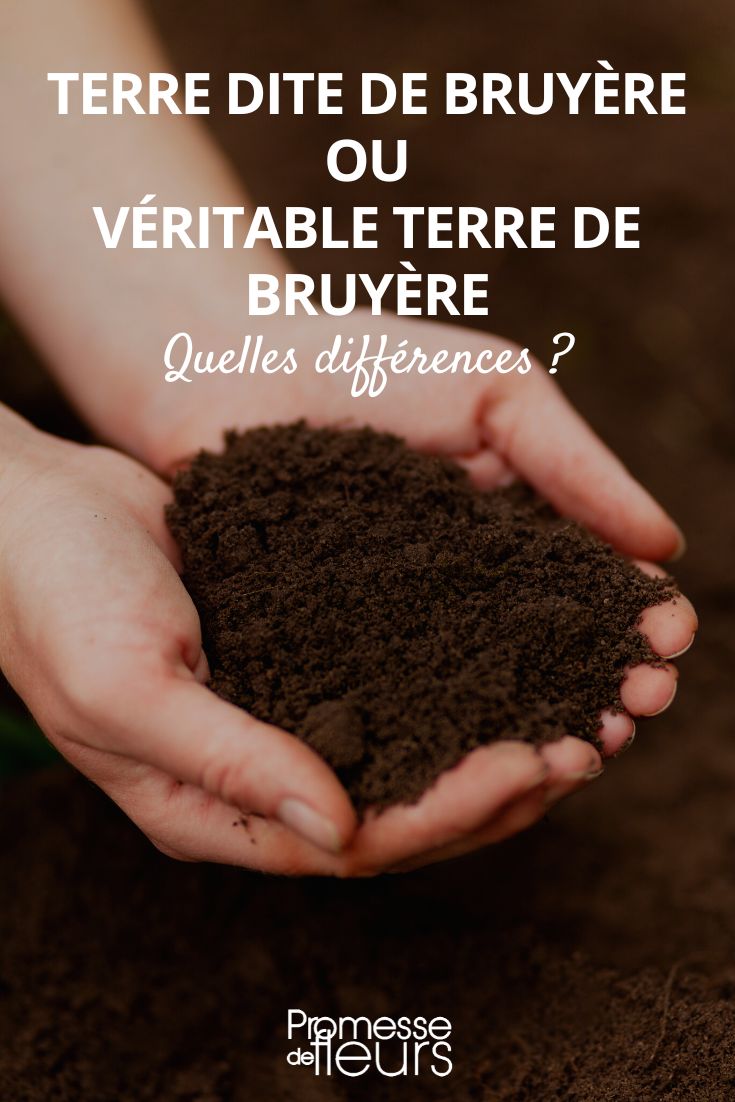
So-called heather soil or genuine heather soil: what are the differences?
Our advice on choosing the right substrate
Contents
Heather soil is a substrate used for acidophilous plants, which do not tolerate lime, such as hydrangeas, rhododendrons, azaleas and heathers. However, two products are sold under this name: the soil known as “de bruyère” and the genuine heather soil. Both substrates share an acidic pH, below 6, and a light, well-draining, airy texture. So what are their differences and which one should you choose? In this article we present their display as well as their advantages and disadvantages to help you make the right choice!

What is ericaceous soil?
Display
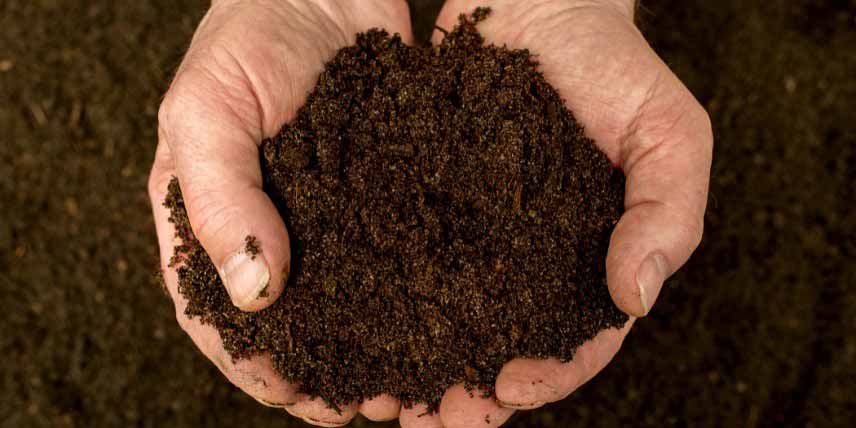
The so-called heather soil is a substrate intended to mimic true heather soil, therefore to resemble the natural medium in which acidophilous plants grow. It imitates its characteristics, notably in terms of acidic pH, but it has a better water-retention capacity (notably with the addition of turf) and sometimes contains fertiliser. The display is variable depending on the manufacturer, but it generally contains sand, blond turf, brown turf, crushed pine bark, compost, occasionally coconut fibres and fertiliser. It should be noted that this type of soil is not specifically linked to heather.
Advantages
The so-called heather soil is cheaper and easier to find than true heather soil. It retains moisture better: the substrate therefore dries out more slowly, which reduces the need for watering. It is richer in nutrients than true heather soil, particularly thanks to the addition of fertiliser and compost. It can possibly be used pure for planting in pots.
Disadvantages
This soil can be too acidic for some plants. Moreover, the presence of turf makes this substrate difficult to re-wet once it is dry, and this raises an ecological problem regarding the exploitation of turf moors, which play an important ecological role and turf is not a renewable resource.
Use
As with true heather soil, it is better not to use it pure (except possibly for planting in pots), but rather mixed half-and-half with loam.
What is genuine heather soil?
Display
The genuine heather soil is a soil that is found as is in nature, in the forest understorey, on sandy soils where heathers and gorse grow. It comes from the decomposition of heathers. It is found in forests where heather grows naturally, notably in Sologne. It is a rare soil, and therefore expensive. It is light, well-draining, rich in raw humus, but very poor in nutrients. Its pH, particularly acidic, ranges between 4 and 5. It retains very little moisture. The genuine heather soil should never be used on its own, but only up to a maximum of 20–30% because of its acidity.
Advantages
This soil is very well-draining, which allows good root aeration, and it warms up more quickly. Very acidic, it is particularly suited to ericaceous plants. Above all, it acidifies the soil.
Disadvantages
Genuine heather soil is often more costly and can be more difficult to find. Although it is rich in humus, it is very poor in nutrients, and those that are present, notably nitrogen and phosphorus, are poorly available to plants, which can lead to deficiencies. True heather soil is also highly draining and therefore has poor water-retention capacity. It can also contain pollutants or heavy metals such as aluminium ions. Obtained by removing the surface layer of soil, it has a significant environmental impact.
Use
As genuine heather soil is strongly acidic, it should never be used alone. For planting your acidophilous plants, we recommend making a mixture of equal parts heather soil, coarse sand, leaf mould and loam.
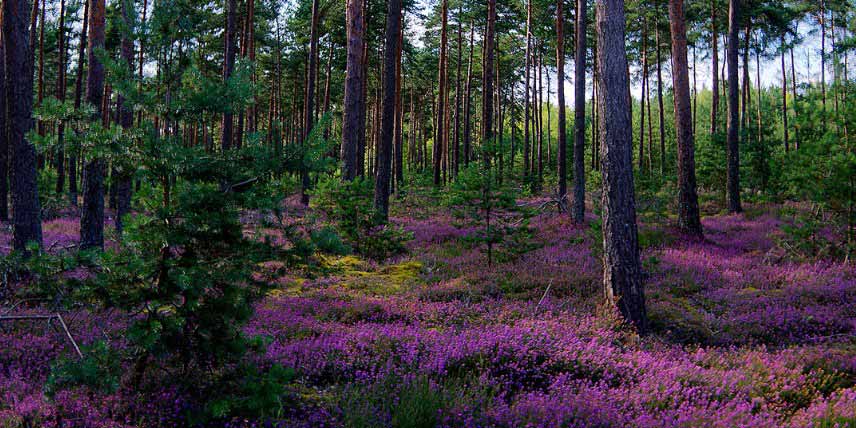
Heather heathland in Sologne (photo: Pierre J)
What are the differences between these two types of soil?
- Display :
- So-called heather soil: varies by manufacturer, but is generally sand, turf, pine bark, compost, plant fibres
- True heather soil: genuine soil harvested from the wild and resulting from the decomposition of heather. It is always pure and is not mixed with other elements before being marketed.
- Advantages :
- So-called heather soil: it is cheaper, has better water retention and is generally richer in mineral elements (fertilisers, compost…)
- True heather soil: well drained, very acidic
- Disadvantages :
- So-called heather soil: generally contains turf, the extraction of which has a significant environmental impact.
- True heather soil: more costly, it is very free-draining and therefore dries out quickly in summer. It is poor in nutrients, which can lead to deficiencies. It is really very acidic; it must be used in a mix. Harvested from the wild, it also has a significant environmental impact.
- Use :
- So-called heather soil: mix it with loam at 50%.
- True heather soil: mix it with loam at 20–30%.
Buying guide
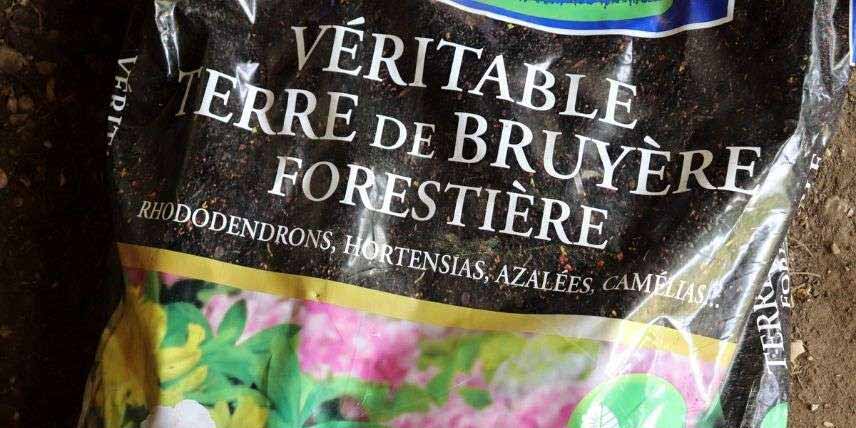
To ensure you choose the right soil, it is crucial to check labels and understand the specific needs of your plants. The composition of so‑called heather soil can vary by manufacturer and be of varying quality. Nevertheless, it is easier to use since it is already formulated to retain moisture (with the addition of turf) and to feed plants (fertiliser, compost…). Simply mix it half and half with loam, and it can be used on its own for planting in pots. Regarding genuine heather soil, you need to be more cautious, as it is particularly acidic and very free‑draining, so it is essential to mix it with compost or leaf mould and loam. Ideally, we recommend making a mix consisting of 1/4 genuine heather soil, 1/4 coarse sand, 1/4 leaf mould and 1/4 loam.
You can also replace heather soil with pine needles and pine bark, as well as leaf mould (preferably from oak and chestnut leaves). These elements will help to slightly acidify your substrate.
- Subscribe!
- Contents
Comments