





























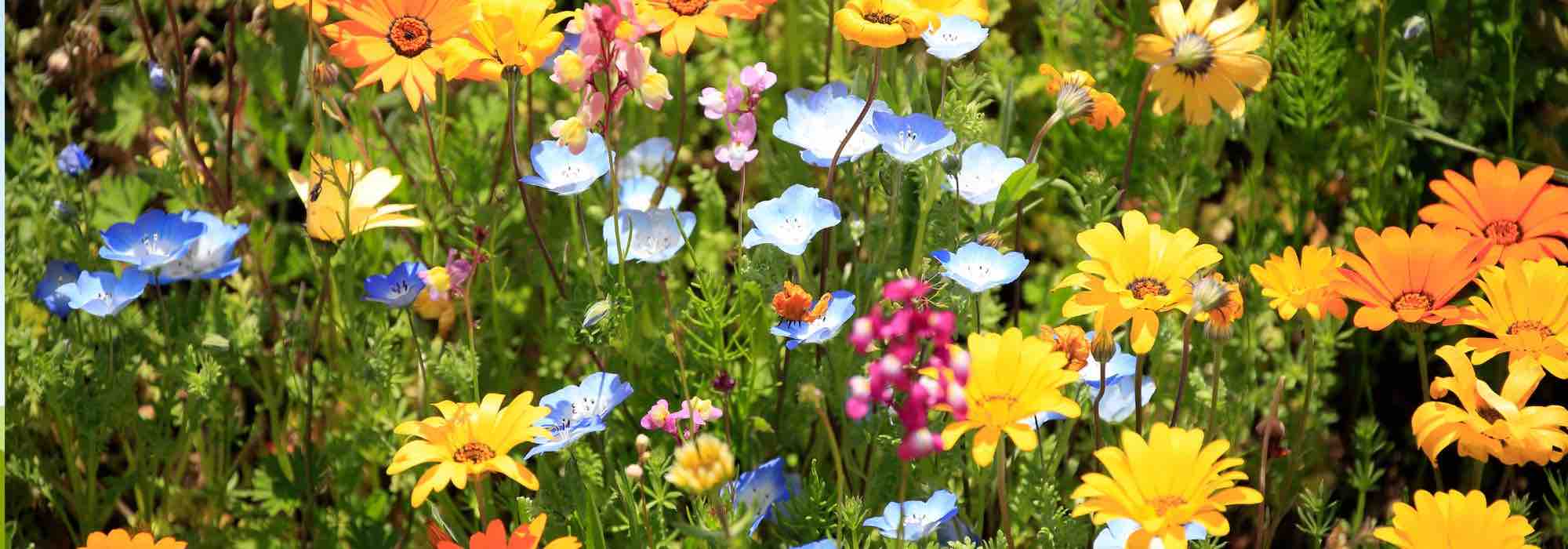
Growing flowers for cut flower arrangements
What if you laid out a cut-flower garden inspired by flower farms?
Contents

Advantages of a cut-flower garden
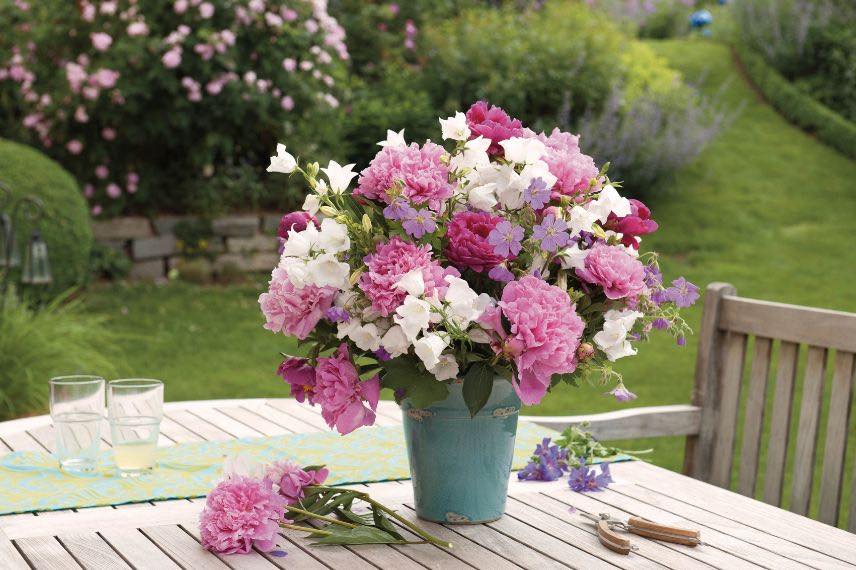
The advantages of a flower farm are numerous. Aesthetically, it brings colour and life to any outdoor space. The flowers, with their shapes, textures and colours, catch the eye and create a dynamic landscape that evolves with the seasons. Not to mention the presence of fresh cut flowers in the home!
Practically speaking, a flower farm offers an inexhaustible supply of “material” for fresh bouquets. Rather than buying flowers from shops, gardeners can turn to their own garden to pick flowers suited to every occasion. This not only saves money but also guarantees the freshness and quality of the flowers used.
Moreover, the cut-flower garden is an excellent way to reconnect with nature and to develop one’s gardening skills. It offers an opportunity to learn about different plant species, their life cycles and their specific needs. This can be especially rewarding for both beginner and more experienced gardeners. Let’s not forget that an abundance of flowers attracts pollinators and increases biodiversity in the garden.
The flower farm is an approach to gardening that combines beauty, creativity and practicality. It allows you to create a unique, personal space, while offering the practical advantages of having fresh flowers within easy reach. To enhance your garden and bring a touch of nature to your home, a cut-flower garden is an appealing option for all plant lovers.
Plant selection
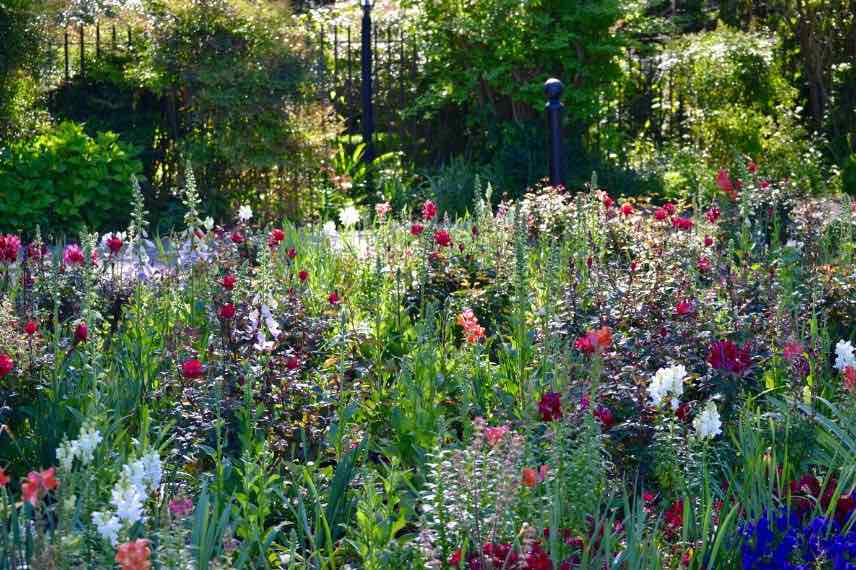
Plant selection is a crucial element in creating a successful floral farm. Each type of plant brings its own characteristics and benefits, contributing to the diversity and beauty of cut flower arrangements.
Natural flowers are essential for creating fresh and attractive cut flower arrangements. They bring a touch of authenticity and diversity, allowing unique compositions to be created. Also consider the fragrance of the flowers, whose scent in the home contributes to the bouquet’s impact on the room’s atmosphere. The species proposed here are only the beginning of your reflection!
Perennials as the foundation of the cutting garden
Perennials are the foundation of a durable cutting garden. They come back each year, providing reliable structure and lasting appeal. Species such as the peonies, prized for their large lush blooms, are a classic choice for cut flower displays. The asters and the rudbeckias are particularly valued for their long vase life. Think of the echinaceas, with their colourful and robust flowers, the phlox, for their dense clusters of fragrant flowers. All of these species help form the heart of the cut flower display.
Pair them with flowers that are more airy and light in their bloom, to balance the composition, such as the agastaches, with their long floral spikes, the thalictrums, with their delicate airy flowers, and the Leucanthemum, or marguerite, which adds lightness and elegance. Also incorporate foliage plants, an interesting complement to any cut flower arrangement, such as the Briza media, a grass with purple spikelets, or the Artemisia with grey foliage. All of these plants require relatively little maintenance once established and are sensible choices for the intended purpose.
Bulbs for an ornamental addition and a complementary flowering period
Bulbs are an excellent addition to any cutting garden. The spring bulbs offer early flowering, often at the start of spring, when few other plants are in bloom. Tulips, narcissuses and lilies are well-loved choices, known for their brilliance and range of colours. Bulbs are generally easy to grow and can provide a reliable source of flowers year after year. Summer bulbs such as the dahlias, with their wide range of shapes and colours, are essentials for any cutting garden. They provide an abundance of blooms from midsummer through to the first frosts.
Annuals for the lightness of their flowers and their versatility
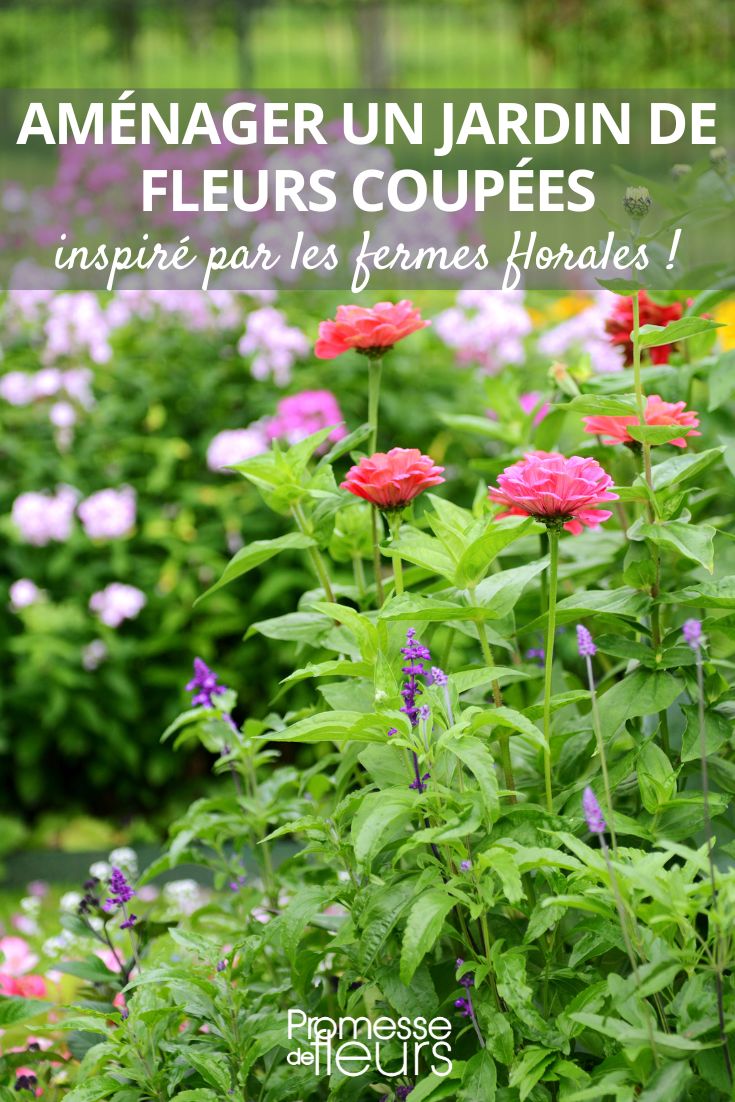
Annuals also play an important role in establishing this type of garden, notably because many will provide you with flowers in the first year. The cosmos, with their delicate and airy blossoms, the zinnias, the Lavatera annual, with blossoms shaped like cups, the delicate flowers of the Nigella and their ornamental seed capsules, add a unique texture to cut flower displays. The Ammi majus, with its umbels of white flowers, brings a touch of finesse and structure. In the garden, annuals are easy to grow, low maintenance and provide continual colour throughout the growing season. They can be used to fill spaces between perennials and bulbs. Annuals also allow you to experiment with different colours and textures each year, offering flexibility and variety that can refresh the look of the garden.
The success of a floral farm rests on a thoughtful plant selection. Each variety brings its own characteristics and benefits, enriching diversity and the aesthetics of cut flower arrangements. Consider the complementarity of colours, shapes and textures for a harmonious visual effect. Careful planning of flowering periods will also ensure a continuous supply of fresh flowers for your cut flower arrangements throughout the season. It is important to take into account the specific growing conditions of each plant, such as sun exposure, soil type and water needs, to ensure healthy and flourishing growth.
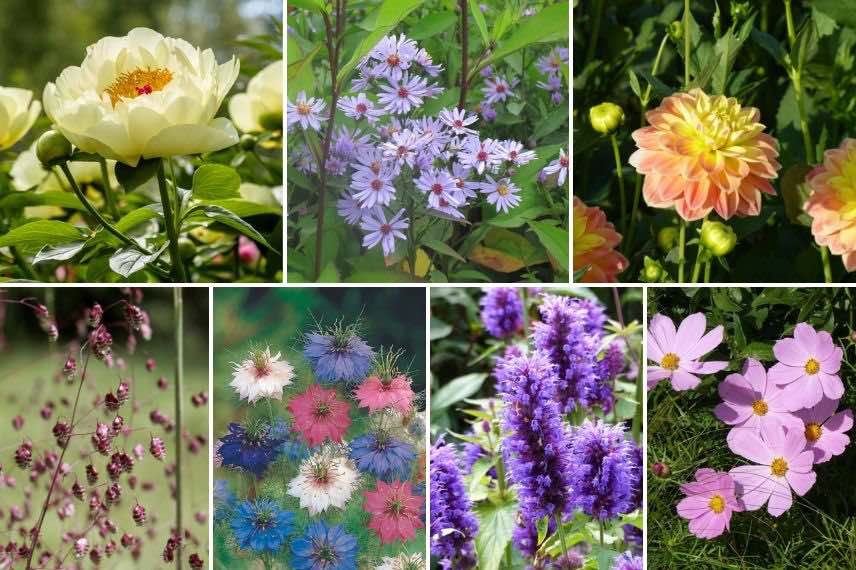
Some examples among others of plants for your floral farm (clockwise): Peony, asters, Dahlia, Cosmos, Agastache, Nigella, Briza media
Planning and layout of a cut-flower garden.
A well-thought-out plan enables to optimise space and to facilitate maintenance and harvesting of the flowers. You will not undertake all the plantings at once; follow the recommended installation seasons.
Before installation, carefully choose your location : favour good exposure to light and a sheltered position from strong winds. It may, however, be prudent to provide also a shaded area for the hottest hours of summer.
Plant perennials
Begin by planting perennials, which will form the backbone of your cut flower garden. Choose their location taking into account their mature size, light requirements and flowering period. Perennials create a permanent structure and provide reliable flowering year after year. By planting them first, you define the framework and overall layout of the garden.
Interplant bulbs
After planting the perennials, incorporate the bulbs. Plant the bulbs among the perennials, taking into account their height and colour to create a harmonious visual effect. Bulbs are easy to plant and require little maintenance once in the ground. As a rule, bulbs are planted at a depth of three times their height. Bulb planting seasons must be observed, usually autumn for spring-flowering bulbs and spring for summer-blooming bulbs.
Sow annuals
Finally, sow the annuals. Sow them in groups or in rows for maximum visual impact and to facilitate the harvest of the flowers.
When planning your flower farm layout, consider ease of access for maintenance and harvesting. Create paths to move easily between the flowering areas. Also consider the visual aspect of the garden from your house or relaxation space, so you can fully enjoy the beauty of your flower farm.
Care and Harvest
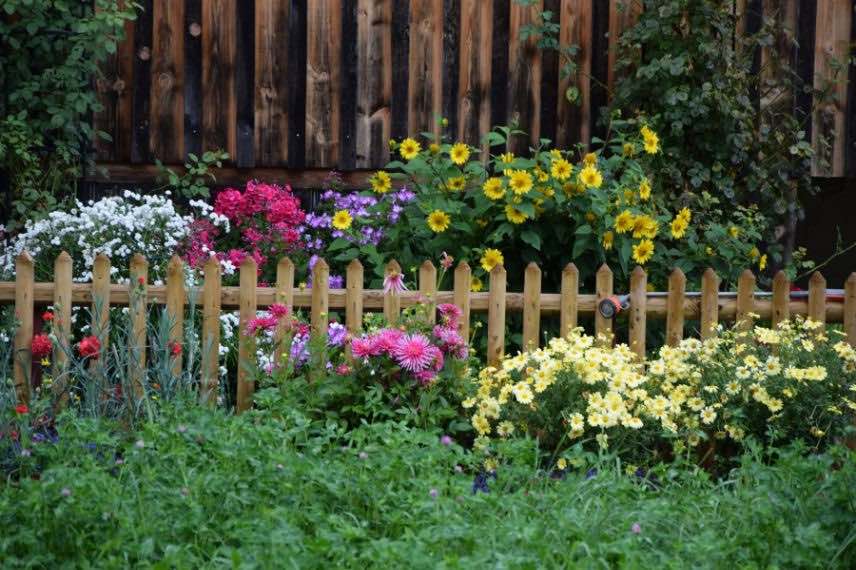
Here are a few tips for caring for your plants and harvesting your flowers to best effect:
Plant care
- Watering: Ensure careful watering, especially during periods of foliage growth and flowering, and during dry spells. Water needs vary depending on the plant, but soil kept consistently moist is often ideal for many flowering plants.
- Fertilisation: Fertilise carefully with an organic fertiliser, avoiding overfeeding, to provide the nutrients needed for healthy growth.
- Weed and pest control: Keep the garden tidy by regularly removing adventives. Also monitor for pests and treat them in an appropriate and natural way to protect your plants.
Harvest planning
- Make a plan of your garden, noting where and when each plant flowers. This will help you know which flowers are ready to be cut and to plan your flower arrangements.
- Keep in mind the succession of flowering to ensure a continuous harvest throughout the season.
Flower harvesting
- Ideal time: Harvest flowers early in the morning or late in the day, when temperatures are cooler. This helps to preserve freshness and the vase life of cut flowers.
- Appropriate tools: Use clean, sharp scissors or pruning shears to cut the stems. This allows a clean cut without damaging the plant.
- Cutting technique: Cut the stems on an angle to increase the water absorption surface and prolong the vase life of the flowers.
- Preparing the flowers: Remove the lower leaves that could be submerged in water. This reduces the risk of rot and keeps the water cleaner for longer.
- Subscribe!
- Contents
Comments