





























Which shrubs for a mountain hedge?
Our selection of cold-resistant shrubs
Contents
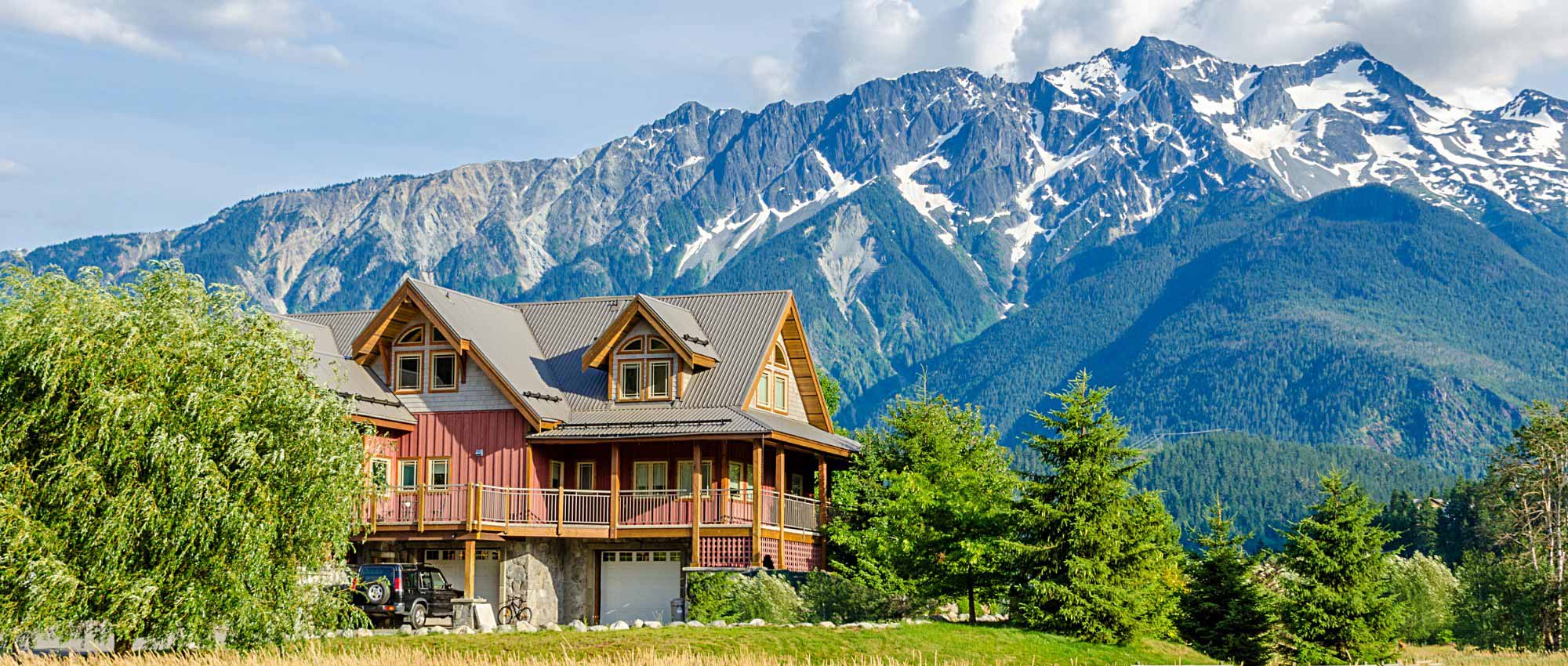
Mountain gardens are subjected to a much harsher climate than those located in the plains. Temperatures are cooler, winters last longer, and both wind and sunlight are more intense. It is therefore essential to choose plants suited to these specific conditions! Discover our selection of the best cold-resistant bushes to create a hedge in the mountains, whether it be informal, wild, or trimmed.
→ Read also: Designing a mountain garden

The beech, Fagus sylvatica
The common beech, Fagus sylvatica, is a well-known tree in our forests. Although it can grow very tall, it grows slowly and responds well to pruning, allowing it to be maintained at reasonable dimensions for a hedge. With its dense foliage, it forms a very effective screen. The foliage of the beech is marcescent: thus, the leaves dry in autumn and turn brown, but they will remain on the tree until spring. Therefore, a beech hedge remains opaque all year round, even in winter, simply turning brown. Quite hardy, it withstands temperatures down to -25 °C. It thrives in rich, cool, but well-drained soil. There are varieties with coloured foliage, such as Fagus sylvatica ‘Atropurpurea’, with purple leaves, Fagus sylvatica ‘Dawyck Gold’, with golden leaves, and Fagus sylvatica ‘Purpurea Tricolor’, which has very original variegated foliage.
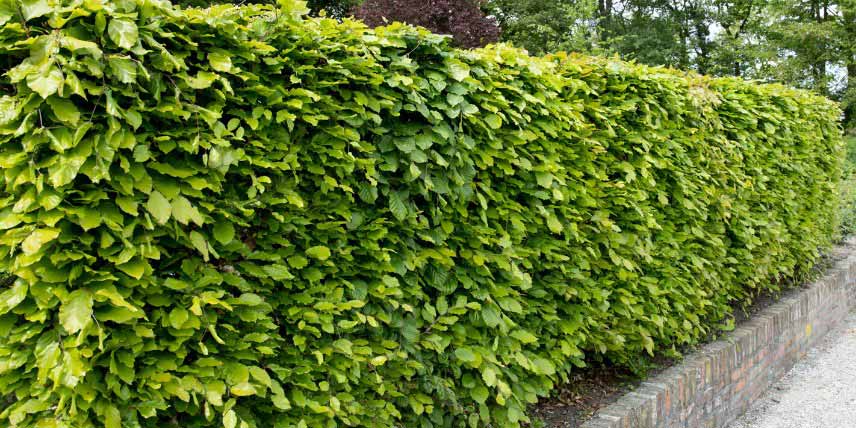
A hedge of Fagus sylvatica
Mountain laurel, Kalmia latifolia
Kalmia latifolia, also known as Mountain Laurel, is a hardy acidic soil shrub that can withstand temperatures as low as -25 / -30 °C. It is ideal for creating a free-flowing, flowering hedge in acidic terrain. This is a slow-growing shrub that forms a rounded shape of about 2 m in all directions. It bears beautiful lanceolate evergreen leaves of a glossy green, and in spring, it produces open bell-shaped flowers that are white or pink, gathered in bouquets. Kalmia thrives in shade or partial shade, in cool, acidic soil. You can pair it with rhododendrons, which are also evergreen and quite hardy. It will also complement Enkianthus campanulatus, which also bears bell-shaped flowers in spring.
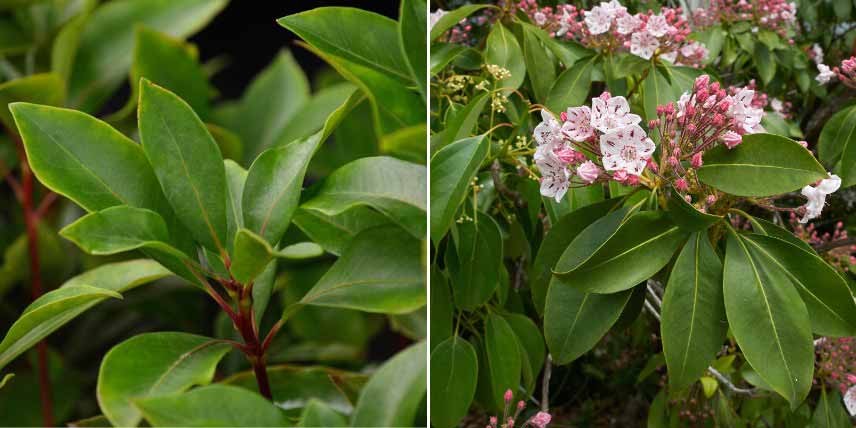
Detail of Kalmia latifolia leaves and flowers
Physocarpus opulifolius
The ninebark, Physocarpus opulifolius is a North American shrub ideal for creating a country-style hedge. Its foliage comes in a wide range of colours: golden yellow, light green, reddish-brown, almost black purple… The leaves measure 5 to 8 cm long and are beautifully cut into three lobes, giving them a true country charm. Perfectly hardy, it withstands temperatures of around –30 °C. It reaches heights of between 1 and 2 m, and even up to 3 m, depending on the varieties. It flowers in spring, producing white or slightly pink corymbs. Be aware that its foliage is deciduous: we recommend pairing it with evergreen shrubs to ensure your hedge remains dense throughout the seasons. The ninebark thrives in full sun or partial shade, in rich, loose, deep, and slightly acidic soil.
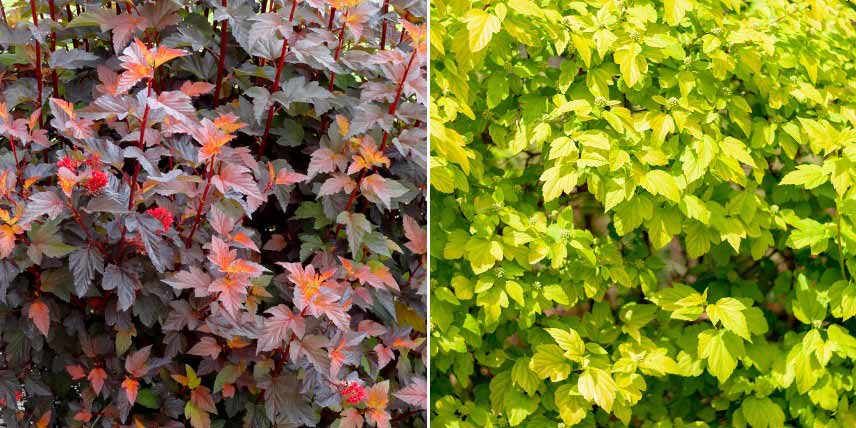
Physocarpus opulifolius ‘Diable d’Or Mindia’ and ‘Aurea’
Berberis thunbergii
With their thorns, berberis are perfect for creating a defensive hedge. There are many varieties, with foliage available in a wide range of colours! They thrive in full sun or partial shade, in any well-drained soil, even poor and chalky. Berberis thunbergii is the most well-known and the most cold-resistant (it can withstand temperatures as low as -35 °C once well established). Its foliage is deciduous. There are also evergreen berberis, such as B. darwinii or B. frikartii, but they are slightly less cold-resistant (up to -15 °C and -20 °C, respectively). Berberis can grow between 50 cm and 2 m tall depending on the variety. They form bushy, rounded shrubs with dense foliage. In spring, they produce clusters of small, bell-shaped yellow flowers, which may have orange hues.
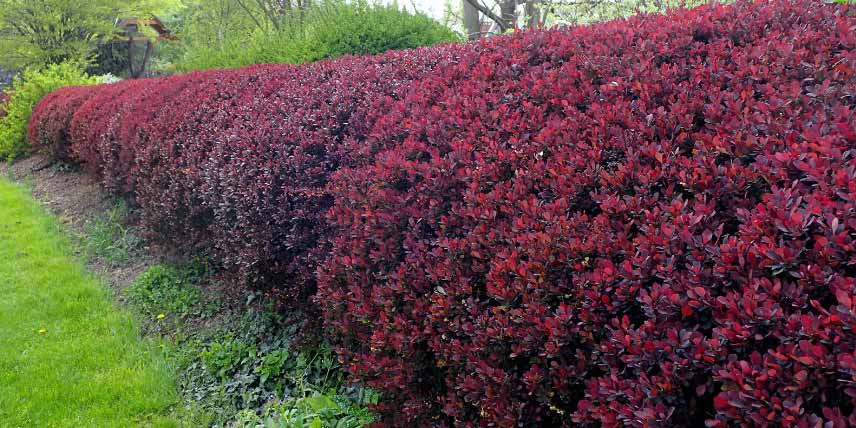
Berberis thunbergii ‘Atropurpurea’ (photo: Krzysztof Ziarnek)
The Alpine currant, Ribes alpinum
Originating from the Alps, the Caucasus, and Siberia, the Ribes alpinum is an alpine currant that forms a bushy, rounded shrub. Reaching about 1.30 m in all directions, it is ideal for creating a low hedge or for filling out a country hedge in combination with taller shrubs. It bears very attractive leaves divided into 3 to 5 dentate lobes. The spring flowering of male plants is quite decorative, featuring small light green-yellow flowers, while that of female plants is more discreet. However, the latter produce, once their flowers are pollinated, beautiful bright red fruits that are edible but lack particular flavour. The alpine currant is a fast-growing shrub that is not very demanding. It can thrive in both sun and shade, and prefers fresh to dry soil, even calcareous, as long as it is relatively rich and deep.
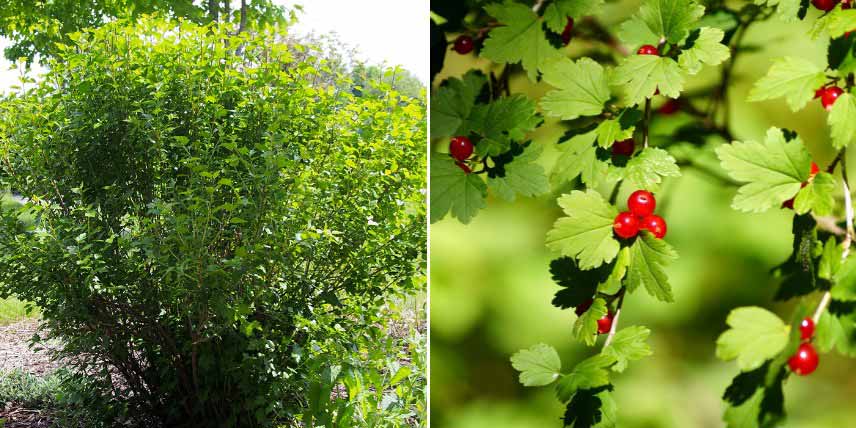
Ribes alpinum: overview (photo: F. D. Richards) and detail of foliage and berries
The hornbeam, Carpinus betulus
Hornbeam (Carpinus betulus) is a tree valued for its attractive ovate and dentate, light green foliage. It responds well to pruning, allowing for the creation of beautiful, dense, impenetrable hedges known as Charmilles. Like beech, its foliage is marcescent: it persists on the branches throughout winter, only shedding in spring. Easy to cultivate, it is also quite resistant to cold, tolerating temperatures down to -25 °C. It thrives in shade or non-scorching sun, prefers clay-limestone and humus-bearing soils, but can grow in any sufficiently deep and rather cool soil. To create a hornbeam hedge, maintain a planting distance of 70 cm to 1 m between each young plant. We recommend pruning them annually in September, and possibly a second time in June.
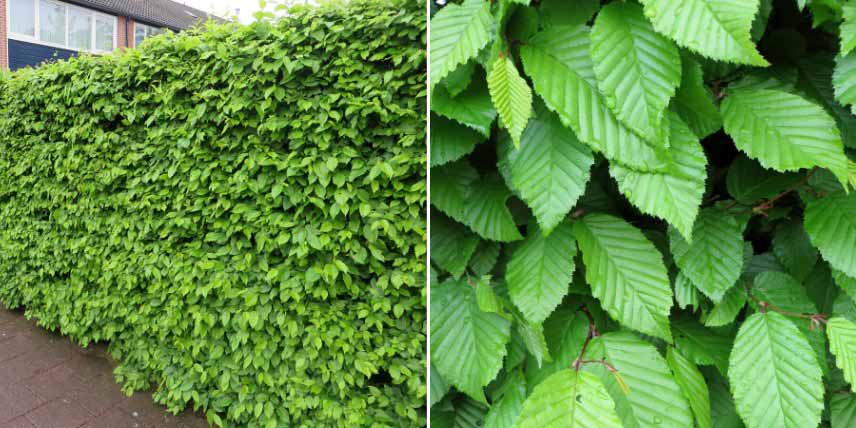
Hornbeam hedge and detail of the foliage
Willow
With their flexible and pliable branches, willows are wonderfully suited for basketry: thus, it is possible to weave their branches to create living willow hedges. Various species are particularly well-suited for this purpose: you can choose, for example, Salix triandra, Salix purpurea, or Salix viminalis. Perfectly resistant to cold, they are hardy down to -25 °C / -30 °C. They bear beautiful elongated, lanceolate, deciduous leaves. They thrive in cool to moist, rather heavy and clayey soils. Even without weaving their branches, they can also simply be included in the display of a free hedge, in association with other shrubs such as Physocarpus, dogwoods, and Ribes alpinum.
Discover our advice sheet: “How to plant and maintain a living willow hedge?”
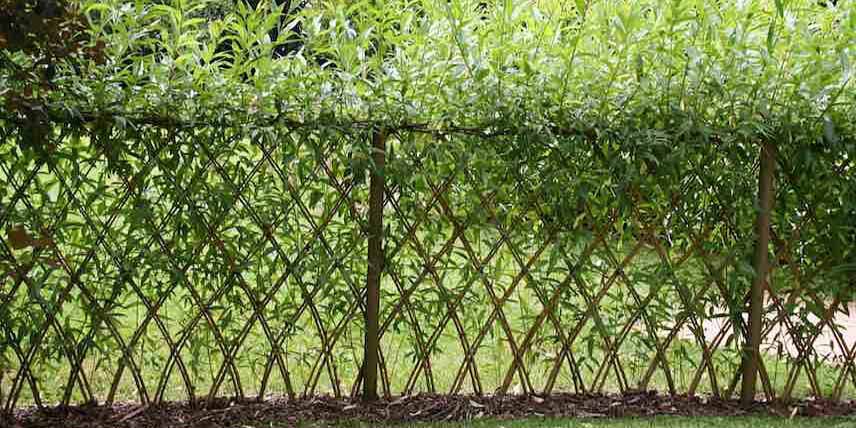
A woven willow hedge
Cotoneaster
Cotoneaster has the advantage of being both evergreen, low-maintenance, and perfectly hardy. To create a hedge, you might choose, for example, Cotoneaster franchetii or Cotoneaster lacteus, which are hardy down to -20 °C, even -25 °C. They reach 2 to 3 m in all directions at ripeness and bear arching branches made up of small, matte green leaves on top and fuzzy underneath, which are evergreen. They also produce lovely bright red berries in autumn, which are very decorative. While they are not edible, they are a delight for birds. Cotoneaster thrives in full sun or partial shade, in any type of soil, even calcareous or stony. However, it is important that the soil is well-drained as it dislikes waterlogged conditions in winter. We recommend maintaining a planting distance of 80 cm to 1 m between each young plant. Once established, it will require little maintenance and will only need annual pruning at the end of summer.
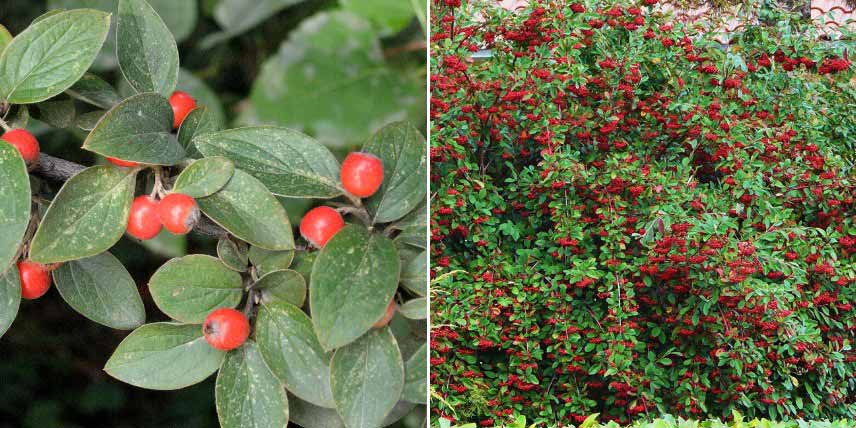
Cotoneaster franchetii and Cotoneaster lacteus (photos: A. Barra / Père Igor)
The dogwood
Cornel trees can be part of a free and rustic hedge. These shrubs are deciduous, but often provide very decorative branches in winter, as they are beautifully coloured. The white cornel, Cornus alba, withstands temperatures ranging from -25 °C to -30 °C. It forms a bushy shrub of 1.5 m to 2 m in all directions and bears bright red wood in winter. The Cornus sericea (C. stolonifera), on the other hand, is even hardier as it tolerates temperatures down to -35 °C. Notably, the variety ‘Flaviramea’ is appreciated for its yellow wood, as well as the variety ‘White Gold’, with leaves marginate in white, ideal for bringing brightness to shaded corners of the garden. Little demanding in terms of soil and exposure, cornel trees are easy to grow and maintain. They are perfect for creating a decorative free hedge in any season!
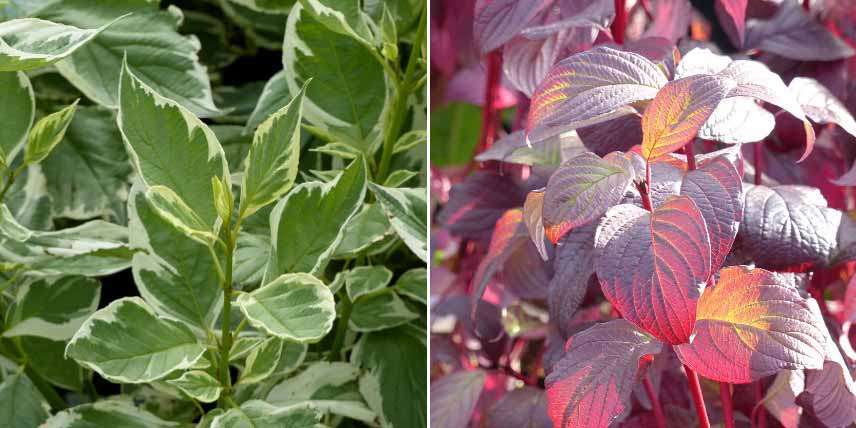
Cornus sericea ‘White Gold’ and Cornus alba ‘Siberian Pearls’
Thuja
The Thuja plicata is a well-known evergreen shrub for hedging. It is often used to create dense and uniform, single-species hedges. Its dark green foliage, made up of small imbricate scales, is highly valued. Hardy, it withstands temperatures ranging from -20 to -25 °C. It grows quickly and tolerates repeated pruning without any issues. Even hardier, the Thuja occidentalis (Canadian Arborvitae) can endure temperatures down to -30 °C and is also very suitable for creating a strict and uniform hedge. Once established, we recommend pruning your thujas once or twice a year, in April and August.
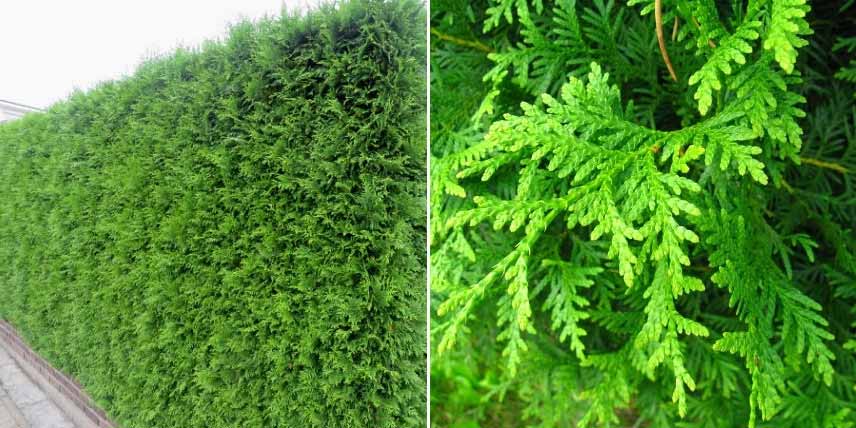
Thuja occidentalis ‘Brabant’
- Subscribe!
- Contents
Comments