





























Camellia sasanqua, pronounced "Ka-mel-ee-ah sah-sahn-kwah", is currently showcasing its late flowering... and enchanting fragrance in gardens. Also known as autumn camellia, it blooms continuously until December. However, to enjoy its long flowering and sweet scent right up to the gates of winter, here are 3 key points to know:
- For which region?
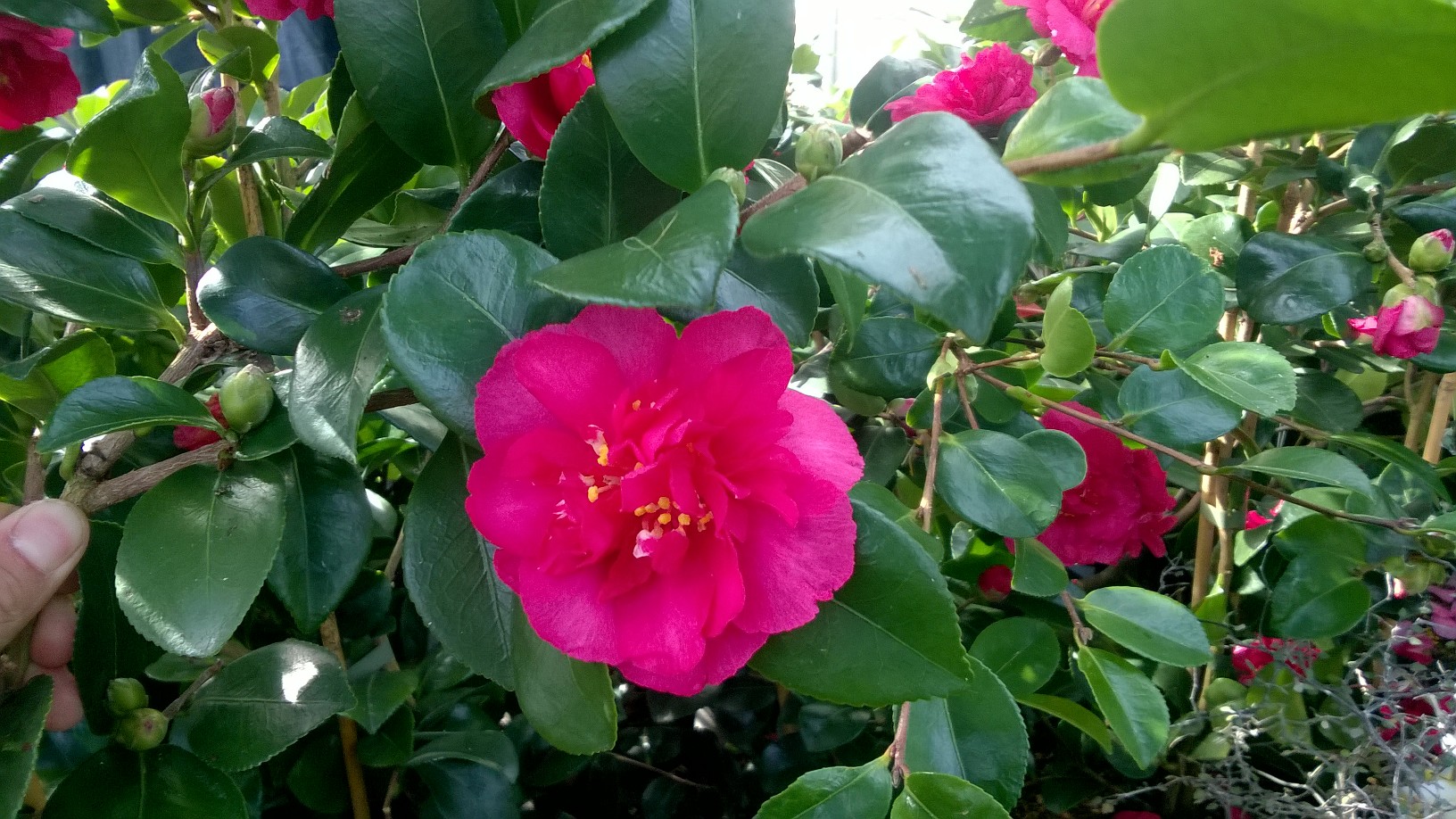
The autumn-flowering camellia performs better in a mild and temperate climate than in colder regions where its hardiness can sometimes be challenged, and its flowering destroyed by early frost. Its average hardiness ranges between -10°C and -15°C for short periods. Traditionally, autumn camellias are cultivated in Brittany, Normandy, and along the entire Atlantic coast. Elsewhere, cultivation is quite possible but requires a sheltered position protected from cold winds.
- For which soil?
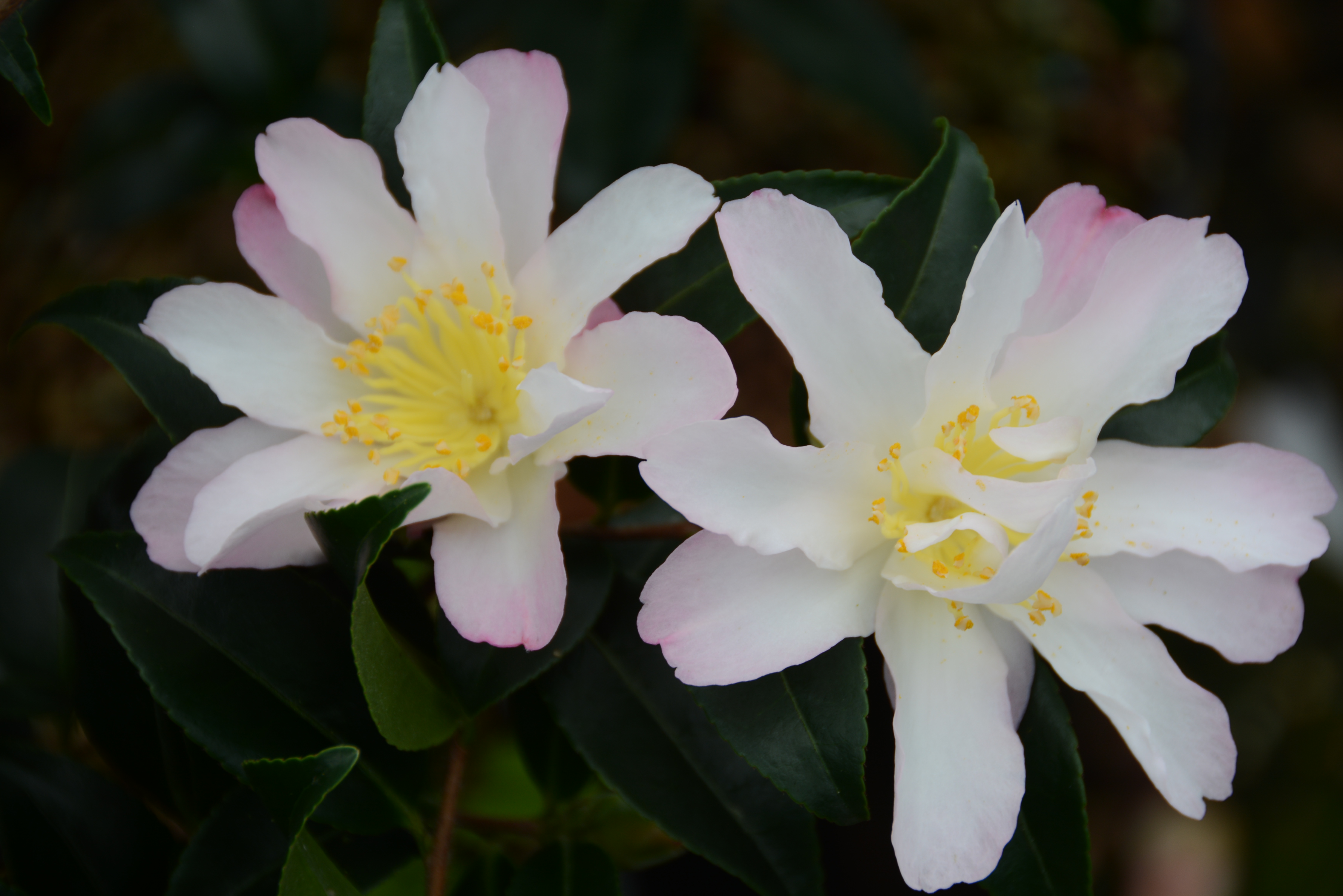
Like many so-called "heath" plants, Camellia sasanqua thrives in any good acidic and light soil. It requires a soil that is both rich and well-draining, never waterlogged in winter. Its thick, leathery foliage allows it to withstand short periods of drought; however, if it does not lack water in summer, its flower buds will form quickly, resulting in a more abundant flowering.
For which exposure?
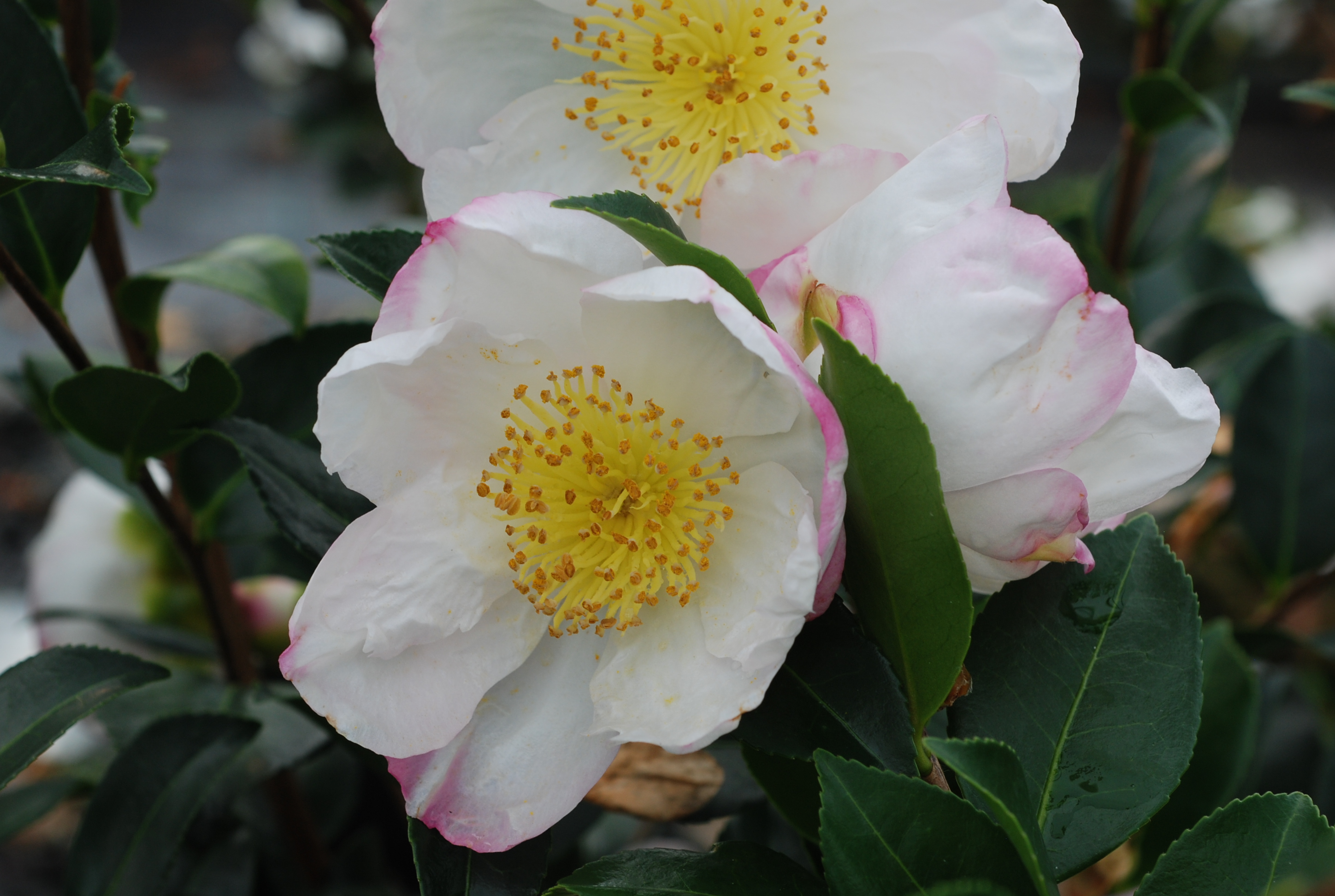
- Exposure is the cornerstone of successful cultivation. Camellias prefer protected spots, particularly from cold and prevailing winds. They also enjoy a partially shaded, bright, and warm exposure. Heat is essential for abundant flowering; the longer the heat lasts, the longer and more fragrant the flowering will be.
For those who lack the soil or climate to plant an autumn camellia, know that this slow-growing shrub grows very easily in pots; it would be a shame to miss out on such beautiful autumn blooms!

Comments