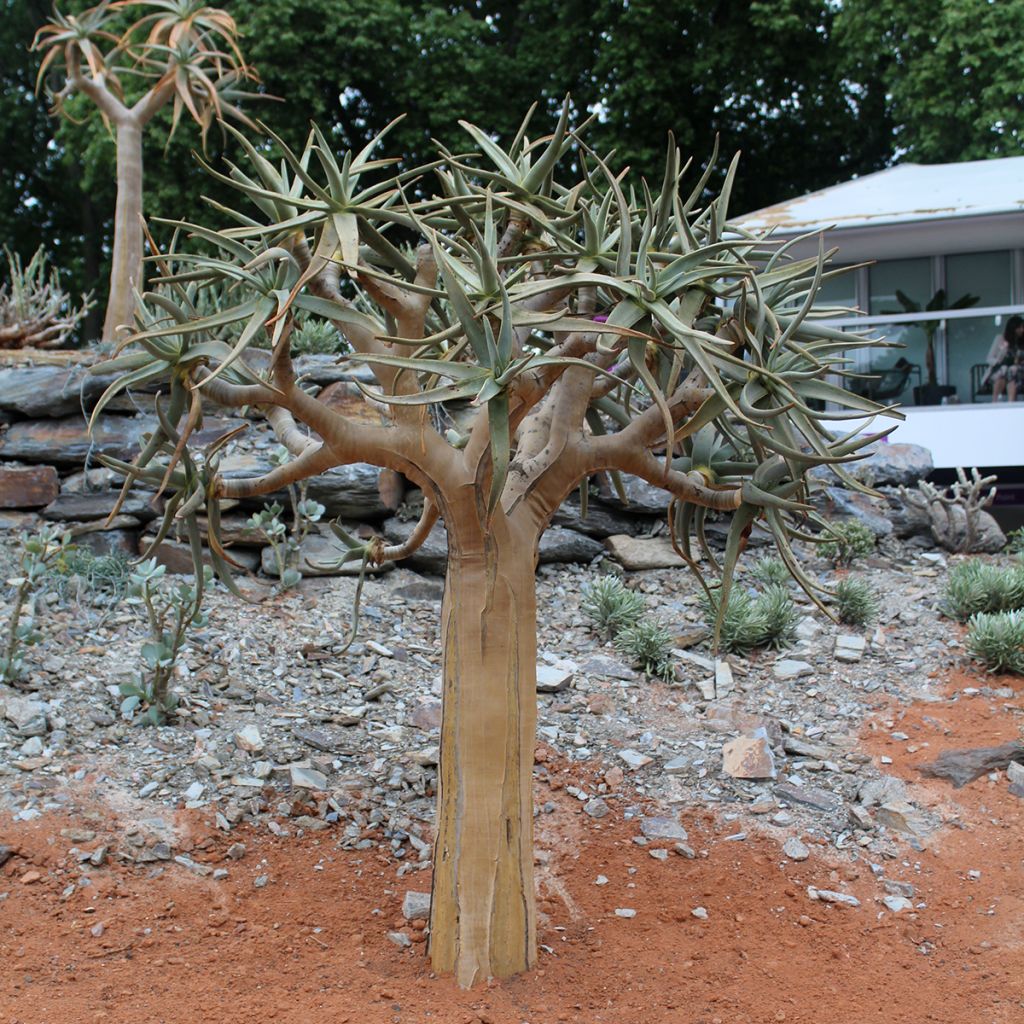
Aloe dichotoma - Quiver tree
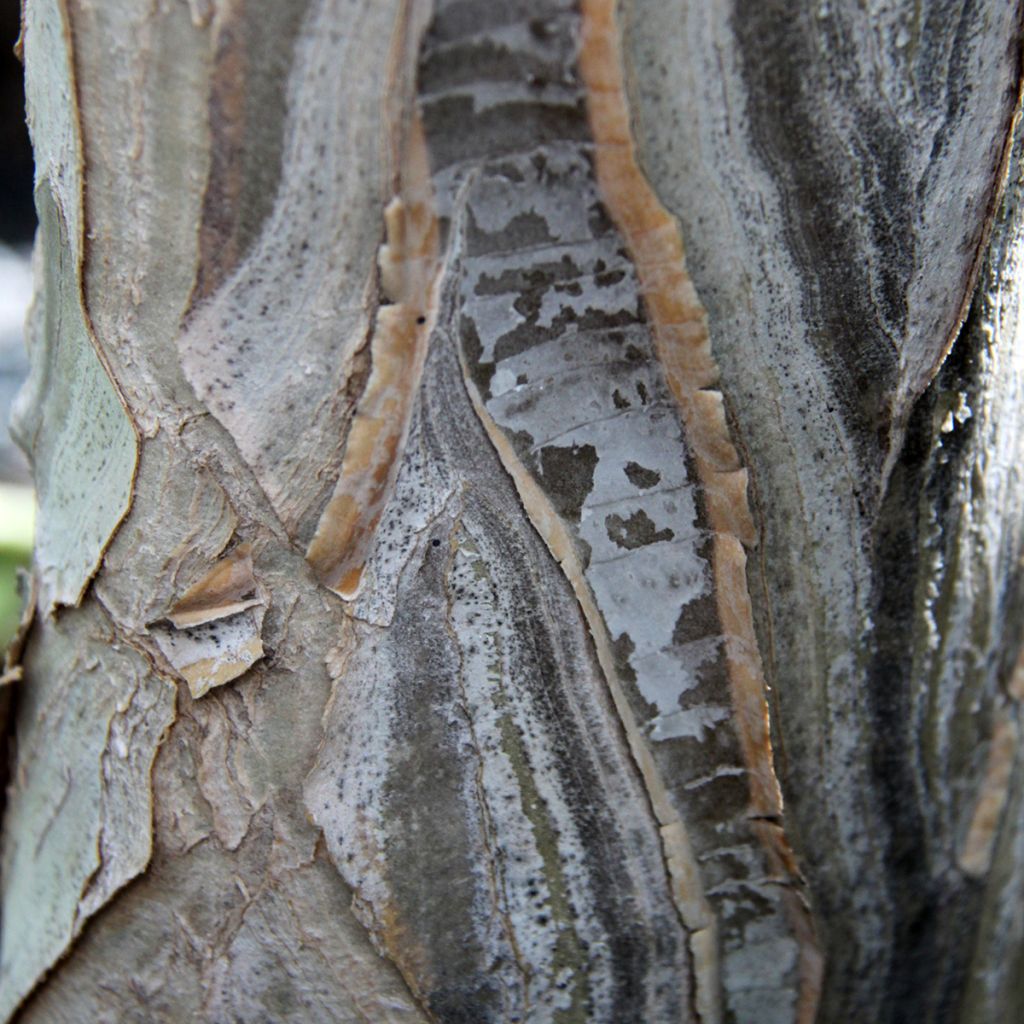
Aloe dichotoma - Quiver tree
Aloe dichotoma - Quiver tree
Aloe dichotoma
Quiver tree, kokerboom tree
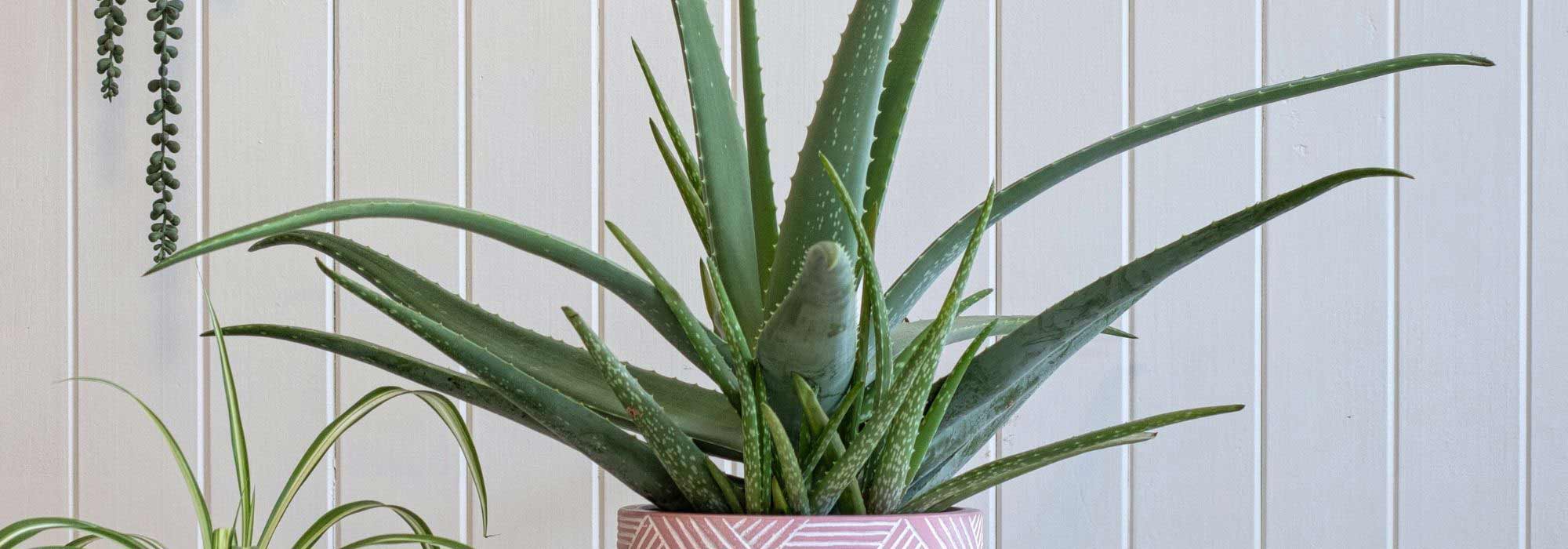
The plant was very well packaged, with care, and appears healthy. However, it is sold as an Aloe dichotoma, but I have serious doubts; to me, it is clearly an arborescent aloe and not a dichotoma.
Chtijey , 25/02/2026
Back-to-school special offer!
Get €10 off for every €50 you spend! And get up to €40 off on a single order.
How does it work?
1. Shop your favourites
Add your favourite plants to your basket. For every €50 you spend (excluding delivery charges, store credit and the plastic-free option), you’ll receive a €10 voucher.
€50 spent = €10 voucher
€100 spent = €20 voucher
€150 spent = €30 voucher
€200 spent = €40 voucher
2. Place your order
Once your basket reaches one of the spending thresholds, place your order. You can even choose your delivery date!
3. Receive your voucher
As soon as your order has been shipped, you’ll receive an email containing your personal voucher code and its value.
4. Use it on your next order
Your voucher is valid for 90 days from the date you receive it. It can be used once only, on a new order worth at least the value of the voucher, excluding delivery charges.
Please note: Vouchers can be combined with other offers, but cannot be split or refunded.
Why not try an alternative variety in stock?
View all →
Available in 1 sizes
Available in 1 sizes
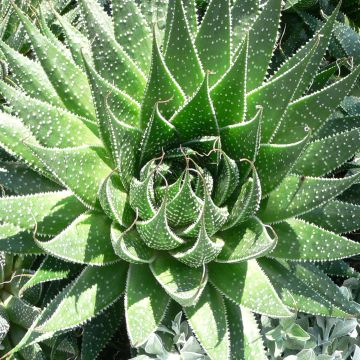
Available in 2 sizes
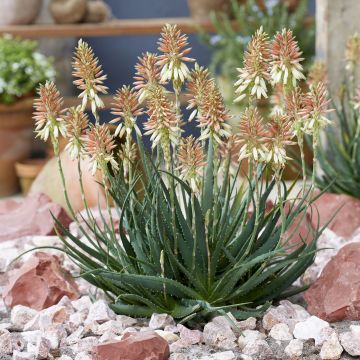
Available in 2 sizes
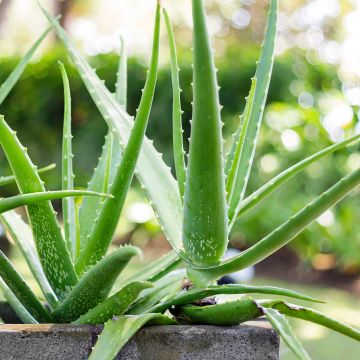
Available in 3 sizes
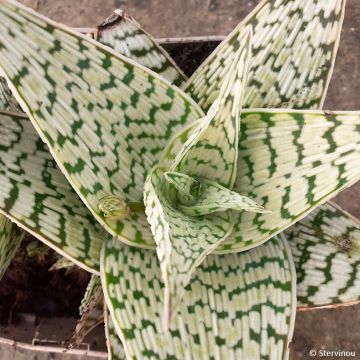
Available in 1 sizes
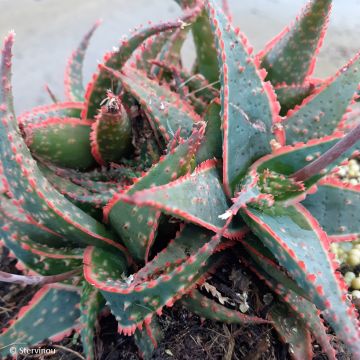
Available in 1 sizes
Available in 1 sizes
Available in 1 sizes
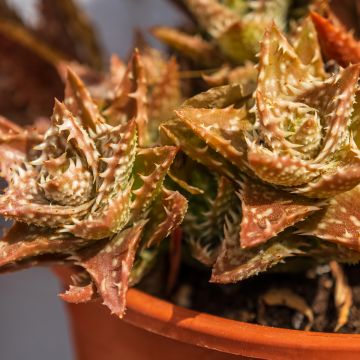
Available in 1 sizes
This plant carries a 12 months recovery warranty
More information
We guarantee the quality of our plants for a full growing cycle, and will replace at our expense any plant that fails to recover under normal climatic and planting conditions.

Would this plant suit my garden?
Set up your Plantfit profile →
Description
Aloe dichotoma (now named Aloidendron dichotomum), the Quiver Tree or False Dragon Tree, is a large, tree-like succulent plant emblematic of the desert landscapes of southern Africa. Its massive trunk, rounded crown of forked branches and rosettes of blue-green leaves create a plant of great character for dry Mediterranean gardens and large rockeries. Upright inflorescences covered in yellow flowers illuminate the plant in late winter. In cooler climates, the Quiver Tree makes a beautiful specimen for a pot or container, to be placed on a very sunny terrace and overwintered in a bright, frost-free conservatory.
This species belongs to the Asphodelaceae family. The currently accepted botanical name is Aloidendron dichotomum, with the main synonyms being Aloe dichotoma, Rhipidodendrum dichotomum, Aloe dichotoma var. montana or Aloe montana. It is native to a vast arid zone stretching from north-western South Africa to southern Namibia, where it colonises rocky slopes, granite hills and very sunny sandy plains at altitudes between 300 and 1200 m. It is a perennial plant that can live for 200 to 300 years. Accustomed to extreme conditions of heat, drought and sunlight, it has developed a set of adaptations: succulent stems, extensive shallow roots and pale bark that reflects heat.
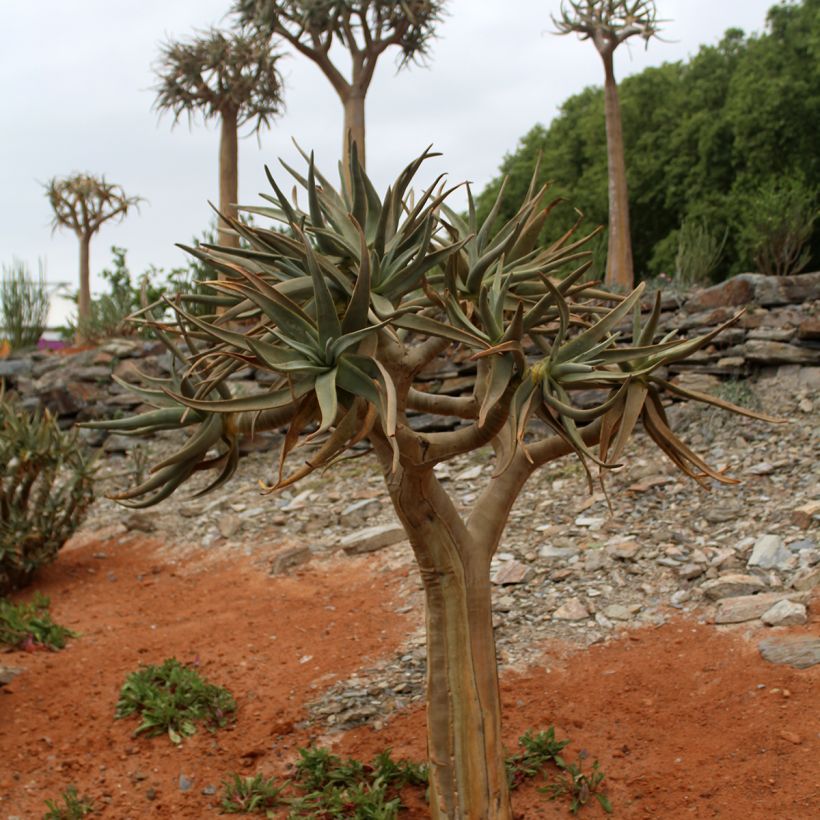
With slow to moderate growth, this aloe reaches 7 to 9 m in height in the wild, sometimes more, with a single trunk that can exceed 50 cm in diameter. Specimens cultivated in pots remain between 1.50 m and 3 m tall after many years. At 10 years old, under good growing conditions, one can aim for 2 to 3 m in the ground, and 1.50 to 2 m in a large container. The plant first develops an unbranched trunk which later divides; the crown forms a rounded canopy of thick, smooth branches, covered with a whitish bloom. The bark of the trunk peels off in rigid, yellow to golden brown plates with sharp edges.
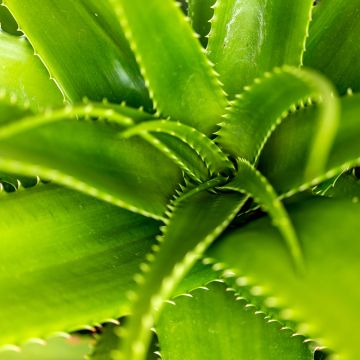
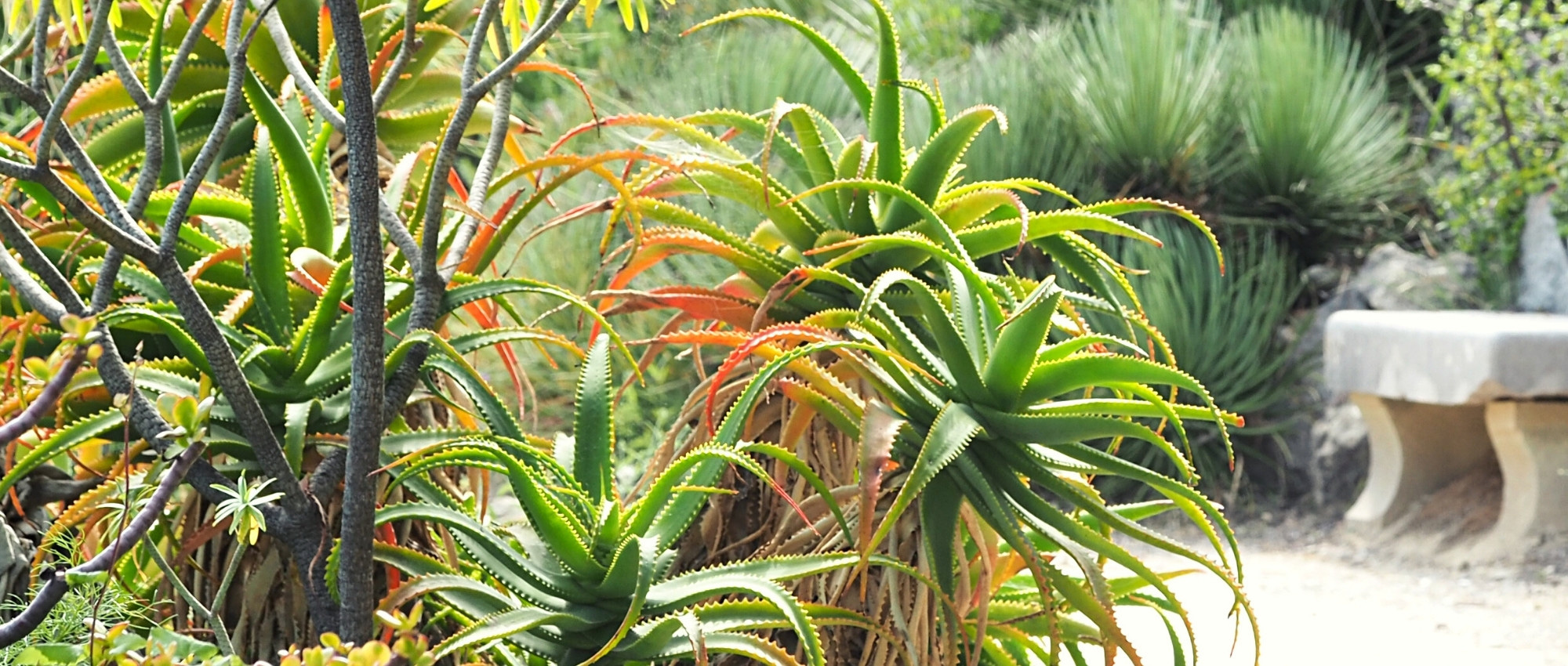
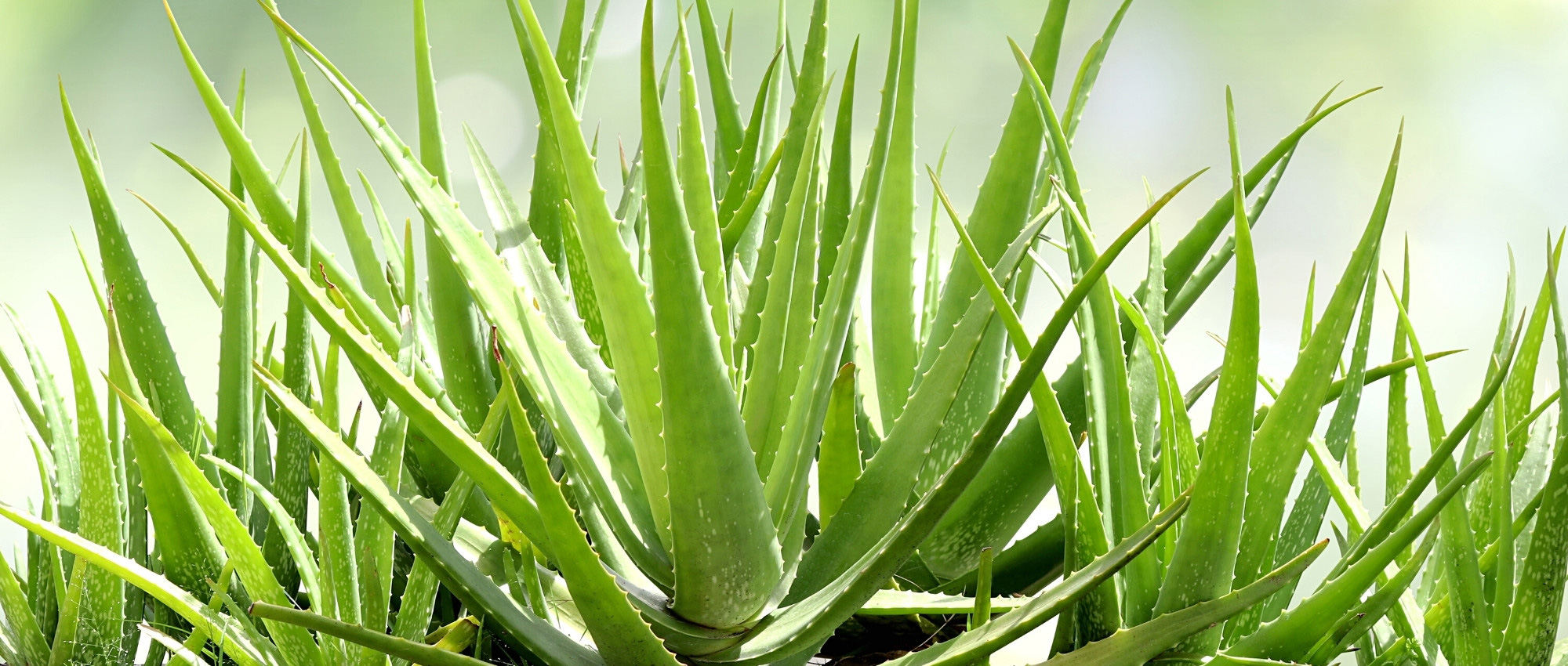
The foliage is evergreen in winter, formed of succulent leaves arranged in terminal rosettes at the ends of the branches, 20 to 30 cm long, triangular, rigid, of a glaucous blue-green, edged with fine rigid teeth. The leaves of young plants are arranged in almost vertical lines before forming true rosettes.
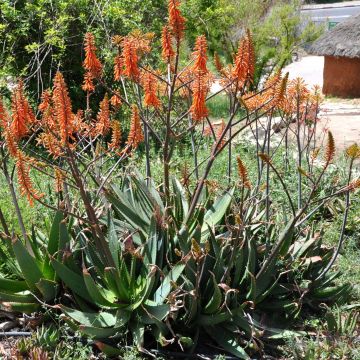
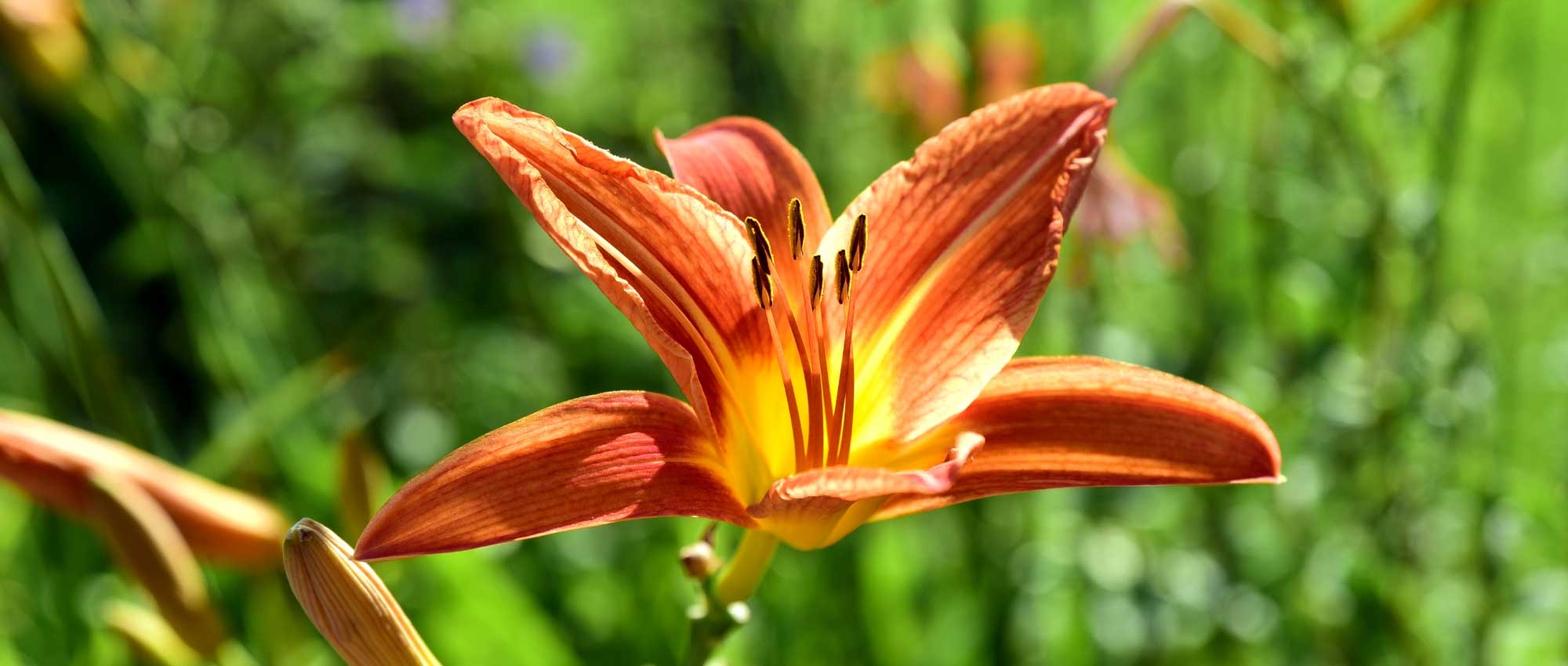
The plant begins to flower at the age of 20 or 30 years, if conditions are right. The inflorescences appear in winter in its native range, which corresponds to late winter or early spring in our latitudes, depending on temperature and light. In a heated greenhouse or very bright conservatory, flowering occurs between February and April. Outdoors, in very mild regions (Mediterranean coast, areas without marked frost), it can also be observed in February-March, sometimes a little later if the winter has been cold. These are branched panicles that can reach 30 cm in height, bearing several dense racemes (or "clusters") of bright yellow to golden yellow, nectar-rich, tubular flowers. The fruits are dry capsules containing numerous winged seeds, dispersed by the wind. The root system is shallow, spreading and relatively dense, with fleshy roots that exploit rare and brief rains over a wide area rather than in depth. Aloidendron dichotomum is hardy to around -5 to -6 °C in dry, well-drained conditions, with possible damage from -2 to -3 °C if moisture is present.
In traditional culture, the San people used the hollow, light branches of the Quiver Tree to make quivers for carrying arrows, which gave the plant its vernacular name. The bitter sap has been used occasionally in folk medicine, but it is considered toxic and is not used for self-medication.
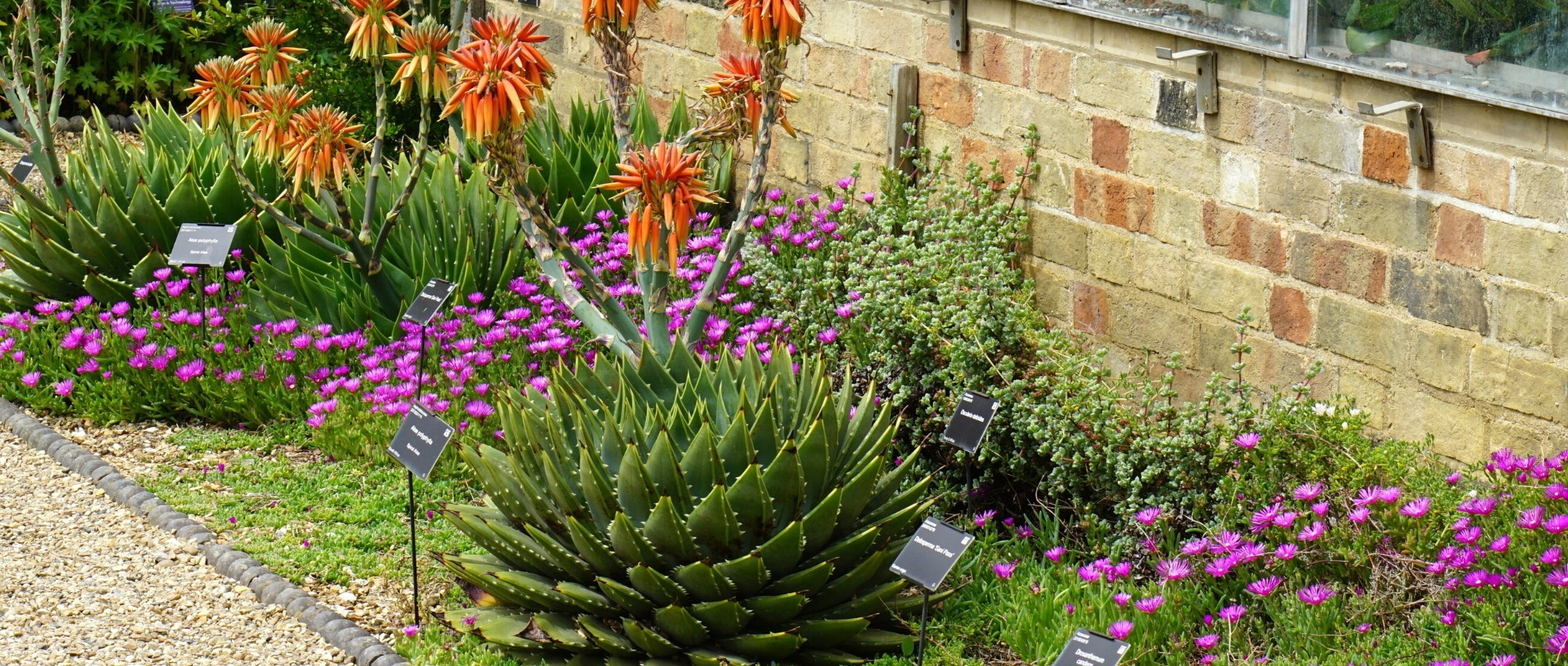
In a garden in a mild climate, Aloe dichotoma can be used as a specimen plant on a stony slope or in a large south-facing rockery, in very well-draining, dry to very dry soil. Plant it near rocks or walls that reflect heat and protect it from cold winds.
In a pot or container, choose a deep, heavy container filled with a gravelly substrate for cacti and give it a location flooded with sun.
Combine it with other succulents adapted to dryness and heat like Agave americana ‘Mediopicta Alba’, Yucca rostrata, Dasylirion wheeleri or large hardy Opuntia. It can also be paired with lower-growing aloes like Aloe arborescens, Aloe striatula or with drought-resistant African euphorbias, to create a coherent display.
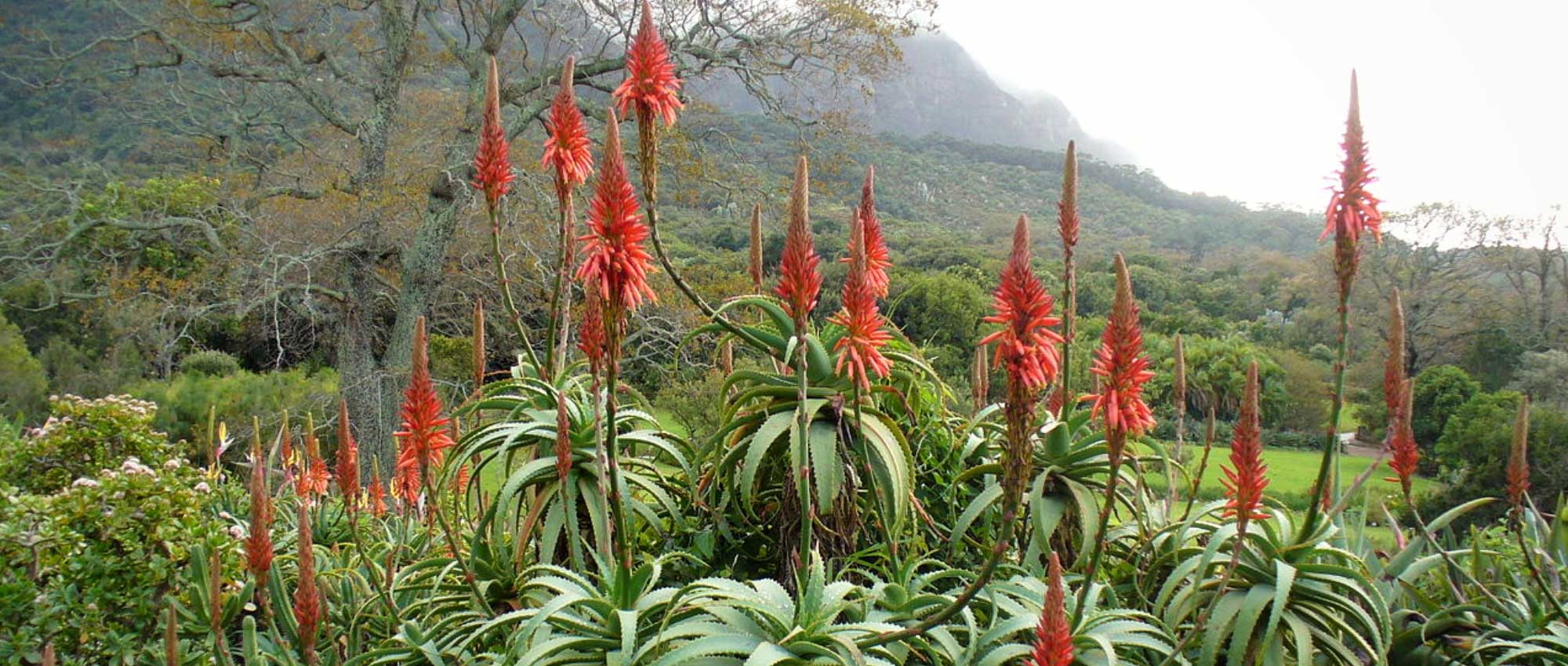
Aloe dichotoma - Quiver tree in pictures
Flowering
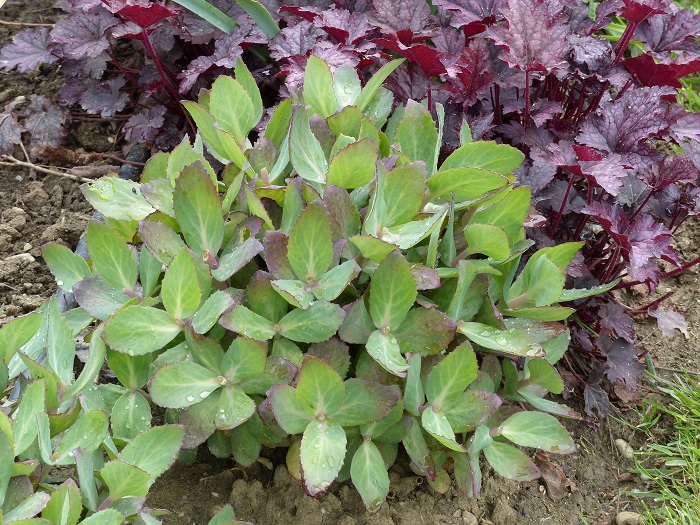
Foliage
Plant habit
Botanical data
Aloe
dichotoma
Asphodelaceae
Quiver tree, kokerboom tree
Aloidendron dichotomum
West Africa, South Africa
Planting and care
Like all succulent plants, aloes thrive in full sun and very well-drained soil, even poor and dry. Aloe dichotoma will do well in a stony soil, composed of a good proportion of coarse sand, gravel or pumice mixed with garden soil and a little well-rotted leaf mould. A porous soil, low in organic matter, and very free-draining. It tolerates long, hot, dry Mediterranean summers perfectly, but also acclimatises in mild oceanic regions, in well-rained soil. Its hardiness in winter depends greatly on the dryness of the soil. It can withstand temperatures down to -5/-6°C in dry soil. When this aloe is grown in a pot, it should be moved in winter to a very bright room, with little or no heating, and watered sparingly.
Planting period
Intended location
Care
Planting & care advice
-

-
-
-
-
-
-
-
-
, onOrder confirmed
Reply from on Promesse de fleurs
Recently viewed products
Haven't found what you were looking for?
Hardiness is the lowest winter temperature a plant can endure without suffering serious damage or even dying. However, hardiness is affected by location (a sheltered area, such as a patio), protection (winter cover) and soil type (hardiness is improved by well-drained soil).

The flowering period indicated on our website applies to countries and regions located in USDA zone 8 (France, the United Kingdom, Ireland, the Netherlands, etc.)
It will vary according to where you live:- In zones 9 to 10 (Italy, Spain, Greece, etc.), flowering will occur about 2 to 4 weeks earlier.
- In zones 6 to 7 (Germany, Poland, Slovenia, and lower mountainous regions), flowering will be delayed by 2 to 3 weeks.
- In zone 5 (Central Europe, Scandinavia), blooming will be delayed by 3 to 5 weeks.
In temperate climates, pruning of spring-flowering shrubs (forsythia, spireas, etc.) should be done just after flowering.
Pruning of summer-flowering shrubs (Indian Lilac, Perovskia, etc.) can be done in winter or spring.
In cold regions as well as with frost-sensitive plants, avoid pruning too early when severe frosts may still occur.
The planting period indicated on our website applies to countries and regions located in USDA zone 8 (France, United Kingdom, Ireland, Netherlands).
It will vary according to where you live:
- In Mediterranean zones (Marseille, Madrid, Milan, etc.), autumn and winter are the best planting periods.
- In continental zones (Strasbourg, Munich, Vienna, etc.), delay planting by 2 to 3 weeks in spring and bring it forward by 2 to 4 weeks in autumn.
- In mountainous regions (the Alps, Pyrenees, Carpathians, etc.), it is best to plant in late spring (May-June) or late summer (August-September).
The harvesting period indicated on our website applies to countries and regions in USDA zone 8 (France, England, Ireland, the Netherlands).
In colder areas (Scandinavia, Poland, Austria...) fruit and vegetable harvests are likely to be delayed by 3-4 weeks.
In warmer areas (Italy, Spain, Greece, etc.), harvesting will probably take place earlier, depending on weather conditions.
The sowing periods indicated on our website apply to countries and regions within USDA Zone 8 (France, UK, Ireland, Netherlands).
In colder areas (Scandinavia, Poland, Austria...), delay any outdoor sowing by 3-4 weeks, or sow under glass.
In warmer climes (Italy, Spain, Greece, etc.), bring outdoor sowing forward by a few weeks.
Shipping country and language
Your country of residence may be:
Your country of residence is:
For a better user experience on our website, you can select:
Your shipping country:
-
 Austria
-
 Belgium
-
 Bosnia & Herzegovina
-
 Bulgaria
-
 Croatia
-
 Cyprus
-
 Czechia
-
 Denmark
-
 Estonia
-
 Finland
-
 France
-
 Germany
-
 Greece
-
 Hungary
-
 Iceland
-
 Ireland
-
 Italy
Italy
-
 Latvia
-
 Liechtenstein
-
 Lithuania
-
 Luxembourg
-
 Malta
Malta
-
 Netherlands
-
 Poland
-
 Portugal
-
 Romania
-
 Serbia
-
 Slovakia
-
 Slovenia
-
 Spain
Spain
-
 Sweden
-
 Switzerland
Language:
-
French
-
 English
-
Spanish
-
Italian
-
German
-
Portuguese
-
Dutch
-
Finnish
My Account
Hello
My wish lists
My cart
Log in / Register
Existing customer?
This form is protected by reCAPTCHA - the Google Privacy Policy and Terms of Service apply.
New customer?
Create an account to track your orders, access our customer service and, if you wish, make the most of our upcoming offers.