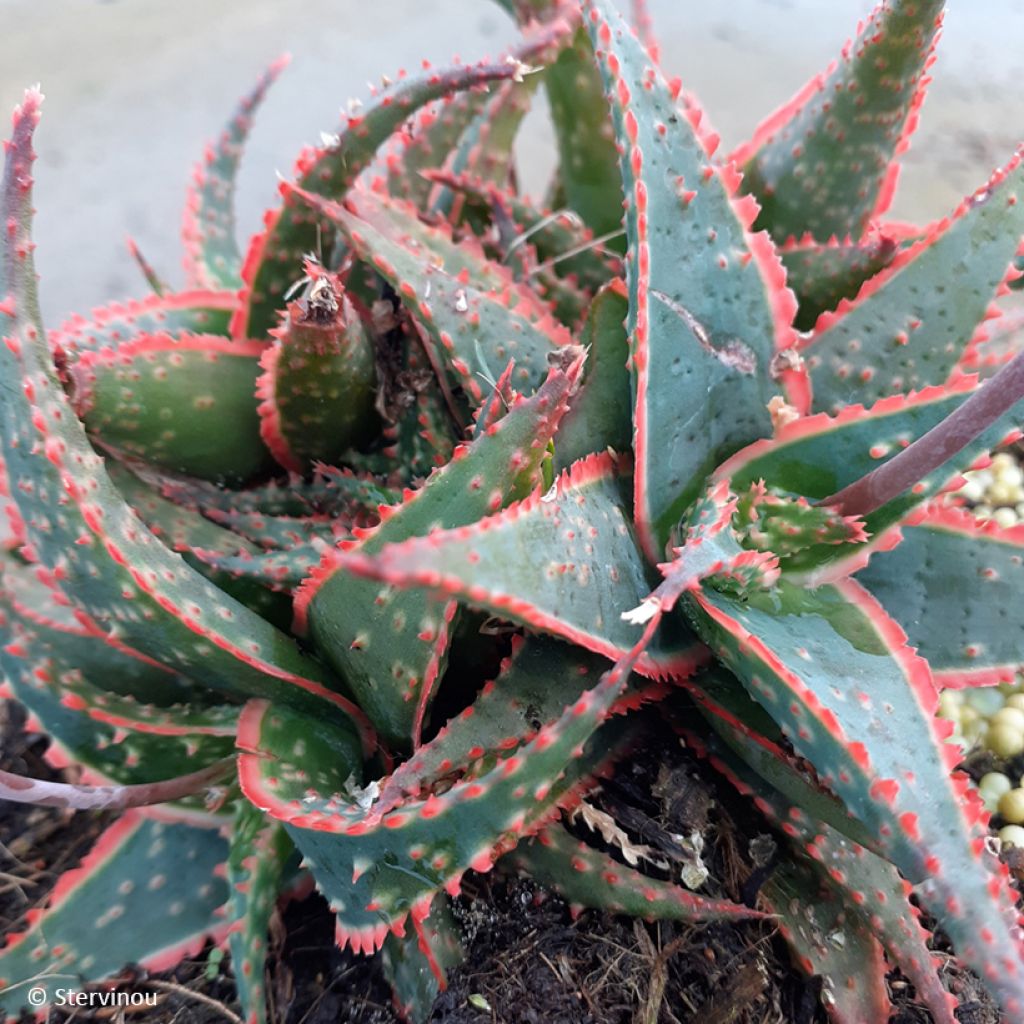
Aloe Christmas Carol
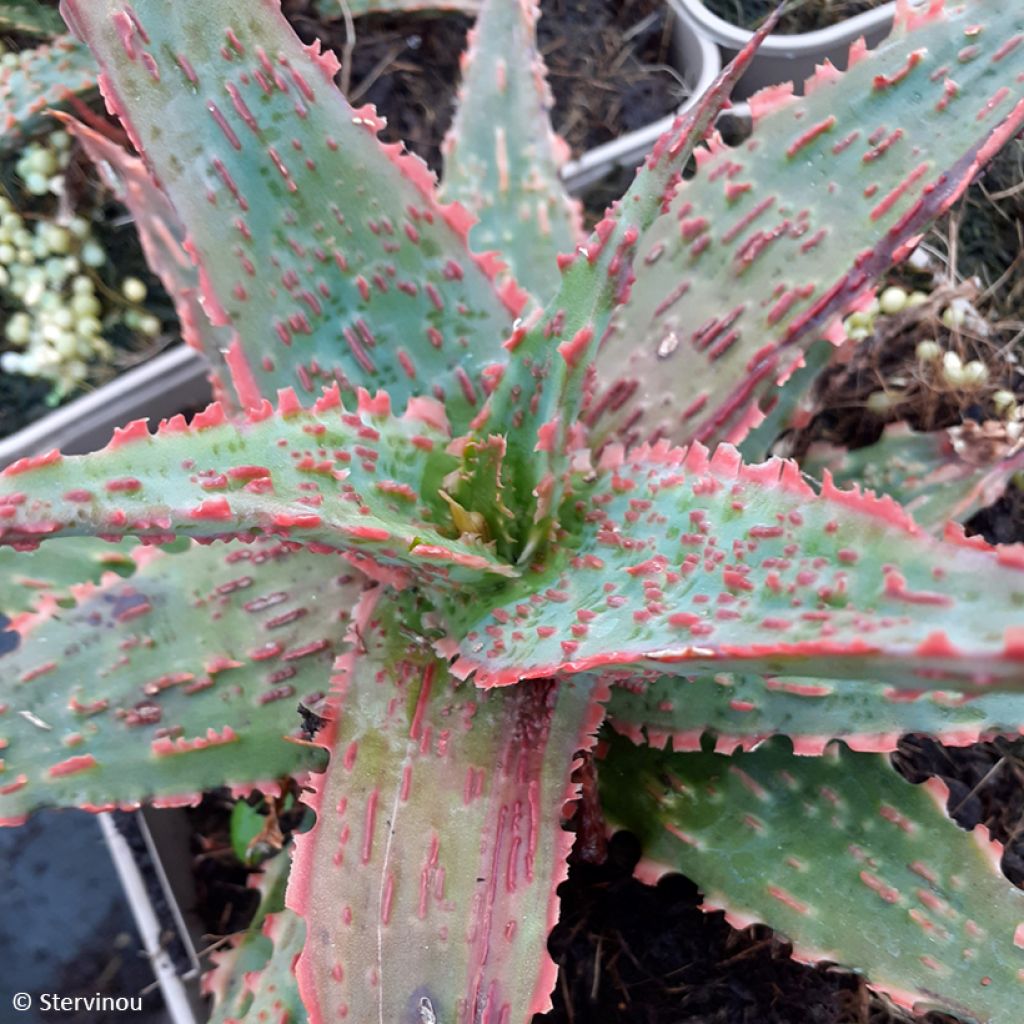
Aloe Christmas Carol
Aloe Christmas Carol
Aloe x Christmas Carol
The plant arrived in perfect condition. It is generous with rosettes. We are watching its development and looking forward to the flowering.
pierre, 24/03/2026
Back-to-school special offer!
Get €10 off for every €50 you spend! And get up to €40 off on a single order.
How does it work?
1. Shop your favourites
Add your favourite plants to your basket. For every €50 you spend (excluding delivery charges, store credit and the plastic-free option), you’ll receive a €10 voucher.
€50 spent = €10 voucher
€100 spent = €20 voucher
€150 spent = €30 voucher
€200 spent = €40 voucher
2. Place your order
Once your basket reaches one of the spending thresholds, place your order. You can even choose your delivery date!
3. Receive your voucher
As soon as your order has been shipped, you’ll receive an email containing your personal voucher code and its value.
4. Use it on your next order
Your voucher is valid for 90 days from the date you receive it. It can be used once only, on a new order worth at least the value of the voucher, excluding delivery charges.
Please note: Vouchers can be combined with other offers, but cannot be split or refunded.
Home or relay delivery (depending on size and destination)
Important: You may be charged customs duties by your country’s customs authorities upon delivery.
Schedule delivery date
and select date in basket
This plant carries a 12 months recovery warranty
More information
We guarantee the quality of our plants for a full growing cycle, and will replace at our expense any plant that fails to recover under normal climatic and planting conditions.

Would this plant suit my garden?
Set up your Plantfit profile →
Description
Aloe 'Christmas Carol' surprises and charms with its dark star-shaped silhouette, enhanced by vibrant colours. This succulent plant forms a low rosette consisting of long, stretched triangular leaves. Their dark green hue starkly contrasts with a red margin and a number of small bumps that punctuate its surface in yellow, orange, or purple depending on sun exposure. The plant also produces a graceful flowering made up of small tubular flowers, in red or orange, hovering above the rosette at the end of a slender floral stem. Compact, it is easily grown in a pot to protect it in winter, only plant it in the ground in areas where frost is nearly absent.
The Aloe genus has been successively classified in different plant families to now be part of the Asphodelaceae family, which includes around fifteen other genera (according to classifications), some very ornamental, such as Kniphofia (Tritoma) with its superb bright inflorescences, or the famous New Zealand Flax (Phormium), highly appreciated for its decorative ribbon-like leaves. There are over 500 species of Aloe mainly native to Africa and Madagascar, encompassing creeping plants or more rarely, tree-like ones like Aloe bainesii.
Aloe 'Christmas Carol' is a horticultural hybrid obtained by Kelly Griffin, an expert in Agave and related plants, whose exact parentage is unknown (one of the parents could be the Aloe 'Dorian Black'). This rather slow-growing variety develops in the form of a rosette which, at maturity, reaches about 30 cm in all directions, while sprouting from the base to extend and form a low clump. Its somewhat strange appearance may remind you of certain starfish found in tropical waters. This Aloe unfurls long leaves which are widest at the base, at the point of insertion into the rosette, and then gradually taper to a point at the tip, forming a very elongated triangle. These fleshy leaves tend to curve downwards or upwards, even laterally. Their colour fluctuates depending on the amount of sunlight they receive. Generally a bright to dark green, they are edged with irregular protrusions, in the form of single or double thorns, often in a crimson red which starkly contrasts with the surface. This surface is covered in numerous bumps whose colour varies between yellow, orange, or purple, completing the plant's uniqueness.
The plant flowers in summer and often in autumn depending on the climate. A slender floral stem rises from the rosette, grey-green in colour, simple or sometimes even branched, supporting from ten to over twenty flowers. They are tubular, 2.5 to 3 cm long, consisting of fused sepals that only open at the tip and come in various colours, ranging from salmon pink to lighter or intense red. Separated from the stem by a slender petiole, the flowers possess a certain grace and provide an additional colourful touch to the plant.
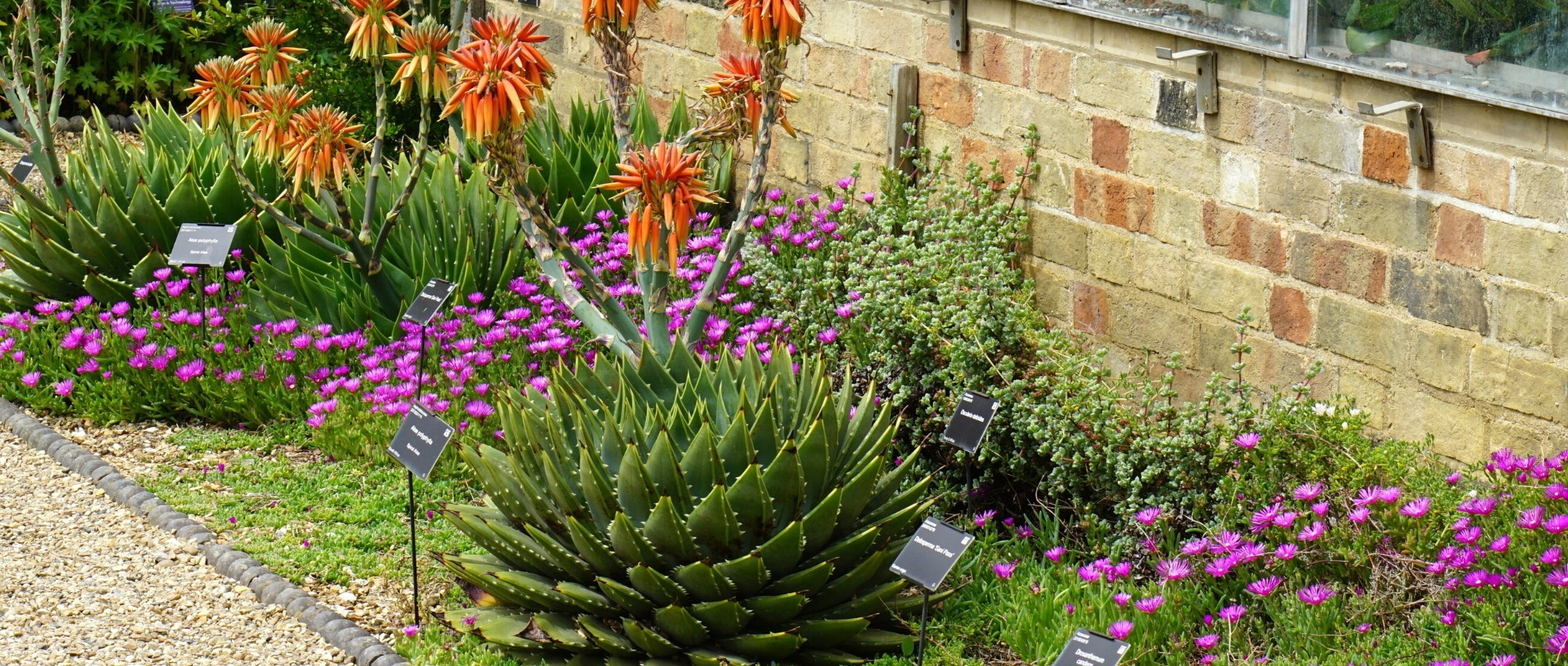
A superb compact Aloe well suited for pot cultivation, 'Christmas Carol' intrigues and attracts with its original appearance. It will adorn balconies and terraces in the summer and can then be enjoyed indoors in winter, in a frost-free, bright room or conservatory. If you live in an area where frost is brief and light (-1°C to -2°C), you can integrate it into a sunny rockery to create a scene where rocks and plants coexist harmoniously. Plant it alongside other distinctive plants such as the famous Mother-in-Law's Cushion (Echinocactus grusonii), a spherical cactus covered in decorative spines, or the sculptural Agave victoriae reginae, with a rosette of rare geometric perfection made up of green leaves subtly edged in white. Cover the ground with a variety of Delosperma, low-growing succulents with generous and long-lasting flowering, and place some taller plants to add depth to your scene. A Yucca rostrata 'Sapphire Skies' with foliage even bluer than the species will form a strikingly architectural ball of vegetation after a few years in the ground, gradually rising over time.
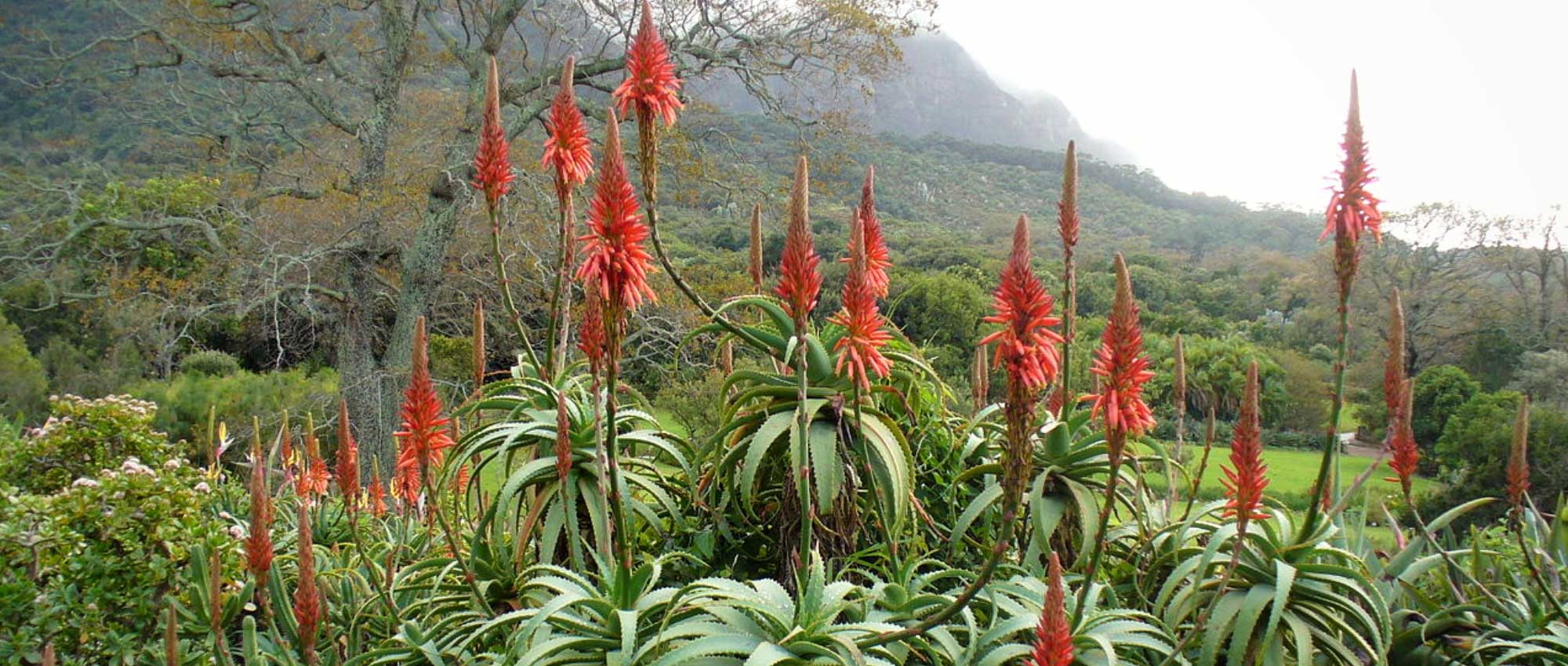
Aloe Christmas Carol in pictures

Flowering
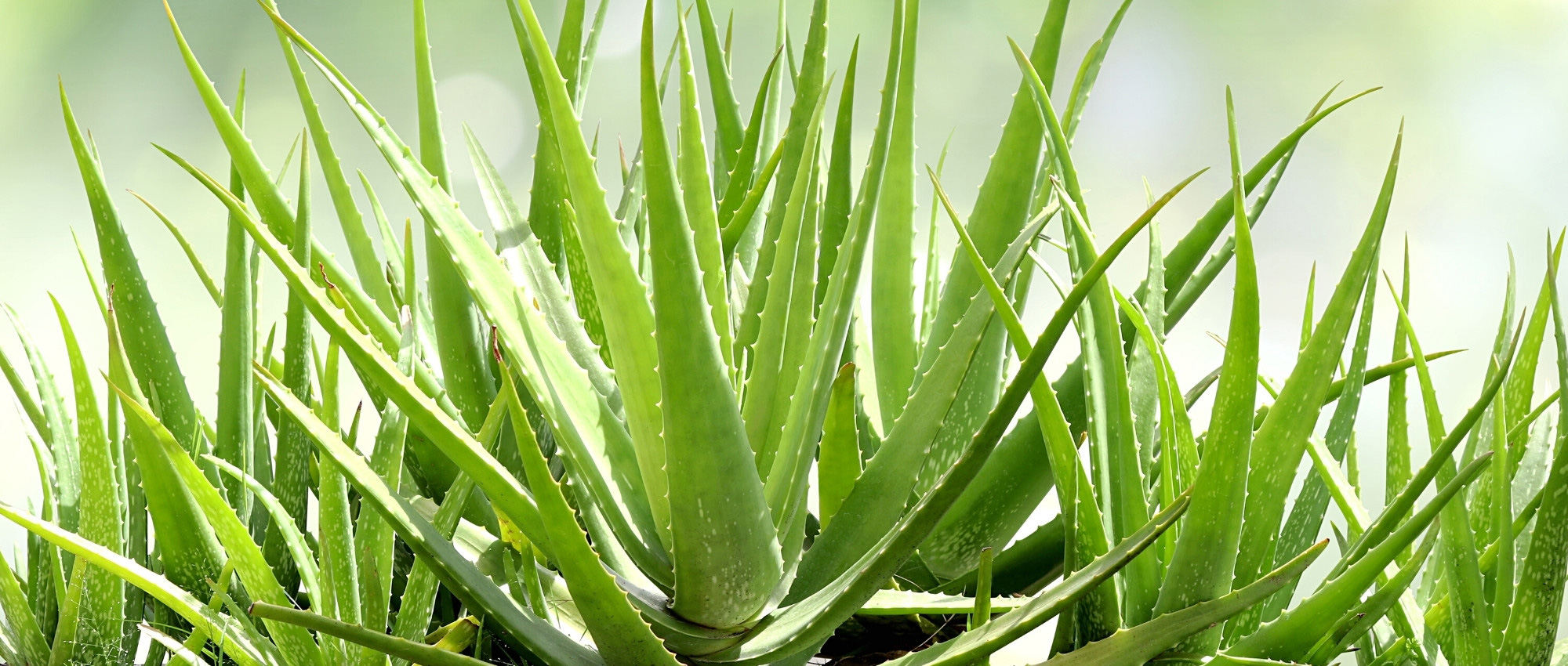
Foliage
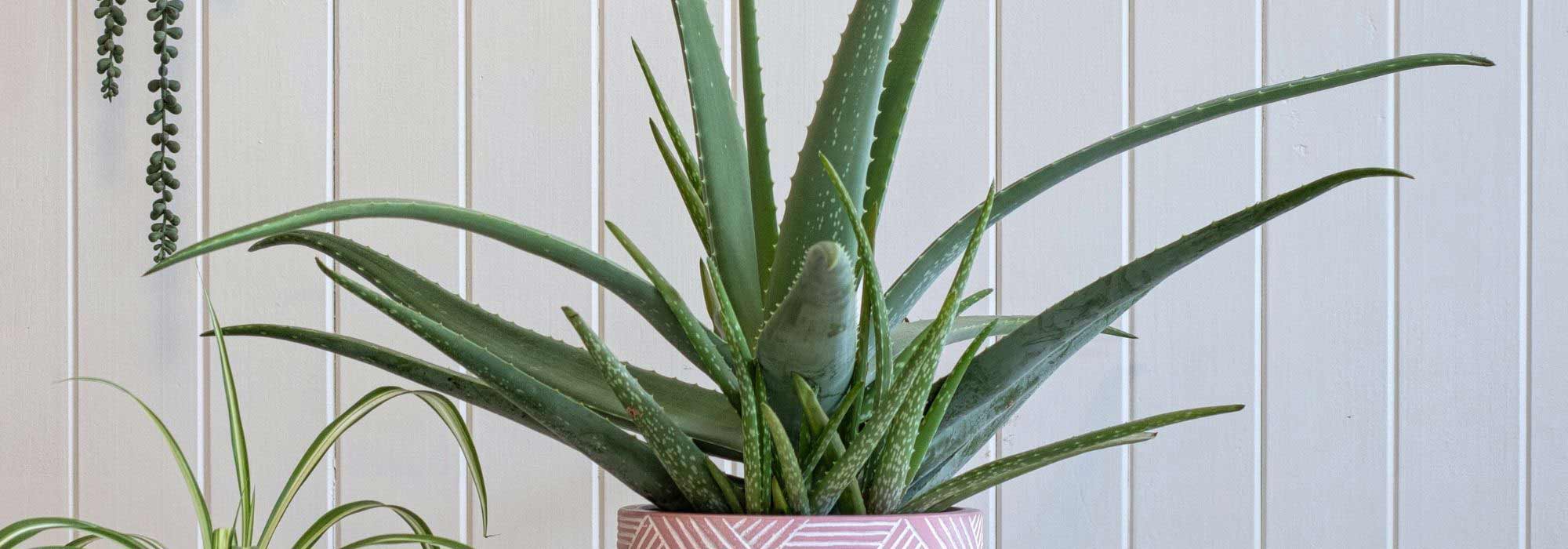
Plant habit
Botanical data
Aloe
x
Christmas Carol
Asphodelaceae
Cultivar or hybrid
Planting and care
Like all "succulent" plants, aloes thrive in bright sunlight and very well-drained, even poor and dry soil. Aloe 'Christmas Carol' will thrive in very gravelly soil, composed mainly of coarse sand mixed with garden soil and a bit of very decomposed leaf compost. A light, non-clayey soil, low in organic matter, highly filtering, even limestone, will suit it. As it is frost-sensitive, it can only be planted in the ground in the mildest areas. Elsewhere, it should be grown in a pot and stored in a very bright, lightly or unheated room during winter, and kept dry.
Planting period
Intended location
Care
Planting & care advice
-

-
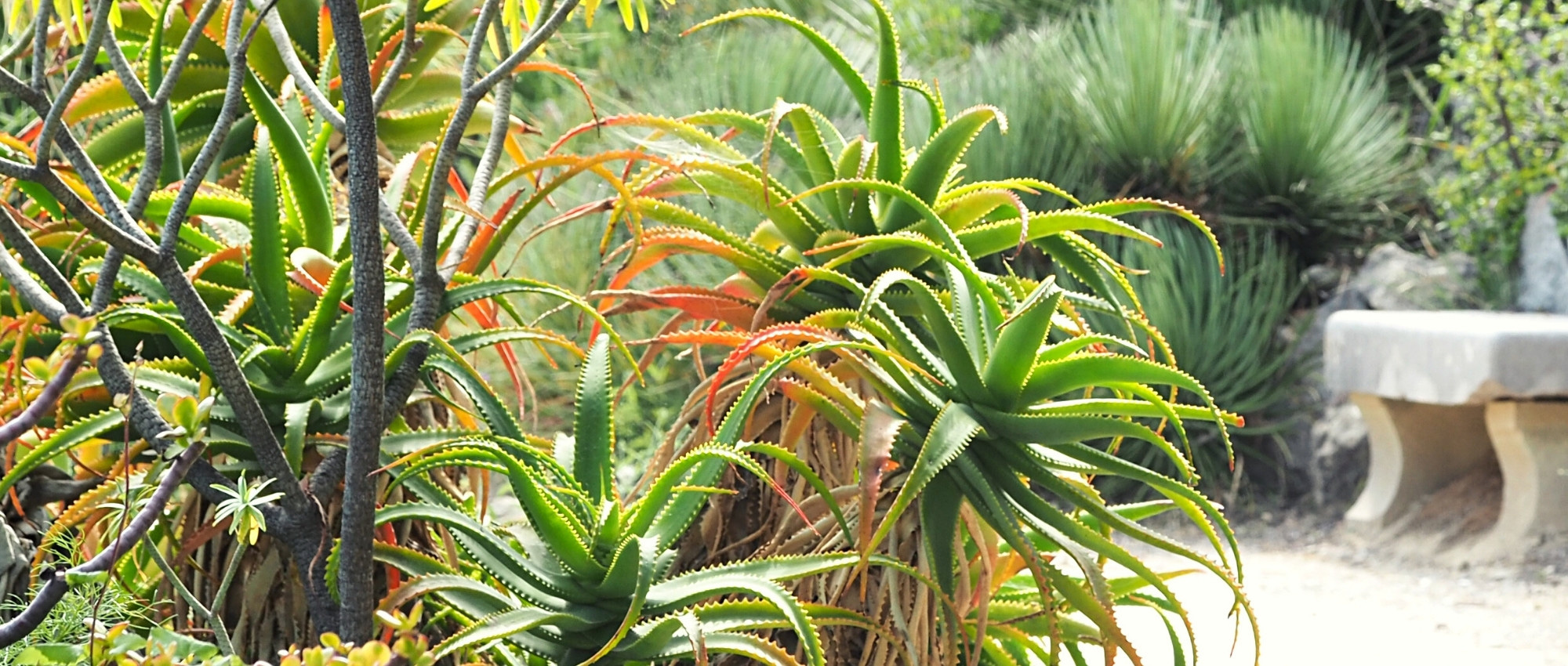
-
-
-
-
-
-
-
, onOrder confirmed
Reply from on Promesse de fleurs
Recently viewed products
Haven't found what you were looking for?
Hardiness is the lowest winter temperature a plant can endure without suffering serious damage or even dying. However, hardiness is affected by location (a sheltered area, such as a patio), protection (winter cover) and soil type (hardiness is improved by well-drained soil).

The flowering period indicated on our website applies to countries and regions located in USDA zone 8 (France, the United Kingdom, Ireland, the Netherlands, etc.)
It will vary according to where you live:- In zones 9 to 10 (Italy, Spain, Greece, etc.), flowering will occur about 2 to 4 weeks earlier.
- In zones 6 to 7 (Germany, Poland, Slovenia, and lower mountainous regions), flowering will be delayed by 2 to 3 weeks.
- In zone 5 (Central Europe, Scandinavia), blooming will be delayed by 3 to 5 weeks.
In temperate climates, pruning of spring-flowering shrubs (forsythia, spireas, etc.) should be done just after flowering.
Pruning of summer-flowering shrubs (Indian Lilac, Perovskia, etc.) can be done in winter or spring.
In cold regions as well as with frost-sensitive plants, avoid pruning too early when severe frosts may still occur.
The planting period indicated on our website applies to countries and regions located in USDA zone 8 (France, United Kingdom, Ireland, Netherlands).
It will vary according to where you live:
- In Mediterranean zones (Marseille, Madrid, Milan, etc.), autumn and winter are the best planting periods.
- In continental zones (Strasbourg, Munich, Vienna, etc.), delay planting by 2 to 3 weeks in spring and bring it forward by 2 to 4 weeks in autumn.
- In mountainous regions (the Alps, Pyrenees, Carpathians, etc.), it is best to plant in late spring (May-June) or late summer (August-September).
The harvesting period indicated on our website applies to countries and regions in USDA zone 8 (France, England, Ireland, the Netherlands).
In colder areas (Scandinavia, Poland, Austria...) fruit and vegetable harvests are likely to be delayed by 3-4 weeks.
In warmer areas (Italy, Spain, Greece, etc.), harvesting will probably take place earlier, depending on weather conditions.
The sowing periods indicated on our website apply to countries and regions within USDA Zone 8 (France, UK, Ireland, Netherlands).
In colder areas (Scandinavia, Poland, Austria...), delay any outdoor sowing by 3-4 weeks, or sow under glass.
In warmer climes (Italy, Spain, Greece, etc.), bring outdoor sowing forward by a few weeks.
Shipping country and language
Your country of residence may be:
Your country of residence is:
For a better user experience on our website, you can select:
Your shipping country:
-
 Austria
-
 Belgium
-
 Bosnia & Herzegovina
-
 Bulgaria
-
 Croatia
-
 Cyprus
-
 Czechia
-
 Denmark
-
 Estonia
-
 Finland
-
 France
-
 Germany
-
 Greece
-
 Hungary
-
 Iceland
-
 Ireland
-
 Italy
Italy
-
 Latvia
-
 Liechtenstein
-
 Lithuania
-
 Luxembourg
-
 Malta
Malta
-
 Netherlands
-
 Poland
-
 Portugal
-
 Romania
-
 Serbia
-
 Slovakia
-
 Slovenia
-
 Spain
Spain
-
 Sweden
-
 Switzerland
Language:
-
French
-
 English
-
Spanish
-
Italian
-
German
-
Portuguese
-
Dutch
-
Finnish
My Account
Hello
My wish lists
My cart
Log in / Register
Existing customer?
This form is protected by reCAPTCHA - the Google Privacy Policy and Terms of Service apply.
New customer?
Create an account to track your orders, access our customer service and, if you wish, make the most of our upcoming offers.