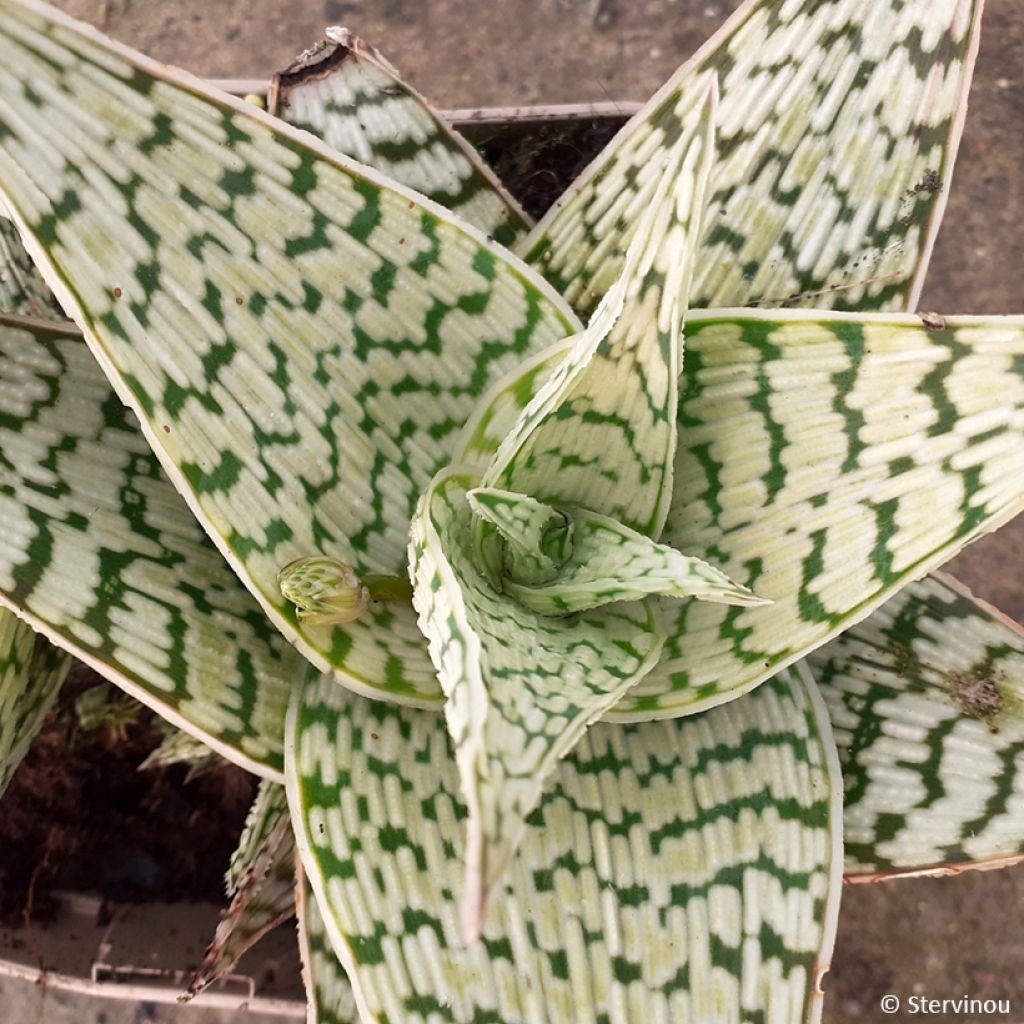
Aloe Delta Lights
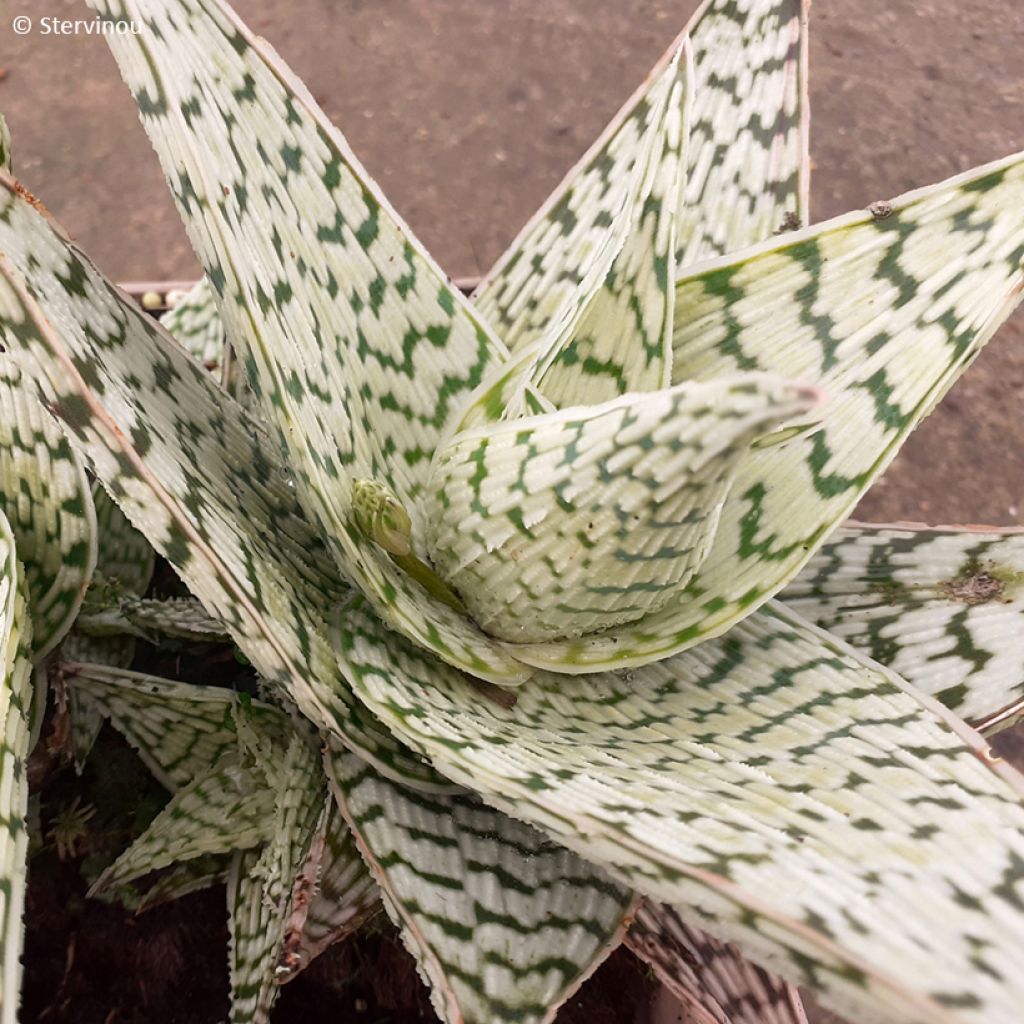
Aloe Delta Lights
Aloe Delta Lights
Aloe deltoideodonta x harlana Delta Lights
Received very nice quality.
Isabelle , 31/03/2026
Back-to-school special offer!
Get €10 off for every €50 you spend! And get up to €40 off on a single order.
How does it work?
1. Shop your favourites
Add your favourite plants to your basket. For every €50 you spend (excluding delivery charges, store credit and the plastic-free option), you’ll receive a €10 voucher.
€50 spent = €10 voucher
€100 spent = €20 voucher
€150 spent = €30 voucher
€200 spent = €40 voucher
2. Place your order
Once your basket reaches one of the spending thresholds, place your order. You can even choose your delivery date!
3. Receive your voucher
As soon as your order has been shipped, you’ll receive an email containing your personal voucher code and its value.
4. Use it on your next order
Your voucher is valid for 90 days from the date you receive it. It can be used once only, on a new order worth at least the value of the voucher, excluding delivery charges.
Please note: Vouchers can be combined with other offers, but cannot be split or refunded.
Home or relay delivery (depending on size and destination)
Important: You may be charged customs duties by your country’s customs authorities upon delivery.
Schedule delivery date
and select date in basket
This plant carries a 12 months recovery warranty
More information
We guarantee the quality of our plants for a full growing cycle, and will replace at our expense any plant that fails to recover under normal climatic and planting conditions.

Would this plant suit my garden?
Set up your Plantfit profile →
Description
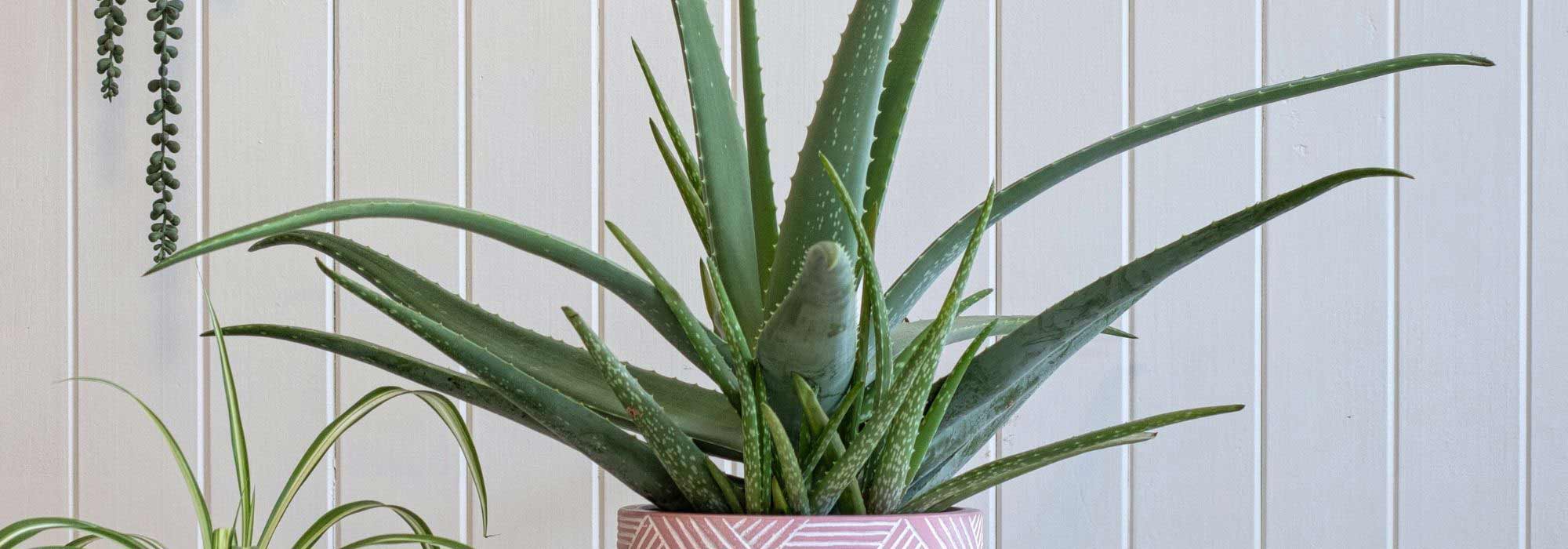
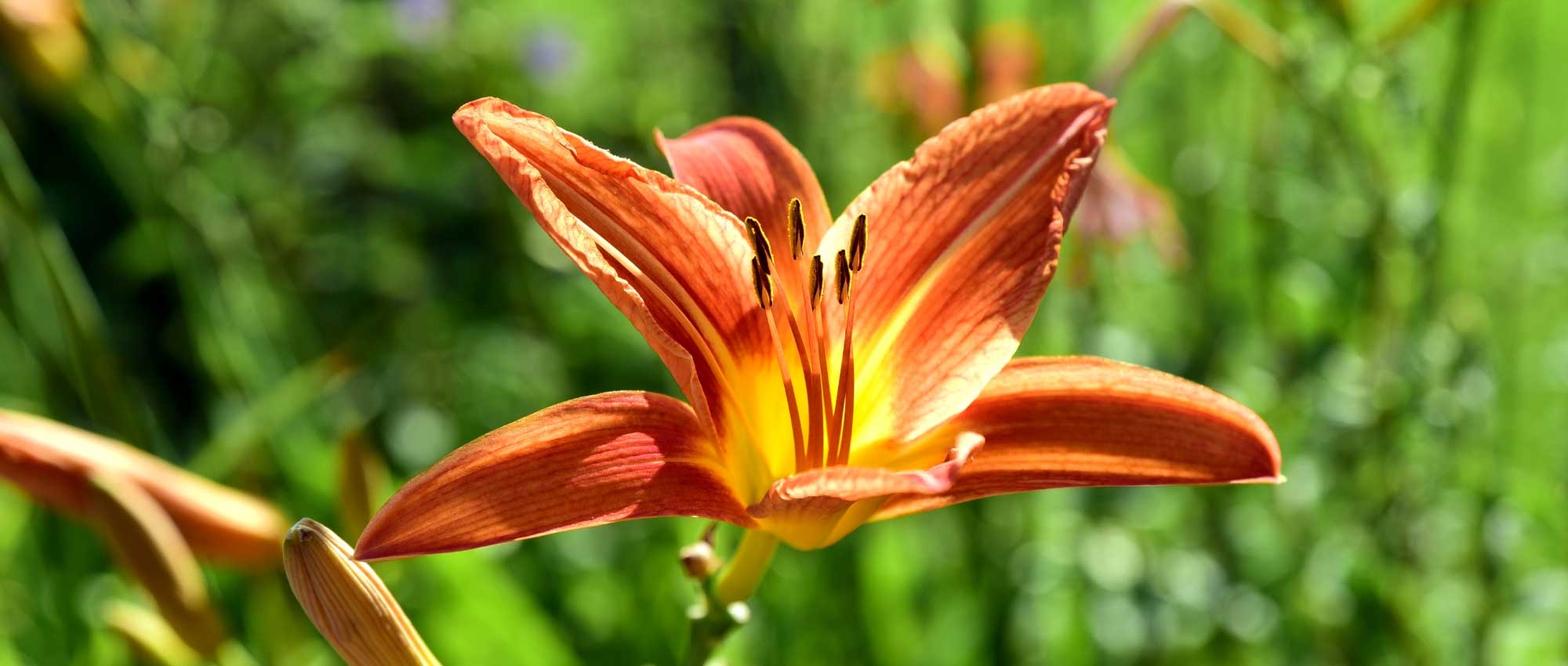
Aloe 'Delta Lights' is a succulent plant with an unusual and attractive sculptural design. This Aloe forms a compact rosette with leaves that overlap with each other, giving it a very decorative starry appearance. Their cream-white colour is marked with small dark green zigzags that create a very elegant contrast. This evergreen plant is enhanced by a long flowering period in the form of spikes of reddish-orange, tubular flowers supported by a long floral stem that rises well above the rosette. Not tolerating frost well, it can only be planted in the ground in the mildest areas. Elsewhere, it will be easy to cultivate it in a pot to protect it during winter.
Aloe is now classified in the Asphodelaceae family, along with about fifteen other genera (according to classifications). Alongside the Asphodel that grows in Mediterranean regions,there are ornamental genera such as Eremurus with spectacular long floral spikes or Phormium with decorative ribbon-like leaves. There are over 500 species of Aloe originating mainly from Africa and Madagascar, mostly creeping plants or, more rarely, tree-like, as well as numerous hybrids.
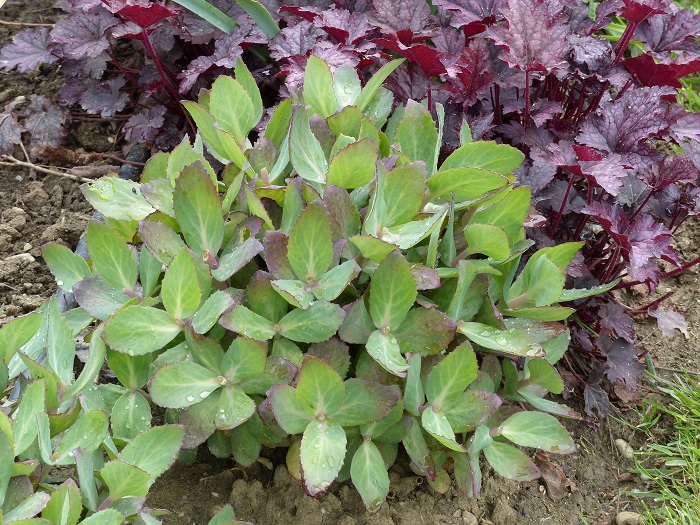
'Delta Lights' is a horticultural variety obtained by the breeder Kelly Griffin, an expert in Agave and related plants, by crossing A. deltoideodonta, with broad, lightly thorned green leaves punctuated with cream-white marks, and A. harlana, or Mosaic Aloe, with narrower leaves, edged with fiercer thorns, and olive green streaked with tender green. The result borrows from both parents, adding a touch of originality in terms of colour. Aloe 'Delta Lights' forms a compact rosette, with slow growth, generally reaching about 25 cm in height and 30 cm in width, although American enthusiasts report slightly larger mature plants. The leaves have a very graceful shape, widening into a bulb from the point of insertion and tapering to a regular pointed tip. They are fleshy, not thorny and their section is slightly concave. Unlike its parents, this Aloe displays a dominant cream-white colour, sometimes tending towards chartreuse green, marked with irregular dark green stripes, giving it a very ornamental and contemporary appearance. Forming a star that enriches over time by rising at each new leaf level, the plant also offsets from the base to form new rosettes and thus increase in width. The evergreen foliage is superb all year round, and the flowering adds appeal to the plant. From autumn to spring, and sometimes in summer, floral stems form above the rosettes, adorned with small tubular, 2 to 3 cm long flowers in a beautiful reddish-orange. This airy flowering above the rosettes enhances the contemporary beauty of this Aloe.
Not very hardy, 'Delta Lights' will only survive in the ground in the most sheltered areas where frost is fleeting and mild. Due to its slow growth and moderate development, it is perfectly suited for pot cultivation, allowing it to be brought indoors before the first frosts. By associating it with other exotic-looking plants, you can create an inspiring scene on your balcony or terrace during summer. Phormium 'Chocomint' from the same family will be a good companion with its long chocolate brown foliage edged with mint green, a resolutely modern look. Also, explore the wide range of Aeonium that will reward you with amazing colours and superbly designed plants. Mangaves, hybrids between Agave and Manfreda, also have much to offer, both in terms of their distinctive silhouette and their often surprising colour schemes and combinations.
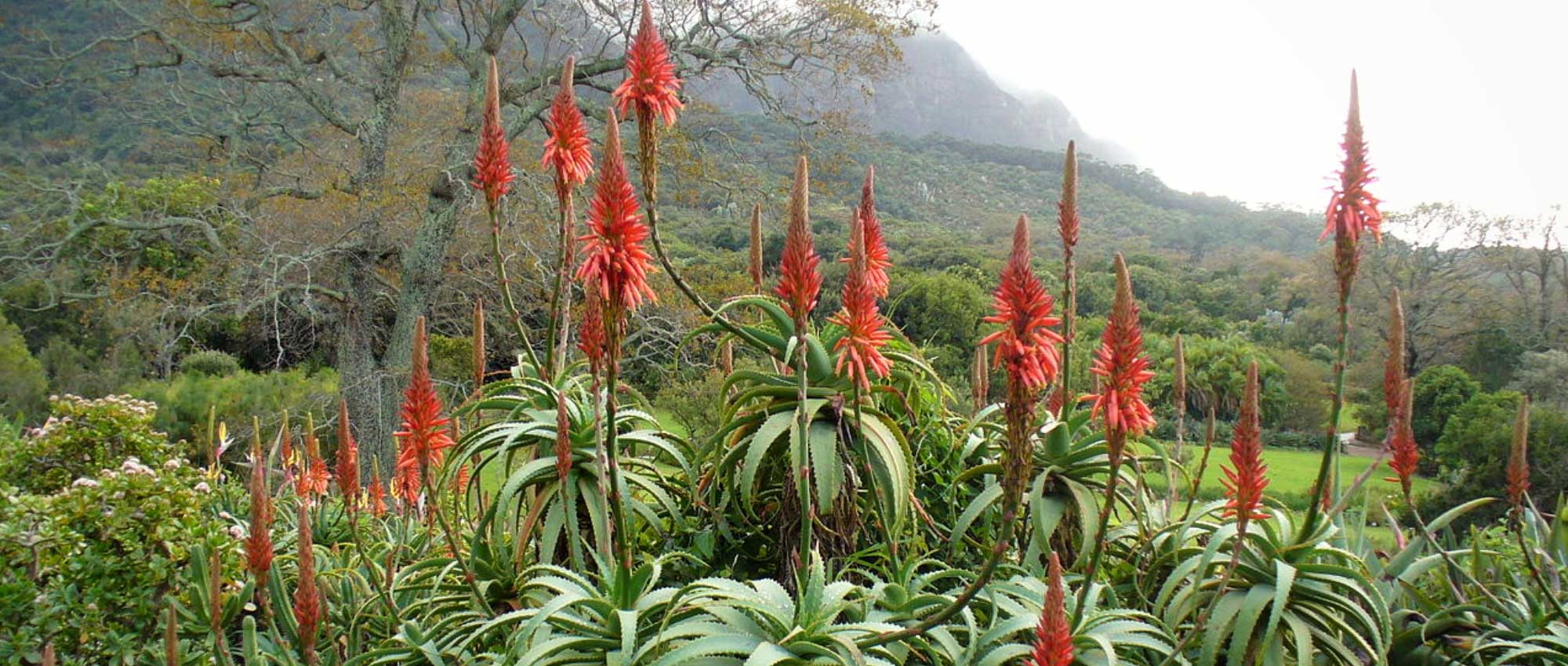
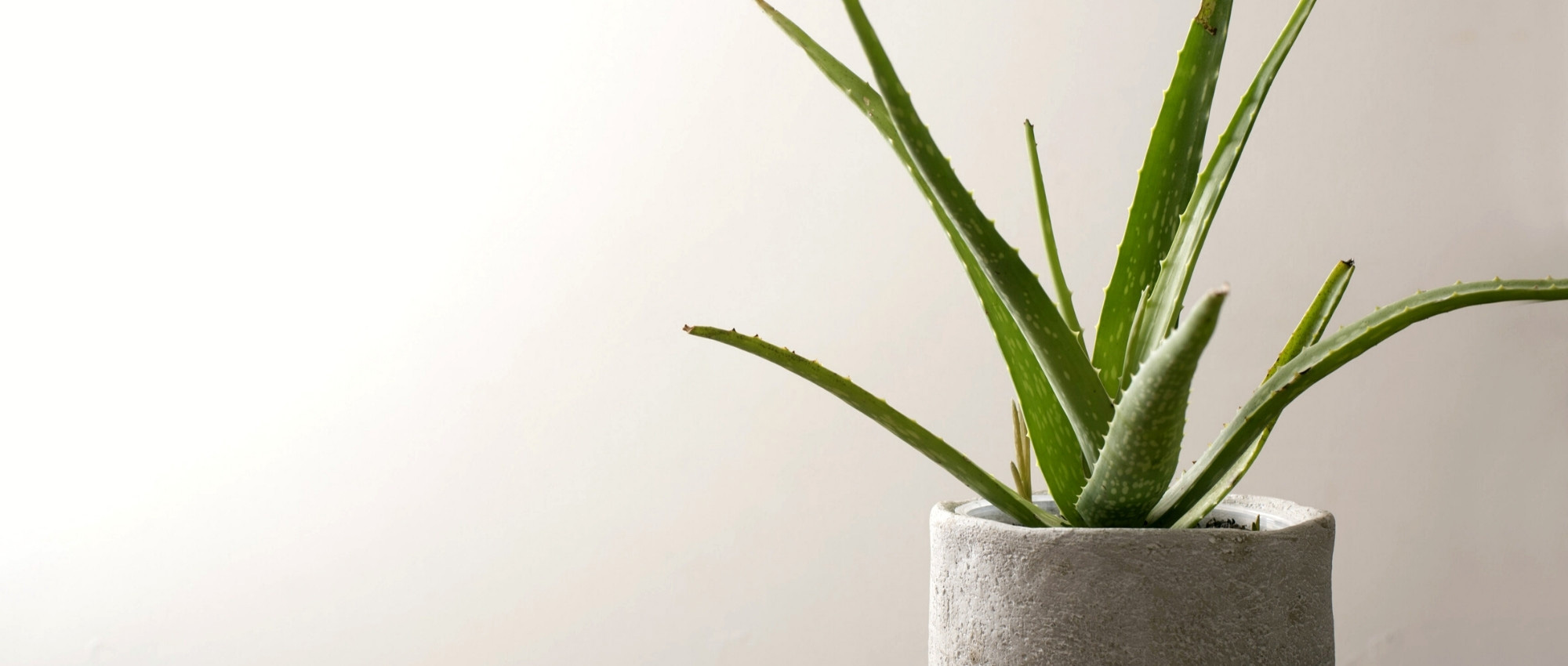
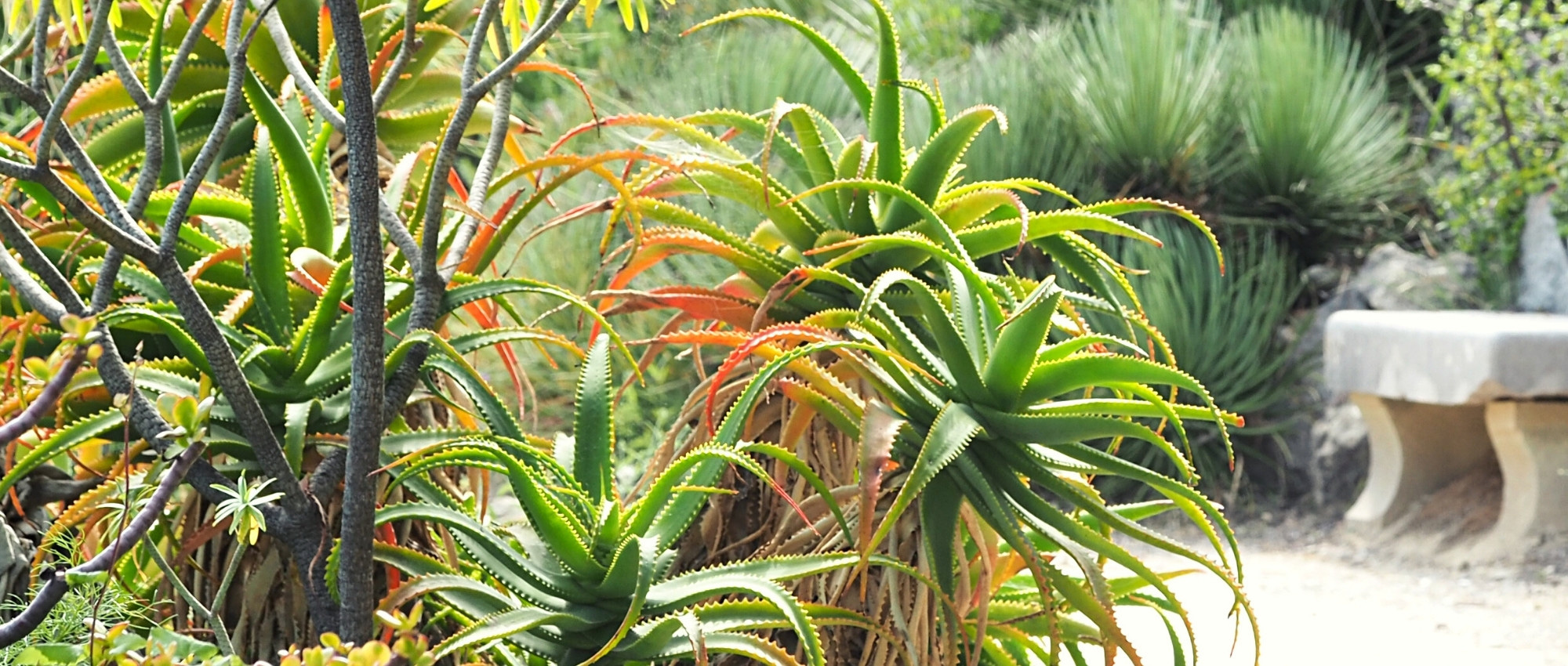
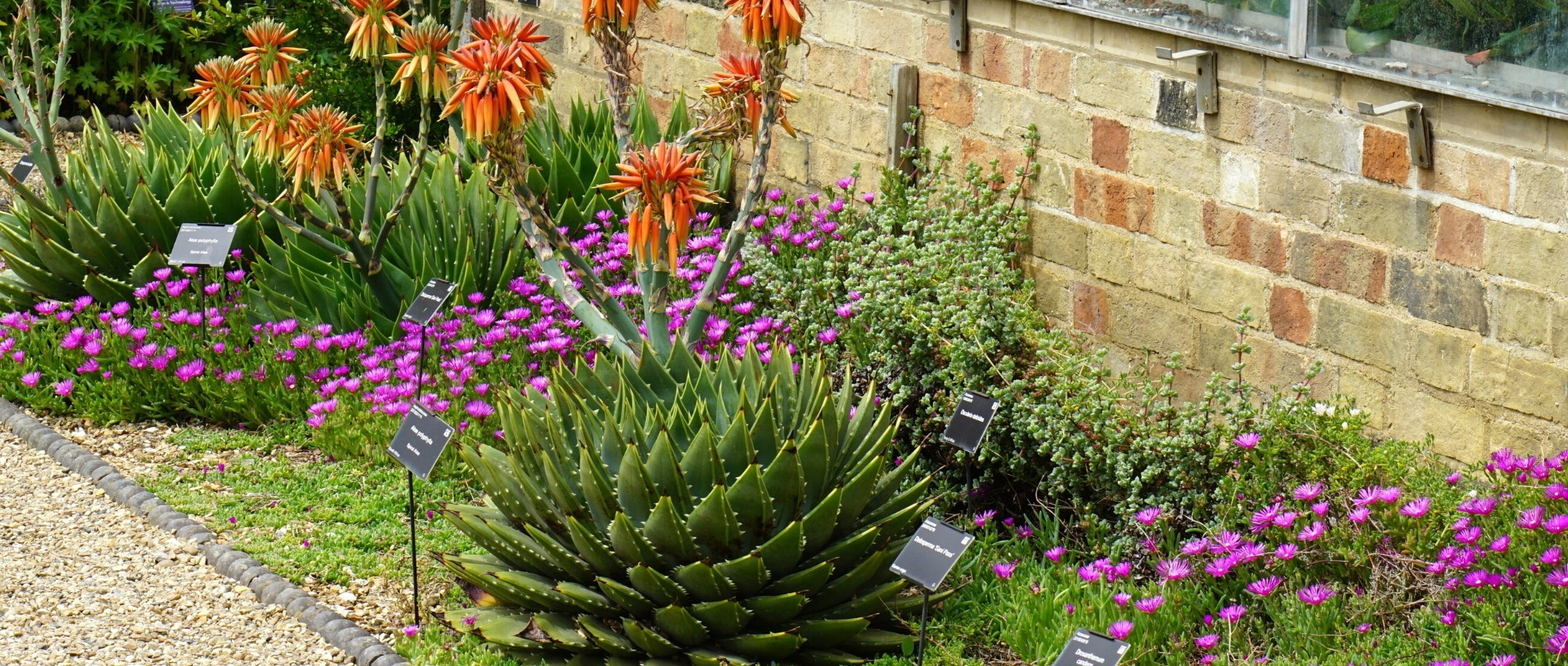
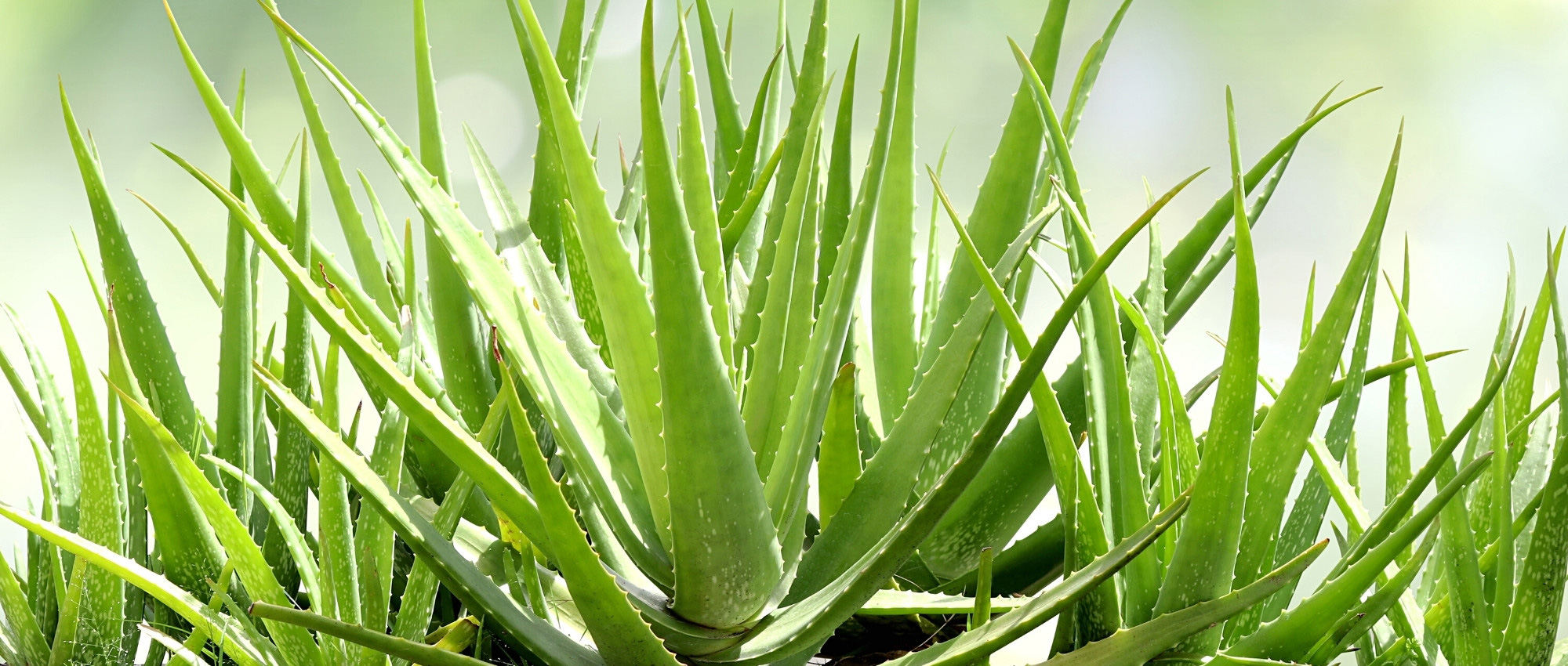
Aloe Delta Lights in pictures
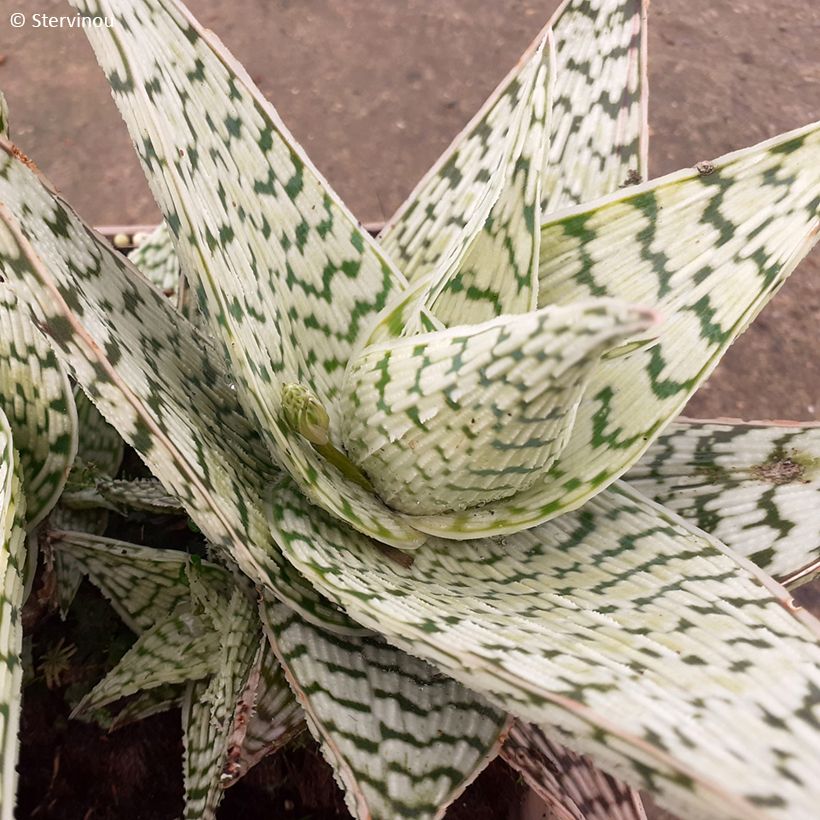
Flowering
Foliage
Plant habit
Botanical data
Aloe
deltoideodonta x harlana
Delta Lights
Asphodelaceae
Cultivar or hybrid
Planting and care
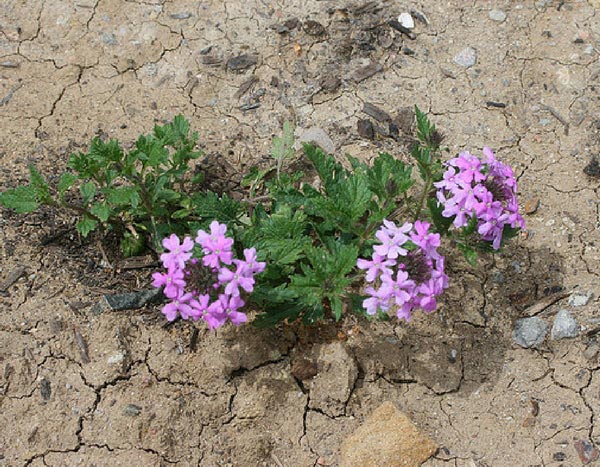
Like all "succulent" plants, Aloes thrive in full sun and very well-drained, even poor and dry soil. Aloe 'Delta Lights' will thrive in a very gravelly soil, composed of a good amount of coarse sand mixed with garden soil and a little very decomposed leaf compost. A light, non-clayey soil, poor in organic matter, very filtering, even limestone, will suit it well. It tolerates long, hot and dry summers well but also thrives in mild coastal regions. However, its hardiness in winter depends a lot on the dryness of the soil and it will not survive below -1°C to -2°C. It will therefore have to be grown in a pot almost everywhere, except in the mildest areas, stored indoors in winter in a very bright, lightly or not heated room, and subjected to a dry regime.
Planting period
Intended location
Care
Planting & care advice
-
-
-
-
-
-
-
-
-
, onOrder confirmed
Reply from on Promesse de fleurs
Recently viewed products
Haven't found what you were looking for?
Hardiness is the lowest winter temperature a plant can endure without suffering serious damage or even dying. However, hardiness is affected by location (a sheltered area, such as a patio), protection (winter cover) and soil type (hardiness is improved by well-drained soil).

The flowering period indicated on our website applies to countries and regions located in USDA zone 8 (France, the United Kingdom, Ireland, the Netherlands, etc.)
It will vary according to where you live:- In zones 9 to 10 (Italy, Spain, Greece, etc.), flowering will occur about 2 to 4 weeks earlier.
- In zones 6 to 7 (Germany, Poland, Slovenia, and lower mountainous regions), flowering will be delayed by 2 to 3 weeks.
- In zone 5 (Central Europe, Scandinavia), blooming will be delayed by 3 to 5 weeks.
In temperate climates, pruning of spring-flowering shrubs (forsythia, spireas, etc.) should be done just after flowering.
Pruning of summer-flowering shrubs (Indian Lilac, Perovskia, etc.) can be done in winter or spring.
In cold regions as well as with frost-sensitive plants, avoid pruning too early when severe frosts may still occur.
The planting period indicated on our website applies to countries and regions located in USDA zone 8 (France, United Kingdom, Ireland, Netherlands).
It will vary according to where you live:
- In Mediterranean zones (Marseille, Madrid, Milan, etc.), autumn and winter are the best planting periods.
- In continental zones (Strasbourg, Munich, Vienna, etc.), delay planting by 2 to 3 weeks in spring and bring it forward by 2 to 4 weeks in autumn.
- In mountainous regions (the Alps, Pyrenees, Carpathians, etc.), it is best to plant in late spring (May-June) or late summer (August-September).
The harvesting period indicated on our website applies to countries and regions in USDA zone 8 (France, England, Ireland, the Netherlands).
In colder areas (Scandinavia, Poland, Austria...) fruit and vegetable harvests are likely to be delayed by 3-4 weeks.
In warmer areas (Italy, Spain, Greece, etc.), harvesting will probably take place earlier, depending on weather conditions.
The sowing periods indicated on our website apply to countries and regions within USDA Zone 8 (France, UK, Ireland, Netherlands).
In colder areas (Scandinavia, Poland, Austria...), delay any outdoor sowing by 3-4 weeks, or sow under glass.
In warmer climes (Italy, Spain, Greece, etc.), bring outdoor sowing forward by a few weeks.
Shipping country and language
Your country of residence may be:
Your country of residence is:
For a better user experience on our website, you can select:
Your shipping country:
-
 Austria
-
 Belgium
-
 Bosnia & Herzegovina
-
 Bulgaria
-
 Croatia
-
 Cyprus
-
 Czechia
-
 Denmark
-
 Estonia
-
 Finland
-
 France
-
 Germany
-
 Greece
-
 Hungary
-
 Iceland
-
 Ireland
-
 Italy
Italy
-
 Latvia
-
 Liechtenstein
-
 Lithuania
-
 Luxembourg
-
 Malta
Malta
-
 Netherlands
-
 Poland
-
 Portugal
-
 Romania
-
 Serbia
-
 Slovakia
-
 Slovenia
-
 Spain
Spain
-
 Sweden
-
 Switzerland
Language:
-
French
-
 English
-
Spanish
-
Italian
-
German
-
Portuguese
-
Dutch
-
Finnish
My Account
Hello
My wish lists
My cart
Log in / Register
Existing customer?
This form is protected by reCAPTCHA - the Google Privacy Policy and Terms of Service apply.
New customer?
Create an account to track your orders, access our customer service and, if you wish, make the most of our upcoming offers.