Grevillea Clearview David
Grevillea Clearview David
Grevillea Clearview David
Grevillea Clearview David
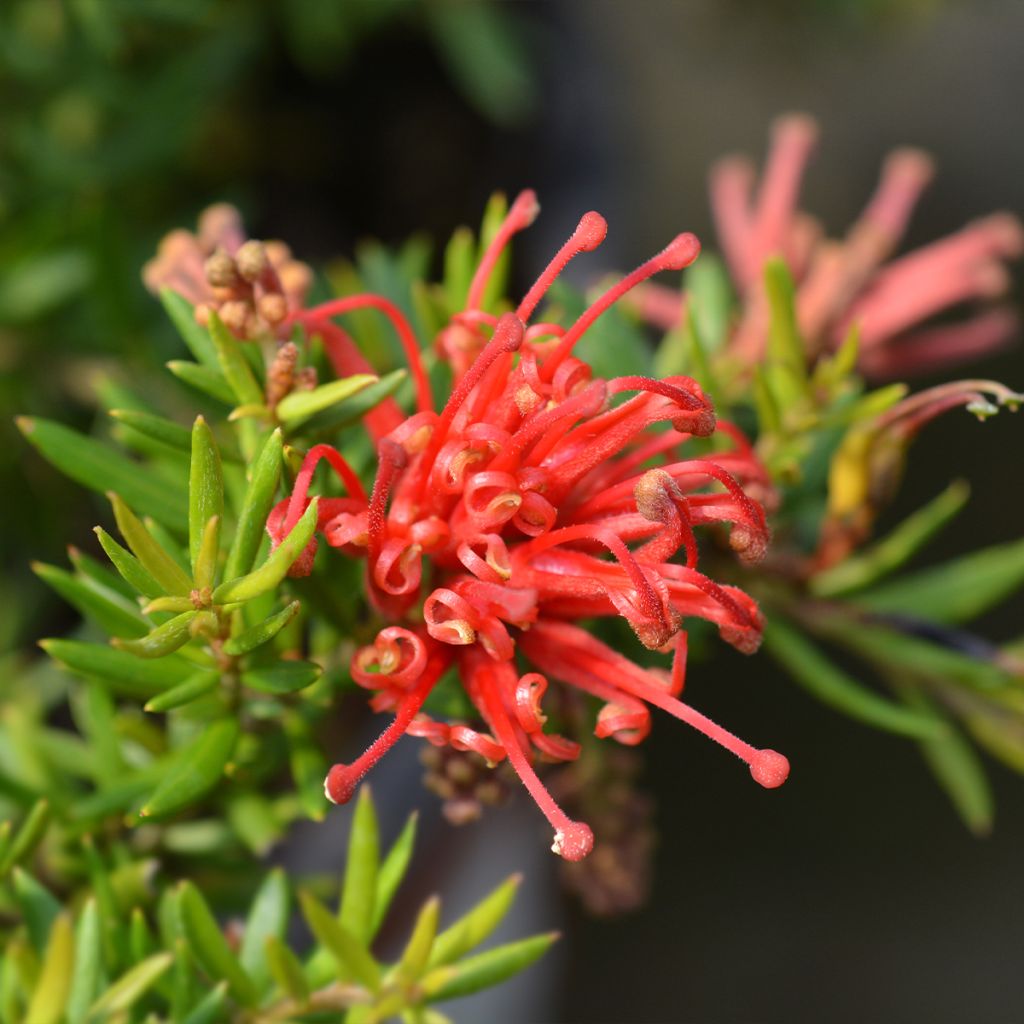
Grevillea Clearview David
Grevillea Clearview David
Grevillea rosmarinifolia Clearview David
Rosemary Grevillea, Spider Flower
Back-to-school special offer!
Get €10 off for every €50 you spend! And get up to €40 off on a single order.
How does it work?
1. Shop your favourites
Add your favourite plants to your basket. For every €50 you spend (excluding delivery charges, store credit and the plastic-free option), you’ll receive a €10 voucher.
€50 spent = €10 voucher
€100 spent = €20 voucher
€150 spent = €30 voucher
€200 spent = €40 voucher
2. Place your order
Once your basket reaches one of the spending thresholds, place your order. You can even choose your delivery date!
3. Receive your voucher
As soon as your order has been shipped, you’ll receive an email containing your personal voucher code and its value.
4. Use it on your next order
Your voucher is valid for 90 days from the date you receive it. It can be used once only, on a new order worth at least the value of the voucher, excluding delivery charges.
Please note: Vouchers can be combined with other offers, but cannot be split or refunded.
Why not try an alternative variety in stock?
View all →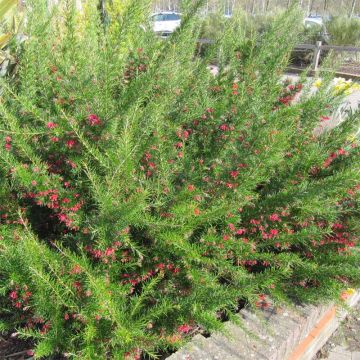
Available in 1 sizes
Available in 1 sizes
Available in 1 sizes
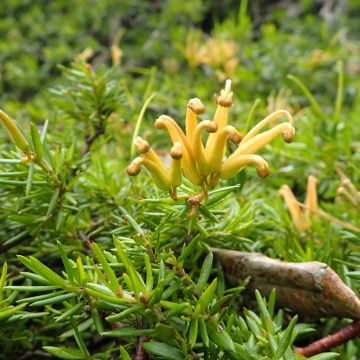
Available in 1 sizes
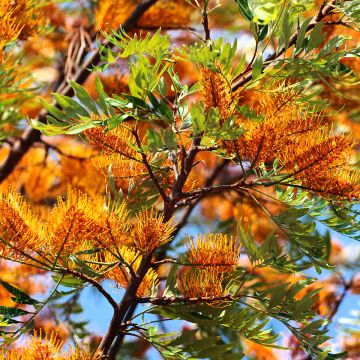
Available in 1 sizes
Available in 1 sizes
Available in 1 sizes
Available in 1 sizes
Available in 2 sizes
This plant carries a 24 months recovery warranty
More information
We guarantee the quality of our plants for a full growing cycle, and will replace at our expense any plant that fails to recover under normal climatic and planting conditions.
Would this plant suit my garden?
Set up your Plantfit profile →
Description
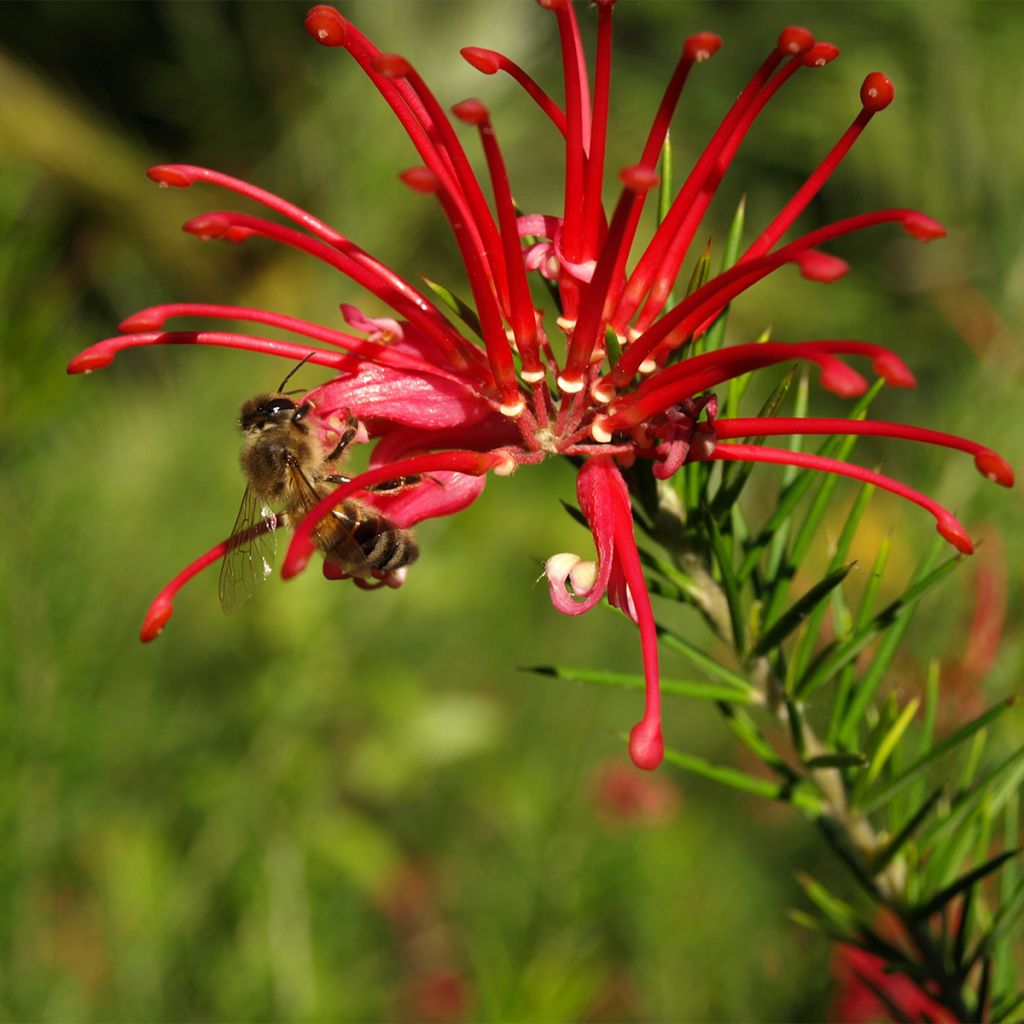
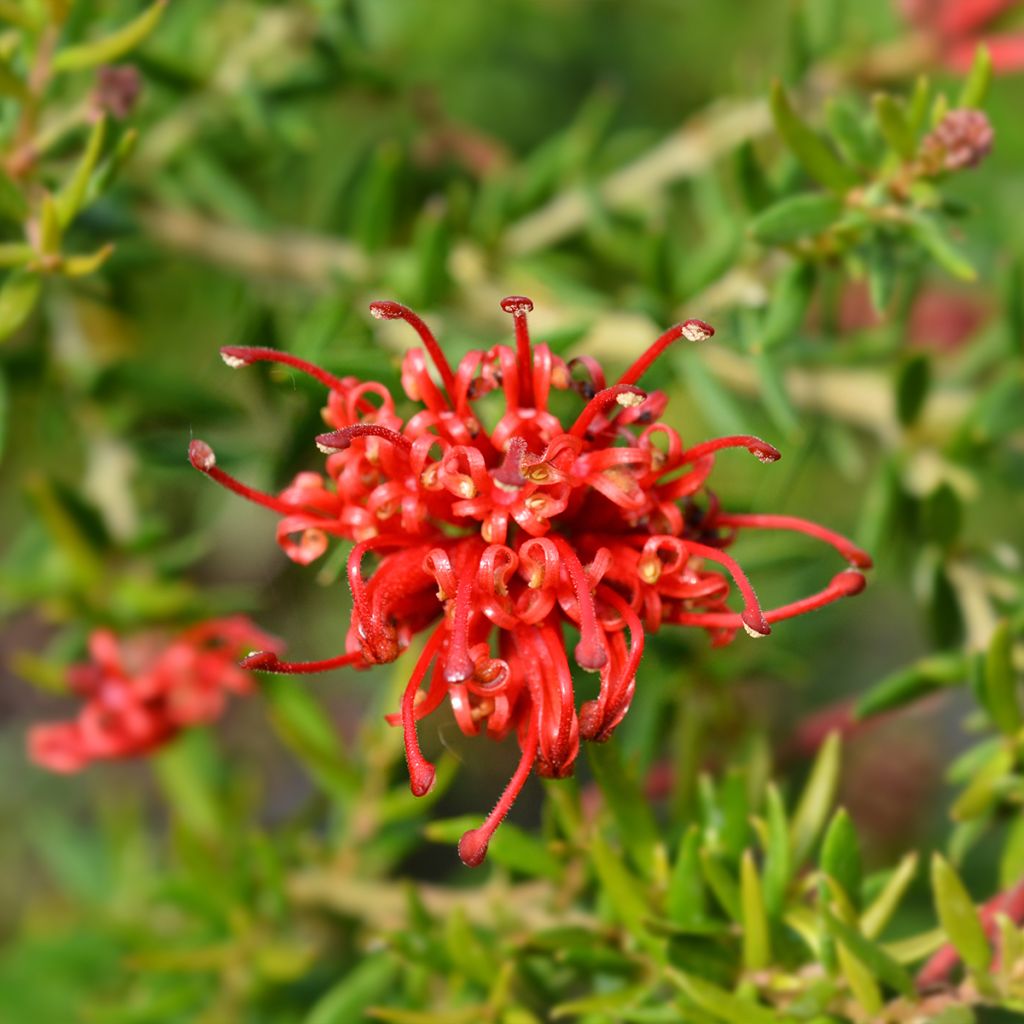
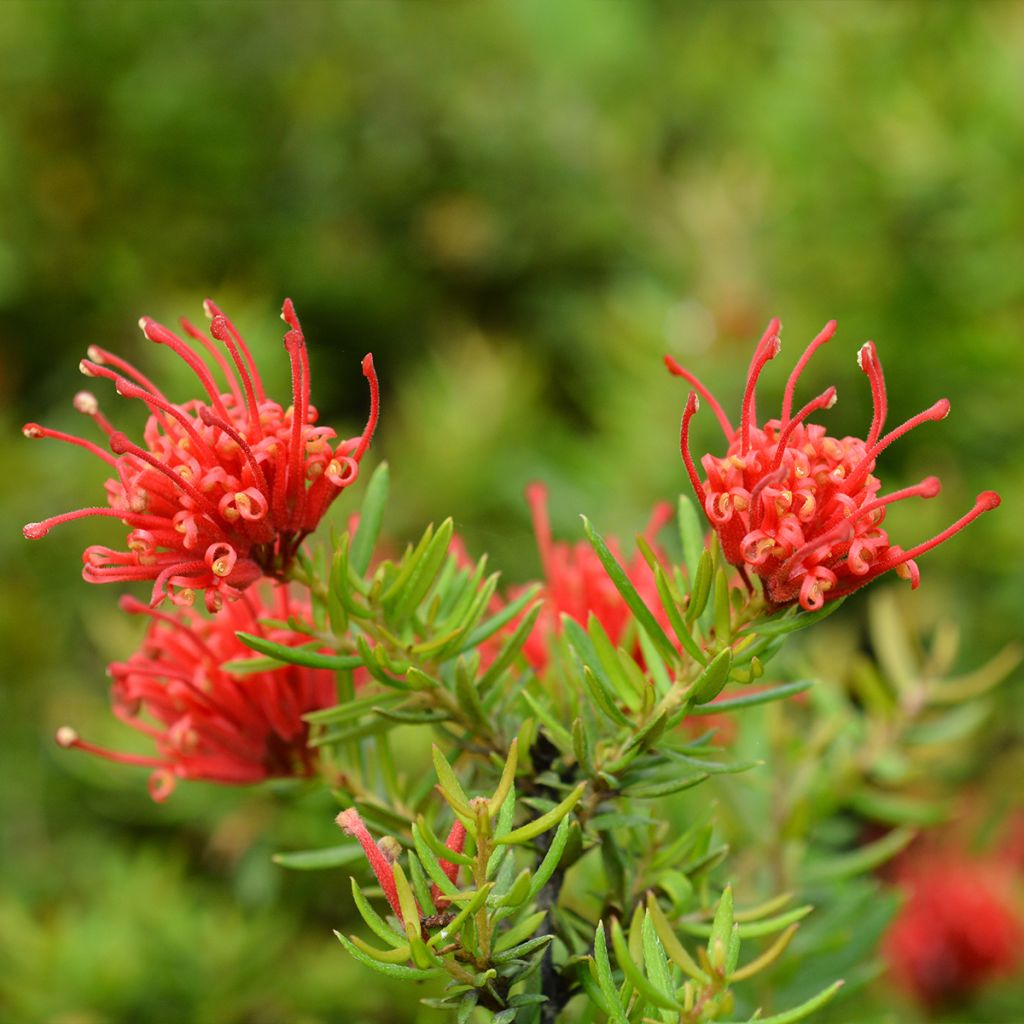
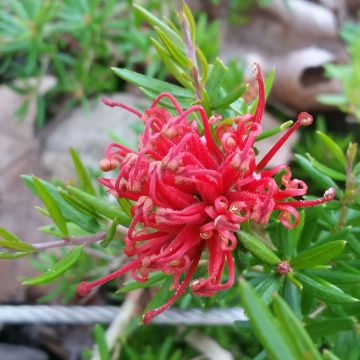
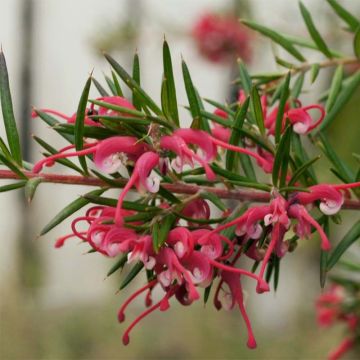
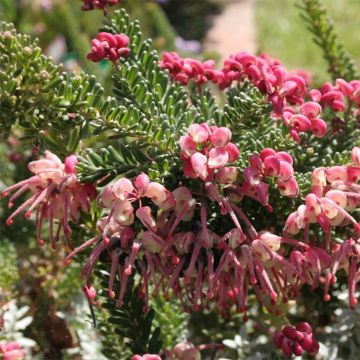
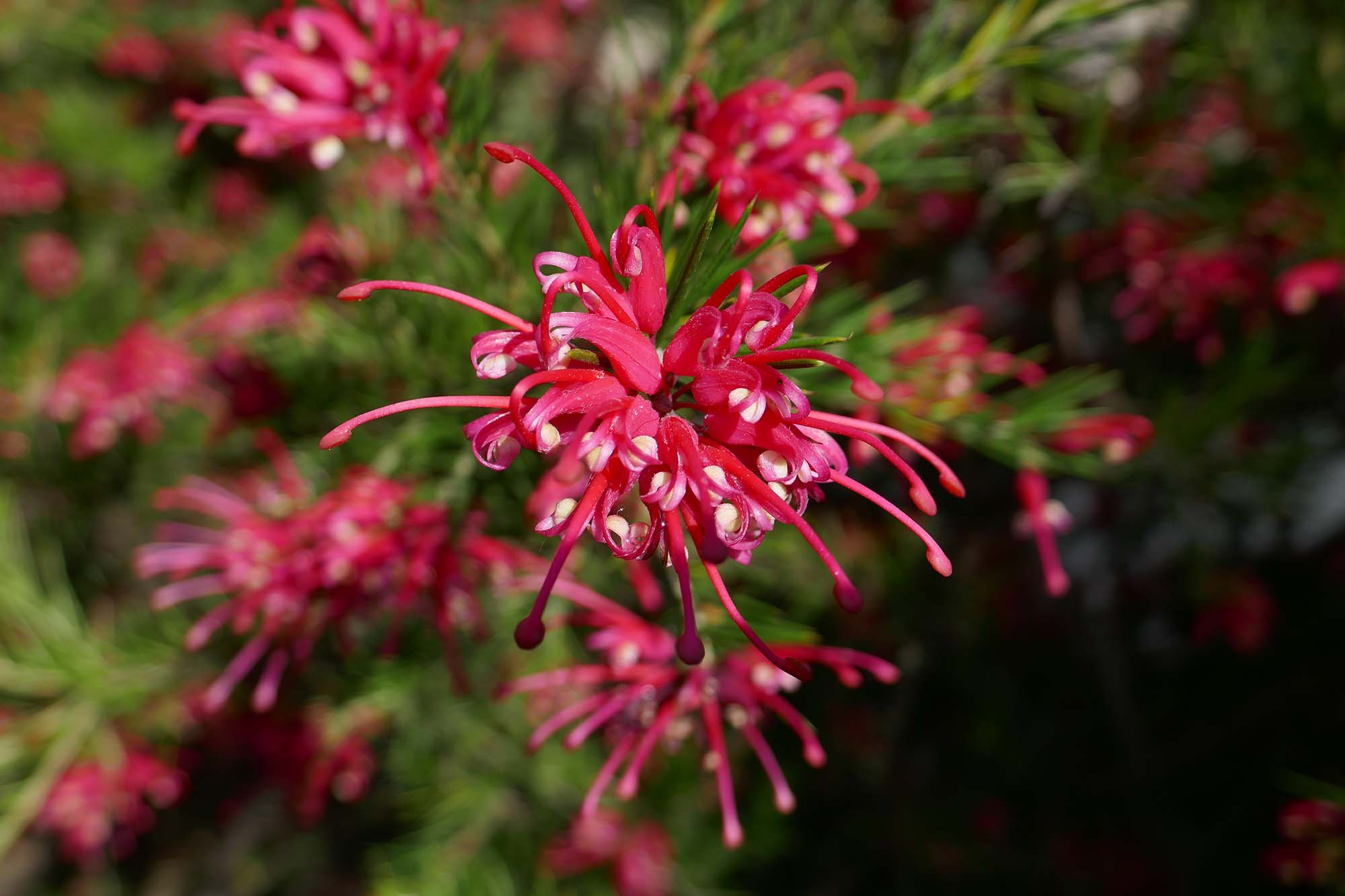
Grevillea rosmarinifolia Clearview David is a particularly floriferous cultivar that has a profusion of magnificent scarlet red, spider-like flowers appearing along the branches from February until the end of spring. In mild climates, it even blooms again later in the season, in late autumn. Perfectly adapted to coastal areas it is a precious bush for seaside gardens, as its foliage can withstand sea spray.
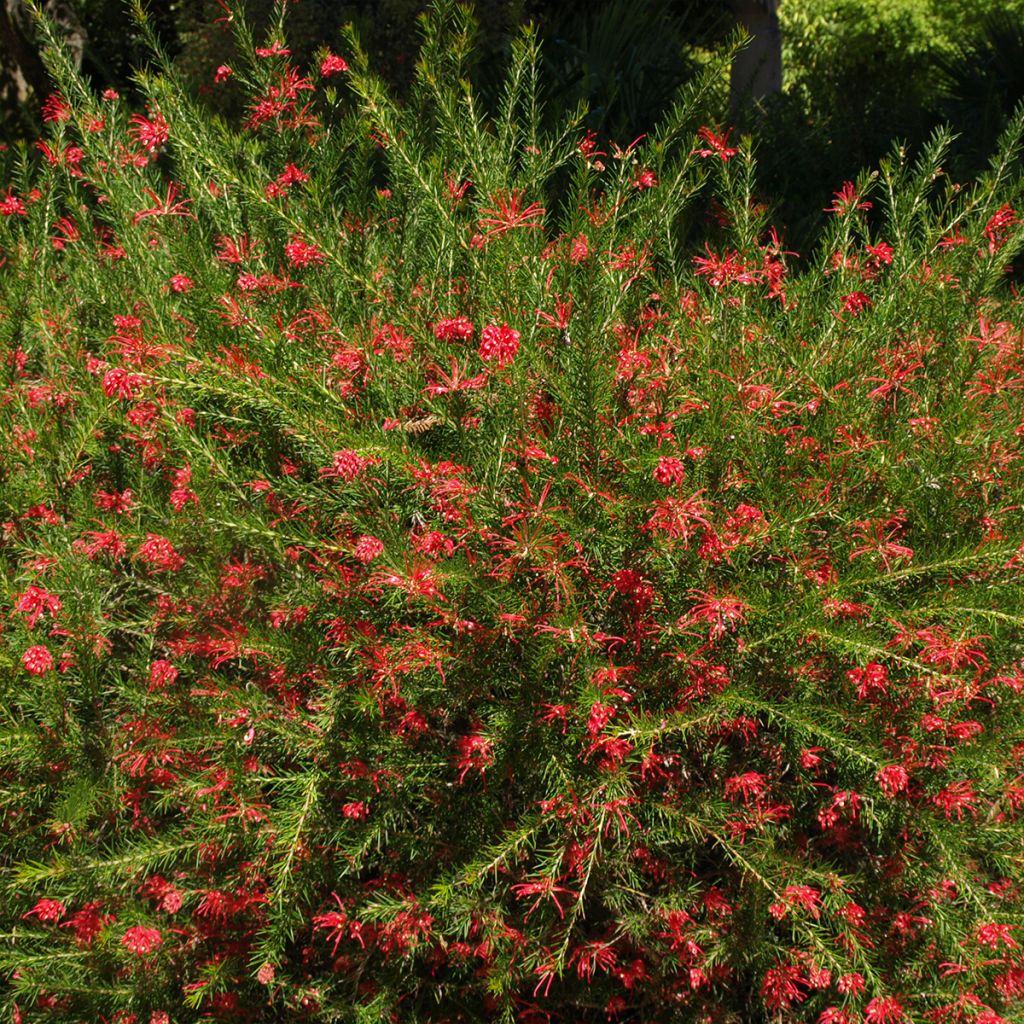
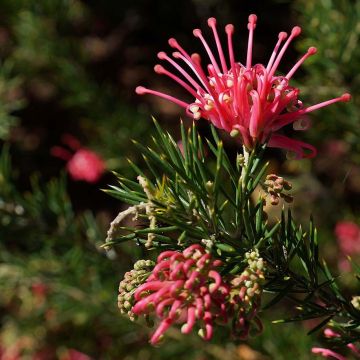
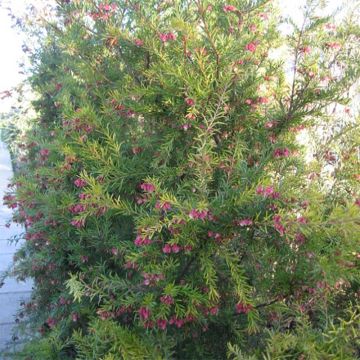
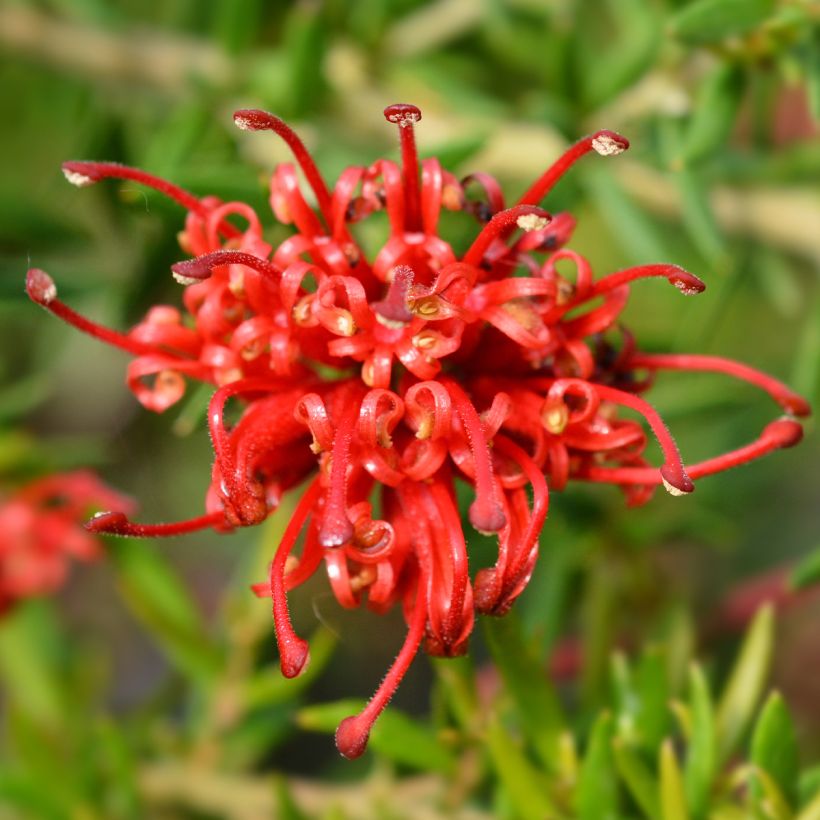
Grevillea is a shrub native to Australia, from the family of Proteaceae, known for plants with some of the most spectacular flowerings in the world, but often difficult to grow. Relatively small (about 3-4 cm (1.2-1.6 in)), the flowers of this Clearview David variety are petal-less, the styles form a graceful rounded shape while the stamens burst out, evoking the posture of certain spiders. Mostly bright red, they are actually bi-coloured, with a creamy white underside. These flowers illuminate the foliage from which they stand out due to their abundance, as well as the contrast of colour and shape. The leaves are short (2-3 cm (0.8-1.2 in)) and thin (3 mm (0.1 in)), in the shape of simple needles, a beautiful dark green which contrasts with the sophisticated aesthetics of the flowers. The foliage is slightly prickly to the touch, but less so than in its cousin, the Grevillea juniperina. With rapid growth, this shrub naturally takes on a ball-shaped habit, reaching about 1.50 m (4 ft 11 in) in all directions, or even 2 m (6 ft 7 in) high in mild climate regions, where it can be used as a hedge. The bush is very resistant to summer drought and adapts easily to poor soil (especially low in phosphorus, an element it does not appreciate). Once well established, it can withstand dry cold temperatures of about -10°C (14 °F) (but will suffer earlier in humid conditions). As a true Proteaceae, the Grevillea Clearview David dislikes active limestone, which causes chlorosis of the foliage, changing it from a beautiful bright green to a sickly yellow. A neutral to acidic, well-draining, even dry soil, poor in phosphorus, a climate without intense or prolonged cold and exposure to sunlight are the keys to its success.
Due to its soil and climate requirements, Grevillea Clearview David will perfectly associate with other members of its family, such as the Leucadendron Safari Sunset (with purple foliage, therefore interesting rendering) in mild climates. To create a contrast of flower colour, consider Fremontodendron with its dazzling yellow flowering, Cistus ladanifer with white flowers, or Teucrium fruticans (blue).
Acacia podalyriifolia (moutteana) with its very architectural grey-blue foliage and yellow winter flowering will be an ideal companion. Having the same characteristics (cultural needs, growth rate, etc.) as this Grevillea, it will be good to plant it in the background to create an original scene and benefit from a permanent spectacle of shapes and colours!
The genus Grevillea was named in honour of Charles Francis Greville, one of the co-founders of the prestigious British Royal Horticulture Society (RHS), and a patron of botany. The first representatives of grevilleas were introduced to Europe as early as the late 18th century.
Grevillea Clearview David in pictures
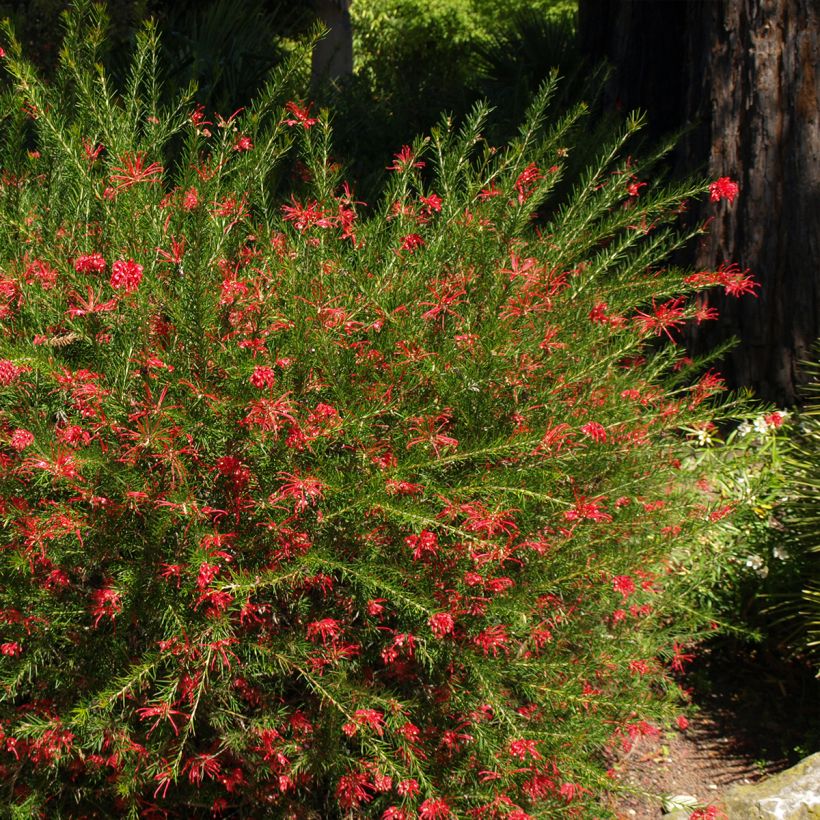
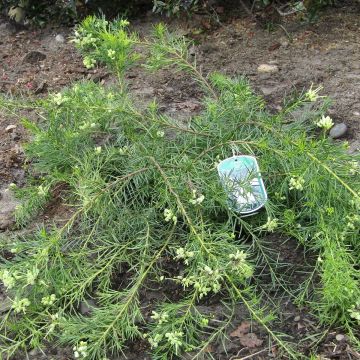
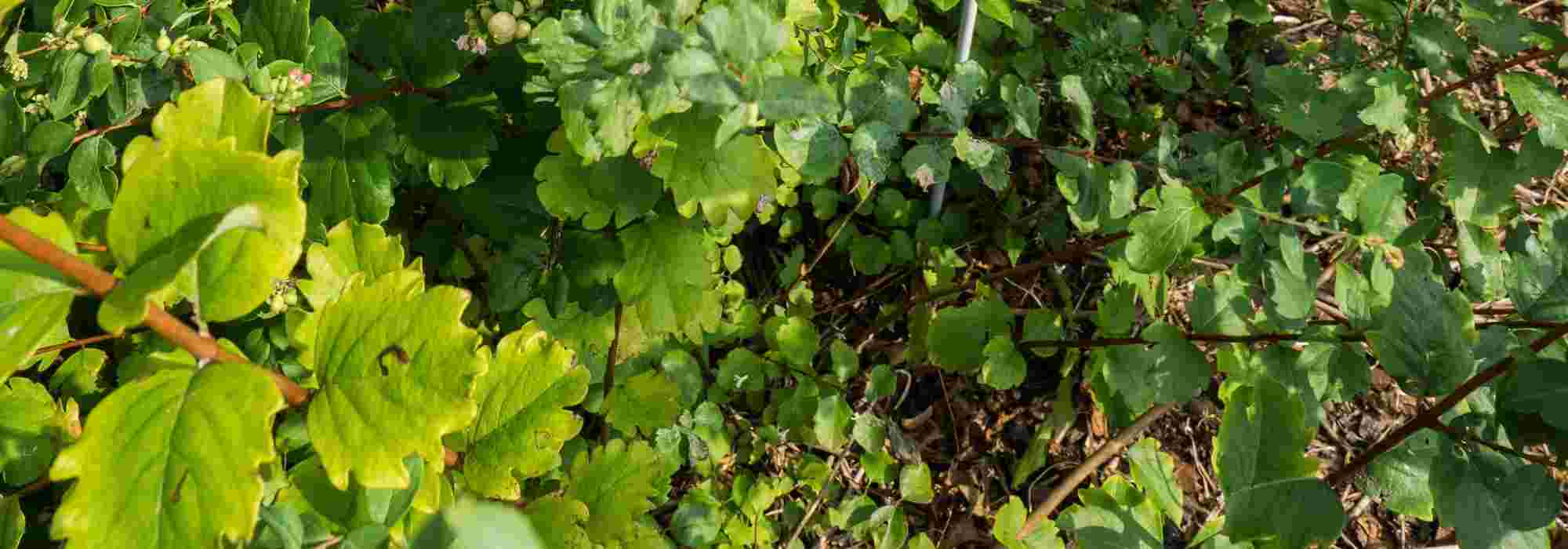
Plant habit
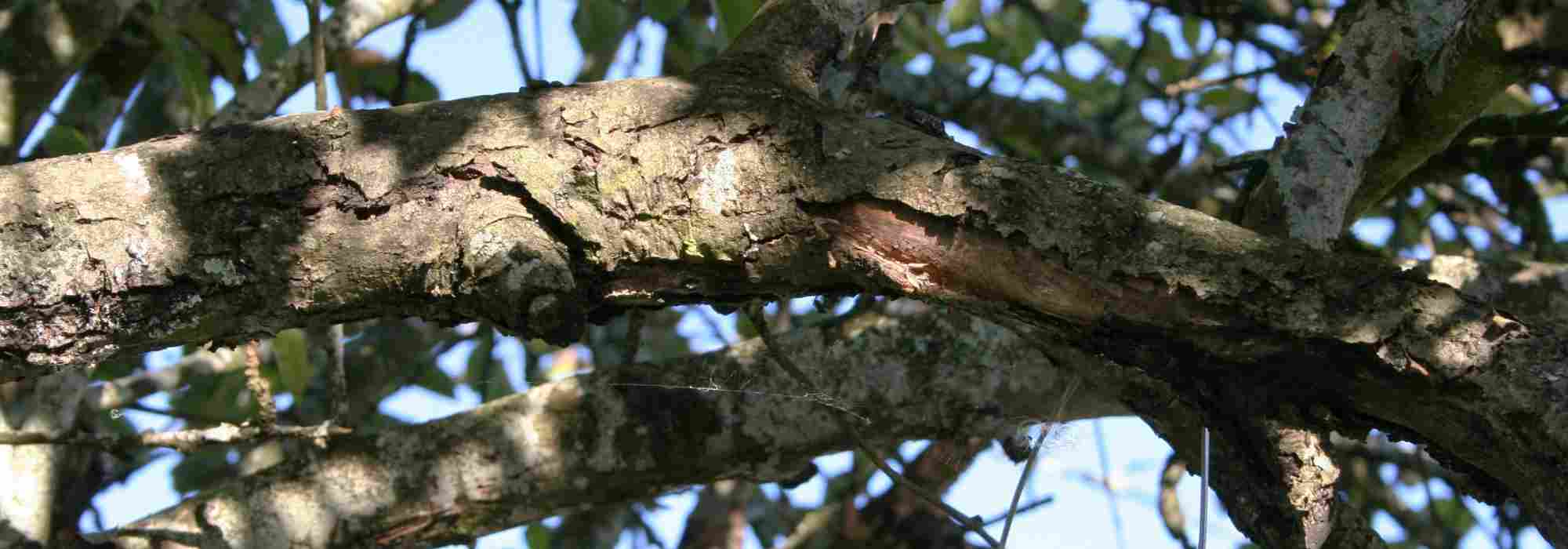
Flowering
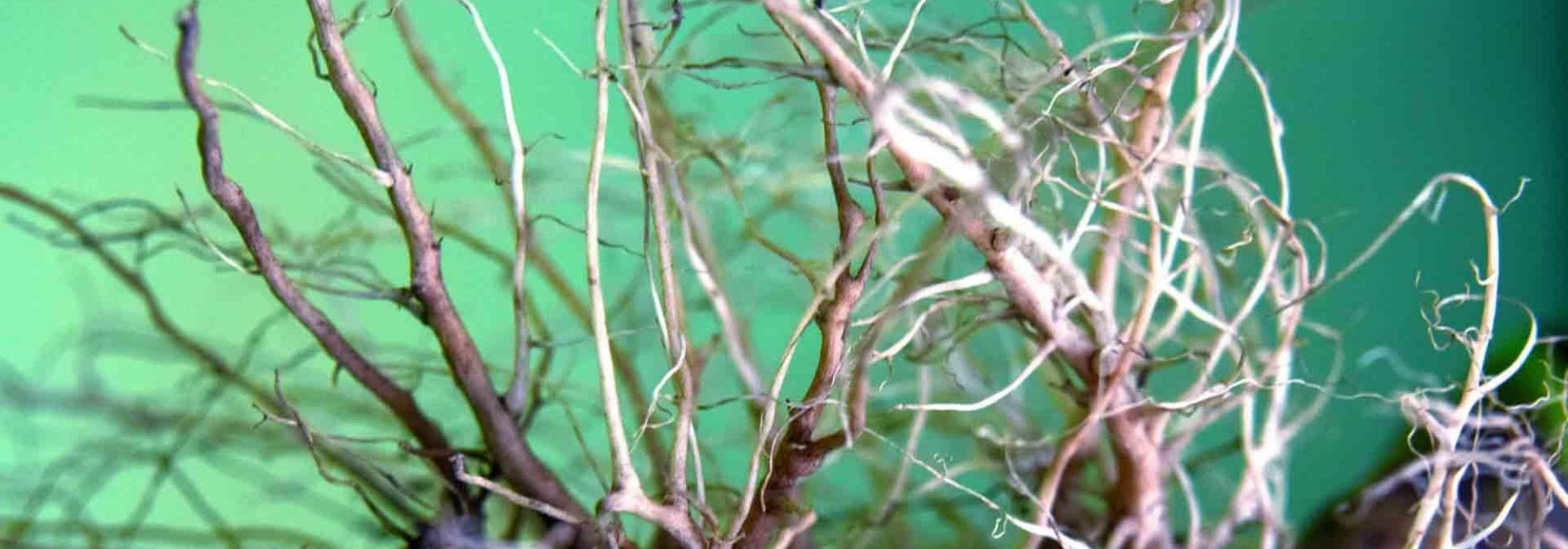
Foliage
Botanical data
Grevillea
rosmarinifolia
Clearview David
Proteaceae
Rosemary Grevillea, Spider Flower
Cultivar or hybrid
Planting and care
In a climate with a mild winter Grevillea can be planted in autumn, in cooler areas it is better to wait until spring. This way, it will have the whole season to establish itself and will better withstand the first winter.
Poor or even mediocre, soil will be suitable, provided it is well-drained and not chalky. This is especially important in winter, as the hardiness of this type of plant is directly related to the soil moisture level. A neutral soil (pH close to 7) can be enriched with ericaceous soil and non-chalky sand.
If planted in a container in a cold region, it can tolerate light frosts, but it should be remembered that the roots in a container are exposed to cold from all sides, therefore, the container should be brought indoors as soon as frosts become regular and pronounced (from -5 °C).
In a favourable climate, it can tolerate light shade, but it is best to expose it to full sun, especially in borderline climatic zones.
Under these soil and exposure conditions, it proves to be a resilient plant, with little susceptibility to insect or disease attacks.
Its maintenance is limited: watering during the first year to promote root growth, fertilizing with a low-phosphorus fertilizer (not necessary in fertile soil) and lightly pruning after flowering, in containers (not really necessary in the ground). Only water in case of very dry summer, allowing the soil to dry well between waterings to prevent any collar rot (rare).
Planting period
Intended location
Care
Planting & care advice
-

-
-
-
-
-
-

-
This item has not been reviewed yet - be the first to leave a review about it.
Recently viewed products
Haven't found what you were looking for?
Hardiness is the lowest winter temperature a plant can endure without suffering serious damage or even dying. However, hardiness is affected by location (a sheltered area, such as a patio), protection (winter cover) and soil type (hardiness is improved by well-drained soil).

The flowering period indicated on our website applies to countries and regions located in USDA zone 8 (France, the United Kingdom, Ireland, the Netherlands, etc.)
It will vary according to where you live:- In zones 9 to 10 (Italy, Spain, Greece, etc.), flowering will occur about 2 to 4 weeks earlier.
- In zones 6 to 7 (Germany, Poland, Slovenia, and lower mountainous regions), flowering will be delayed by 2 to 3 weeks.
- In zone 5 (Central Europe, Scandinavia), blooming will be delayed by 3 to 5 weeks.
In temperate climates, pruning of spring-flowering shrubs (forsythia, spireas, etc.) should be done just after flowering.
Pruning of summer-flowering shrubs (Indian Lilac, Perovskia, etc.) can be done in winter or spring.
In cold regions as well as with frost-sensitive plants, avoid pruning too early when severe frosts may still occur.
The planting period indicated on our website applies to countries and regions located in USDA zone 8 (France, United Kingdom, Ireland, Netherlands).
It will vary according to where you live:
- In Mediterranean zones (Marseille, Madrid, Milan, etc.), autumn and winter are the best planting periods.
- In continental zones (Strasbourg, Munich, Vienna, etc.), delay planting by 2 to 3 weeks in spring and bring it forward by 2 to 4 weeks in autumn.
- In mountainous regions (the Alps, Pyrenees, Carpathians, etc.), it is best to plant in late spring (May-June) or late summer (August-September).
The harvesting period indicated on our website applies to countries and regions in USDA zone 8 (France, England, Ireland, the Netherlands).
In colder areas (Scandinavia, Poland, Austria...) fruit and vegetable harvests are likely to be delayed by 3-4 weeks.
In warmer areas (Italy, Spain, Greece, etc.), harvesting will probably take place earlier, depending on weather conditions.
The sowing periods indicated on our website apply to countries and regions within USDA Zone 8 (France, UK, Ireland, Netherlands).
In colder areas (Scandinavia, Poland, Austria...), delay any outdoor sowing by 3-4 weeks, or sow under glass.
In warmer climes (Italy, Spain, Greece, etc.), bring outdoor sowing forward by a few weeks.
Shipping country and language
Your country of residence may be:
Your country of residence is:
For a better user experience on our website, you can select:
Your shipping country:
-
 Austria
-
 Belgium
-
 Bosnia & Herzegovina
-
 Bulgaria
-
 Croatia
-
 Cyprus
-
 Czechia
-
 Denmark
-
 Estonia
-
 Finland
-
 France
-
 Germany
-
 Greece
-
 Hungary
-
 Iceland
-
 Ireland
-
 Italy
Italy
-
 Latvia
-
 Liechtenstein
-
 Lithuania
-
 Luxembourg
-
 Malta
Malta
-
 Netherlands
-
 Poland
-
 Portugal
-
 Romania
-
 Serbia
-
 Slovakia
-
 Slovenia
-
 Spain
Spain
-
 Sweden
-
 Switzerland
Language:
-
French
-
 English
-
Spanish
-
Italian
-
German
-
Portuguese
-
Dutch
-
Finnish
My Account
Hello
My wish lists
My cart
Log in / Register
Existing customer?
This form is protected by reCAPTCHA - the Google Privacy Policy and Terms of Service apply.
New customer?
Create an account to track your orders, access our customer service and, if you wish, make the most of our upcoming offers.