





























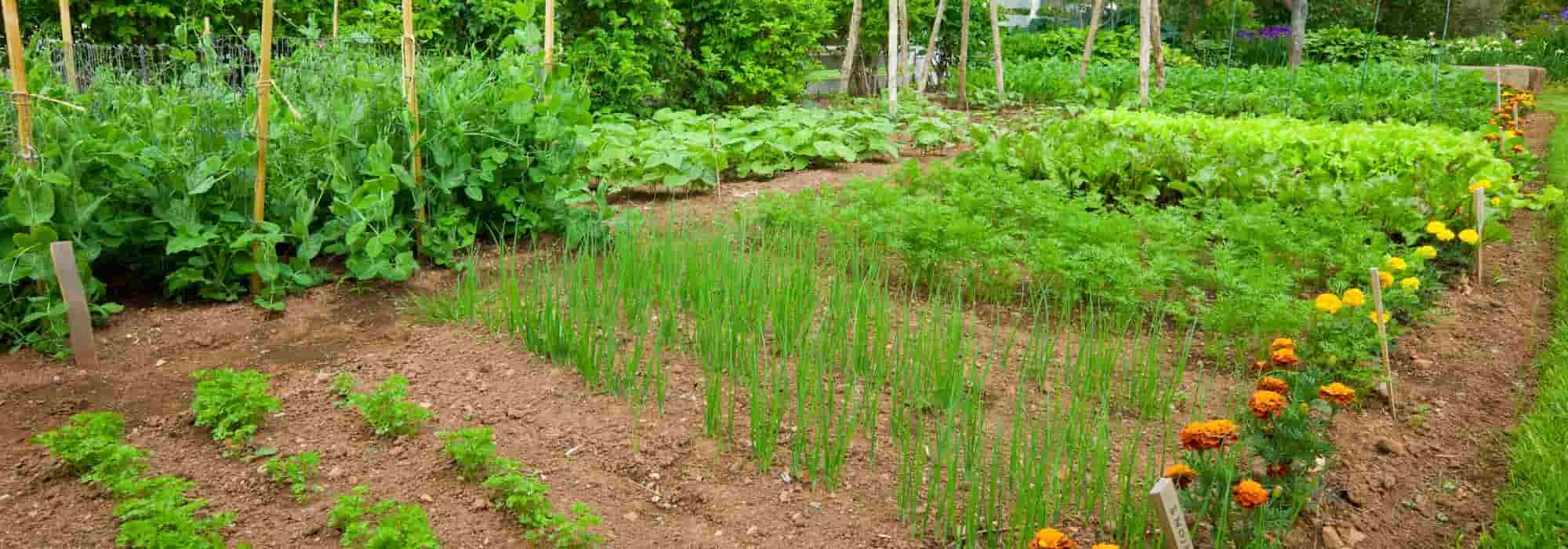
10 mistakes to avoid for a beautiful vegetable garden
Some common-sense tips for achieving beautiful harvests in the vegetable garden
Contents
Whether you are a beginner gardener embarking on your first small vegetable plot or a more seasoned gardener, you are not immune to gross mistakes in cultivation, fertilisation, or watering. Mistakes that can quickly undermine hours of effort… and jeopardise the beautiful harvests you hope for!
That said, some failures are still possible, knowing that they will always be educational by showing you the way forward (and especially what to avoid!). Gardening is sometimes a science or an art that is difficult to master, requiring patience, consistency, and a great deal of self-denial. You need to accumulate botanical knowledge, understand your soil well, avoid aiming too high, and above all, learn to put things into perspective when faced with a capricious nature and/or weather, which will often have the final say!
With that in mind, discover with me the main mistakes to avoid for a beautiful vegetable garden.
If you are starting your vegetable garden for the first time, check out some tips from Ingrid and Olivier in our podcast:
“`html
“`

Neglecting your soil
The soil in the vegetable garden is fundamental! It is therefore crucial to understand the nature of this soil as its management will differ accordingly! Sandy soil crumbles and dries out quickly, clay soil is difficult to dig and warms up more slowly, and chalky soil is permeable… In short, properly identifying your soil will help eliminate many mistakes in watering, fertilisation, sowing, and vegetable selection…
Furthermore, this soil should not be cultivated year after year without being enriched and improved. Over the seasons and crops, the soil will become depleted and less fertile. Beautiful vegetables thrive in soil rich in nitrogen, phosphorus, and potassium, essential nutrients for their growth. That’s why soil should be regularly amended with compost or manure, and possibly potting soil. These organic materials also promote the work of earthworms, formidable allies for the soil.
You can also occasionally add organic fertilisers such as ground horn or dried blood. Similarly, growing green manures helps enrich and aerate the soil. And above all, do not leave the soil bare.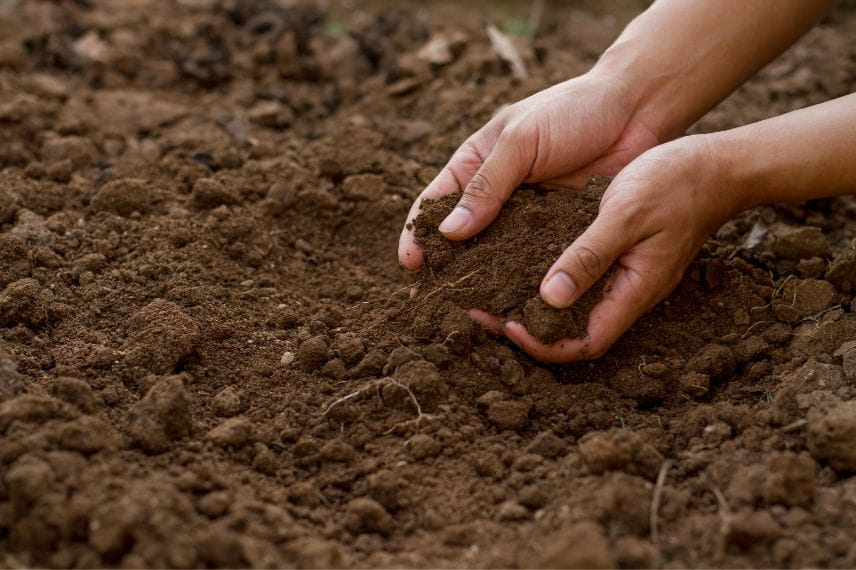
Finally, your soil (and the microorganisms, bacterium, and earthworms that inhabit it) is fragile. Therefore, avoid turning everything over indiscriminately by digging several inches deep. It is better to aerate the soil with a bio fork, complemented by work with a rake.
To go further:
Read also
Watering the vegetable garden: our tipsSowing or planting too early
In gardening, one quickly learns that time must be allowed to take its course. Patience is therefore essential! Thus, wait until your soil is sufficiently warmed to make your first spring sowings. If sown too early, some seeds will not germinate or will do so poorly. If you really want to sow by the end of winter, aerate the soil with a rake or claw and cover it with a tarpaulin or a forcing fleece.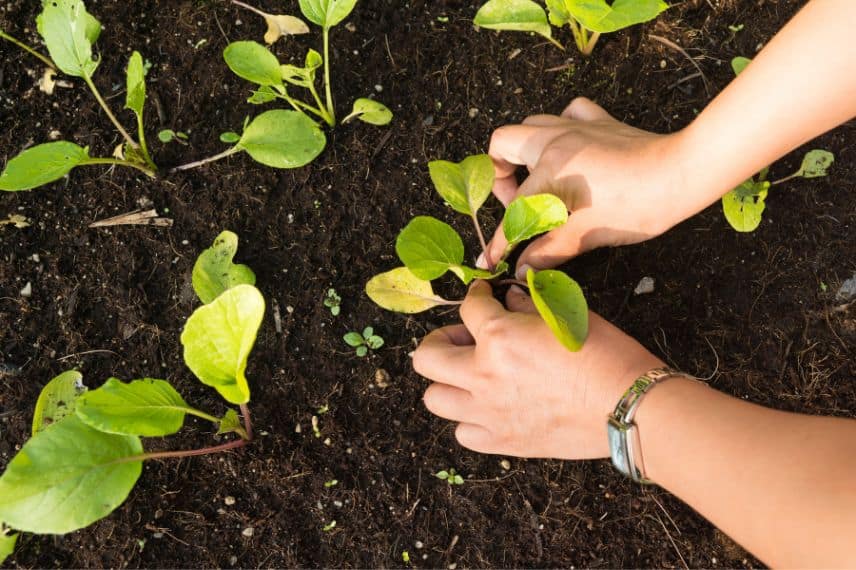
The same applies to transplanting summer vegetables such as tomatoes or courgettes. Depending on the region where you live and garden, you will need to wait until April, or even mid-May and the Ice Saints, to plant your first pots.
Discover other Vegetable gardens
View all →
Available in 1 sizes
Available in 1 sizes
Available in 1 sizes
Available in 1 sizes
Available in 1 sizes
Available in 1 sizes
Available in 1 sizes
Available in 1 sizes
Available in 1 sizes
Available in 1 sizes
Growing the same vegetables in the same place
Growing the same vegetables in the same plot year after year risks depleting the soil and making it less fertile. Similarly, this practice may increase the likelihood of recurring diseases or pests. Once established in the soil, they will have little to do to reinfect their favourite host plants.
By applying crop rotation, you limit all these risks. However, this rotation can quickly become a puzzle. By establishing and maintaining a garden plan from year to year, you should be able to manage it.
Moreover, crop rotation can offer benefits for soil enrichment: the crops that follow a patch of peas or another legume will benefit from the atmospheric nitrogen captured by the nodosities of their roots.
To learn more:
- Planning your vegetable garden: rotations and associations in 5 steps
- How to improve your vegetable garden’s soil with legumes?
Do not take into account exposure and climate
Growing a vegetable garden in the south of France or in a mountainous area is obviously quite different. Spring arrives earlier in one region, summer will be significantly hotter, and the end of the season is later… And the choice of vegetables to grow will inevitably depend on these climatic conditions. Thus, wanting to grow peppers, melons, or aubergines at over 1000 m altitude may seem random! However, with climate change, things are changing…
That’s why it is always preferable to sow or plant local species and varieties, rather than giving in to the whims of trends.
Similarly, the exposure of your garden is crucial for growing your vegetables. Take the time to carefully identify shaded or semi-shaded areas that will more easily accommodate salads, cabbages, carrots, or radishes, and sun-drenched areas, reserved for vegetables that need warmth to ripen.
Letting oneself be overwhelmed by adventives
Whether you call them adventive, weeds, or unwanted herbs, bindweeds, couch grasses, and other dandelions can quickly take over the vegetable garden. While they can be tolerated under certain conditions, they can sometimes become quite bothersome. They compete with the young shoots emerging from the soil or the freshly transplanted seedlings.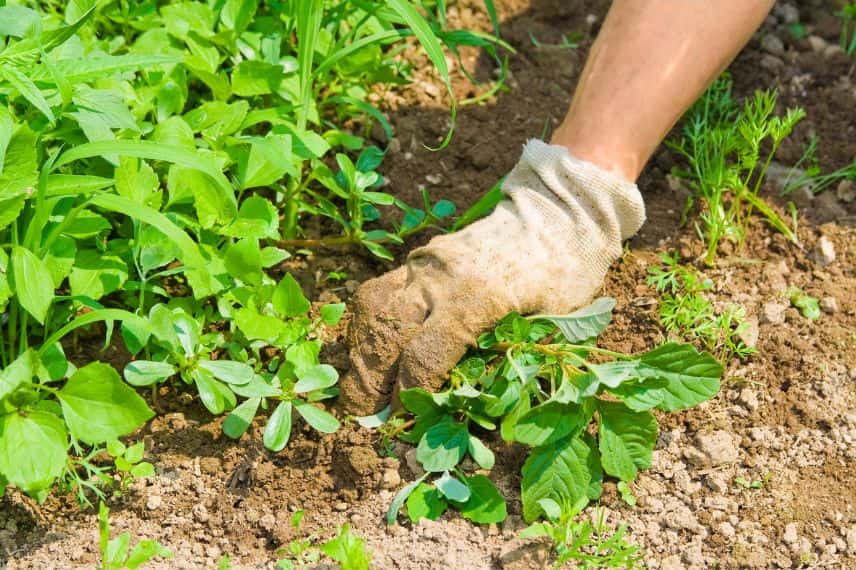
So, don’t let them overwhelm you, or you may soon feel out of your depth. Moreover, they tend to grow faster than your vegetables. It is therefore recommended to hoe and weed your vegetable beds regularly. Or better yet, consistently mulch your vegetable ranks.
Mulch indiscriminately
Is it really necessary to remind ourselves of the benefits of mulching in the vegetable garden? Yes? As you wish! Mulching helps to space out watering by retaining moisture and limiting evaporation, prevents the proliferation of weeds, avoids erosion and the formation of a crust on the soil, promotes the microscopic life of beneficial organisms, and makes your work easier by eliminating hoeing and weeding. However, you shouldn’t mulch just anywhere and in any way, simply because someone told you it was good for the soil!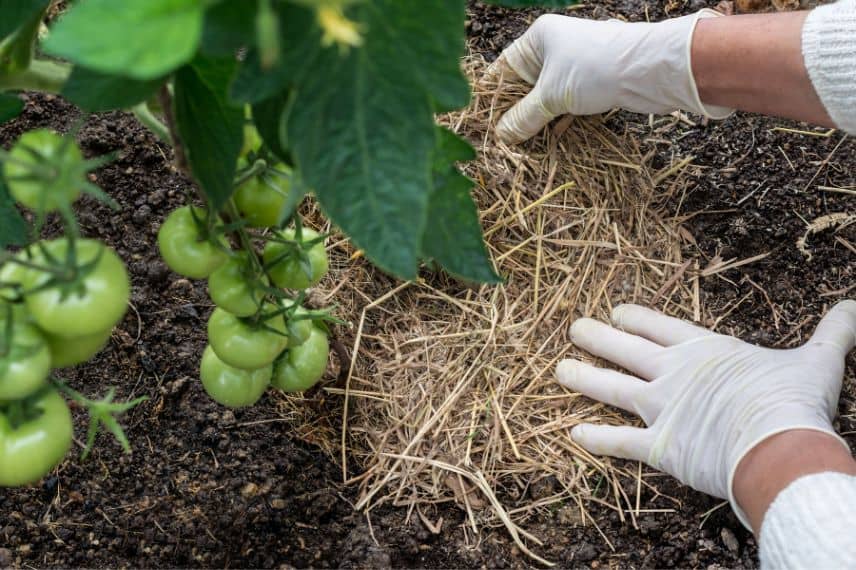
Indeed, mulching is beneficial when crops are established from the end of spring to protect the soil from heat and maintain a certain level of moisture. But, applying it too early, right at the end of winter, would be a serious mistake. In fact, this mulching could slow down the warming of the soil, thereby delaying sowing and planting. Similarly, if you mulched your vegetable garden in winter, it is advisable to uncover it to allow the spring sun to do its work. This way, the soil will have ample time to thaw and dry out for clay soils.
Moreover, making your sowings amidst the mulch is not an easy task!
Ignore the good associations of vegetables
You have surely heard about good or bad associations of vegetables? This term refers to the practice of planting two compatible (or incompatible) species of vegetables next to each other (or not). This is done to enhance the quality of the vegetable garden and the vegetables that grow there.
However, this concept of association is not always easy to understand… or to apply! Moreover, one must also consider crop rotation! It often happens that you overlook these associations until the day you lose your entire tomato crop because it is next to potatoes!
In short, even though we understand that these vegetable associations can become quite complicated, it can be wise to follow a few simple principles to avoid the invasion of pest insects, the proliferation of diseases, and especially to promote the development of vegetables:
- Encourage the presence of aromatic plants among the vegetables
- Plant wormwood, marigolds, and nasturtiums in the vegetable garden
- Remember that tomatoes and potatoes, potatoes and aubergines, spinach and chard… do not make good neighbours. In contrast, carrots and leeks get along and protect each other.
For further reading:
Do not underestimate invasive gastropods
The slightest antenna of a slug or snail makes your hair stand on end! Well, that’s good. However, allowing them to enter and roam freely in your vegetable garden can seriously disrupt your peace of mind. Indeed, on a beautiful spring night, a few slugs can destroy your entire patch of freshly transplanted young salads.
So there’s no point in burying your head in the sand when it comes to slugs and snails. If they have settled in your garden, they are here to stay! Ignoring them could end up costing you dearly.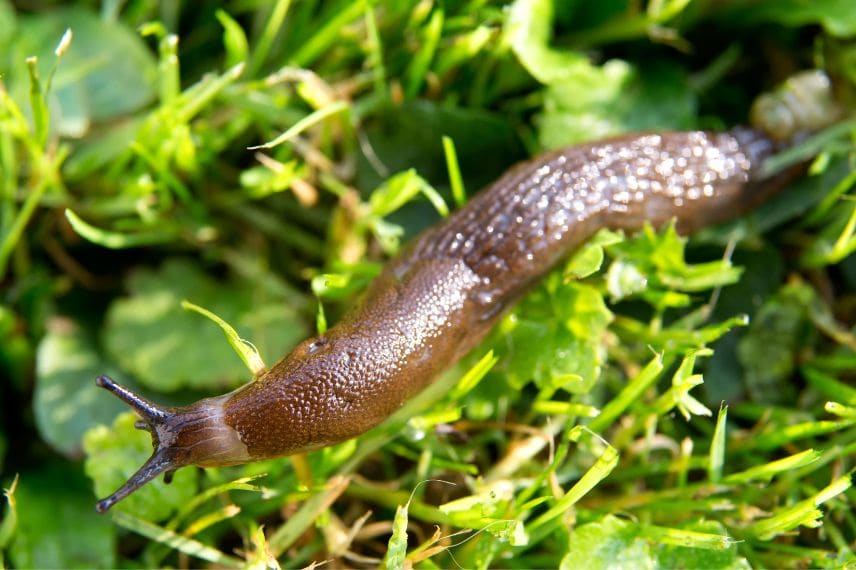
I invite you to read the article by Ingrid B., who shares 7 ways to fight slugs effectively and naturally.
Watering too much or not enough
Watering is certainly one of the most complex gardening tasks. It must be sufficient without being excessive, managed wisely without being counterproductive. Indeed, shallow waterings are of no use, and excessive watering can exacerbate the rotting of plants or the onset of diseases. Moreover, some plants require a lot of water, while others are more undemanding.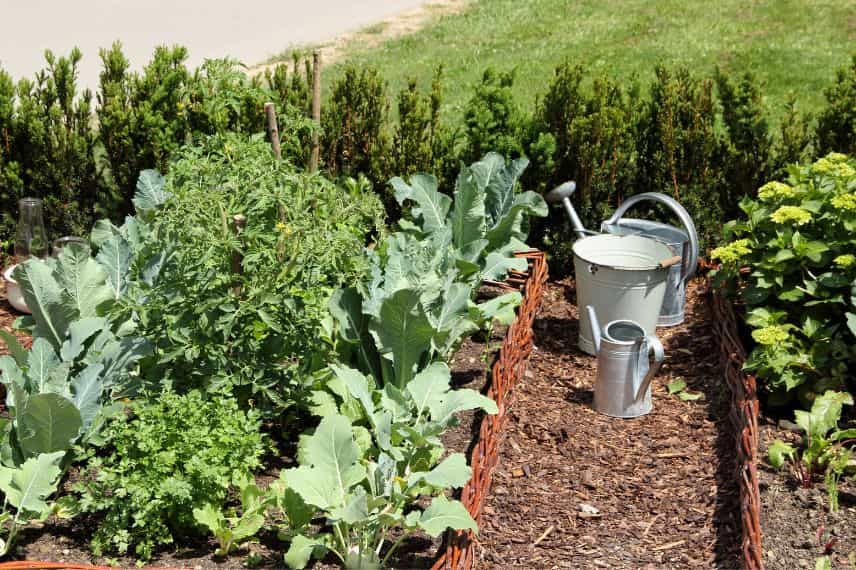
By mounding and mulching, you should already limit watering. Next, it is essential to water at the right time according to the season. In spring and autumn, water in the morning; in summer, you can do it in the evening.
Feel free to read my watering tips for the vegetable garden, or Jean-Christophe’s article Watering the garden: how to do it?
Pruning at the wrong time
Some small fruit trees, such as raspberries, require pruning. Just like certain vegetables, such as squashes or melons… pruning them at the wrong time and in the wrong way can be fatal. And you will lose all hope of harvest.
To learn more:
- Subscribe!
- Contents
Comments