


5 summer-flowering magnolias
for an exotic and fragrant atmosphere
Contents
With their white, pink, or purple flowers, delicately scented, magnolias are trees with an elegant silhouette and fragrance. Varying in size, they bring a graceful and exotic touch to a garden or terrace. There are two types of magnolias: those that bloom in spring and most often have deciduous foliage, and those that flower in summer with generally evergreen leaves. Hardy and easy to grow, Magnolia prefers to be planted in rich, cool soil or substrate, exposed to sun or partial shade, and sheltered from the wind. From the most well-known, which is the Magnolia grandiflora or large-flowered magnolia, to the more obscure, discover our selection of summer-flowering magnolias to inspire you.

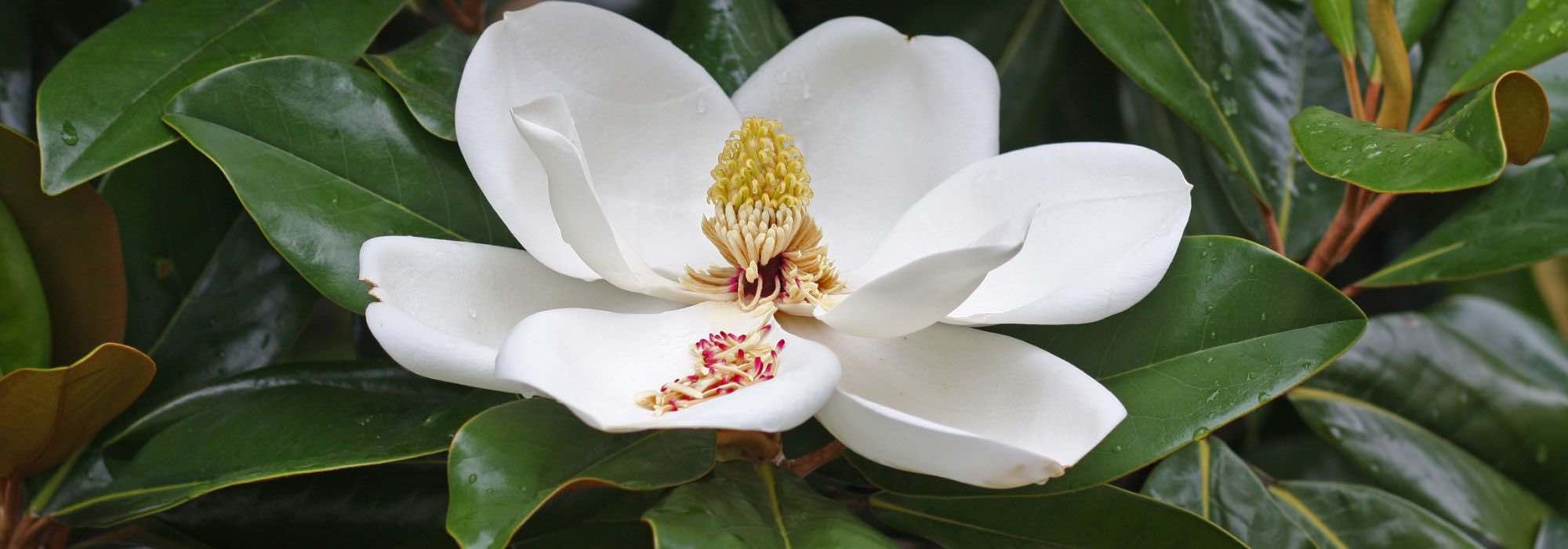
Magnolia grandiflora 'Galissonière', a reliable choice
The Magnolia grandiflora ‘Galissonière’ is a variety of the famous Magnolia grandiflora, which is a reliable choice. This tree, with its rounded habit, rewards you with large flowers reminiscent of big white tulips from June to September. They exude a delightful and intense orange blossom fragrance. Slow-growing, the Magnolia grandiflora ‘Galissonière’ can reach a height of 10 to 15 metres at ripeness and is hardy down to –15°C. Its evergreen foliage is glossy green on top and matte bronze underneath. After flowering, conical, reddish fruits appear. This magnolia prefers to be planted in rich, cool, even moist soil in summer, and enjoys light sun or partial shade, sheltered from winds.
The Magnolia grandiflora ‘Galissonière’ is stunning and can stand alone in a garden. If you wish to pair it with other trees rather than plant it in isolation, you can choose companions such as other magnolias, like the Magnolia soulangeana, which is also well-known. This combination will allow you to enjoy a staggered flowering, with the Magnolia soulangeana blooming earlier, in spring, from April to May.

Read also
Magnolias: planting, pruning and careMagnolia sieboldii 'Colossus', a subtle citrus fragrance
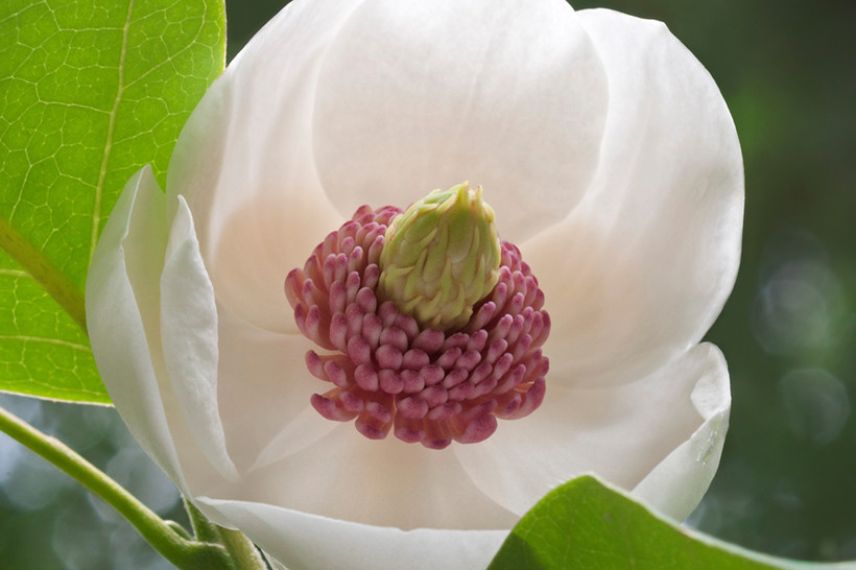
The Magnolia sieboldii ‘Colossus’ is an improved variety of Siebold’s Magnolia. It is more suited to sunny conditions, flowers at a younger age, and grows faster. Reaching 8 metres in height at ripeness, this tree produces drooping, semi-double to double flowers that appear against medium green, deciduous foliage. The white flowers bloom from May to July in the form of flared bells measuring 15 cm in diameter and composed of 10 to 15 petals. The flowers feature beautiful purple-pink stamens with a light citrus fragrance. In autumn, large fruits appear and turn pink, while the foliage turns yellow before falling. Hardy down to –15°C, Magnolia sieboldii ‘Colossus’ prefers fresh, light, humus-bearing soil, as it is sensitive to lime.
In your garden, plant it in full sun or partial shade and accompany it with flowering dogwoods or sweetshrub to enhance the floral and exotic atmosphere. You can also plant it in isolation if you wish to showcase it entirely and ensure it is the focal point.
The Magnolia brooklinensis 'Eva Maria', with its changing coloured flowers
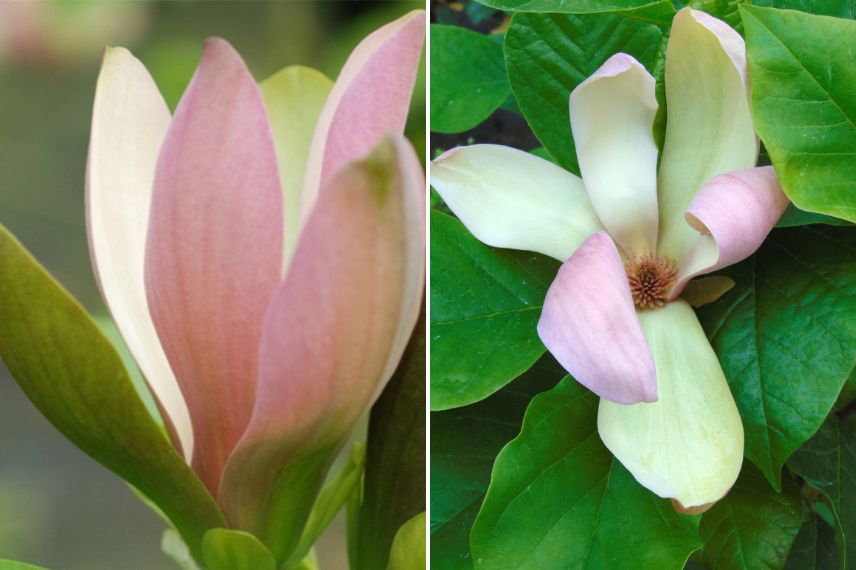
The Magnolia brooklinensis ‘Eva Maria’ offers a flowering display with subtle hues from May to June. Its large flowers resemble tulips standing upright and bloom from green buds tinged with violet. Even more astonishing, the petals change colour as they flower. From honey-washed magenta pink, they shift to a soft orange infused with green. The petals are waxy and thick, and the flowers open in the form of wide cups revealing orange stamens. The green foliage with silver undersides serves as a backdrop and is deciduous. The Magnolia brooklinensis ‘Eva Maria’ forms a rounded, ramified bush reaching a height of 3 metres at ripeness, making it a good choice for a small garden.
You can plant it alone on a lawn or in a bed complemented by a Japanese maple, a Hibiscus syriacus, a Prunus x subhirtella ‘Autumnalis’, or even a Cornus kousa ‘Satomi’. It can also be paired with other ericaceous plants such as rhododendrons, camellias, or heathers.
Read also
Large-flowered magnoliasMagnolia macrophylla subsp. Ashei, for a lush atmosphere
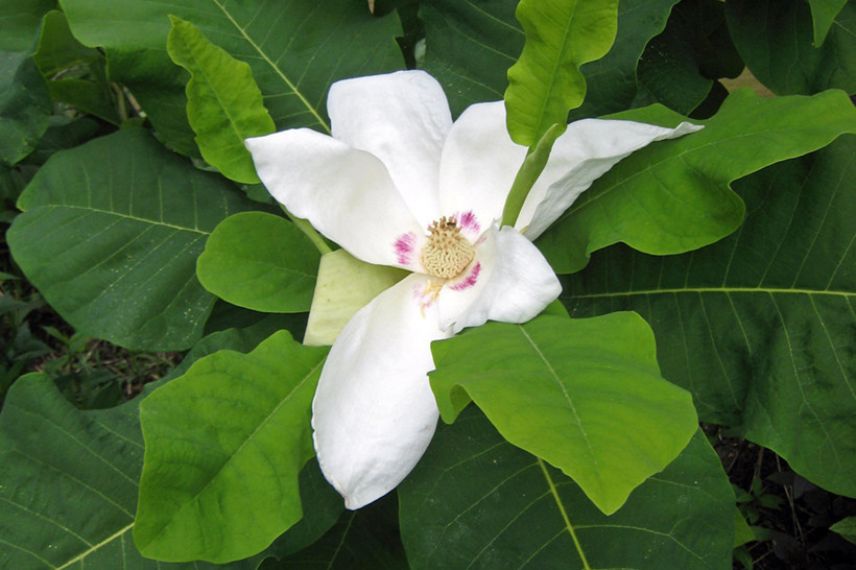
The Magnolia macrophylla subsp. Ashei features oversized and therefore spectacular leaves and flowers. The white flowers with a burgundy-purple centre appear from May to July and exude notes of jasmine and citrus trees. They measure 25 cm and bloom in a cup shape against lush foliage. The leaves, which are apple green with silver undersides, turn yellow in autumn before falling. Decorative conical fruits take over from the flowers, displaying red to purple hues. This collection tree flowers as early as 3 to 4 years old and reaches a height of 10 metres at ripeness. Hardy down to -15°C, it should be planted in full sun or partial shade in neutral to slightly acidic, rich, well-drained, and moisture-retentive soil.
The Magnolia macrophylla subsp. Ashei is the perfect tree for creating a lush and exotic atmosphere. You can have fun creating a surprising exotic bed by pairing it with giant rhubarbs from Brazil or Gunnera, rodgersias, meadowsweet, and ginger.
Magnolia thompsoniana, a lovely tree to discover
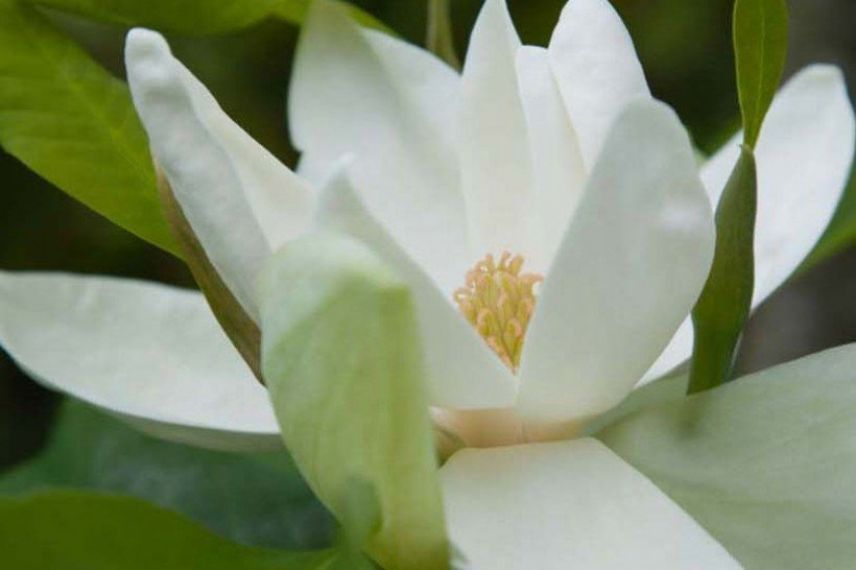
The Magnolia thompsoniana is a vigorous tree with an original silhouette as it features multiple trunks and a spreading habit. Its long flowering period extends from May to July. Its beautiful cream-white flowers gracefully open against dark green, glossy foliage with a silver underside, which is semi-evergreen if the winter remains mild. They emit sweet vanilla scents. The tree reaches a height of 6 metres at ripeness.
You can pair it with other trees with vibrant colours such as the caramel tree or shrubs like rhododendrons or tree peonies.
- Subscribe!
- Contents
Comments