





























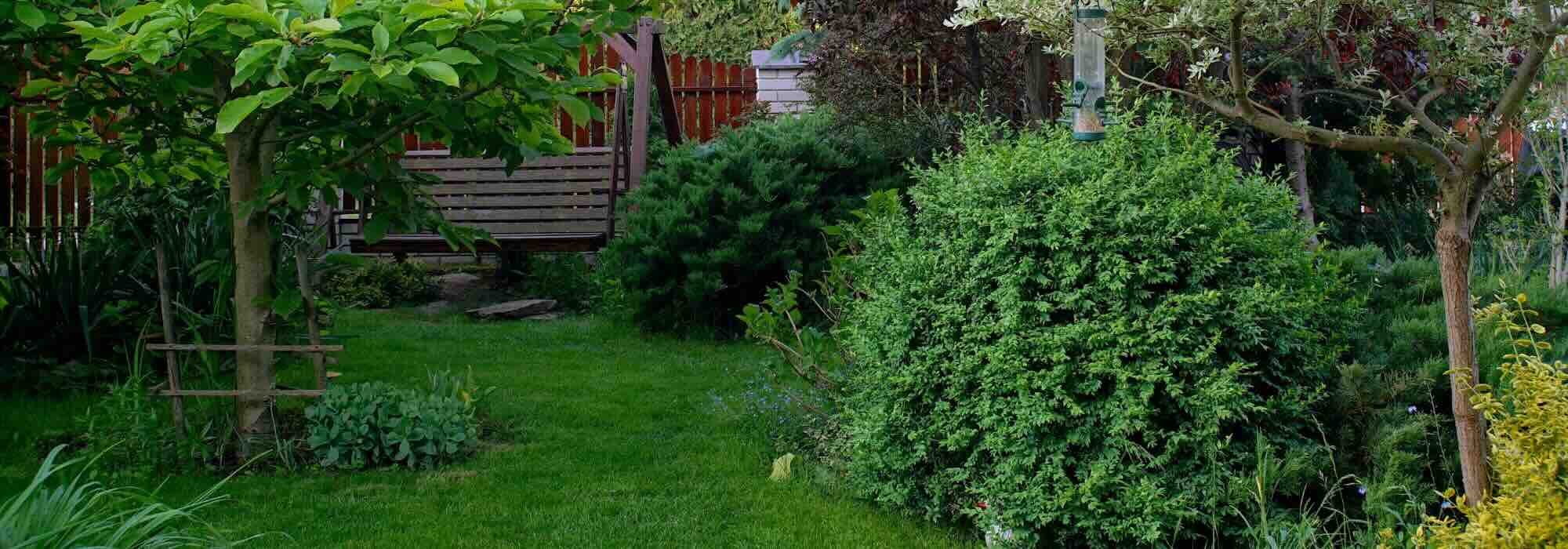
Best groundcover shrubs for dense shade
Our picks and tips
Contents
Covering the garden soil in shaded areas may seem challenging, especially when the shade is very dense and few plants seem to thrive there. Yet, some groundcover shrubs are perfectly suited to these conditions and allow you to achieve a dense, attractive and low-maintenance carpet.
Whether under a canopy of trees, along a north-facing wall or in a dark interior courtyard, these shrubs provide an effective solution for covering the soil, limiting weed growth and structuring the space with ease.
Evergreen, floriferous or fragrant, there is a wide diversity of species able to meet the specific needs of each garden.
In this article, discover a selection of the best groundcover shrubs for dense shade, along with tips on choosing, planting and caring for them.

What is a groundcover shrub for dense shade?
Groundcover shrubs are woody plants, typically not very tall, that spread horizontally to effectively cover the soil. Unlike trees or large shrubs, they usually do not exceed 50 to 80 cm in height (some may be taller, but in that case they are a little narrower), which allows them to form a dense groundcover carpet, as their growth is essentially lateral. Their main benefit lies in their ability to limit weed growth, stabilise the soil and reduce garden maintenance.
In dense shade, that is, when no direct sunlight reaches the soil, it is difficult to find plants that thrive. Many plants require at least a few hours of direct light or strong indirect light to grow well. However, some groundcover shrubs are perfectly suited to these conditions and can flourish even in deeply shaded areas, such as beneath a dense canopy of trees or in dim inner courtyards.
What distinguishes a groundcover shrub suited to dense shade?
A groundcover shrub that thrives in dense shade generally possesses several specific characteristics:
- These shrubs are able to capture and effectively use the low light available, whether it comes from the sky or from indirect reflection.
- Their foliage is often evergreen or semi-evergreen, allowing them to maximise photosynthesis even with little light.
- Dense shade is often associated with moist, nutrient-poor soils, particularly beneath large trees where root competition is strong. Groundcover shrubs adapted to these conditions have a relatively undemanding root system that enables them to establish easily. Once established, these shrubs require little watering and fertilisation, and their dense foliage and ability to spread naturally help minimise pruning and maintenance.
Where to use groundcover shrubs for very dense shade?
- Under a dense forest canopy : at the base of large trees where few other plants succeed in growing.
- Along north-facing walls : these spots receive very little direct light and remain cool and humid.
- In dark inner courtyards : the shade created by buildings prevents the growth of many plants, but some groundcover shrubs prosper there.
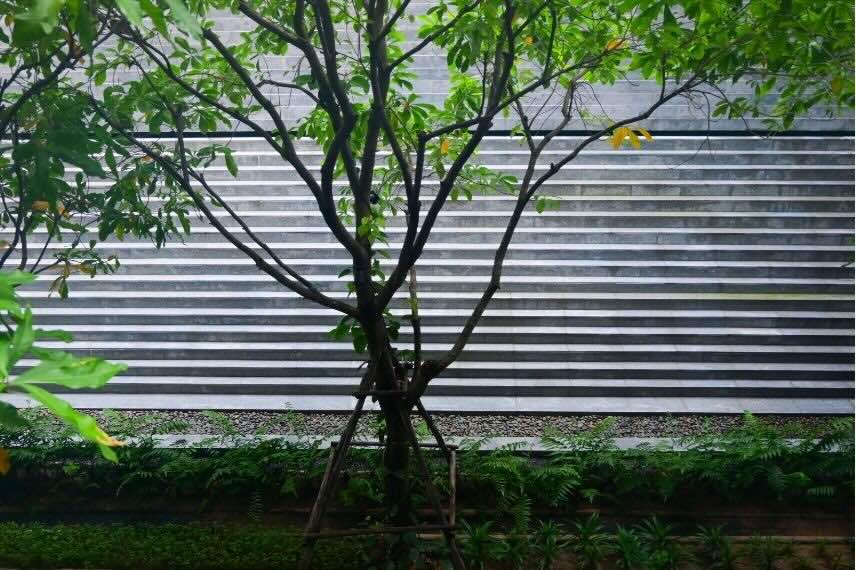
We can probably assume that the area beneath this shrub is in dense shade
Read also
Shade Bush: Which Ones to Choose?The best groundcover shrubs for dense shade
When greening a zone where direct light is completely absent, it is important to choose groundcover shrubs suited to these specific conditions, or risk the space deteriorating quickly.
Here is a selection of the best groundcover shrubs able to thrive in dense shade:
Evergreen shrubs for dense cover
These shrubs provide year-round vegetative cover and help to dress shaded spaces durably.
- Sarcococca hookeriana humilis : an excellent ground-covering shrub that forms a dense carpet of dark, glossy green foliage. Hardy, it tolerates pollution and prefers dry, light soils. In winter, its small white flowers emit a delicate and sweet fragrance, very pleasant near walkways.
- Taxus media ‘Emerald Spreader’ : a versatile groundcover yew that can spread up to 2.5 m from a single plant. Its foliage, dense and evergreen, has a fine texture and a light colour in spring. Very tolerant, it withstands difficult conditions well and requires little maintenance.
- Viburnum davidii ‘Angustifolium’ : a compact species, ideal for shade. Its white spring flowers with modest ornamental value are followed by decorative metallic-blue berries in autumn and winter, which still give it several assets throughout the year. It is particularly valued for its resilience and low maintenance.
Flowering shrubs to brighten the shade
Dense shade does not necessarily mean an absence of flowers! Some groundcover shrubs bring a splash of colour even in very dark areas.
- Dwarf rhododendrons: these evergreen and flowering shrubs offer in spring stunning flowers in shades of pink, white or violet. They prefer acidic, well-drained soils. Be aware not all tolerate dense shade. Among those that grow in very shaded conditions, some tolerate slightly calcareous and heavy soils, such as ‘Rabatz’. Look for those with a spreading habit rather than tall, such as the rhododendron ‘Bernstein’ or ‘Robert Seleger’, very low-growing.
- Diervilla splendens: this groundcover shrub is suckering. It flowers in summer, in clusters of sulphur-yellow. The green-purple foliage turns red in autumn. It is ideal for carpeting inhospitable spaces, in dry shade where nothing else grows.
Shrubs for acidic soil
- Leucothoe axillaris ‘Curly Gold‘ : a small semi-evergreen shrub with a dense habit, for acidic and moist soils. Its curled foliage is coloured red-orange in spring, then golden and finally acid green. Subtle spring flowering.
- Gaultheria procumbens : a very small groundcover with dense dark green foliage that reddens in autumn, accompanied by pretty red berries that decorate the shrub until spring.
A groundcover shrub for dry southern soil
In southern regions of France, where shade is accompanied by marked drought, it is essential to choose plants suited to these conditions.
- Arctostaphylos uva-ursi: perfect for poor soils and well suited to a Mediterranean climate, this evergreen creeping shrub quickly covers the ground forming a dense mat. Its small pink bell-shaped flowers precede pretty red berries that attract birds.
A running groundcover shrub for covering large areas
Some shrubs have a faster spread and are perfect for rapidly colonising large shaded areas.
- Pleioblastus pygmaeus ‘Distichus’: this dwarf running-groundcover bamboo is an excellent alternative for large areas. Evergreen, very hardy and fast-growing, it tolerates shade well and adapts to many soil types. It is ideal for stabilising a bank or rapidly covering a large area, but do not underestimate its very running habit.
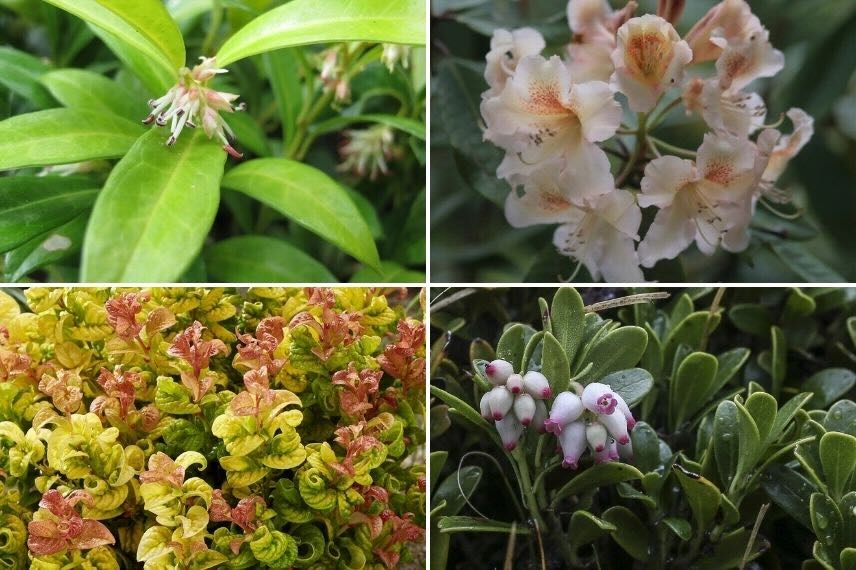
In clockwise order: Sarcococca hookeriana humilis, Rhododendron ‘Bernstein’, Arctostaphylos uva-ursi, Leucothoe axillaris ‘Curly Gold’
Planting and care of groundcover shrubs for dense shade
Soil preparation before planting
- Drainage: While some shrubs tolerate damp, excess water can promote root diseases. It is recommended to lighten the soil with compost or sand if necessary.
- Application: adding compost at planting helps improve soil structure and promote rooting.
Watering and moisture management
- Most groundcover shrubs require regular watering in the first year to establish themselves.
- Organic mulch (bark, leaf litter) helps retain moisture and suppress the growth of weeds.
Pruning and growth control
- These shrubs require little pruning, but a light trim once or twice a year helps maintain a harmonious shape and encourage their density.
- For Pleioblastus pygmaeus ‘Distichus’, pruning is required at the end of winter, but also the installation of a rhizome barrier to contain its spread and prevent it from invading other areas of the garden, unless you allow it to colonise a large bank.
Fertilisation and amendments
- An annual application of compost or organic fertiliser can improve the vigour of shrubs, especially in poor soil.
- Avoid excess nitrogen which would promote excessive leaf growth at the expense of the plant’s overall resilience.
Monitoring and disease prevention
- Most of these groundcover shrubs are resistant to diseases and pests.
- Monitor the appearance of fungi or leaf spots in overly damp conditions and improve air circulation around the foliage by spacing plants adequately when planting.
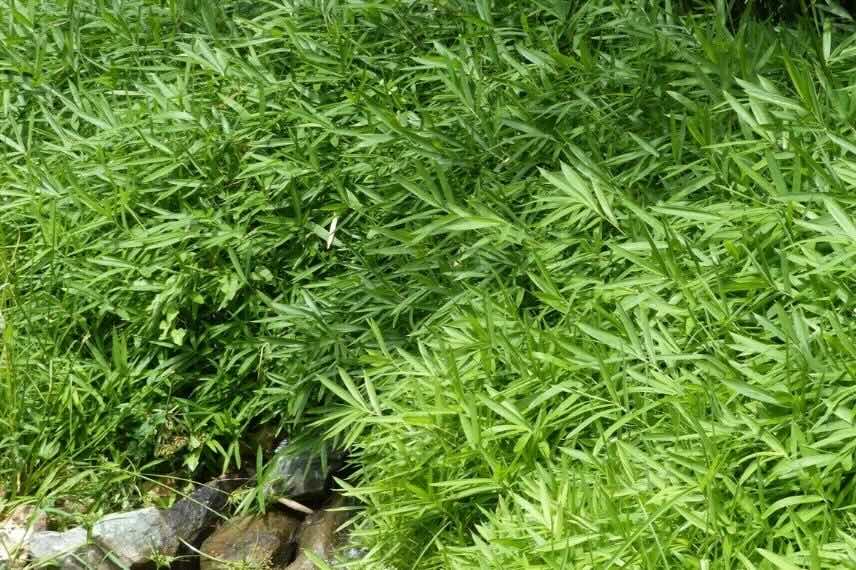
Unless you want it to colonise a large bank, install a rhizome barrier to control the spread of Pleioblastus pygmaeus Distichus
- Subscribe!
- Contents
Comments